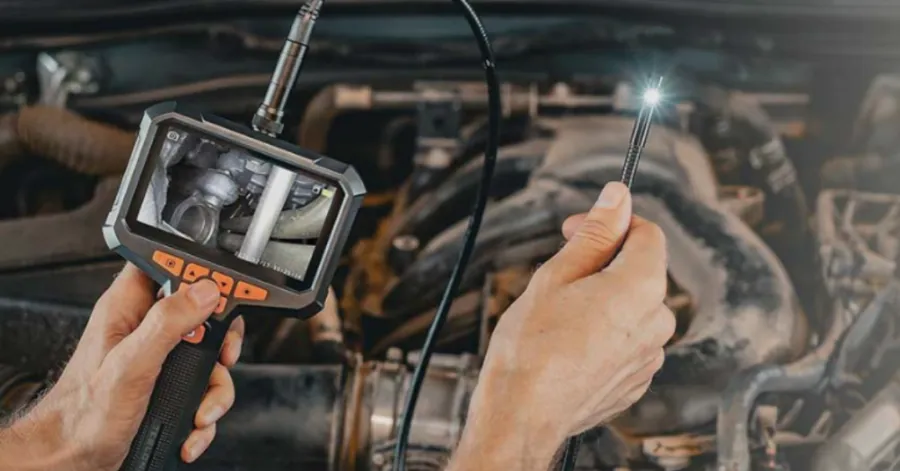
A mechanic camera is a handheld device with a flexible probe and a small lens. This lets you check engine details, inspect wiring, and monitor deep frame areas without taking everything apart. This saves time and helps you find visible problems more quickly.
If you ever struggle to inspect a tight engine compartment, this tool can make the job easier. You will learn how to use a mechanic camera with the features you are looking for, and how to choose the right model for your toolbox in this guide.
What Is a Mechanic Camera?
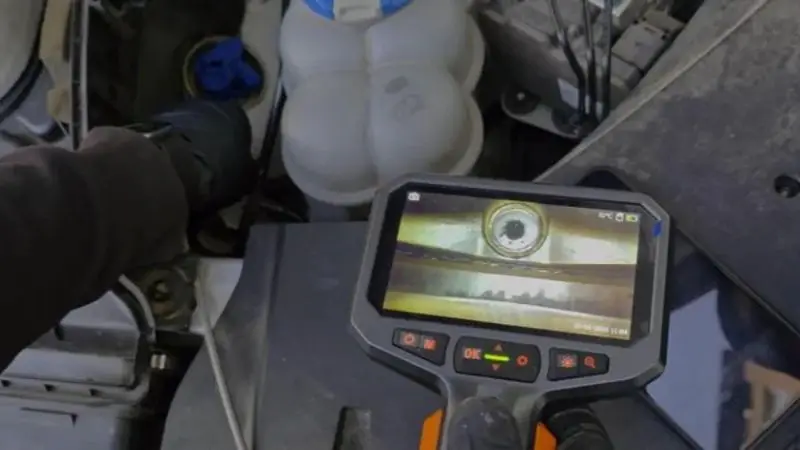
A mechanic camera helps you find problems in hard-to-reach areas. We’ve got a small camera that is attached to a flexible or semi-rigid probe. You lead the probe into a narrow space, and the camera shows the images on the screen. Consider it a small camera, a flashlight in one handy tool.
Mechanics use these cameras to check separate engines, pipes, and other vehicle parts without taking everything apart. They save time and help them detect hidden damage. Choosing the correct camera depends on the inspection area, the quality of the image, cable design, and lighting.
Recommended For Your Project
How Does a Mechanic Camera Work?
At the tip of the thin probe, a small image sensor is used in a mechanic camera. LED illuminates the dark space around the lens, while the sensor captures images or videos. The footage travels via the cable to an inbuilt display or an attached smartphone. This makes it easier to inspect areas that are hard to reach by hand.
You lead this probe to the target area, and you adjust its position to see various angles. Some models include a steering knob to guide the camera tip around corners. A mechanic camera with a flexible cable is particularly helpful for inspecting curved passages or busy engine compartments. Many models let you also save photos and videos to judge later or show your problem to customers.
You may be able to insert the probe through the ignition light hole to check whether a visibly deteriorated unit has been used in the cylinder, without removing the cylinder head in the case of a test piece. You can also check the parts behind the dashboard or find signs of wear in the internal parts of the engine. These characteristics have made the camera a useful tool for more rapid and accurate diagnosis.
What Is a Mechanic Camera Also Called?
A mechanic camera is usually known as a drill or automotive inspection camera. These terms describe tools that allow users to examine narrow or closed spaces without disassembling the surrounding parts. Borescopes have long been used for industrial inspections. Automotive versions are designed to assist mechanics in exploring vehicle parts.
You can also hear the term inspection camera, which includes a wider range of devices that are used to check hard-to-reach areas. Some models are specially designed for vehicle maintenance, while others work for plumbing, machinery, and general repairs. The best automotive inspection camera for mechanics depends on the task, image quality, probe size, lighting, and ease of use.
Regardless of its name, the tool has the same primary goal: It helps you see hidden areas with less disassembly. A mechanic camera for hard-to-reach areas can help you inspect an engine cylinder, see behind a dashboard, or examine a narrow path. The right model helps you see potential issues and makes them easier to address before you decide to make any further repairs.
How Does a Mechanic Camera Work?
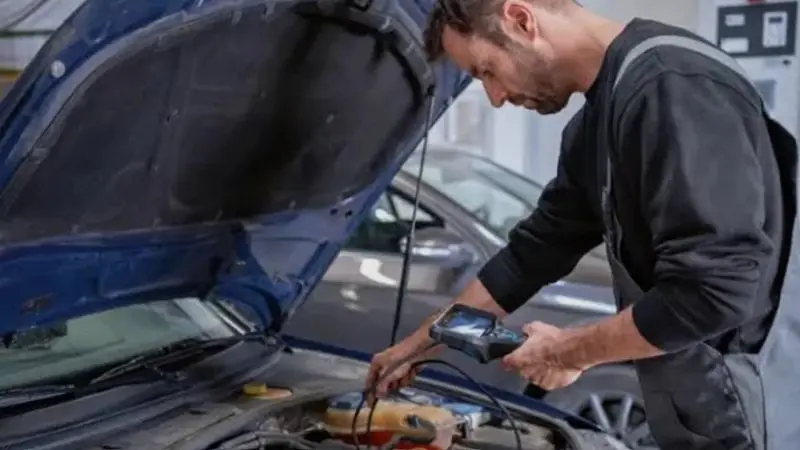
A mechanic camera helps mechanics inspect hidden engine components without disassembling the whole component. It uses a small camera mounted on a narrow probe to capture images in tight spaces. The recorded video is brought to the surface to allow the mechanics to analyze the internal parts and identify visible problems. Here’s how the main features operate during an inspection.
1. How the Camera Captures Images
A mechanic camera has a small camera sensor at the tip of a narrow probe. Once the probe enters an engine opening, the sensor captures images and sends them in real time to the display. This allows mechanics to inspect the walls of cylinders, valves, and other hidden components without significant dismantling. Many models also support photos and video recordings to help mechanics save inspections for subsequent review. The quality of the images depends on the resolution of the camera, the sensor, and the lighting. An image that is easily visible can facilitate surface examination and the identification of visible signs of damage.
2. How LED Lights Improve Visibility
Engine compartments and interiors often have little or no natural light. An LED light car inspection camera illuminates the area around the camera tip and helps to see hidden components more easily. Many models allow users to adjust the intensity of the light to different conditions. Correct lighting helps mechanics investigate metal surfaces, detect carbon deposits, and find visible cracks or corrosion. During inspection, it can also reduce the need for an external flashlight. Reflective surfaces can, however, still create glare, so brightness adjustment can help create a clearer view.
3. How a Flexible Cable Reaches Tight Spaces
Over certain obstacles and narrow openings, a mechanic camera with a flexible cable can move. Mechanics escort the probe into the target area as they look at the display to check its position. This feature makes the camera useful for inspecting engine compartments, pipes, and rooms behind auto components. Some cables are easily bent, whilst semi-rigid probes retain their shape for better control. A mechanic camera for areas where it is difficult to access can help mechanics examine hidden components without removing different parts. Length, diameter, and flexibility of the cable determine how easily the inspection point can be reached.
4. How Mechanics Identify Engine Problems
As soon as the camera reaches the target area, mechanics examine the video recordings for signs of injury. They can look for scratches on the walls of cylinders, carbon buildup, corrosion, residues of liquid, or damaged surfaces. The best mechanic camera for car engine inspection must provide clear images and sufficient light to reveal useful details. To be used in the workshop, the best mechanical vehicle inspection camera will also comprise appropriate sample probe sizes and suitable controls. Professionals like to offer the best engine inspection camera with reliable recording features and a durable design. The camera cannot fix every mechanical fault, so additional tests before repairs begin may be necessary.
What Is a Mechanic Camera Used For?
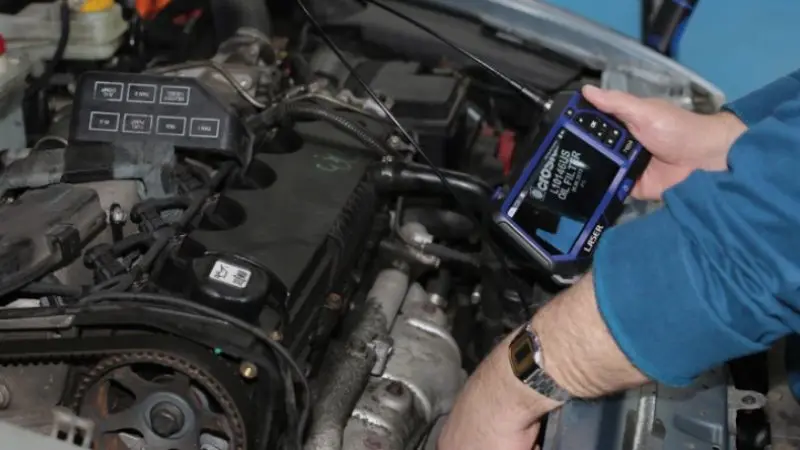
A mechanic camera helps mechanics inspect hidden car components without removing various components. It captures images in tight spaces, making it easier to identify visible damage, construction, leaks, and blockages.
From engine cylinders to small tubes, this tool offers useful information before repairs begin. Mechanics can use it for various inspection tasks, depending on the camera design and the vehicle’s condition.
Inspecting Engines and Cylinders
A mechanic camera helps you examine engine parts without dismantling the engine. You can take the probe through a spark plug hole to verify cylinder walls, piston crowns, and carbon. The best mechanic camera for car engine inspection offers clear images that will help you carefully examine these surfaces.
You can also find scratches, strange deposits, and signs of wear, and these findings might indicate the need for further testing. Though a camera cannot confirm every engine problem, it provides useful visual proof before you make an expensive repair. The best engine inspection camera for professionals must provide reliable image quality, probe dimensions, and ease of use.
Finding Oil Leaks and Hidden Damage
An oil leak may not be easy to trace when hoses, brackets, and other parts block your view. A mechanic camera for areas that are hard to reach helps you inspect behind these components without removing all that’s around them. The areas around valve lids, oil plates, and other suspicious leakage points can be checked.
The camera can also expose damaged seals, cracked plastic components, corrosion, and liquid waste. First, clean the area if you can, then repeat the check when the operation is safe. It helps to trace a leak to the source, rather than guess which part needs to be replaced. During dark engine compartment inspection, an inspection camera with LED lighting can improve visibility.
Checking Pipes, Hoses, and Tight Spaces
Problems with the car occur often in narrow spaces where visibility is limited. A flexible mechanic camera cable allows you to inspect pipes, hoses, air ducts, and other confined areas. You can check for blockages, broken parts, debris, and visible wear signals without cutting parts.
This same tool can help you look behind a dashboard or look around a wiring harness. When workspace is restricted, the use of a thin probe is useful, and controlled lighting can improve visibility in dark areas. When choosing the best automobile inspection camera for mechanics, take probe diameter, cable length, flexibility, and image quality into consideration. Always make sure the probe fits into the opening, and never force it past a bend or blockage.
Inspecting Transmission and Other Car Parts
A mechanical camera can also help you check out transmission housings, gears, and other hidden car components. Depending on your access point, you can search for metal debris, damaged surfaces, or unusual wear. These observations may help you determine which components need further inspection.
You can also use the camera for suspension components behind the internal walls and in accessible cavities. From vehicle to component, the access, however, varies. Follow the service instructions of the manufacturer and never put a probe in a moving machine or system under pressure. Such checks are made easier by means of a suitable inspection camera. But further testing may be needed to confirm mechanical defects.
Types of Mechanical Cameras
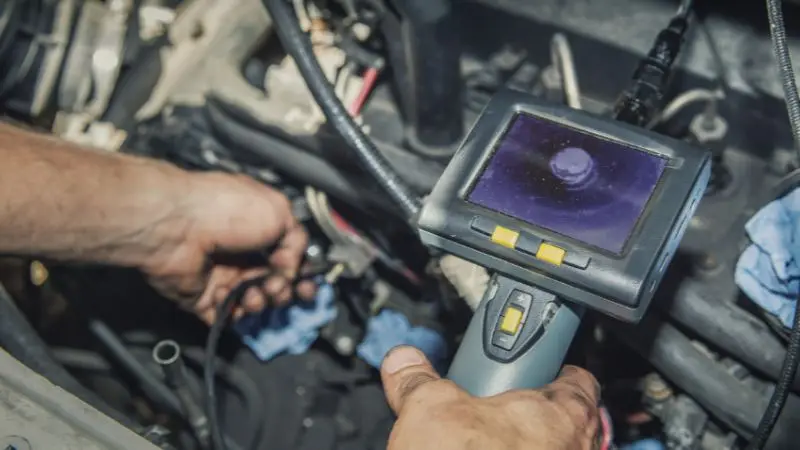
Mechanical cameras are available in different types, each of them designed for different inspection requirements. While others send images to the phone or computer, some make a direct connection with the screen. Understanding these options will help you select a camera that matches your workspace, budget, and common repair tasks.
Before buying, consider how often you’ll use the camera, where you’ll inspect, and how much image detail you need. The most common types of vehicle inspections are as follows.
Wired Mechanic Inspection Cameras
A wired mechanical inspection camera links its probe, which is installed on a handheld screen or control unit via a cable. Many models are ready for use without connecting to a phone or wireless connection. That makes them a practical choice for busy repair centers. A mechanic camera with a flexible cable can also help you gain access to engine components.
Wired models often offer a continuous video feed and simple controls. Before buying, check the probe length, cable flexibility, screen size, and image quality. A longer cable may be helpful, but it should be easy to pass through narrow spaces. Select a model suitable for areas that you often check.
Wireless Mechanic Cameras
A wireless mechanic camera provides images on a smartphone, tablet, or display, without a straight video cable between the camera block and the screen. Many models use Wi-Fi to connect to an app, so you can place the display where it’s easier to look. This can be useful in checking the awkward surrounding areas of the vehicle.
Remember, wireless does not always mean the probe is wireless itself. Some cameras still have a cable that connects the lens to a handle or transmitter. When choosing a model to be regularly used in a shop, check the battery life cycle, the resistance to connection, the compatibility of application, and the image delay. Also confirm your cell phone or tablet supports the camera.
USB Mechanic Cameras
Connect a USB mechanic camera to a compatible computer, laptop, or mobile device. As you can see the image on a screen that you already have, it could be a practical choice for basic inspections. Some models also support the capture of photos and videos using compatible software. This makes them useful for regular inspection at home or in a workshop.
Before buying, check the connector and device specifications. For instance, a USB-C plug does not guarantee that a camera will work with every phone. Your device must support your camera, and the app or software required has to be compatible. USB models may be affordable, but they may be less useful if you require a fully portable setup.
Endoscope and Borescope Cameras for Mechanics
An endoscope or borescope camera is designed to inspect locations difficult to see with the naked eye. In automotive work, these names are frequently used for similar inspection tools—a little camera at the end of a probe that fits into tight openings. The best camera features for vehicle inspection by mechanics should ensure image quality, probe size, and lighting for the task.
Basic models work well for inspecting cavities and controlling visible surfaces. Advanced car drills can deliver double lenses, adjustable LED luminaires, flexible probes, or steerable tips. Choose a design that is based on parts you’ll most frequently inspect. A simple camera could be sufficient for occasional inspection, while a steerable model can be helpful for frequent engine inspections.
How to Use a Mechanic Camera for Car Inspection
Using a mechanical camera, you can assist in inspecting hidden car components without removing various components. However, good results depend on vehicle preparation, careful handling of the probe, and correct image adjustment.
Follow these steps to safely check engine parts and other areas that are difficult to access. Always check the vehicle’s service manual and the camera manufacturer’s instructions before starting.
Prepare the Vehicle and Camera
Start by parking a vehicle on a stable surface and making sure it is safely secured. Prior to checking, turn off the engine and let it cool off when hot. Check the service manual to find a suitable access point, such as a spark plug hole or an approved inspection opening.
Then, check for damage and clean the camera probe if necessary. Check the functions of the battery, screen, lighting, and recording. Make sure the probe diameter fits the opening, and the camera is suitable for the environment. An LED car inspection camera can help light dark areas during inspection. Correct preparation will help to protect the tool and vehicle.
Insert the Camera Probe Into the Inspection Area
Slowly move the probe toward the opening. Do not force it through tight bends or move it to a component that can scratch or break. Keep the cable under control so that it doesn’t bend, get grabbed, or get caught between the parts. A mechanical camera with flexible cables can help navigate narrow openings.
Move the camera a bit while you look at the screen. If your model contains a steerable tip, use your controls to change your angle of vision carefully. Try different positions until you can clearly see the target area. When the probe is no longer moving freely, carefully pull it back instead of pushing it harder.
Adjust the Lighting and View the Images
Dark areas can make it hard to use even a good camera. Adjust LED embedded lights until the picture is sufficiently clear to check. Too much light can produce glare on oily or shiny surfaces, while not enough light can hide small details. A better picture of the inspection area is shown by adjusting the brightness.
Slowly move the lens and modify the angle to see more of the surface. Keep the camera close enough to provide good detail without touching the part. When the image is blurry, see if the lens is dirty or too close to the surface. These little adjustments will help you improve results when using the best mechanic camera for car engine inspection.
Save Images and Check for Problems
Take pictures or get short videos of anything that would appear unusual. Look for cracks, scratches, heavy deposits of carbon, corrosion, debris, or any other visible signs of damage. If possible, consider comparing similar components and follow vehicle service specifications prior to deciding that a component is not working in the case of a vehicle. The best engine inspection camera for professionals should make it easy to capture and assess useful photos.
Saved images can help you compare circumstances over time or explain a repair to a customer. They also come in handy when you need a second opinion from another technician. Remember that a camera only displays visible surfaces. Even the best vehicle inspection camera for mechanics cannot confirm internal errors, so use the corresponding diagnostic tests before replacing parts.
Wrap Up
A mechanic camera helps you inspect hidden car components, recognize visible problems, and reduce unnecessary dismantling. You can also save images to document damage and explain repairs to customers, and the right model depends on your workload, budget, and inspection requirements.
A basic inspection camera may be enough for an occasional check. For daily workshop use, choose a durable, clear, adjustable model with LED luminaires and a flexible or steerable probe. Choose a camera that matches those of the most commonly inspected spaces. The right tool makes inspections easier, provides evidence, and supports better repair decisions.
FAQs
1. What is the best mechanic camera for car engine inspection?
The best mechanic camera for car engine inspection offers clear images, adjustable LED lights, a suitable probe diameter, and enough cable length to reach hidden engine components. Choose a model that fits your inspection needs.
2. What is the difference between a borescope and a mechanic camera?
A borescope is a type of inspection camera designed to view areas that are difficult to access. A mechanic camera is commonly used for automotive inspections, including checking engine cylinders, pipes, and hidden components.
3. What features should you look for in an automotive inspection camera for mechanics?
The best automotive inspection camera for mechanics should have good image resolution, adjustable LED lights, a durable probe, and a compatible display. Photo and video recording can also help document visible damage.
4. Can a mechanic camera inspect hard-to-reach areas inside a car?
Yes, a mechanic camera for hard-to-reach areas can help inspect engine cylinders, spaces behind dashboards, pipes, and other confined areas. Its probe must fit the opening, and the inspection should follow the vehicle and camera manufacturer’s instructions.
5. Are mechanic cameras with flexible cables and LED lights worth buying?
A mechanic camera with a flexible cable and LED lights can make inspections easier in narrow, dark spaces. Cable flexibility helps reach the target area, while adjustable lighting improves visibility of internal surfaces.