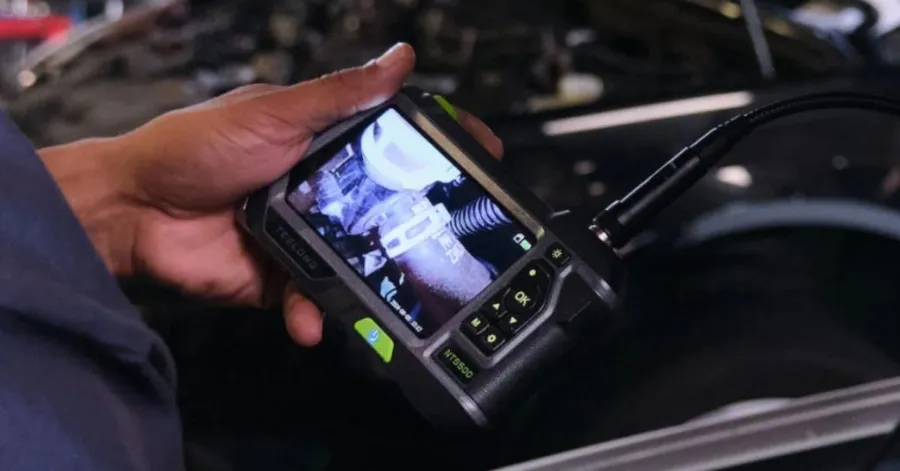
As you can see, inspection cameras are incredibly helpful in numerous works such as plumbing, car repair, and industrial work. The VEVOR has an effective triple-lens inspection camera with clear images and simple viewing. Other models, such as the DEPSTECH DS520, have a split screen which enables you to view two angles simultaneously. DJI Zenmuse P1 offers high-resolution images with a full-frame sensor, covering large spaces. When selecting the most suitable inspection camera, make a consistent comparison of features and choose a camera that suits your work and budget.
Key Features to Look For in the Best Inspection Camera Model
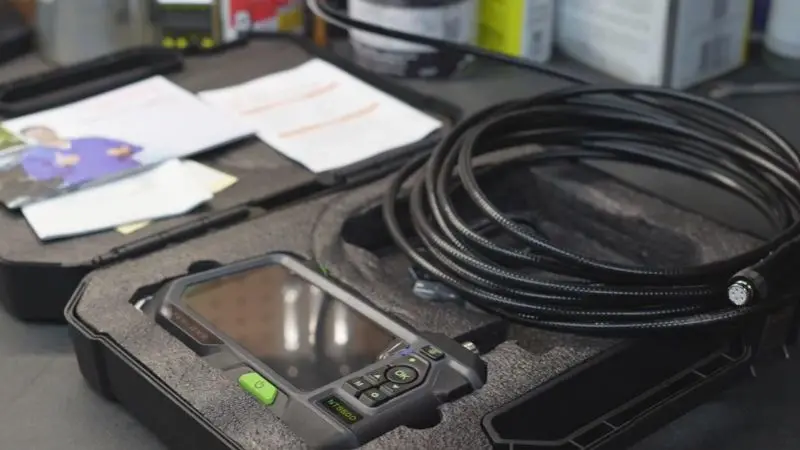
When choosing a triple-lens inspection camera, you ought to pay attention to the features that directly impact actual working performance. The quality of the images, the probe the device will be used with, the lighting, the connectivity, the durability, and the price determine the device’s usefulness under various circumstances. Regardless of whether you are working in plumbing, automotive repair, or even industrial inspection, knowledge of these points will help you select a reliable and practical model that meets your requirements.
How Image Quality and Focus Affect Inspection Results
The most significant factor is image quality, as it determines how clearly you can see the inside of pipes, engines, or machinery. A high-resolution triple-lens borescope camera enhances visibility by providing multiple viewing angles without rotating the probe. Higher resolutions aid in identifying small cracks, leaks, or other damage more easily. Focus can also be adjusted to change to closer and farther objects. Clearer images will always make the inspection results more accurate and decrease the probability of missing issues.
Why Probe Size, Length, and Lighting Matter
The probe’s size and length determine whether the camera can easily access small or deep spaces. The deep pipes and industrial systems are best served by long probes, whereas smaller areas, such as engines, can be served by shorter ones. Flexibility is also essential, as it helps the probe move easily around bends. Lighting is also critical, as most of the places of the inspection are dark. The adjustable LED lights enhance visibility and allow you to view details in pipes, machines, and concealed structures, particularly when you have a waterproof triple-lens inspection camera to examine pipes in wet conditions.
Understanding Wired and Wireless Connectivity Options
Connectivity influences the way you perceive and manage inspection outcomes. Connections made with wire tend to provide stable, uninterrupted video, which is very handy for detailed inspection work. Wireless solutions enable greater mobility and flexibility, particularly in expansive or inaccessible spaces. Others are highly developed systems that are related to mobile devices to make it easier to view and capture. An industrial triple lens endoscope camera with a screen is usually desired in the workplace to provide stable and clear viewing during difficult inspections.
How Durability and Price Influence Your Decision
Durability is important because inspection cameras are frequently used in harsh conditions, such as construction sites, plumbing systems, and industrial machinery. A robust construction guarantees that the device is able to resist water, dust, and impact in the long run. Price is also a significant factor in decision-making. Simple models are cheaper to buy due to their simplicity, whereas complex models are expensive but offer higher performance and durability. Triple-lens inspection cameras in plumbing are generally selected for durability, reach, and waterproof covers, whereas those in the automotive industry are selected for small size and the ability to fit in engine bays.
Top Triple Lens Inspection Camera Reviews
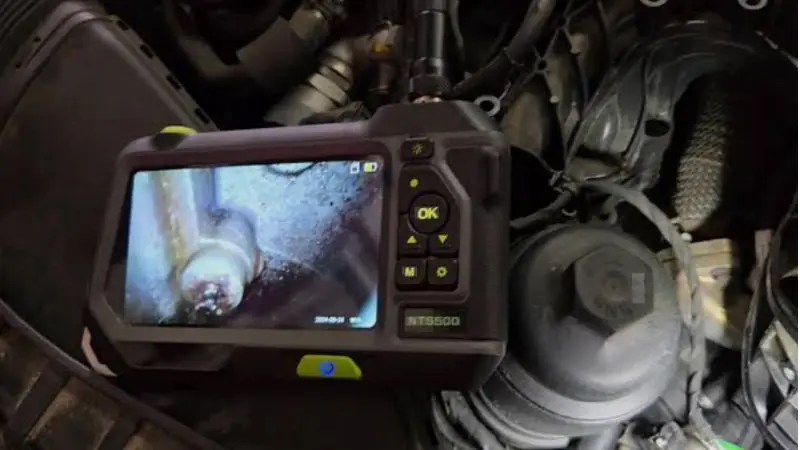
Triple-lens inspection cameras are common in plumbing, automotive, and industrial inspection applications because they provide multiple viewing angles without moving the probe. The tools are used to inspect tight and concealed places more effectively and more precisely. The following are seven trusted models that are used in various professional and domestic uses.
VEVOR Triple Lens Inspection Camera Review
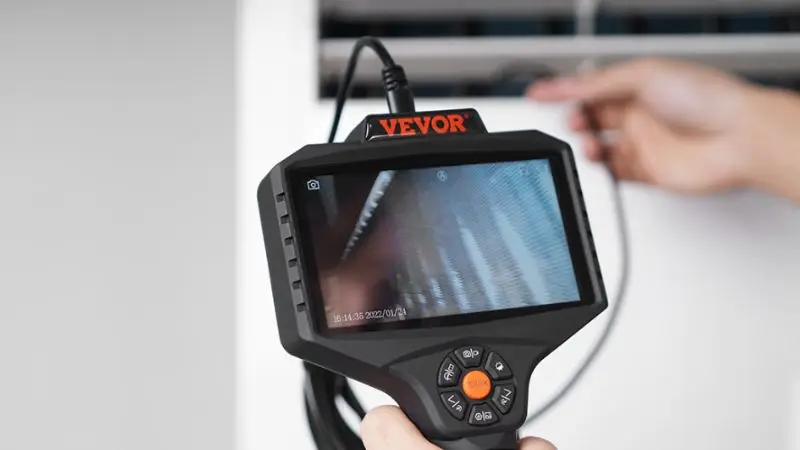
The VEVOR triple lens inspection camera is aimed at users with the requirement of reliable performance for plumbing, automotive, and industrial inspection work. It has a three-lens inspection camera system that allows switching between front and side images without moving the probe. Its waterproof construction renders it appropriate for inspecting pipes, whereas the screen offers good images in various lighting conditions. It is also good as a high-resolution triple-lens borescope camera for detailed inspection work in tight or wet areas.
Pros:
- Triple lens system
- Waterproof design
- Clear display
Cons:
- Bulky design
Coantec C40 Review
Coantec C40 is an industrial-quality inspection tool designed to work in industrial settings where durability and deep access are needed. It has a triple lens inspection camera that allows it to switch the viewing angles in a stable manner. The long probe helps penetrate deep into machines, motors, and factory machinery. It also has bright lighting in the dark inspection areas. This is usually a triple lens endoscope camera with a screen that is used by industry, as it is heavy-duty maintenance and repair equipment that needs precise visual examination.
Pros:
- Industrial-grade build
- Long probe reach
- Strong lighting system
Cons:
- High cost
- Heavy structure
- Less flexible probe
DEPSTECH DS520 Review
DEPSTECH DS520 is a useful inspection camera that is used in homes and cars. It is a three-lens inspection camera used in automotive applications where the user is able to examine engines, wiring, and tight mechanical spaces with ease. The split-screen technology allows viewing two angles simultaneously, enhancing the effectiveness of inspection. It is easy to use and is lightweight, thus suitable for beginners. Although it is not intended for industrial use, it offers simple visuals for daily repair and maintenance tasks.
Pros:
- Split-screen view
- Lightweight design
- Easy to use
Cons:
- Limited reach
- Not industrial-grade
- Basic durability
DJI Zenmuse P1 Review
The DJI Zenmuse P1 is not a probe-based inspection tool, but an aerial inspection and mapping tool. It has a full-frame sensor that captures high-resolution images on drones; thus, it is applicable for surveying, construction, and inspection of large areas. It offers a great view of an image when exposed to an outdoor setting, where it has to cover a large area. The camera is not a conventional inspection camera but provides high-performance visual data for large-scale projects when professional aerial inspection is required.
Pros:
- High-resolution imaging
- Aerial coverage
- Fast data capture
Cons:
- Expensive system
- Requires drone setup
- Not to be very closely examined.
Bosch Universal Inspect Review
The Bosch Universal Inspect is a small inspection device that is intended to be used at home and for light mechanical applications. It has simple functionality and easy-to-read graphics, which allow it to be used for simple inspections, such as walls, pipes, and small mechanical components. It is simple to use and best suited to beginners who require fast results of inspection without technical knowledge. Although it lacks sophisticated industrial capabilities, it offers reliable, everyday household checking.
Pros:
- Simple operation
- Compact design
- Good for home use
Cons:
- Limited features
- Short cable length
- Not industrial-grade
RIDGID SeeSnake Micro Inspection Camera Review
RIDGID SeeSnake Micro is an inspection camera used in plumbing and drainage systems and is of professional level. It is an effective waterproof triple-lens inspection camera for pipes that provides clear images in wet and narrow areas. Its rough design guarantees a long-term durability of a hard-working place. It is also popular among professionals who require the stability of performance in pipe inspection activities. In spite of the high cost, it offers high reliability in industrial and plumbing use.
Pros:
- Highly durable
- Waterproof system
- Strong pipe inspection
Cons:
- High price
- Bulky design
- Limited versatility
Teslong NTG100 Triple Lens Endoscope Review
The Teslong NTG100 is a general inspection tool that can be used with automotive, plumbing, and general maintenance jobs. It is a high-resolution triple lens borescope camera providing good images of engines, pipes, and machinery. The triple-lens system enables greater angular coverage without frequent repositioning. It caters to those users who require flexibility and high-quality images at an affordable cost. Not exactly industrial grade, it offers good performance in daily inspection duties.
Pros:
- High-resolution imaging
- Triple lens flexibility
- Affordable price
Cons:
- Not industrial-grade
- Limited advanced features
- Stiff cable
Best Inspection Camera Models for Different Uses
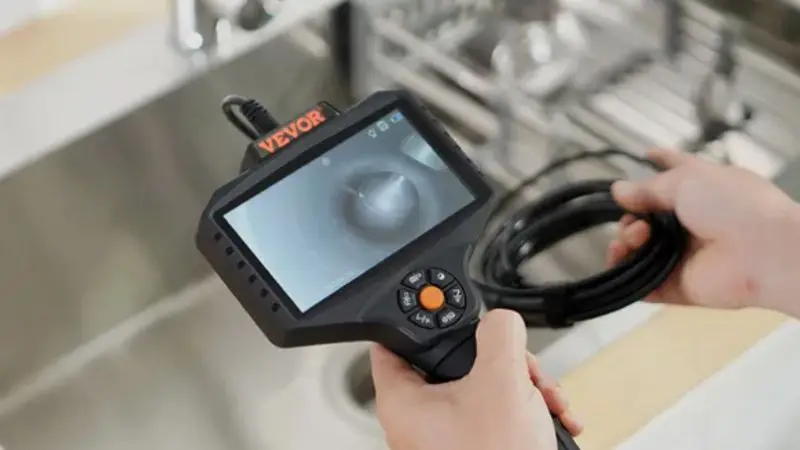
Various inspection tasks require different tools; depending on where and how you intend to use them, it is important to select the appropriate model. Others are hardy industrial cameras, while others are at-home, automotive, or cost-effective. Below is a balanced list of VEVOR and other reliable models to help you find the right inspection camera for the job.
Industrial Applications
Industrial settings require high-powered, robust machinery capable of withstanding heat, dust, and deep inspection. Coantec C40 is among the most effective solutions to this aim since it provides a long probe and steady imaging capability. The VEVOR triple-lens inspection camera is also an efficient device for use in light industrial operations where waterproofing and flexibility in viewing are required. Such models are useful in enhancing accuracy in checking machines, factory systems, and pipelines in harsh environments.
Plumbing & Pipe Inspection
Plumbing must be done with a camera that is easy to maneuver through narrow, wet pipe systems, yet provides clear images. RIDGID SeeSnake Micro is the product that is intended to be used in the inspection of pipes and drains on the professional level. Another powerful light is the VEVOR waterproof triple-lens pipe inspection camera, which is suitable for both home and field use. The Coantec C40 has also been utilized in more in-depth pipe inspections in which access and visibility of the pipe are critical to locate blockages or leaks.
@small.engine.repa Drain camera #sewer #plumbing #drain #stinkpipe #camera
♬ original sound – small engine repair shop
Automotive Diagnostics
Automotive inspection requires tools that fit easily into tight engine compartments. DEPSTECH DS520 is a popular triple-lens inspection camera for automotive applications, offering multiple viewing fields and a split-screen display to enhance efficiency. The Teslong NTG100 is another good choice for mechanics who require sharper, high-resolution images. VEVOR can also be used to perform general vehicle inspection tasks that require multi-angle observation and longevity.
Home & DIY Projects
Simple, easy-to-use, and lightweight inspection tools are preferred by home users. DEPSTECH DS520 is a well-liked model used to check the walls, sinks, and household appliances. Another variant of basic work is the Bosch Universal Inspect, which prioritizes job simplicity over sophisticated features. VEVOR triple-lens inspection camera can also be used by homeowners who may wish to have a more durable and flexible inspection camera for plumbing or inspecting hidden areas, without having to migrate to industrial-level tools.
Budget-Friendly Choice
The DEPSTECH DS520 is an excellent alternative to those users who want to enjoy triple lens vision, split-screen, and good image quality at a lower price. The VEVOR triple lens inspection camera is also a mid-range system that is more durable and waterproof. Both of these models would be appropriate for simple inspection and provide a reasonable price-performance balance without the need to invest in costly industrial equipment.
How to Choose the Right Triple Lens Inspection Camera
The selection of the appropriate inspection camera is based on your intention of using it. Diverse tasks such as plumbing, automotive repair, and industrial inspection demand various features. Your good selection must provide you with clear images, easy manipulation, and good longevity. These are the most crucial factors to consider before purchasing any inspection camera.
Understand Your Use Case Before Buying
The first thing to do before choosing an inspection camera is to determine your primary purpose. When you have to work in cramped rooms at home or do minor repairs, you need a simple, easy-to-operate device. In automotive work, you need a small camera that can be inserted into an engine component. Industrial labor needs a more robust system. Making a selection based on what you actually need to do will help you avoid spending on unnecessary features and make your specific tasks more efficient.
Check Lens System and Viewing Angles
One of the most significant aspects of an inspection camera is the lens system. A triple-lens inspection camera enables you to view the front and side without moving the probe, saving time and enhancing accuracy. The addition of wider viewing angles makes it easier to view hidden or complex areas. An excellent lens system eliminates blind spots and provides a clearer view of what is inside machines, engines, and pipes, particularly.
Focus on Image Resolution and Clarity
The image should be clear enough to identify small cracks, leaks, or other damage. The increased resolution gives a more detailed picture, and the inspection work is more accurate. Image quality may be poor, concealing significant problems and leading to incorrect conclusions. Seek constant clarity even in low-light conditions to be able to operate in dark pipes or narrow areas where natural visibility is poor.
Choose the Right Probe Length and Flexibility
The length of the probe determines the depth of the investigation of an area. Probes with a longer length can be used in deep pipes and industrial systems, and shorter ones in small or narrow areas. Flexibility is also a consideration since it is not easy to bend a rigid probe. This is because a good balance of flexibility and control can help you reach tricky areas without breaking the cable or losing your way when inspecting it.
Look for a Waterproof and Durable Design
If you are in a wet or outdoor area, it is important to have some waterproofing. A waterproof inspection camera will also enable you to inspect the pipes, damp, and drains safely without destroying the device. Durability is also important when it is to be used over a long duration, particularly in industrial or construction applications. A robust construction guarantees that the camera will not break down easily when faced with harsh environments, dust, and can be used on a regular basis.
Check LED Lighting Performance
There is a lot of dark space during most parts of the inspections, hence it requires good lighting in order to be seen clearly. LED lighting is adjustable, allowing you to adjust the brightness to suit the environment. Bright light enhances clarity and minimizes shades within the pipes or engines. Even a good-quality camera can perform poorly without the necessary lighting. Always select a model that has constant and adjustable light settings so that it can be inspected more accurately.
Balance Price and Features
Always buy what you need and not what you want. High-priced models tend to offer greater durability and functionality, whereas low-priced models are specialized for simple inspection work. The option that delivers reliable performance without any unwarranted extravagance is the best one. When making a decision, always compare items such as image quality, durability, and flexibility to ensure you receive the best out of your cash.
Wrap Up
The selection of the appropriate inspection camera is determined by your task, environment, and budget. Industrial users require durability and long reach, and home and automotive users require short and easy-to-use designs. Elements such as image quality, probe flexibility, lighting, and connectivity significantly impact performance. A proper inspection camera enhances accuracy, saves time and effort in discovering concealed problems. From plumbing to vehicle repair, both models serve different purposes. When you know what you need, you will be able to make the most appropriate choice and achieve optimal long-term returns on investing in inspection technology.
FAQ
What is a triple lens inspection camera?
A triple-lens inspection camera employs three lenses. You may alternate views in order to see more angles. This assists you in discovering issues more quickly. You have a better view of the inside of pipes, engines, or walls.
What is your procedure for cleaning the probe?
Hint: Clean the probe with a piece of cloth. Wash with gentle soap and water before storing it dry. Do not work with harsh chemicals.
Are you able to use these cameras on your smartphone?
Yes, the majority of models are connected to your phone or tablet. You can connect via Wi-Fi or cable. This allows you to watch pictures in real-time and store photos or videos.
Are triple-lens cameras used in dark areas?
Yes! These cameras have built-in LED lights. The brightness can be adjusted. This serves to make you see in the dark or in places that are difficult to access.