When choosing an industrial inspection camera, it is necessary to find one that meets your unique needs. Test the characteristics of each industrial inspection camera to see whether it works in your work area. Each industrial inspection camera model has its own benefits, so knowing them will help you make the most appropriate decision. The current technology in industrial inspection cameras offers better images and smarter data. Consider how you plan to use the industrial inspection camera before making a decision. Only by carefully examining the features of each industrial inspection camera will you be able to save money by avoiding mistakes.
Types of Industrial Inspection Cameras
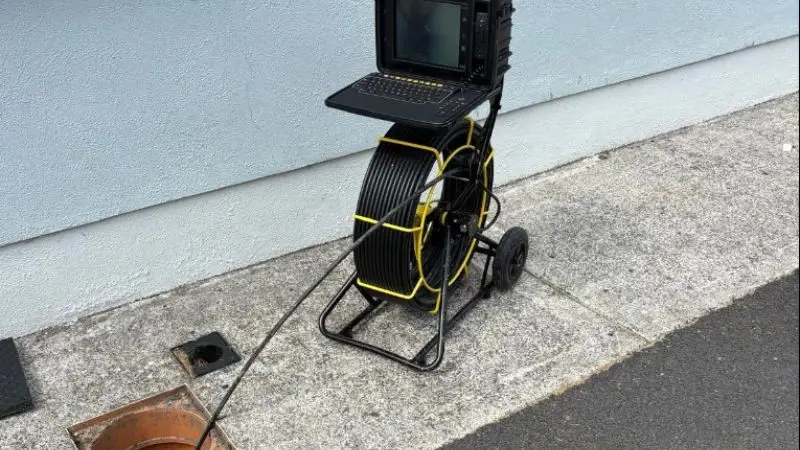
Industrial inspection cameras play a crucial role as tools for inspecting concealed, tight, or inaccessible areas in machines, pipelines, and industrial systems. These cameras aid in the early detection of faults, enhance maintenance efficiency, and minimize downtime in critical operations. There are several inspection cameras suitable for particular environments and inspection requirements, with varying degrees of flexibility, image quality, and sophistication. The predominant types employed in industries are listed below.
Industrial Borescope Inspection Cameras
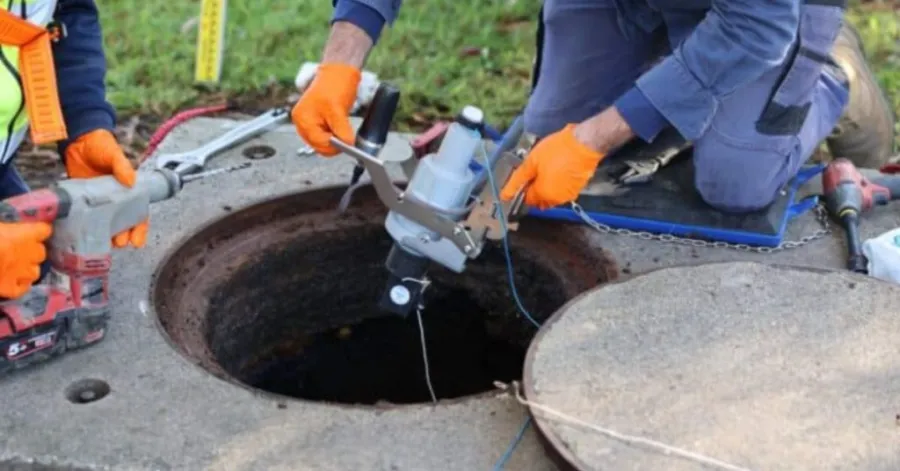
Borescope inspection cameras are commonly used to inspect engines and deep, narrow spaces such as pipelines, turbines, and heavy machinery. They have long, flexible probes that can be inserted through small holes and provide real-time images on a display screen. An industrial borescope camera with high resolution helps obtain clear, detailed images, making it easy to identify cracks, rust, or in-house damage. Most of them also have an industrial inspection camera equipped with LED lights to enhance visibility in dark places.
In harsh environments, a waterproof industrial inspection camera for pipelines can be used, as it is safe to operate in wet or fluid-filled systems. There are also modern models, such as a portable industrial inspection camera with a screen, which can be easily carried and used by the technician on-site. More sophisticated systems can also include a wireless industrial inspection camera system, eliminating cable constraints and enhancing the mobility of inspection.
Endoscope Cameras
Endoscope cameras are tailored to tiny, fine inspection procedures in which accuracy is a consideration. They find application in electronics, medical equipment, and fine mechanical systems. The probes on these cameras are thinner than those of borescopes, which means that they can enter very tight and sensitive areas. The flexible design enables the probe to maneuver easily through narrow tracks without damaging internal components.
Endoscope cameras are perfect when the visual inspection of small areas requires a detailed view. They are frequently employed to perform work that requires close attention to minute details, and even simple irregularities can have an impact. Their ability to access tight spaces is very useful in precision-oriented industries.
@truckintoby 👀 See what your eyes can’t! The VEVOR Endoscope Camera features a triple lens + 1080P screen + 49FT semi-rigid cable for next-level inspections. With 10 LED lights + waterproof IP67 design, it’s perfect for auto repair, plumbing, HVAC, and DIY troubleshooting. Comes with a 32GB card so you’re ready to roll 🚀. #InspectionCamera #MechanicTools #PlumbingLife #ToolTok #tiktokshoprestock @Vevor_US
♬ original sound – TruckinToby✅
Thermal Imaging Cameras
Thermal imaging cameras operate by sensing the heat distributions rather than the visible light. They are employed to detect temperature variations in electrical systems, machinery, pipelines, and building structures. These cameras assist in detecting overheating, energy loss, and insulation issues without touching them. They offer thermal images that can be viewed in real time and make it much easier to detect hidden problems.
In industrial settings, thermal imaging can be used to help perform preventive maintenance by identifying the signs of equipment malfunction. This helps minimize unexpected breakdowns and enhances safety in operations. These cameras are usually employed in conjunction with other inspection tools to improve diagnostic accuracy and overall system monitoring.
3D and Advanced Inspection Cameras
Detailed measurements and digital analysis of surfaces and structures are made with the help of 3D and advanced inspection cameras. They can develop precise digital models that help engineers better understand shapes, angles, and internal conditions. A digital inspection camera system offers better visualization and measurement capabilities of complex industrial work. Such cameras are particularly applicable in industries that are sensitive in terms of accuracy. The sophisticated imaging technology enables users to scan hard surfaces and obtain their structural details. These systems also enable detailed inspection through improved software integration and assist professionals in making more accurate assessments and better maintenance decisions in industrial settings.
Key Factors for Choosing an Industrial Inspection Camera
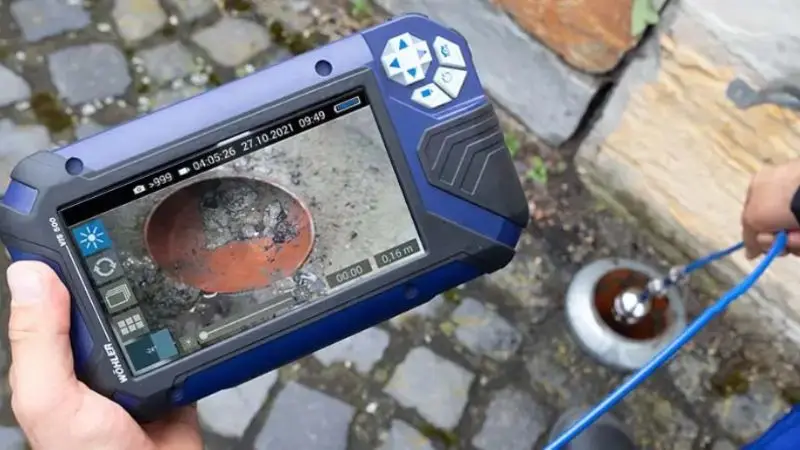
Selecting an inspection camera is crucial to achieving the right results in industrial work. Various cameras have varying degrees of clarity, durability, and performance; therefore, choosing the appropriate camera will depend on your inspection of the surroundings and objectives. With a good selection, you will identify problems at an early stage, enhance quality checks, and gather useful data for analysis. The following are factors to consider when choosing a camera for inspection work.
Image Clarity and Sensor Quality
Image clarity is significant for detecting small defects in machines, pipes, or electronic systems. The high-resolution industrial borescope camera features will allow you to view cracks, rust, or damage more easily. Enhanced sensors enhance the light and detail captured by the camera, particularly in low-light or intricate conditions. There are sensors that perform well in low-light conditions, and others that specialize in sharpness and color accuracy. The correct combination of resolution and sensor type will guarantee stable visuals, accurate inspection results, and better decision-making when working on maintenance.
Lighting Performance and Camera Strength
Visiting dark or small areas with a low level of visibility may demand specific light. The lights on an inspection camera will make it easier to view since they will light up the inspection area. Bright lights make it easy to detect damage on the surface and internal issues. It also has to last long in the tough environment of an industrial environment, such as dust, heat, and water. The camera has a good body, which ensures durability. A pipeline inspection camera that is waterproof and industrial grade will especially come quite in handy in the harsh conditions that require it to be used in the field, as water or even foul conditions will not damage or reduce its performance.
Connectivity Options and Software Use
Connections allow the inspection data to be transferred to the computers or systems, where they are analyzed quickly. The use of an inspection camera system using wireless industrial devices enables an individual to move freely, and the system is not limited by the use of cables, which boosts work efficiency. Other types of cameras have wired data transfers. Software can be used to arrange pictures as well as analyze defects and improve the accuracy of the inspections. An inspection camera with a screen is also available in a portable form and allows users to see the results in the field. The good connectivity and software combination allow faster, better-organized, more efficient inspections of industries.
Price and Overall Value
One factor to consider when purchasing an inspection camera is cost, but it should not be overlooked in terms of features and performance. The cheaper cameras may have poor quality images and lack features, compared to the more expensive ones that may provide better quality, durability, and features. This will have a good camera that will check the inspection right and conserve more in terms of maintenance in the long term. In selecting a camera, you want to consider the right one based on your needs to inspect, and not just on cost. A balanced alternative ensures improved performance, enhanced data collection, and reliability in industrial inspection activities.
New Technologies in Industrial Inspection Cameras
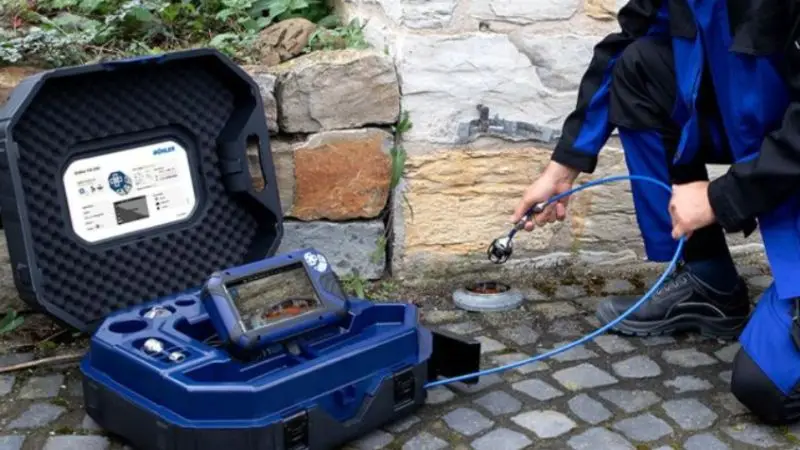
Innovations are improving the industrial inspection cameras to be more precise, quicker, and easier to use. Modern systems are developed further than primitive visual inspections. They have now incorporated smarts, wireless connectivity, and advanced imaging technology that could help industries discover problems earlier and more productively. The improvements also make inspections safer, faster, and more reliable in complicated industrial environments.
AI-Based Defect Detection and Smart Features
Modern cameras also use artificial intelligence to detect defects. Through an industrial inspection camera and AI, a system can be taught what a typical part should imply, and find any change that is not normal in a short period of time. This spares the manual validation process of every image. The smart features may as well be used to sort and highlight areas that need attention. In advanced systems, a high-resolution industrial borescope camera and AI increase accuracy by capturing detailed images and analyzing them in real time. These systems reduce time and decrease errors by human beings, and improve decision-making during the quality checks in manufacturing sectors.
Wireless Connectivity and Remote Monitoring
Wireless technology allows inspection cameras to deliver live images and video to phones, tablets, or computers without cables. The wireless industrial inspection camera system is one that allows ease of inspection of remote or hazardous areas without necessarily being near the area. This makes movements easier and time-saving in the industrial arrangement. It also helps teams to obtain real-time images of the team of specialists, who are not physically present in the team. A portable inspection industrial camera with a built-in screen can be used in large industrial establishments, where the technicians can easily view the outcomes on site. Wireless systems should be used in complex work environments to promote cooperation, speed, and security during inspection operations.
Advanced Imaging and 3D Visualization Technology
Advanced imaging technology helps inspection cameras to provide superior data on high-quality video and significant data compared to conventional views. A borescope camera may offer high resolution, and current imaging equipment can help reveal hidden defects in greater detail. There are systems that use 3D imaging to measure shapes, dimensions, and surface structures with high accuracy. Thermal imaging is a method used to detect variations in heat that may indicate a defect.
An advanced industrial camera for pipeline inspection that is waterproof and offers high-quality imaging is particularly relevant in rough environments. The technologies assist engineers in gaining deeper insights into complex conditions and making better-informed decisions regarding maintenance and repair, leveraging detailed visual and analytical information.
How to Choose the Right Industrial Inspection Camera for Different Applications
When you have a precise match of the tool to the job, it becomes a lot easier to choose an industrial inspection camera. The working conditions, the depth of inspections, and the safety requirements in each industry vary. This is why it is more crucial to choose the appropriate features than to simply choose a general-purpose device. The following is an easy guide to selecting the appropriate camera for various industrial requirements.
Best Camera Choice for Factory and Manufacturing Inspections
A camera should be able to inspect machine parts without completely disassembling them in a manufacturing setting. The reason a high-resolution industrial borescope camera is the best choice is that it clearly displays cracks, rust, and surface wear that are found within equipment. Bendable probes are valuable for accessing tight or curved places within the machine.
Bright lights are used in dark interiors where the visibility is poor. A handheld industrial inspection camera with a display is also highly beneficial as it gives the workers the opportunity to see the outcomes immediately at the workplace. All of these can be used to enhance machine maintenance, reduce unplanned failures, and support routine quality checks in manufacturing systems.
Best Camera Choice for Oil, Gas, and Pipeline Inspections
Cameras to be used in oil, gas, and utility work must be capable of withstanding harsh and dangerous conditions. An industrial inspection camera that is waterproof and can operate in wet, dusty, or high-pressure environments is vital for safe operation. Wireless systems can be used in the inspection of a long pipeline or any other part that is difficult to access with cables.
Thermal imaging is also significant, as it is used to reveal leaks, overheating, or pressure problems before they become serious concerns. Durable, remote-capable cameras will ensure safer inspections, reduced risk for personnel, and more effective monitoring of critical infrastructure systems.
Best Camera Choice for Automotive and Aerospace Inspections
Aerospace and automotive inspections demand an extremely high level of accuracy and internal inspection. A high-resolution industrial borescope camera is used to inspect engines, fuel lines, and complex mechanical systems without disassembly. The use of 3D imaging tools can be used to quantify the extent of damage and internal structures more accurately.
These functionalities can be used in maintenance monitoring and maintenance scheduling. A wireless industrial inspection camera system also enhances workflow, as real-time data sharing among teams is possible. Such sophisticated technologies enhance safety, reliability, and performance in cars and aircraft by enabling accurate, efficient internal inspections.
Mistakes to Avoid When Choosing an Industrial Inspection Camera
Selecting the wrong inspection camera may result in poor outcomes, financial losses, and missed defects. Most users only consider price or looks, but do not know what they really need to inspect. An effective camera must be compatible with the workplace and necessary software and deliver high-quality images. Preventing typical errors helps ensure improved performance, precise inspections, and long-term value.
Ignoring Real Inspection Requirements
A common error is failing to harmonize the camera with the actual inspection activity. The various jobs require various qualities, including flexibility, durability, or high clarity. The high-resolution industrial borescope camera is better suited to detecting cracks or internal damage, whereas other tools may be better suited to open or large spaces. The environment is also a consideration, particularly in wet, dusty, or tight spaces. The waterproof industrial inspection camera for pipelines comes in handy when conditions are harsh and a normal camera might fail. Being aware of what is needed for the job will help you select a camera that delivers precise results and performance under actual working conditions.
Not Checking Software and System Compatibility
The other pitfall is not considering whether the camera is compatible with your current software or systems. Even a quality camera may no longer be used if it fails to establish a connection or transfer data. A wireless industrial inspection camera system is usually the choice of most as they are easy to share data and access remotely. Software compatibility is significant for systematizing images, identifying flaws, and securely preserving inspection data. There are also some that have smart features such as automated analysis, which enhances efficiency. Never leave the camera out of place among your tools, as you may lose vital inspection data or delay your workflow.
Choosing Based Only on Low Price
A price-focused mentality may lead to low-quality outcomes and future issues. Cheap cameras might not be well-focused, durable, or equipped with the sophisticated features required for precise inspection. A screen-based or high-level portable industrial inspection camera is possibly more expensive but is more reliable and better performing. Low-quality devices cannot withstand extreme conditions or produce clear images, and defects are often overlooked. A more well-constructed wireless industrial inspection camera system may be longer-lasting and more predictable. It is more appropriate to strike a balance between cost and features to ensure reliable results and to prevent paying more to repair or replace the product in the future.
Wrap-Up
The choice in the type of industrial inspection camera is all about the compatibility of features with your work needs. The right camera will help, whether you are in the manufacturing, oil and gas, or automotive industries, by enhancing inspection accuracy and reducing downtime. The factors that are important in performance are high-resolution imaging, durability, lighting, and connectivity.
Higher features, such as wireless systems and thermal imaging, are convenient and safe in the process of inspections. With the knowledge of what you want to use your camera for and what mistakes should be avoided, you can decide on a camera that will give you reliable results. A well-chosen inspection camera will enhance efficiency, safety, and maintenance planning in industrial activities over the long term.
FAQ
How is a borescope different from an endoscope camera?
A borescope camera is applicable in larger areas. You apply it to such things as pipes or engines. A smaller, slimmer endoscope camera is designed to fit into smaller areas. The size of the area you have to check selects the one you pick.
How important is camera resolution for inspections?
A high resolution will enable you to view minute cracks or issues. In case the camera is of low resolution, then details may be missed. Never purchase a camera without first checking its resolution.
Is it possible to use a single camera to do all inspection tasks?
Not all jobs should be done with the same camera. There are various types of cameras required for different inspection jobs. Select a camera that suits what you want to check.
Do I require any special software in my inspection camera?
With good software, one is able to sort pictures and locate problems with ease. Certain cameras come with their own software. Always ensure that the camera is compatible with your computer or system.