To keep municipal sewer systems working and reliable, they need routine inspections. Underground pipes can be clogged, cracked, suffer from root intrusion, and corrosion, among other issues that are hard to spot above ground. How do municipalities inspect sewer pipes? As a practical solution, sewer camera inspection lets crews inspect the inside of pipes without digging unnecessary trenches. A specialized camera captures live footage, letting crews find defects and assess pipe condition. This process helps local governments understand their sewer systems and make informed maintenance decisions.
Whether it’s choosing the right tools or interpreting inspection data, a systematic process can improve efficiency, minimize disruption, and support long-term sewer system management. Regular inspections can also help municipalities solve problems early, before they escalate into expensive failures.
Table of Contents
What Equipment Is Needed for Municipal Sewer Inspection?
Municipal sewer inspection requires specific equipment to inspect underground pipes and pinpoint issues accurately. The right equipment depends on pipe size, inspection distance, access points, and sewer condition.
Recommended For Your Project
With modern inspection tools, crews can inspect pipes from the inside without first cutting into roads or other public spaces. Together, these tools can make municipal sewer inspection more efficient and help answer the question, “How does sewer camera inspection work for municipalities?”
Sewer Inspection Camera
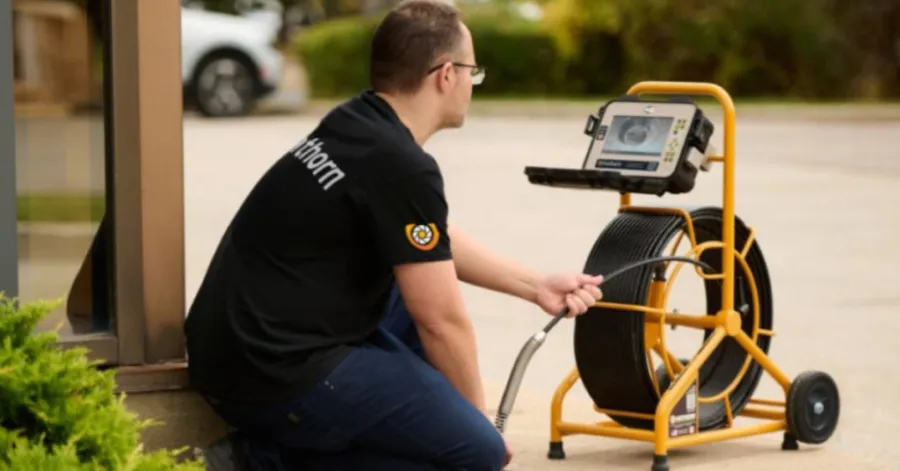
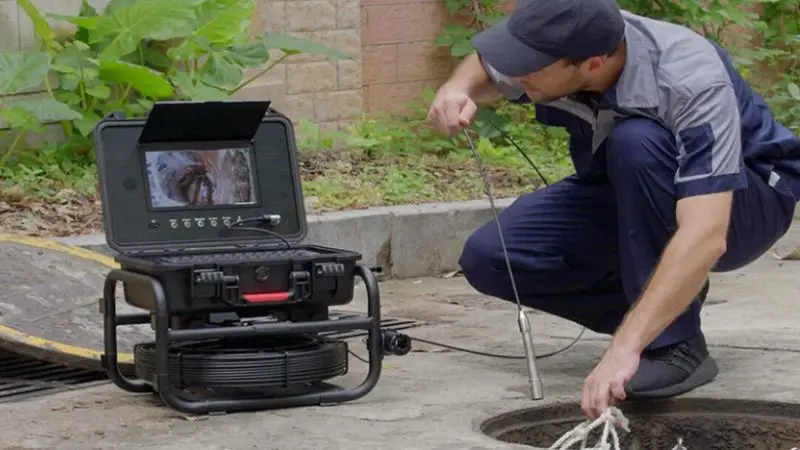
The main sewer inspection tool used to view the inside of underground sewer pipes is a sewer inspection camera. It typically includes a waterproof camera head, built-in lights, and a high-quality lens that takes clear photos in low-light and wet environments. Crews insert the camera into the sewer line and move it through while live video streams to an above-ground monitor.
The footage helps crews locate blockages, cracks, broken pipes, root intrusion, corrosion, and other issues. This visual data helps maintenance personnel assess the sewer system’s health and determine whether cleaning, repair, or replacement is necessary. This makes cameras a focal point of sewer camera inspection for municipalities.
Camera Reel and Push Rod
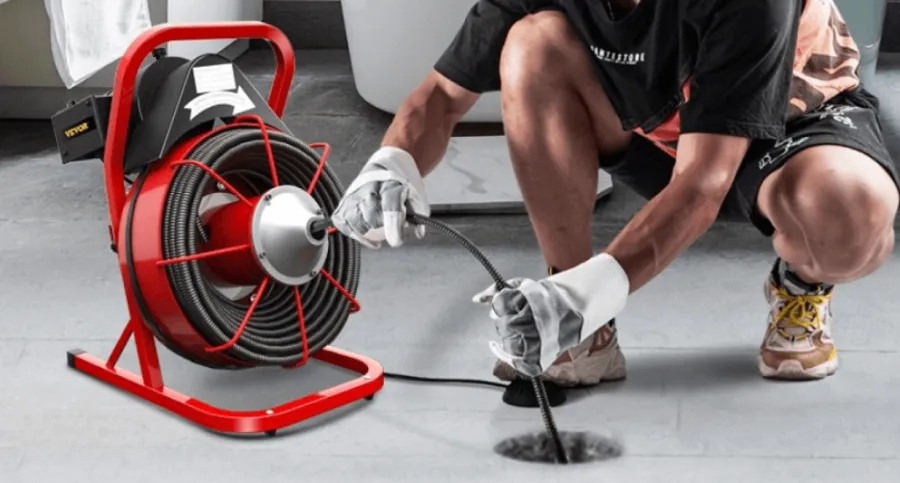
An inspection camera can be moved in accessible sewer pipes using a camera reel and a push rod. A flexible push rod connects the camera to the reel and enables the operator to steer the camera through the pipe. The reel ensures that the correct amount of cable is released from the cable machine and helps to organize the equipment during inspection. Push-rod systems are generally valuable for smaller sewer lines and shorter distances where a motorized camera tractor isn’t needed.
How does sewer camera inspection work for municipalities? The camera travels through the pipe as images are transmitted to the inspection monitor for viewing and recording. This helps municipalities inspect pipes and lets crews examine a specific section of pipe without unnecessary excavation.
Sonde and Locator
As a camera moves through a sewer pipe, a sonde and locator can determine the camera’s location in the sewer. The sonde is a small transmitter attached to the camera, and the locator receives the transmitter’s signal from the surface. Sewer camera inspection benefits municipalities by helping crews find the camera and its depth below the surface.
Knowing the exact location of a defect can be especially helpful when a municipality must repair or replace a damaged section. Rather than digging a large area to find the issue, crews can locate the problem area where the camera identified the defect and focus there. This improves sewer-line inspection and makes maintenance more accurate.
Inspection Monitor and Recording System
An inspection monitor lets the operator view live video footage from the sewer camera as it travels through the pipe. The recording system can store this footage for maintenance crews to review after the inspection and to document pipe conditions. Video can reveal blockages, cracks, root intrusion, corrosion, broken or leaking joints, and other structural issues. This point explains how sewer camera inspection works for municipalities.
Municipalities can use these records to compare pipe conditions over time and inform decisions on cleaning, rehabilitation, repair, or replacement. They also help maintain inspection records, which can be valuable for managing infrastructure and future appraisals.
Tractor-Mounted CCTV Camera Systems
Tractor-mounted CCTV camera systems are designed to inspect larger sewer pipes and longer underground sections. The camera is mounted on a motorized tractor, which is pushed through the pipe, while an operator controls the tractor remotely from the surface. These systems can travel long distances and provide detailed video of large municipal sewer lines.
They are especially effective at major collection systems and pipes too large and/or too long for a basic push camera setup. The captured video can identify internal pipeline blockages and help users pinpoint the issue. This equipment can increase the value of sewer camera inspections for municipalities by enabling efficient, accurate evaluation of more sewer infrastructure.
How to Use a Sewer Camera for Municipal Sewer Systems
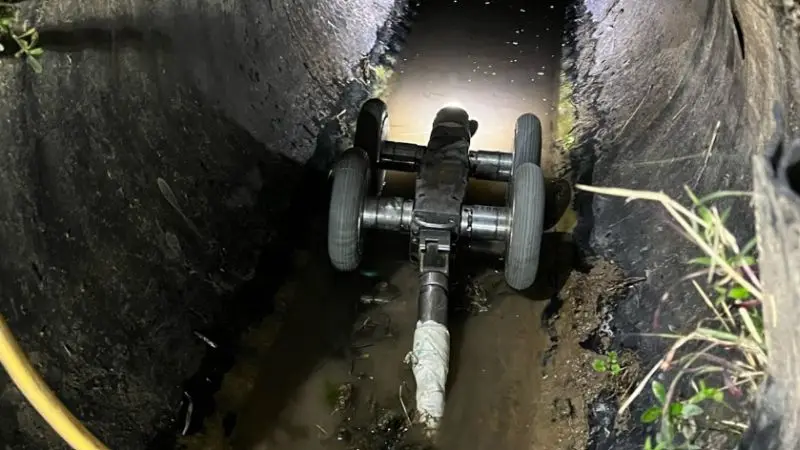
Proper planning, equipment, and a systematic inspection process are needed in sewer camera use. Municipal crews must know the sewer system and which camera system will work for the pipeline. A systematic method enables crews to take clear footage and to pinpoint issues accurately. It also improves the effectiveness of sewer camera inspections by providing consistent records that can support maintenance and repairs.
Plan the Sewer Inspection
Before the inspection, municipal crews need to review existing sewer maps, pipeline records, access points, and previous inspection reports. This information helps crews evaluate which portion of the sewer system to inspect and what equipment may be needed. Crews should also determine the pipe’s size, length, material, and internal condition.
Planning the inspection route helps keep the work organized and avoids unnecessary delays. It is also useful to determine if a push camera or tractor-mounted camera is needed for sewer CCTV inspection for local governments. When performing sewer camera inspections, planning matters for municipalities because it helps crews understand the pipeline and associated infrastructure before the inspection.
Choose the Right Camera and Equipment
The type of inspection equipment depends on the sewer pipe’s size, length, and accessibility. Small diameter lines may be inspected using a push camera and flexible reel; larger municipal lines may require a tractor-mounted CCTV system. Lighting, monitors, recording equipment, and a sonde with a locator may also be required to locate underground defects accurately.
How do cities inspect sewer lines? The camera should be wet- and dark-rated and able to capture clear images during the inspection. The right equipment helps crews capture useful photos and reduces the likelihood of missed defects. Equipment selection is a key part of the methodology municipalities use to survey sewer pipes across various segments of a municipal sewer system.
Access the Sewer Line Safely
Municipal sewer inspections may involve access through a maintenance hole, maintenance opening, or other access portals. Crews should take precautions and survey the area before opening or entering. Sewer lines may contain toxic gases, contaminated wastewater, and other hazards, so inspection personnel should have proper safety equipment and follow local regulations.
In many instances, the camera itself can be controlled from outside the pipe, eliminating the need for individuals to enter the sewer. Safe access not only protects the equipment but also prevents damage to neighboring infrastructure. Preparation for the municipal Sewer inspection is a valuable part of the process and supports efficient work by inspection staff.
Insert the Sewer Camera
After crews set up the access point and equipment, they can insert the sewer camera at the start of the area to be inspected. Insert the camera properly to avoid damaging the camera head, cable, or pipe. Using the monitor, the operator can confirm the camera is sending sharp images before proceeding further down the line.
Center the camera as much as possible to provide a clear view of the pipe walls and joints. Depending on the equipment, crews can push the camera by hand or with a motorized tractor. This controlled method lets crews start sewer CCTV inspections for local governments without losing the visual record of the pipeline.
Move the Camera Through the Pipeline
Once the camera is in place, the operator slowly advances it through the sewer line while viewing the live feed. A controlled speed helps the camera capture clearer images of pipe walls and makes the municipal sewer inspection process simpler. Operators must watch for pipe condition and stop when they encounter major blockages, cracks, root intrusions, or other abnormalities.
When needed, the operator can change the camera’s direction or movement before continuing. An ongoing inspection program helps crews become familiar with how cities inspect sewer lines and provides more accurate information about the condition of each section inspected.
Monitor and Record Pipeline Conditions
The camera moves through the pipeline, bringing video of the sewer interior to the inspection monitor. The operator can view and document conditions such as sediment buildup, cracks, broken sections, root intrusion, corrosion, separated joints, and obstructions. The footage can be recorded as a visual record and reviewed after the inspection.
The crew can also record the camera location and make any relevant observations during the inspection. As long as they are recorded consistently, pipeline conditions will be easier to compare during future inspections. It also increases the value of sewer camera inspection for municipalities by providing documentation for maintenance planning, rehabilitation projects, and infrastructure management.
Locate Defects and Problem Areas
If the camera detects a defect, distance readings and, if available, a sonde and locator are used to calculate the defect’s approximate location. The camera can be stopped near the defect zone to take close-up shots and determine the defect type. This precise location helps maintenance teams decide whether cleaning, repair, rehabilitation, or replacement is needed.
It can also help minimize unnecessary excavation, as crews have a clearer understanding of the problem’s location. One reason municipalities use camera-based inspections to assess underground infrastructure and plan future maintenance work is to get the information right.
Document and Organize Inspection Findings
Once the inspection is complete, the crew should compile the video, observations, defect locations, and other information into a logical inspection record. This could include the pipe area inspected, the inspection date, observed defects, measurements, and the inspection video footage. Organized records allow municipal maintenance teams to review pipeline conditions more efficiently and prioritize future work.
They can also help compare the same sewer line if it is inspected again. Good records support long-term infrastructure maintenance and improve the municipal sewer inspection process. With proper documentation, collected data can support maintenance planning and repair decisions, as well as future sewer assessments.
How Municipalities Analyze Sewer Camera Inspection Results
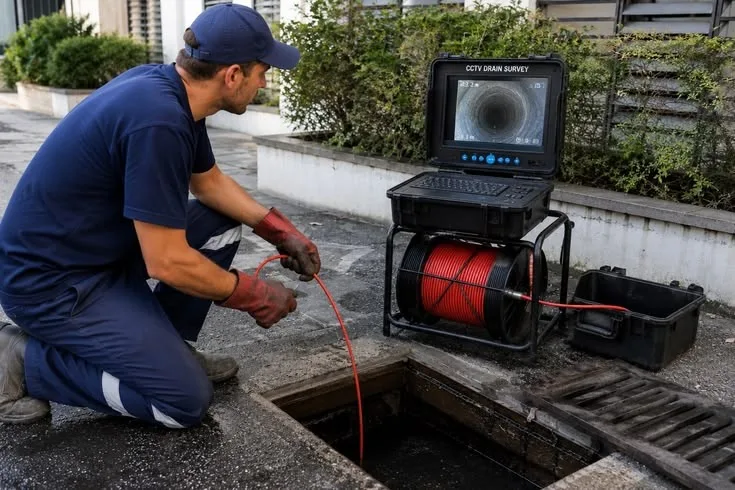
Once the sewer camera inspection is finished, crews should meticulously analyze the footage. Municipal crews review the video to assess the condition of the underground pipe and determine whether any areas need maintenance.
The inspection results may indicate structural issues, clogs, root intrusion, corrosion, and more. For municipalities, reviewing this information is critical because it supports maintenance team decisions on repairs, rehabilitation, and future inspections as part of the sewer camera inspection.
Identify Common Sewer Line Defects
Municipal crews review common sewer pipe defects using inspection footage. These can range from cracks and fractures to broken sections and open joints, as well as root intrusion, corrosion, sedimentation, and other easily seen issues. Recorded footage can be paused or replayed to review areas of concern in greater detail and determine whether a defect needs further investigation.
Early detection can help municipalities address growing problems before they escalate into backups, leaks, or pipe failures. This process also clarifies how municipalities inspect sewer pipes and evaluate underground infrastructure. Defect identification is consistently performed to develop reliable inspection records, allowing comparison with previous and future assessments of the same sewer line.
Assess Pipe Structural Conditions
Inspection footage can assess the general structural condition of municipal sewer pipes. Crews inspect pipe walls, joints, connections, and other parts of the pipe for deterioration or damage. They may look for signs of deformation, corrosion, cracks, fractures, and separated joints, among other issues that could impair the pipe’s ability to function. The results can be used to decide whether a section of the sewer is still serviceable or needs rehabilitation or replacement.
Structural condition assessment is a critical part of the municipal sewer inspection process because it provides information that supports long-term infrastructure planning. Municipalities can use tangible inspection evidence to more accurately determine a pipeline’s condition, rather than relying solely on its age.
Determine Blockage Locations
CCTV (Camera) can locate blockages and obstructions within the sewer line. It can identify grease, sediment, debris, foreign objects, root growth, or other materials in the pipe that slow wastewater flow. Camera distance measurements and location equipment can determine the approximate location of a blockage.
By identifying the location, maintenance personnel can focus cleaning or removal efforts on the impacted area instead of cleaning a larger area. One practical advantage of sewer camera inspection for municipalities is its usefulness when dealing with recurring backups or slow flows. With the precise location of the blockage also comes the ability for crews to pre-plan future inspections to see if other structural issues are causing blockages to repeat.
Measure Damage and Deterioration
City staff can use the inspection footage and recorded measurements to determine the level of visible damage or deterioration of pipes. Crews can record the location, size, and nature of cracks, breaks, corrosion, root intrusion, joint issues, etc. This information can help distinguish minor problems from those that may be more pressing. Inspection records and measurements over time can also indicate if deterioration is occurring.
To understand the value of documented measurements and visual evidence for infrastructure management, it is important to understand how the sewer camera inspection process works for municipalities. Inspection results help maintenance personnel understand the condition of each sewer segment and schedule necessary maintenance activities, rather than basing decisions on assumptions.
Prioritize Sewer Repairs
Once municipalities have inspection results, they can use them to prioritize which sewer sections to address. Pipes with extensive root intrusion, severe blockages, or serious structural damage may be prioritized over pipes with less serious damage. Repair-priority criteria may also include pipe location, service importance, inspection history, and the potential impact of failure. This lets municipalities target resources to areas that need more maintenance.
Cities use this process to assess sewer lines and use inspection data to make concrete infrastructure decisions. Camera footage analysis and defect information allow municipal maintenance teams to create better plans for repairs, rehabilitation, and replacement.
Wrap Up
Sewer camera inspections give municipalities a clearer picture of the condition of underground sewer systems and help maintenance staff find problems more efficiently. How do municipalities inspect sewer pipes? Without urgent excavation, cameras can identify blockages, cracks, root intrusion, corrosion, problematic joints, and other issues. With proper planning, appropriate equipment, camera motion control, good documentation, and periodic checks, you can achieve reliable results.
Organized inspection records also make it easier to compare pipe conditions during future assessments. Regular camera inspections can support proactive maintenance and help municipalities manage their sewer infrastructure more effectively. Overall, sewer camera inspection provides valuable visual information for making informed sewer maintenance and infrastructure planning decisions.
FAQ
So what is sewer camera inspection for municipalities?
A sewer camera inspection is a technique that uses a camera to inspect underground pipes in a municipal sewer system. It allows crews to detect blockages, cracks, roots, corrosion, and structural problems without digging up the area immediately.
What should be the frequency of municipal sewer line inspection?
Inspection frequency depends on the pipe material, condition, location, age, and history of issues. Inspect older or high-risk sections more often to check for deterioration.
What equipment does the municipality use to inspect its sewers?
Typical equipment used includes inspection cameras, push rods, camera reels, sondes, locators, monitors, recording systems, and tractor-mounted CCTV systems for larger municipal sewer lines.
Do sewer cameras find damage underground?
Yes. Camera systems look for defects in sewer pipes, and a sonde and locator can establish the approximate location and depth of a specific problem area in the sewer pipe.
How can sewer camera inspection help municipalities?
A camera inspection is a valuable tool in a municipality’s toolbox for locating hidden pipe issues, limiting unnecessary excavation, enabling better maintenance planning, documenting pipe infrastructure, and prioritizing pipe repair based on actual camera inspection results.