Building, maintaining, or repairing a safe and functional exterior deck railing system is easier when you understand the main parts. Each part plays a specific role in the system, from track and upper rails to balusters and handrails. Knowing how to make these components work together makes it easier to identify and choose suitable materials, damaged components, and schedule replacements. Whether you’re installing a new railing or updating an existing deck, consider durability, compatibility, and local safety requirements. This guide covers the essential railing components, their characteristics, common materials, and practical tips for selecting the right parts for your deck.
What Are the Main Parts of a Deck Railing System?
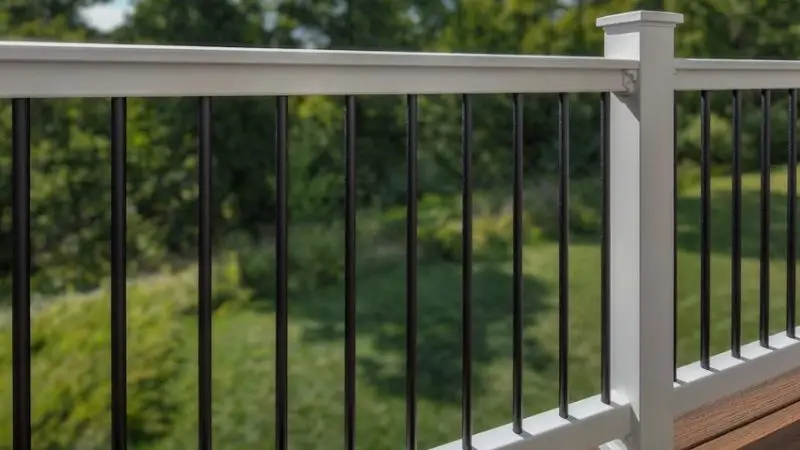
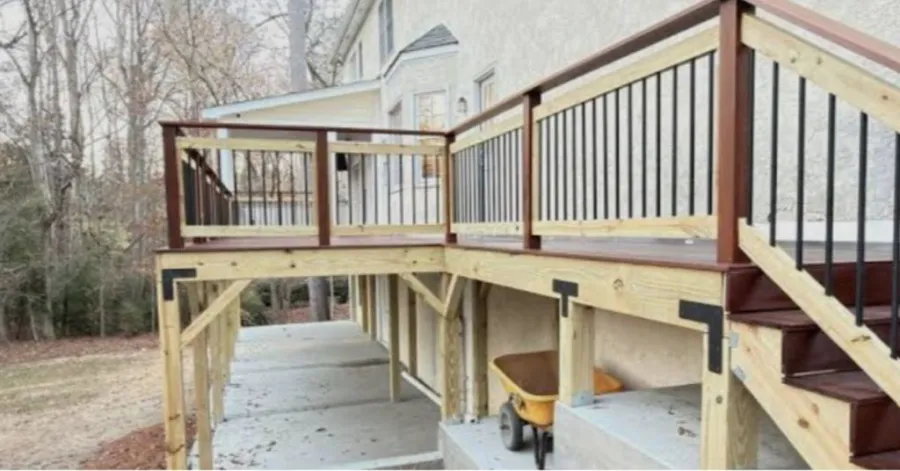
The deck railing system has different components that work together for safety, support, and a finished look. Understanding main deck railing parts helps you choose suitable materials, schedule to suit, and identify all components that require repair or replacement. Each part has a specific role, from supporting rails to preventing falls, and offers a comfortable grip. The design can vary from one material and style to another. But most systems include posts, rails, balusters, handrails, and small finished parts.
Recommended For Your Project
Railing Posts
Railing posts offer the main support for a deck railing system. They are attached to the deck frame or any other appropriate area to maintain the stability of the railing. When you study deck railing parts, start with posts, because other components often come with them. Posts may be made from wood, metal, vinyl, or composite materials. The distance between them, their height, and their assembly impact the overall strength of the railing. Correct installation is important, as loose or weak posts can render the entire system unsafe.
Top Rails and Bottom Rails
Top and lower rails connect railing posts to assist other components in maintaining position. The upper rail produces a finished top edge and can also offer a surface to rest your hand. In a number of designs, the lower rail supports the bottom ends of the Balusters or spindles. A list of deck railing parts and components should contain both rails because they help to preserve the system’s shape and stability. While secure connections help prevent movement during daily use, their material and size should be in line with the railing design.
Balusters and Spindles
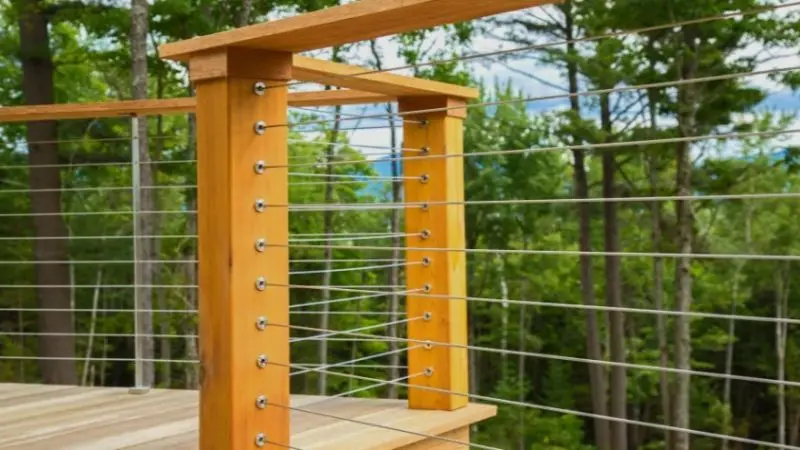
Balusters, also known as spindles in many railing designs, are vertical or sometimes horizontal parts that are mounted between the rails. They help prevent people, pets, and objects from crossing open spaces in the railings. Deck railing parts include balusters made of wood, metal, glass, or composite materials. Their looks may range from simple vertical bars to decorative patterns. In selecting balusters, you should take into account their strength, spacing, and compatibility with the rest of the system. Follow local building codes with regard to the maximum opening and other safety requirements.
Handrails and Guardrails
Handrails and guardrails serve multiple purposes, but not the same. While a guardrail acts as a barrier to higher deck edges to reduce the risk of falls, a handrail offers a gripping surface to balance this, especially on stairs. Understanding parts of deck railing and their functions helps you choose the right components for each location. While others need a separate gripping surface, some systems contain a top rail, which also works as a handrail. For additional support and simplified movement, consider deck handrails, which are suitable for the design and purpose of your deck. Check the local codes for handrail height, the degree of adhesion, and guardrail requirements.
Post Caps and Decorative Components
Post Caps fit over the tops of the railing posts to give the system a neat, finished look. Depending on the material and design, they can also help protect the exposed parts of the post against moisture. Other finishing components include brackets, connectors, decorative parts, and decorative inserts. Because they help secure or improve the overall appearance, this is one of the key parts of a deck railing system. Select components corresponding to the dimensions of the railing material and post. Outside decks can use weather-resistant surfaces and hardware to reduce wear and make the railing look good over time.
Deck Railing Hardware and Fasteners
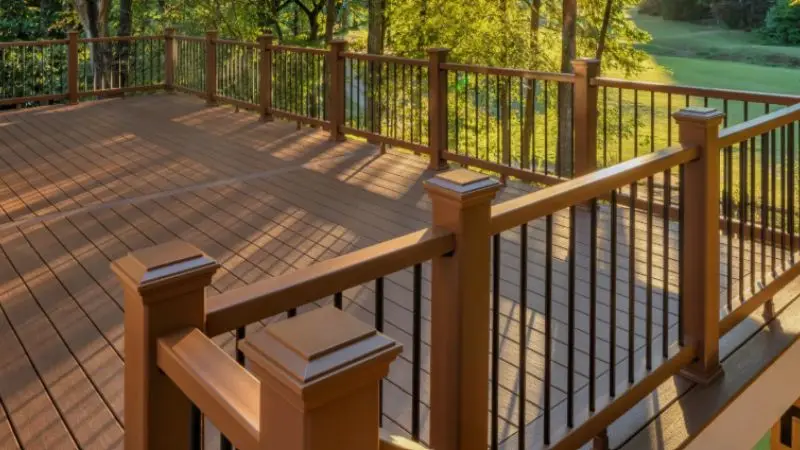
Hardware and fasteners together hold the various components of a railing and help secure systems to the deck structure. Choosing the right hardware is essential for stability, long-term performance, and safety. The type of hardware you require will depend on the railing material, installation method, and the deck design. A regular inspection may also help you find loose connections, rust, or worn-out parts before they become more problematic.
Brackets and Connectors
In order to create a stable structure, blocks and connectors connect rail pillars, rails, and other components. They are of various shapes and dimensions that meet different design and railing requirements. When selecting the deck rail replacement parts, check if the brackets match the dimensions and materials of your existing system. Metal brackets are common because they allow strong connections, while coated options can assist with resistance to outdoor moisture. Use the right connector for each connection, and follow the installation specifications of the manufacturer. Proper brackets will reduce unwanted movement and help to protect the railing during your daily use.
Screws, Bolts, and Fasteners
Screws, bolts, and other fasteners ensure safe rails and connect to the deck structure. The dimensions, material, and design must be suitable for the weight and style of the railing that should be installed. Because they can better withstand moisture and changing weather, for example, exterior-grade screws and corrosion-resistant bolts are useful for outdoor applications. When checking the deck railing parts and their features, it is important to keep in mind that even strong posts and rails will need suitable fasteners to remain safe. Avoid the use of damaged or improperly sized hardware and tighten the connections according to the manufacturer’s instructions. Inspect fasteners regularly for rust, removal, or other evidence of wear.
Post Anchors and Mounting Plates
Post anchors and mounting boards help secure railing posts on top of a covering or supporting structure. Depending on the construction type, the post can be attached to the side of the top frame or set on the deck by means of the appropriate mounting plate. These components help move forces from the railing to the supporting structure. When choosing the key components of the deck railing system, make sure that anchors are suitable for the deck material and expected load. Follow the installation requirements of the manufacturer and local building codes. A secure connection is especially important in case of raised decks, where a weak post-fitting may cause a serious security risk.
Types of Deck Railing Components by Material
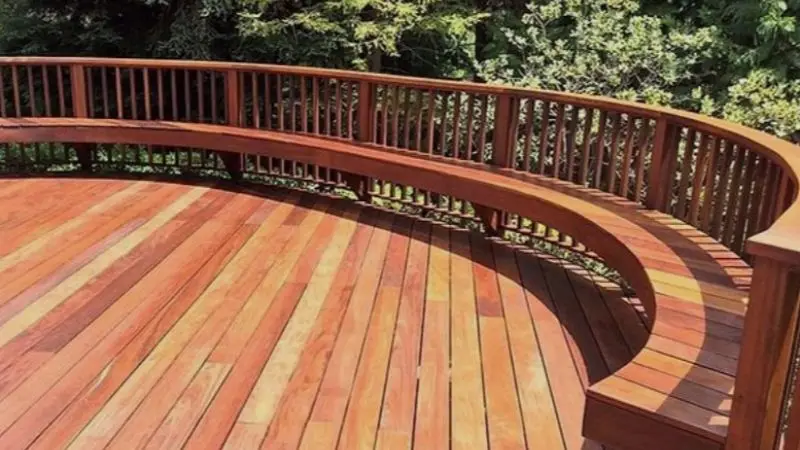
The components of Deck railing consist of several materials, each providing a variety of benefits in appearance, durability, maintenance, and cost. The right choice depends on the climate, the budget, the preferred style, and the extent to which you might be able to maintain it. The comparison of various types of deck railing parts by material will also help select compatible posts, tracks, anchorage, and handrails across the system.
Wood Deck Railing Parts
Wooden railings are traditional, suitable for many outdoor areas. Common components are wooden posts, upper and lower rails, balusters, handrails, and pole caps. Cedar and pressure-treated lumber are popular choices because they are suitable for many outdoor areas with proper maintenance. When buying spare parts for wood deck railing, carefully measure existing components and monitor for signs of rot, splitting, and insect damage. Wood parts may require regular sealing, colouring, or painting in order to protect them from humidity and sunlight. A match between type and wood size may also help to mix the new components with existing railings.
Metal and Aluminum Railing Components
Metal railing systems are valued for their strength, clean looks, and variety of design options. Their components may include metal posts, rails, balusters, holders, and mounting plates. Aluminum is lightweight and naturally rust-resistant, so it is a popular choice for outdoor decks. Steel can offer high strength, but its protective coating has to stay in good condition to avoid corrosion. When comparing deck railing parts, consider the metal finish, connection quality, and suitability for your local weather. Metal systems often require less regular maintenance than wood, while regular cleaning and inspections remain critical to long-term effectiveness.
Composite and Vinyl Railing Parts
Composite and vinyl railing systems are popular among homeowners who want to create a traditional wood alternative. Composite components often combine wood fibres with plastic, and vinyl components are mostly made from PVC. Both options can be selected in areas such as posts, rails, Balusters, caps, and other compatible elements. When choosing deck railing parts and component names, check whether the manufacturer provides a complete system with compatible connectors and holders. These materials typically require less paint or staining than wood, but they still need to be cleaned and periodically inspected. Follow the manufacturer’s instructions as to temperature changes, expansion gaps, and spacing between the installation and approved fastening devices in order to ensure a reliable installation.
Glass and Cable Railing Components
Glass and cable railings offer a more open view than many traditional baluster designs. Glass systems shall use panels, with associated clamps, piping, or pillars, while cable systems use tensioned cables, attached to the final poles and to the connecting posts. Their components shall be designed in such a way that they satisfy the requirements of safety of work together and deck. The quality of the fittings, the strength of the supporting posts, and the maintenance requirements of each system are included when choosing different deck railing part types. Glass panels need to be cleaned regularly, while cable systems require regular tension control. Choose suitable material and follow local construction codes concerning distance, height, and structural support.
How Do Deck Railing Parts Work Together?
Every element in the rail has a particular role, but the system works correctly only when all the parts are located and successfully connected. Posts provide primary support, rails connect posts, and balusters or panels fill the openings. Hardware is in place to keep these parts in place and helps transfer pressure to the deck structure. Understanding how deck railing parts work together makes it easier to recognize weak connections, plan repairs, and choose components suitable for safe and functional decks.
Understanding the Structure of a Deck Railing
A deck railing usually starts with posts, which are firmly attached to the deck frame or other appropriate support structure. Bottom and top rails connect these posts and create a frame for balusters, glass panels, or cables. When needed, handrails provide a safe surface, while brackets and fixing components connect the parts. Understanding deck railing parts helps you to see how each element is contributing to the overall structure. The exact arrangement depends on the structure of the railing. But each part should be properly designed and work with the others to create a stable system.
How Railing Components Support Safety and Stability
A safe railing relies on strong posts, well-secured rails, suitable infill components, and reliable connections. Posts help to resist pressure, while balusters, panels, or cables lower the risk that people will fall through openings. Handrails give additional support when people move along deck stairs. Knowing the essential components of a deck railing system helps you to identify areas that need to be inspected regularly. Look for loose fasteners, cracked wood, damaged panels, and signs of corrosion. Replace worn-out components quickly, and ensure any repairs support the railing’s structural strength and comply with applicable construction codes.
How to Choose the Right Deck Railing Parts
Choosing the right railing components involves more than appearance. Also consider measurements, material quality, installation requirements, and local safety requirements. The right choices help in creating a railing that fits on the deck, withstands outdoor conditions, and stays practical. Before buying deck railing replacement parts, inspect the existing system and identify which parts must be repaired or replaced.
Check Measurements and Compatibility
Start by measuring the height and width of the railing, the distance between the posts, and the dimensions of rails and balusters. Check how each component is located on the deck and confirm that the replacement hardware is equivalent to the existing system. As the old railing may use nonstandard sizes or specific connection methods, this is most important for the procurement of replacement parts and wood for deck railing. When replacing the handrail, before ordering, check the length, brackets, and mounting points. Precise measurements help prevent installation problems and reduce the need for on-the-fly component changes.
Choose Durable Materials for Outdoor Conditions
External railing components face sunlight, rain, changes in temperature, a nd regular usage. Select the materials you will need to cope with your local weather and the maintenance routine you wish. Pressure-treated wood and wood that is durable in nature are the usual options for wooden railings, while aluminum and appropriately coated metals offer alternative options. Composite and vinyl components may reduce the requirement for paint and staining. When comparing different types of deck railing parts, consider corrosion resistance, moisture protection, and expected life expectancy. Make sure the fasteners and connectors are compatible with the railings to avoid premature wear and connection failure.
Consider Safety and Local Building Codes
Before your railing components installation or replacement, check the construction codes applicable to your deck. The requirements can include the guardrail height, stair handrail dimensions, baluster spacing, opening sizes, and strength of posts and joints. These rules can vary depending on where you are, the height of the deck, and the type of building. Evaluation of deck railing parts and their features may help you identify components that affect safety, but it does not replace checking local requirements. Select suitable handrails for steps and barriers from raised edges and ensure all parts are installed in accordance with the manufacturer’s instructions and the applicable codes. If it affects the structure, a qualified expert should be consulted before the repair work.
Wrap Up
Understanding components of main deck railing helps you build, maintain, and fix an outdoor system in a safe way. Posts, rails, balusters, handrails, and fasteners serve each for a specific purpose, thus offering the choice of compatible components essential for long-term stability and performance. Before you buy new parts, consider deck measurements, preferred materials, local weather, and maintenance requirements. When a component is damaged, check its surrounding structure to see if other repairs are necessary. Appropriate deck handrails can also enhance assistance and ease of use, especially around the stairs. Always follow the instructions from your manufacturer and local building codes to keep your railing safe and functional.
FAQs
What Are the Most Important Parts on a Deck Railing?
The main deck railing parts cover posts, upper and lower rails, balusters, handrails, and fasteners. Each component supports the structure, fills openings, or provides stability and security.
What Is the Difference Between a Handrail and a Guardrail?
A handrail provides a gripping surface to help people keep their balance, especially on the stairs. A guardrail creates a barrier alongside raised edges of the deck in order to avoid accidental falls.
Which Holds Deck Railing Posts in Place?
Deck railing posts are secured by appropriate screws, bolts, anchors, mounting plates, or structural support. The correct hardware depends on the deck structure, the railing equipment, and the installation method.
Can I please have You Replace Individual Deck Railing Parts?
Yes, you can replace individual deck railing parts often — such as, for instance, Balusters, rails, brackets, or handrails. Check the compatibility, check surrounding components, and maintain the applicable safety requirements prior to installation.
Like, You Know Which Deck Railing Parts to Buy?
Measure existing components, determine their materials, and verify the type of connections. Compare manufacturer and local building code specifications to ensure your replacement parts fit properly and offer sufficient support.