Even after a new refrigerant charge, your air conditioner still blows warm, or the compressor stops working after a month. Leftover air and moisture trapped in the lines typically cause real problems before you add refrigerant. An AC vacuum pump is specifically designed to remove that. What is a vacuum pump for, and why is this step necessary? This guide explains what does a vacuum pump does and how to select the best vacuum pump for your air conditioning system. This guide covers how an air conditioning vacuum pump works, its function and purpose, so you can use it properly.
Recommended For Your Project
What Is a Vacuum Pump?
Definition
Although a vacuum pump appears straightforward on the outside, it performs a single function that no other tool can. When people look up “what do vacuum pumps do,” they expect a complex answer, but in reality, they have only one function. Let’s begin by defining it and discussing its significance for cooling systems. What is a vacuum pump? Vacuum pump uses and vacuum pump purpose start here.
What Does a Vacuum Pump Do?
A vacuum pump is a device that creates a vacuum, an area with extremely low pressure, by drawing gas and air out of a sealed space. In HVAC and refrigeration, the refrigerant lines are that sealed area. Simply put, what does a vacuum pump do?
Before adding refrigerant, it removes trapped air, moisture, and other unwanted gases from the system. That is the true function of a vacuum pump.
Residual moisture can combine with refrigerant, become acidic, and gradually eat away at your compressor from the inside; a dry system cools more effectively and lasts longer. Vacuum pump function and vacuum pump purpose match: removing air and moisture. That explains what a vacuum pump is used for.
The Main Parts and the Vacuum Pump Function
Most pumps share the same basic construction. A motor rotates the inner components, the actual pulling happens in a sealed chamber, and an inlet port connects to your system via a hose.
Most HVAC models use oil to seal the pump and retain moisture as it exits. It is easier to identify issues later if you understand how each component of the vacuum pump works; weak suction is often caused by dirty oil rather than a malfunctioning pump.
Vacuum pump operation and vacuum pump function depend on these parts. That is how vacuum pumps work. The vacuum pump working principle and how vacuum pumps work begin with the motor.
How Does a Vacuum Pump Work?
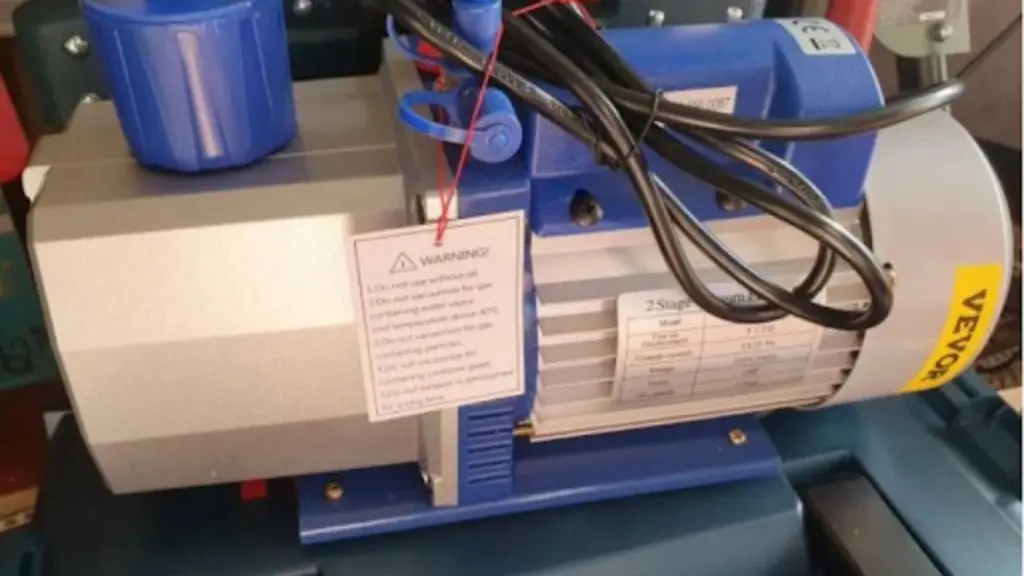
You don’t need to be an engineer to understand how a vacuum pump works. If you’ve ever wondered how a vacuum pump operates once it’s connected, the answer is a single, quick motion. The vacuum pump working principle and vacuum pump operation are simple. Here is how vacuum pumps work. Vacuum pump operation follows the vacuum pump working principle.
How a Vacuum Pump Is Created
This is how the most popular design, the rotary vane pump, generates a vacuum. A rotor with tiny veins that slide in and out as it rotates sits off-center in a circular chamber. With each turn, a pocket of air from your system is trapped, transported, compressed, and forced out the exhaust.
The pressure in the lines keeps dropping as you repeat this thousands of times per minute. Vacuum pumps operate by repeating this steady action; in fact, the entire operation consists of repeating this single action.
The basic idea behind a vacuum pump is to trap a small amount of air, force it out, and repeat. Vacuum creation follows the vacuum pump working principle. Vacuum pump function and vacuum pump operation repeat each cycle.
Remember how a vacuum is created and the vacuum pump working principle. Again, how a vacuum is created never changes vacuum pump operation.
Single-Stage vs. Two-Stage Vacuum Pumps
There are two types of air conditioning vacuum pumps, and the difference matters to understand how both types work. The air is compressed in a single stage by a single-stage pump. A two-stage pump clears moisture faster and achieves a deeper vacuum. A single-stage pump is acceptable for a quick do-it-yourself project.
Two-stage wins for anything that needs to be bone-dry. Both share one vacuum pump working principle. Vacuum pump function and vacuum pump uses differ. How a vacuum is created differs by stage. Vacuum pump working principles and operation stay similar.
| Factor | Single-Stage | Two-Stage |
| Ultimate vacuum | 50–100 microns | 15–50 microns |
| Pull-down speed | Slower | About 30–40% faster |
| Best for | Light DIY & car jobs | R-410A, deep vacuum, daily use |
What Is a Vacuum Pump Used For?
Now that you understand what a vacuum pump does, let’s look at how it makes money. The list of vacuum pump applications is longer than most people realize, but some tasks are used more often. What is a vacuum pump used for? Vacuum pump applications and vacuum pump uses vary. What is a vacuum pump used for in AC? Moisture removal. The vacuum pump’s purpose remains the same.
Vacuum Pump for Air Conditioning and Refrigeration
HVAC and refrigeration are the two main applications for vacuum pumps. A vacuum pump is standard heating and cooling equipment because you must clear the lines of air and moisture before charging any system.
What are the top-rated vacuum pumps for refrigeration and air conditioning and how do they compare?
A two-stage rotary vane pump can handle most home and shop work, while a single-stage model can handle lighter jobs. The best ones match your system size and deep-vacuum HVAC needs. This HVAC vacuum pump guide goes over it in detail.
Vacuum pump applications and vacuum pump uses center on HVAC; the vacuum pump’s purpose is to remove moisture. What is a vacuum pump used for in HVAC? Drying lines. Vacuum pump applications and vacuum pump operation matter here.
Vacuum Pump for Automotive AC and Other Jobs
Vacuum pumps do much more than service home air conditioning. They assist with lab and food work, remove bubbles from resin and epoxy inside a vacuum chamber, and evacuate automobile air conditioning lines. Because of these broader uses, one vacuum pump can service an entire garage.
Which vacuum pumps are recommended for automotive and small HVAC systems and how do they compare?
A small single-stage pump of about 3 to 4 CFM is usually sufficient for cars and small units; this VEVOR 3.5 CFM single-stage AC pump is convenient to transport between jobs. In cars, what does a vacuum pump do? The vacuum pump has the same function and purpose. Vacuum pump applications here include resin work. Vacuum pump applications and uses are broad.
How to Choose the Right Vacuum Pump for Your System
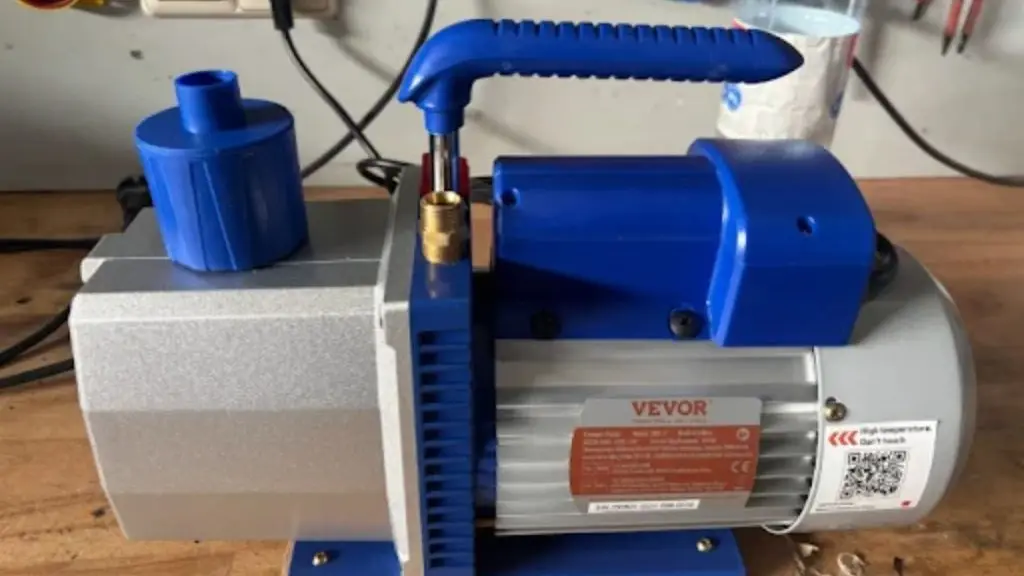
By now, it should be clear what a vacuum pump does, so let’s choose the best one. Three specifications do most of the work: your refrigerant, vacuum depth, and airflow. A complete HVAC vacuum pump kit includes the pump, plus gauges and hoses, if you’d prefer to buy everything at once. Your vacuum pump’s purpose and function should guide your choice. Vacuum pump uses and applications shape your choice. What is a vacuum pump rated for? Check specs.
Match CFM to Your System Size
CFM is the pump’s speed, or the amount of air it moves per minute. Larger systems need more, while smaller jobs need less, because higher CFM clears a system faster.
If you are wondering what are the best vacuum pumps for quick pull-down time and how do they compare by specs? Here’s a breakdown. A two-stage build with a higher CFM pulls down the fastest.
For homes and busy shops, a 6 CFM two-stage pump is a good compromise. CFM affects vacuum pump operation and vacuum pump applications. Vacuum pump uses and vacuum pump applications also set CFM. Vacuum pump purpose guides CFM.
| System or Job | Recommended CFM | Why |
| Car AC & small refrigerators | 3–4 CFM | Small lines clear fast |
| Home split AC & mini-splits | 4–6 CFM | Balanced speed for most homes |
| Frequent service & larger units | 6–9 CFM | Faster pull-down on bigger jobs |
| Commercial & industrial systems | 9–12 CFM | Moves high air volume quickly |
Check the Micron Rating for a Deep Vacuum
Lower microns indicate a deeper vacuum that the pump can achieve. Before adding refrigerant, the HVAC target is typically 500 micrometers or less.
Which vacuum pumps are best for deep vacuum and how do they compare in micron rating?
A truly dry system requires two-stage pumps to reach the deepest levels, which are typically between 15 and 50 microns. A two-stage deep-vacuum pump easily meets these numbers. The vacuum pump’s working principle sets the micron limit, and its purpose sets the goal. The pump’s working principle and operation achieve these levels.
| Spec | What It Means | What to Look For |
| CFM (airflow) | How fast it empties the system | Match to system size |
| Ultimate vacuum (microns) | Lowest pressure it reaches | 15–50 µm (two-stage); under 100 µm (single) |
| Stages | One or two compression stages | Two-stage for R-410A and deep vacuum |
| Oil & gas ballast | Seals the pump, flushes moisture | Easy oil change; ballast valve helps |
Make Sure Vacuum Pump Fits Your Refrigerant
R-410A operates at high pressure and absorbs moisture quickly, but some refrigerants are pickier than others. So, what are the best vacuum pumps for R-410A systems, and how do they compare?
Since R-410A reduces the time the system is open, the ideal match is a two-stage pump that quickly achieves a deep vacuum. These systems use a two-stage vacuum pump rated for R-410A and R-32. R-410A vacuum pump users need a deep vacuum; vacuum pump applications differ. That is how vacuum pumps work with R-410A. The vacuum pump working principle stays the same for R-32.
Conclusion
What does a vacuum pump do? It silently manages the one process that determines whether your system functions properly: removing the moisture and air that destroy cooling and kill compressors. The choice becomes simple when you match the pump to your task: a model rated for your refrigerant, a two-stage construction with a low micron rating for a deep vacuum, or a higher CFM for speed. Vacuum pump function, vacuum pump purpose, and vacuum pump uses guide every choice. Both are available for your next project, along with the rest of VEVOR’s plumbing and repair equipment.
FAQs
Do I need a two-stage pump for a single home AC job?
Not all the time. A two-stage pump pulls a deeper, drier vacuum and finishes faster than a single-stage pump, but a single-stage pump can handle a simple household or automotive task. A single-stage pump is usually sufficient if you only do sporadic repairs. Vacuum pump function stays the same.
Which vacuum pumps are best for occasional DIY HVAC repairs and how do they compare on price and ease of use?
To avoid buying parts one at a time, look for a small, single-stage pump kit with gauges and hoses for occasional tasks. Most home and auto repairs can be done easily with a basic 3 CFM pump-and-gauge kit. Vacuum pump uses include DIY HVAC.
How often should I change the vacuum pump oil?
Replace it after every use, or at least every few uses. Dirty oil reduces suction and can cause the pump to run hot, while clean oil helps the pump seal and create a deep vacuum. Oil affects vacuum pump operation.
Can one vacuum pump handle both AC and other jobs?
Indeed. Many HVAC pumps can also handle other dry-vacuum jobs like resin degassing. Just keep the oil clean, and avoid forcing dusty or wet materials through the pump. Vacuum pump applications are broad.