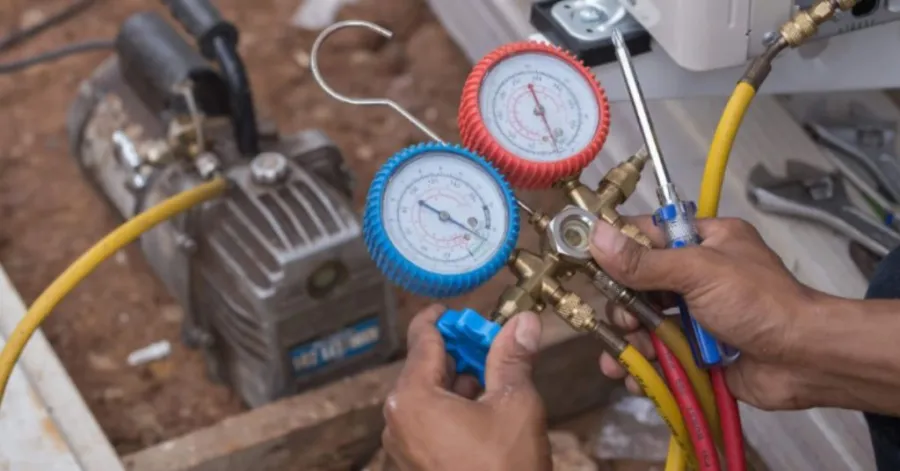
One of the most significant tools applicable during HVAC installation, repair, and maintenance is an HVAC vacuum pump. It eliminates air, moisture, and non-condensable gases from the refrigerant lines, and then the system is filled with refrigerant. The process enhances cooling performance, safeguards the compressor, and extends equipment life. Homeowners, DIYers, or professional technicians: knowing how to operate an HVAC vacuum pump can help you achieve better results. This guide discusses the functionality of vacuum pumps, the various types of vacuum pumps, their main components, their usage, proper maintenance, and the best HVAC vacuum pump to use, depending on your application.
Table of Contents
Understanding What an HVAC Vacuum Pump Does
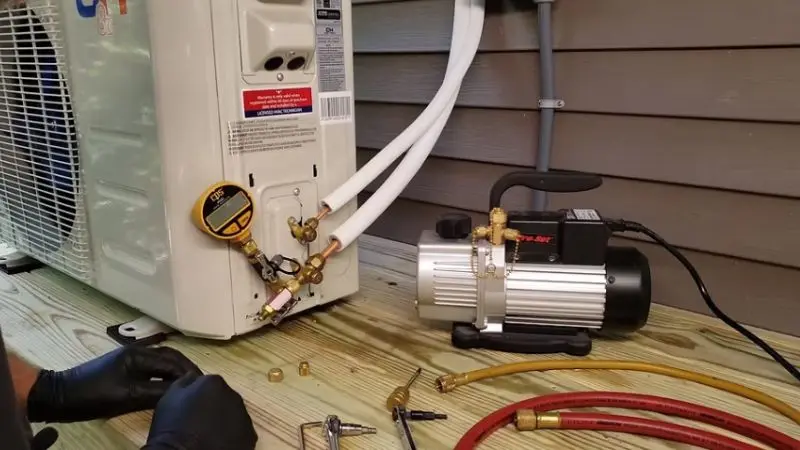
You should eliminate air, moisture, and other contaminants from the refrigerant lines before charging either an air-conditioning or a refrigeration system. This measure assists in safeguarding vital parts and makes the system run smoothly. Knowing how to use an HVAC vacuum pump would help with proper installations and repairs.
Recommended For Your Project
What Is an HVAC Vacuum Pump?
An HVAC vacuum pump is a specialized piece of equipment used to evacuate air, moisture, and non-condensable gases from an HVAC or refrigeration system prior to the addition of refrigerant. It creates a strong vacuum in the system, keeping the refrigerant lines clean and dry for operation. This is done to ensure efficient refrigerant circulation and to prevent damage to internal parts. When learning to use an HVAC vacuum pump, you will realize that the pump is connected to the service ports using a manifold gauge set and pulls undesirable contaminants out of the system. The selection of the right pump capacity is also very important, and an HVAC vacuum pump size guide can assist you in choosing the appropriate model to fit various residential or commercial systems.
Why Using an HVAC Vacuum Pump Is Essential
One of the most significant steps in HVAC installation and service is using an HVAC vacuum pump before charging a system. The presence of air and moisture in refrigerant lines may cause ice formation, undesirable pressure, reduced cooling efficiency, and breakage of costly system components, including the compressor. By pulling a deep vacuum, you eliminate these contaminants and create the best environment for the refrigerant to operate effectively. Effective evacuation enhances energy efficiency, increases equipment life, and minimizes future repair risks. Periodic HVAC vacuum pump maintenance can help the pump operate reliably, and basic knowledge of HVAC vacuum pump troubleshooting can help you quickly diagnose the problem if the pump fails to pull a vacuum in service.
How an HVAC Vacuum Pump Removes Air and Moisture
Before adding refrigerant, it is important to evacuate an HVAC system properly. The deep vacuum formed by an HVAC vacuum pump removes air, moisture, and non-condensable gases from the refrigerant lines. The process safeguards the system against damage and helps it to work at its best. It is also easier to understand the operation of the pump to maintain it and prevent frequent service problems.
Step-by-Step Process of Using an HVAC Vacuum Pump
It is easy to learn the process of using an HVAC vacuum pump as long as you have the right process. Begin by attaching the vacuum pump to the HVAC system using a manifold gauge set and vacuum hose. Before turning on the pump, make sure that all service valves are in place. When the pump is operating, it pulls out air, moisture, and contaminants from the refrigerant lines, forming a deep vacuum. Keep watching the vacuum gauge until it reaches the manufacturer’s recommended vacuum and remains constant. After establishing the desired vacuum, close the valves, then switch off the pump to avoid re-entry of air into the system. This procedure will make the system clean, dry, and ready to be charged with refrigerant, minimizing the risk of future performance issues.
Why Removing Moisture Is So Important
One of the largest sources of danger to any HVAC or refrigeration system is moisture. A little water trapped in refrigerant lines will freeze to limit the flow of refrigerant, form corrosive acids, and ultimately destroy the compressor. An HVAC vacuum pump is used to remove moisture prior to charging the system, enhancing reliability and overall efficiency. A correctly evacuated system cools better, uses less energy, and has a lower number of mechanical failures over time. When the pump is having difficulties in reaching the desired level of vacuum, simple HVAC vacuum pump troubleshooting can find the leak, loose hose connections,s or an HVAC vacuum pump not pulling a vacuum. Routine HVAC vacuum pump maintenance also ensures that the equipment is running efficiently and has a long service life.
Main Components of an HVAC Vacuum Pump
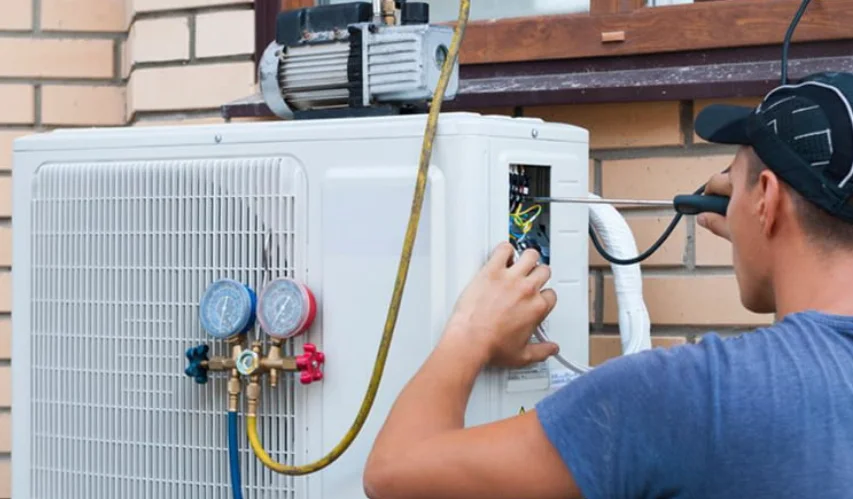
Any HVAC vacuum pump consists of a number of key elements that collaborate to eliminate air, moisture, and non-condensable gases in an HVAC system. Knowing these sections will ensure that you can use the pump properly, keep it functioning, and note issues before they turn into expensive fixes. Be it a professional technician or an amateur in search of the most suitable HVAC vacuum pump, understanding how each aspect works will make the evacuation practice very simple.
Motor: The Power Behind the Pump
An HVAC vacuum pump is powered by the motor. It provides the energy necessary to turn the internal pumping system and generate the vacuum necessary to evacuate the system. A good motor ensures stable suction that enables the pump to effectively remove air and moisture through refrigerant lines. When the motor is weak or overheats, the pump might not attain the required vacuum level, resulting in incomplete evacuation. When performing regular maintenance on the HVAC vacuum pump, the motor should be examined for overheating, abnormal vibrations, or damaged wiring to ensure the equipment’s reliable operation and prolong its lifespan.
Pump Chamber: Where the Vacuum Is Created
The vacuum pump consists of a pump chamber. The chamber generates low pressure as the motor runs, which draws air, moisture, and contaminants into the HVAC system. Within the chamber, moving elements squeeze and discharge undesirable gases through the exhaust port, ensuring continuous suction. To have a deep vacuum, a clean and well-functioning chamber is necessary. The pump might become inefficient due to dirt, debris, or damaged internal components that can affect its operation. Cleaning and inspection can be regularly performed to avoid typical HVAC vacuum pump troubleshooting and ensure the evacuation process is running without problems.
Oil Reservoir: Essential for Oil-Sealed Vacuum Pumps
An oil-sealed design has been used in many professional HVAC vacuum pumps to enhance performance. Special vacuum pump oil is stored in the oil reservoir, where it lubricates internal parts, seals microscopic gaps, and traps moisture and contaminants during operation. Strong vacuum pressure and ensuring the pump is not overworked depend on clean oil. In the long run, the oil will be covered with moisture and will become contaminated, which will lower efficiency. During the routine maintenance of HVAC vacuum pumps, before each use, inspect the oil and replace it with new oil whenever it looks dark, cloudy, or milky in color to maintain consistent evacuation performance.
Inlet and Exhaust Ports: Managing Airflow
The flow of air in the vacuum pump is controlled by the inlet and exhaust ports. The inlet port is connected to the HVAC system via a vacuum hose, allowing air and moisture to flow into the pump during evacuation. These contaminants are then safely discharged from the pump through the exhaust port. The two ports are to be clean and free of obstructions to ensure that there is adequate airflow and vacuum pressure. Damaged fittings, dirt,t or clogged ports may decrease suction and cause an HVAC vacuum pump not to pull a vacuum. These connections are regularly checked to maintain smooth operation with each use of the pump.
How These Components Work Together
All elements of an HVAC vacuum pump perform a certain task, yet all parts will perform optimally when interconnected harmoniously. The pump chamber is driven by the motor, the oil reservoir enhances sealing and lubrication, and the inlet and exhaust ports ensure free air flow during evacuation. When all these elements are properly functioning, the pump will be able to remove air and moisture, and the HVAC system will be ready to be charged with refrigerant. When using an HVAC vacuum pump buying guide, knowing these parts will help you compare models and select the most appropriate HVAC vacuum pump for your installation or service requirements.
Types of HVAC Vacuum Pumps Explained
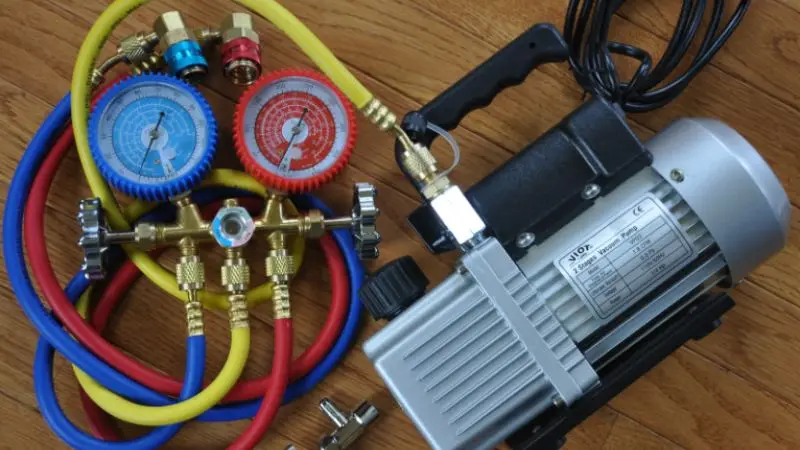
The type of work you manage and the size of the HVAC system will determine the type of HVAC vacuum pump you should choose based on the amount of vacuum you require. There are pumps that are easy for users to fix at home, and others that are designed for professional HVAC installation. Knowing the differences among the available options will help you make the right decision and enhance system performance.
Single-Stage Vacuum Pumps for Basic HVAC Jobs
A single-stage HVAC vacuum pump involves one compression cycle that eliminates air, moisture, and non-condensable gases in the system. It is easy to design and is suitable for routine service, small residential air conditioning, and intermittent repair. These pumps are typically lightweight, inexpensive, and easy to use; hence, they suit homeowners and DIY users. When you are seeking the most ideal HVAC vacuum pump as a beginner, a great single-stage pump will tend to work well as a system since it offers reliable operation in case of light-duty HVAC projects.
Two-Stage Vacuum Pumps for Deep System Evacuation
An HVAC vacuum pump is made in two stages to form a deeper vacuum with two stages of compression. Stage one is used to get the majority of the air out, and stage two is used to get the rest of the moisture and contaminants. The evacuation is more complete with this process, making such pumps the choice of professional HVAC technicians. They are particularly effective on larger residential systems, commercial equipment, and new installations. To achieve maximum performance and reliability, a two-stage model will be the best HVAC vacuum pump to use in a challenging job.
Oil-Sealed Vacuum Pumps for Maximum Performance
Oil-sealed vacuum pumps are operated with a special vacuum pump oil to lubricate the internal parts, forming a superior seal. This design can enable the pump to extract moisture more effectively and achieve a deeper vacuum. Regular maintenance of HVAC vacuum pumps, such as checking and replacing the oil when necessary, is essential to ensure that the pump functions properly. Oil-sealed pumps are long-lasting and popular with HVAC professionals with proper care.
Oil-Free Vacuum Pumps for Easy Maintenance
Oil-free vacuum pumps do not use vacuum pump oil and are therefore cleaner and easier to maintain. These pumps need less routine servicing and are handy in infrequent HVAC repairs since there is no oil to replace. They do not typically create as deep a vacuum as oil-sealed models, but are used in light-duty applications and by users willing to use low-maintenance equipment.
How to Choose the Right HVAC Vacuum Pump
The choice of HVAC vacuum pump that suits you will depend on the type of HVAC system you are servicing and the equipment’s usage frequency. Smaller residential applications might just need a single-stage pump, but larger installations would take advantage of a two-stage pump. An HVAC vacuum pump buying guide can help you compare key features such as motor power, CFM rating, and durability. An HVAC vacuum pump size guide can also be used to select the right pump size for your system to achieve efficient evacuation and reliable performance at all times.
How to Use an HVAC Vacuum Pump Safely
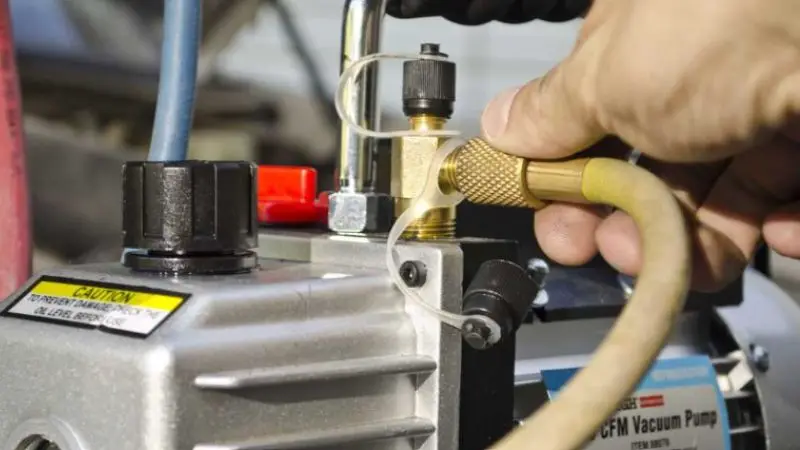
It is equally important to use the HVAC vacuum pump properly as it is to select the appropriate equipment. The correct procedure helps eliminate air and moisture efficiently while safeguarding the HVAC system and the vacuum pump. If you are learning to operate an HVAC vacuum pump, the following key steps will help you achieve a good vacuum and avoid pitfalls when evacuating the system.
Check the Vacuum Pump Oil Before Starting
Check the oil level and condition before switching on the HVAC vacuum pump. The oil in the vacuum pump is essential for establishing a deep vacuum, lubricating internal parts, and trapping moisture and contaminants. When the oil looks dark, foggy, or milky, change it prior to using the pump. Clean oil operation enhances performance and minimizes wear on the pump. HVAC vacuum pump maintenance also includes regular oil checks, which help your equipment deliver consistent results and extend service life.
Connect High-Quality Vacuum Hoses
To have a deep and stable vacuum, it is necessary to use a durable and leak-free vacuum hose. Poor-quality or worn-out hoses may allow outside air to enter the system, slowing the evacuation process and rendering it ineffective. Prior to connecting the HVAC vacuum pump, check hoses, loose fittings, and worn seals. Make all connections tight and secure to avoid leaks. Quality hoses enhance the vacuum’s efficiency and enable the pump to reach the required level of vacuum faster.
Monitor the Vacuum Gauge Throughout the Process
The best gauge to tell you whether your evacuation process is proceeding correctly is the vacuum gauge. The gauge must gradually move towards the recommended vacuum level as the HVAC vacuum pump operates. In case the reading ceases to change or starts climbing unpredictably, there can be a leakage in the air, a loose connection, or a problem with the equipment. Knowing these warning signs is also a significant aspect of troubleshooting HVAC vacuum pumps, as they enable you to detect and remedy problems before refrigerant gets injected into the system.
Disconnect the Pump the Right Way
Once the HVAC system is vacuumed to the required level, all the manifold valves should be closed, and then the HVAC vacuum pump should be switched off. This helps to keep external air out of the refrigerant lines and safeguard the vacuum that you have created. After closing the valves, carefully disconnect the hoses and check the system as necessary. Failure to hold the vacuum once the pump is disconnected may indicate a leak or an issue with the HVAC vacuum pump not pulling a vacuum, which requires further investigation. Correct shutdown procedures help maintain system performance and prepare the equipment for reuse.
Wrap Up
When it comes to keeping any HVAC or refrigeration system clean, efficient, and reliable, proper use of the HVAC vacuum pump is essential. Selecting the appropriate pump, using appropriate evacuation, and conducting routine maintenance on the HVAC vacuum pump can prevent expensive repairs and enhance the system’s overall performance. Whether you are a beginner or a professional HVAC vacuum pump buyer, reading an HVAC vacuum pump buying guide and a size guide will make it much easier to choose the appropriate equipment. With proper methods and by identifying common issues with HVAC vacuum pumps at their onset, you can ensure long-term HVAC operation and reliable cooling in the years to come.
FAQ
What will become of not vacuuming your HVAC system?
When you do not vacuum, air and moisture remain indoors. This may result in ice, rust, or damage. Your system is not cooling or heating properly. You may require repairs at an earlier date.
How much time does a vacuum pump need to run on an HVAC system?
You need to operate the pump until the gauge indicates a deep vacuum. This normally lasts between 15 and 45 minutes. The bigger systems might require additional time.
Is it possible to reuse vacuum pump oil?
You should not reuse vacuum pump oil. Moisture and dirt may be in old oil. Always take fresh oil for every job. This maintains your system and pump cleanliness.