The gauge won’t hold, the compressor is connected, and the air conditioner keeps blowing warm air. In 90% of cases, air and moisture left in the lines are the real issue, not the refrigerant. Every service kit should include an air conditioning vacuum pump because a single stage vacuum pump removes it all before charging. Half the fight is knowing what the pump really does. This guide explains what a single-stage vacuum pump is, how it works, where it fits, how it differs from a two-stage pump, and how to choose the best one.
Recommended For Your Project
How a Single Stage Vacuum Pump Works
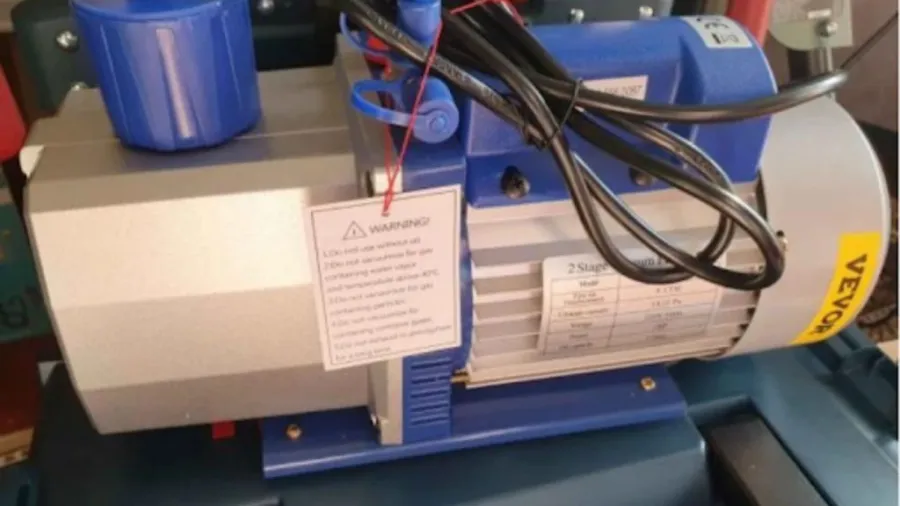
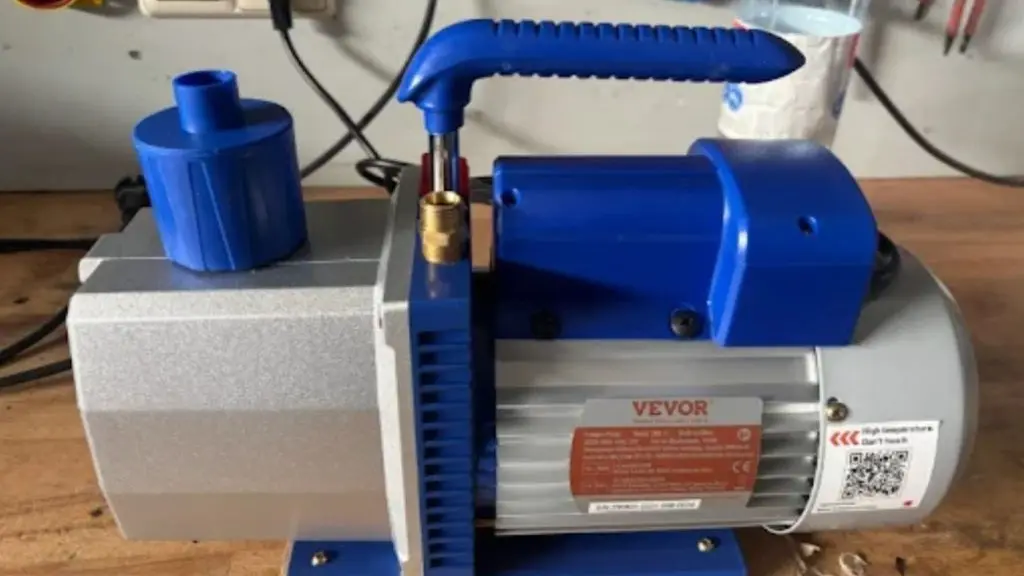
Before adding refrigerant, a motor-driven device called a single-stage vacuum pump removes moisture, air, and non-condensable gases from a sealed system. The majority are single-stage rotary vane vacuum pumps, which use a motor to spin a rotor with sliding vanes inside an oil-sealed chamber. The gas is then swept out through the exhaust.
One-stage vacuum pumps are lightweight, easy to use, and quick to bring down a system because they only require one stage of compression. For most home cooling and refrigerator applications, VEVOR’s single-stage vacuum pump is rated at about 5 Pa, or 37 microns. Although these devices are tuned for refrigerant lines, they belong to the larger vacuum pump family.
Single-Stage Vacuum Pump Capacity and CFM
CFM, or cubic feet per minute, is how fast the pump moves air and determines a single-stage vacuum pump’s capacity. A car or window air conditioner uses a compact 3 to 4.5 CFM unit. Home split systems work well with a 5 to 7 CFM vacuum pump, while a 9 to 12 CFM machine can clear large or lengthy line sets quickly. The key is to match the single-stage vacuum pump’s capacity to your system; if it’s too small, you’ll stand around, and if it’s too big, you’ll pay for power that you won’t use.
Customers often ask which models are better and which compact vacuum pumps compromise performance. The smallest, lowest-CFM units struggle on anything larger than a small car system and pull down slowly. Upgrading to a mid-range model, such as this 4.5 CFM single-stage rotary vane vacuum pump, moves much more air with essentially no added bulk.
Single Stage vs Two Stage Vacuum Pumps
What are the best two-stage vs single-stage vacuum pumps and which should I pick for typical residential jobs?
A single-stage air conditioning vacuum pump is the best option for most household tasks. It is less expensive, lighter to transport to a rooftop unit, and can pull a system below the 500-micron threshold required for residential air conditioning and refrigeration.
When you need a very deep, bone-dry vacuum on larger or moisture-sensitive systems, the two-stage vs. single-stage vacuum pump question leans toward two stages.
A second rotor in a two-stage vacuum pump design picks up where the first one left off and achieves a lower final pressure. A reliable single-stage vacuum pump suffices for a standard house call without the added weight or expense.
The table below compares common single-stage and two-stage options so you can match the pump to your lines before you buy.
| Pump Option | Type | Typical CFM | Best Fit for Residential Jobs |
| Compact single-stage AC pump | Single-stage | 3–4.5 CFM | Car AC and window units; light, portable |
| VEVOR single-stage rotary vane pump | Single-stage | 4–5 CFM | Most home AC, fridges, routine service (~5 Pa / 37 microns) |
| High-CFM single-stage pump | Single-stage | 9–12 CFM | Large or long line sets cleared fast |
| Mid-range two-stage pump | Two-stage | 5–7 CFM | Deep, bone-dry vacuum on moisture-sensitive systems |
| Heavy-duty two-stage pump | Two-stage | 9–12 CFM | Commercial jobs needing the lowest micron level |
Deep Vacuum and Micron Rating
When comparing tools, it’s reasonable to wonder which vacuum pumps work best for deep vacuum and how their micron ratings compare. Two-stage pumps achieve the lowest micron numbers and deepest vacuum, which matters for systems that cannot withstand residual moisture.
A single-stage vacuum pump still reaches the sub-500 micron range required for daily AC work. This walkthrough on operating the pump and measuring microns shows how to read that number with a micron gauge rather than the pump’s own dial. A single-stage AC vacuum pump makes routine maintenance easier.
| Feature | Single Stage Vacuum Pump | Two-Stage Vacuum Pump |
| Final vacuum | Below ~500 microns (rated ~5 Pa) | Deeper — reaches a lower micron level |
| Best for | Home AC, auto, fridges, routine service | Large or moisture-sensitive systems |
| Weight & cost | Lighter, lower cost | Heavier, costs more |
| Upkeep | One chamber, simple oil change | More parts, more care |
Single Stage Vacuum Pump Applications
A single-stage vacuum pump is a simple tool with many uses. Here are the most common single-stage vacuum pump applications, from everyday AC and HVAC jobs to car repairs and small home projects.
Everyday HVAC, AC, and Refrigeration Work
Because the tool is so useful, single-stage vacuum pumps have many applications. Before recharging, technicians use a single-stage HVAC vacuum pump to evacuate split systems, heat pumps, and mini-splits.
Refrigerators and window units use the same single-stage AC vacuum pump, paired with a manifold gauge set so you can monitor pressures while working. For precisely this reason, many technicians keep one next to their other HVAC equipment.
Vacuum packaging and resin degassing are also examples of single-stage vacuum pump applications. After the vacuum stops working, it’s important to keep the system sealed. This guide to air conditioner refrigerant leak repair explains what to look for.
Automotive and Small HVAC Systems
People often ask which vacuum pumps are best for automotive and small HVAC systems and how they compare.
The standard choice for both is a small, single-stage vacuum pump in the 3 to 5 CFM range, which provides enough suction to remove a window unit or an automobile’s lines without going overboard.
One pump can serve the garage and the house because a model like this 5 CFM single-stage vacuum pump with oil can handle automotive work as well as minor heating, venting, and cooling tasks.
How to Choose a Single-Stage Vacuum Pump?
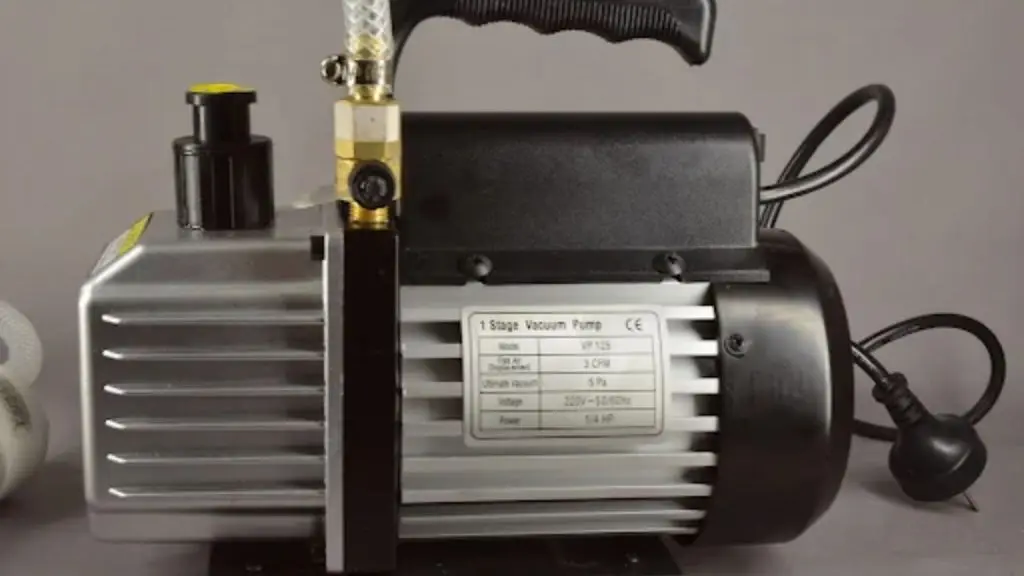
Choosing a single-stage vacuum pump comes down to three things: your system size, how often you will use it, and how easy it is to maintain. Get these right, and you won’t overpay or end up with a pump that is too small. Here is how to decide.
Match CFM to Your System Size
First, size the pump to fit the single-stage vacuum pump system you’ll use most. A once-a-season home fix does not require as much CFM as larger line sets and more frequent jobs. A single-stage vacuum pump system lasts longer thanks to its oil-sealed construction, clear oil sight glass, and robust handle. A 12 CFM single-stage vacuum pump quickly removes air from heavy or commercial-sized lines.
Beginners and Occasional DIY Use
Are you new to this? Then you’re probably wondering which vacuum pump models are best for novices. This 4 CFM pump-and-gauge set is as plug-and-play as it gets, and this beginner’s guide walks you through the first run.
Look for a one-button, oil-sealed single-stage vacuum pump with a clear sight glass and a HVAC vacuum pump kit that includes the gauges you need. DIYers also want to know which vacuum pumps are best for sporadic do-it-yourself HVAC repairs and how they compare in cost and usability.
A basic single-stage vacuum pump wins on both counts for a few jobs a year; it’s the easier, less expensive choice and requires less learning before you can pull a clean vacuum.
| Your job | Suggested CFM | Pump type |
| Car A/C or window unit | 3–4.5 CFM | Compact single-stage AC vacuum pump |
| Home split system | 5–7 CFM | Mid-range single-stage HVAC vacuum pump |
| Large/long line sets, commercial | 9–12 CFM | High-CFM single-stage vacuum pump |
| Deep, moisture-critical jobs | 5–7 CFM | Two-stage pump |
Maintaining Your Single-Stage Vacuum Pump
A single-stage vacuum pump needs very little care, but a few simple habits keep it pulling a deep, clean vacuum. Clean oil and dry storage matter most. Here is what to do and when.
Oil Changes and Simple Upkeep for Single Stage Vacuum Pump
Only clean oil keeps a single-stage vacuum pump running reliably. Replace it before storing the pump, after any significant moisture pull, and when it appears hazy. Which vacuum pumps require the least amount of maintenance, and how do regular expenses differ between models, are common questions.
With only one chamber, one oil fill, and significantly fewer parts than two-stage pumps, single-stage pumps are the clear winner. Maintenance only requires a few minutes and a cheap bottle of oil. One of the main reasons busy techs keep choosing single-stage HVAC vacuum pumps is their simpler construction.
Storage and Seal Care for Single-Stage Vacuum Pump
In between tasks, clean the body and close the intake port to keep moist air and dust out of the chamber. To keep the pump under a tight vacuum, inspect the hoses and fittings for cracks, and replace worn seals as soon as possible.
Along with the other HVAC supplies you already have on hand, keep replacement seals and oil on hand. Moisture is the only thing that silently deteriorates these instruments, so store the pump somewhere dry.
Conclusion
It really boils down to one straightforward question when selecting a single stage vacuum pump: how big and how often? A single-stage pump pulls a clean, sub-500-micron vacuum for home air conditioning, automobile systems, refrigerators, and the occasional weekend repair. It is less expensive, lighter, and requires virtually no maintenance. On larger systems, reserve the two-stage for deep, moisture-critical tasks. A good single-stage AC vacuum pump, like this 3.5 CFM single-stage vacuum pump, will seal system after system for years if you match the CFM to your lines and keep the oil clean.
FAQs
What are the best budget-friendly vacuum pumps under typical US contractor prices and how do they compare?
A single-stage rotary vane pump gives you the most capability for the least money, with fewer parts and lower running costs than a two-stage. A solid 3-to-5 CFM single-stage handles most home and auto jobs; step up to a two-stage only when you need a deeper vacuum.
What micron level should a single-stage vacuum pump reach?
Aim to lower and maintain the system below 500 microns for home air conditioning and refrigeration. When your hoses and fittings seal tightly, VEVOR single-stage vacuum pumps have the headroom for routine maintenance because they are rated to about 5 Pa (37 microns).
Can I use a single-stage vacuum pump on an R410A system?
Indeed. Before charging, a single-stage vacuum pump removes R410A, R22, R134a, and related refrigerants. Make sure the system is devoid of refrigerant before pulling a vacuum, and match your gauges and couplers to the refrigerant.
How long should I run a single-stage vacuum pump?
Larger or wetter systems take longer; most small residential and automotive systems take 30 to 45 minutes. Instead of watching the clock, use a micron gauge. When the reading falls below 500 microns and remains constant while the pump is turned off, you are done.
Do I need to change the oil in a single-stage vacuum pump?
Indeed. The pump’s ability to seal and create a strong vacuum depends on clean oil. The pump will keep working like new if you change the oil before storage, after any heavy moisture job, and when it becomes hazy.