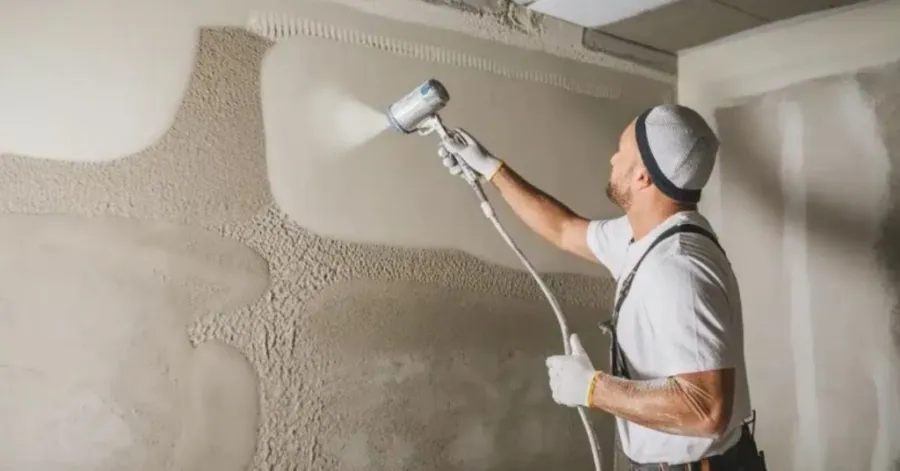
You want your basement to look clean and robust, and to remain dry. One of the most effective ways to enhance the appearance and durability of basement walls is painting concrete basement walls using a paint sprayer for smooth and even coverage. It is used to minimize water damage, stains, and prolonged wall issues. Peeling, bubbling, or paint failure are concerns for many people, but they are typically encountered when the surface is not properly prepared. These problems can be avoided by using the appropriate paint and proper steps. A painted-up basement is not only more pleasing to the eye but also remains dry, fresh, and lasts many years.
- Why Painting Basement Concrete Walls Needs Special Steps
- How to Assess Basement Walls Before Painting
- Best Practices for Cleaning Basement Concrete Walls Before Painting
- Repairing and Preparing Concrete Walls for a Long-Lasting Finish
- Best Paint for Basement Concrete Walls
- Step-by-Step Guide to Painting Basement Concrete Walls
- Best Practices for Preventing Paint Failure in Basements
Why Painting Basement Concrete Walls Needs Special Steps
Before the basement concrete walls are painted, they require special attention because they are subject to constant moisture, soil pressure, and variable temperatures. These circumstances cause the paint to act out of the ordinary when it is applied to regular walls. Without proper surface preparation, the paint will peel off, form bubbles, or fail prematurely. This is why, before any painting work is undertaken, proper steps are required. Knowledge of the wall condition and the selection of the appropriate technique help produce a robust, durable coating that can withstand basement conditions.
Why Basement Concrete Walls Are Different From Normal Walls
Concrete walls in the basement are not comparable to other walls since they are porous. Concrete contains small holes that allow the movement of water and air. This implies that moisture can gradually find its way and remain within the wall. This may result in roughness, stains, or imbalanced surfaces over time. These circumstances complicate painting concrete basement walls compared to painting drywall or wood. Changes in temperature also affect the surface and may influence the paint’s sticking behavior. Due to these natural characteristics, the surface must be properly treated before painting to ensure the paint is durable and the surface appears smooth.
How Moisture Problems Affect Basement Walls and Paint
Basements tend to be more humid as they are located underground. The soil water can, over time, seep through the walls and form wet areas, white powder, or even mould. The problems may ruin the paint unless they are addressed early. The presence of moisture also compromises the bond between paint and concrete and leads to peeling or bubbles with time. That is why the question of how to prevent moisture prior to painting basement walls is crucial to long-term outcomes. Even though paint cannot be held well without the dampness being in control. This is why moisture problems should be resolved before starting any painting work in the basement.
How to Assess Basement Walls Before Painting
The basement walls should be thoroughly inspected before any work is performed on them. This action will help you identify what is under the carpet. Wetness, cracks, or the old paint problem can all influence the performance of the new paint. Proper inspection also minimizes the chances of peeling or damage in the future. When you have time and evaluate the walls, the end result will be more stable and smooth. This is the necessary preparation for painting the basement.
How to Check Basement Walls for Moisture and Water Damage
Begin by determining whether there is moisture in the basement wall. Pay attention to dark spots, dampness, or white powdery efflorescence. These indications generally indicate water is penetrating through the concrete. You may, too, feel the wall by pressing your hand on it. The other technique is to place plastic on the wall and check for trapped moisture. This assists in verifying latent dampness. In case of moisture, it should be controlled first, at least before applying paint on the basement concrete walls, since the paint will not adhere well to wet walls.
How to Find Cracks, Holes, and Surface Damage
Thoroughly check the wall surface to look for cracks, holes, or irregularities. A flashlight helps to illuminate tiny or concealed damage. Even small cracks can allow water to penetrate and erode the paint layer over time. Label any damaged spots so they can be easily found during repairs. In addition, inspect concrete that is loose or crumbling, as it is a weak point that may affect paint adhesion. Prior to any painting, one requires a clean and stable surface. This forms a significant step in the preparation of concrete basement walls for painting, which makes the surface robust and prepared to be coated.
How to Test Old Paint on Basement Walls
Whether the basement walls already contain paint, you must also ensure that it is properly holding. Apply the press tape to the painted surface and then scrape it off. If the paint is removed while taking off the tape, the old paint is frail or peeling. Any loose paint must be wiped off, then a new coat applied. This helps achieve a successful, durable finish. Adequate adhesion is highly significant when dealing with basement surfaces, as the poor areas may spoil the new paint. This is a necessary step in determining whether you can paint the concrete walls in a basement.
Best Practices for Cleaning Basement Concrete Walls Before Painting
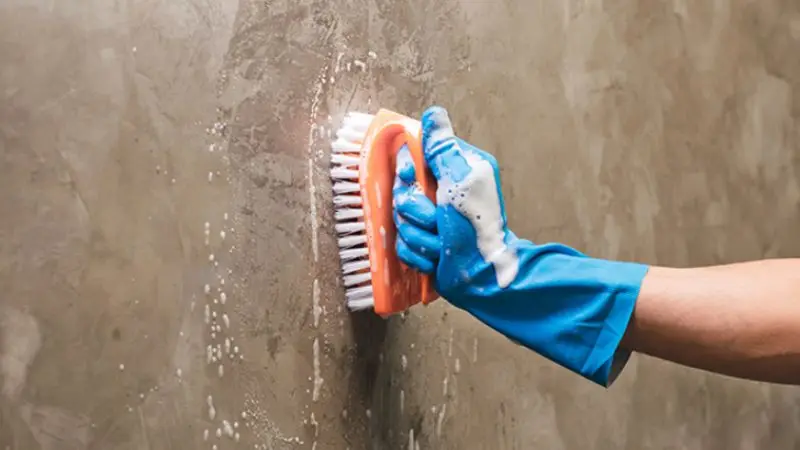
One of the most important steps before painting is properly cleaning the basement walls. Dirt, dust, and stains can prevent paint from bonding properly and shorten the life of the finish. A clean surface will help the paint spread evenly and adhere better to the concrete. Moisture buildup is usually found in basements and must be cleaned properly. Surface preparation also enhances durability and gives the final appearance a smoother look when painting the concrete walls in the basement.
How to Remove Dirt, Dust, and Efflorescence From Basement Walls
Begin by cleaning the wall surface of any loose dirt and dust. These particles prevent the paint from adhering properly and may result in uneven coverage. Wipe the surface using a hard brush to loosen up. Efflorescence is a white powder on concrete and is caused by moisture passing through the wall. Wipe these parts of the carpets with a wire brush till clean. Vacuum after brushing to get out dusty spots. A clean surface is very important before painting concrete basement walls, and using a paint sprayer later will also give a smoother and more even finish on properly cleaned walls.
How to Remove Mold and Mildew From Basement Walls Safely
Damp basements often have mold and mildew that have to be removed prior to painting. Combine bleach with water and use a sponge to apply to affected areas. Let it rest for a few minutes to allow it to break down the growth. Then wipe the surface and wipe it off with clean water. It is also necessary to dry properly to avoid regrowth. Make sure the area is well-ventilated while cleaning. When learning how to prevent moisture before painting basement walls, it is important to remove mold, which will help create a safe, clean surface for painting.
How to Choose Cleaning Solutions for Concrete Basement Walls
Basement walls require various stains and, therefore, cleaning solutions. Light dust and general dirt can be cleaned using mild soap and water. An efflorescence can be removed with a vinegar and water mixture. In the case of mold or mildew, a bleach solution is more effective. Harsh chemicals are also not to be used, as they may damage the concrete surface. Selecting the appropriate cleaner makes the wall firm and prepared to be painted. Clean surfaces also enhance the bond and durability of paint, a consideration when considering the best way to seal and paint basement walls with long-lasting results.
Repairing and Preparing Concrete Walls for a Long-Lasting Finish
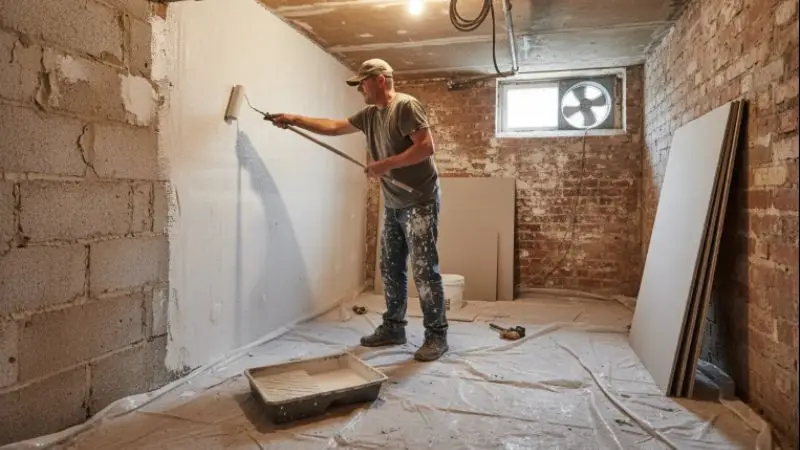
Before painting basement walls, it is important to repair them since any minor imperfections can influence the final outcome. Cracks, holes, and roughness allow moisture to enter and the paint layer to deteriorate over time. When done well, repair work leaves a stable, even surface that promotes durable paint adhesion. With the right preparation on the walls, the paint will be smoother and will last for years. This is necessary to achieve a top finish when painting the walls of a concrete basement.
How to Fill Cracks and Surface Defects in Basement Walls
The damage to the basement walls, including cracks and holes, should be sealed before painting to prevent further damage. Such openings may allow the water to creep in and peel or bubble the paint. Clean the crack by dusting it off. Next, put a patch of concrete or hydraulic cement with a putty knife, and press firmly into the crack. Flatten the surface and leave to dry thoroughly. Big holes can also need more than a single layer to be filled. It is a significant step in preparing the basement walls for painting, and the process will provide a robust foundation for painting.
How to Sand and Smooth Basement Wall Surfaces
Once cracks and holes have been repaired, the surface is smoothed. Painted walls may appear uneven or amateurish in rough or uneven places. Apply medium-grit sandpaper or a sanding block to smooth over patched areas and eliminate bumps. Rotate around to achieve improved outcomes. After sanding, wipe with a damp cloth to remove dust. A glassy surface helps paint bond well and enhances the overall look. This process assists in step-by-step painting of the basement concrete walls by making sure a wall is well prepared to be evenly covered by the paint, and a neat finish is achieved.
When to Apply a Concrete Sealer Before Painting
Before painting, it is sometimes necessary to apply a concrete sealer to enhance resistance to moisture and durability. It particularly comes in handy when the basement walls are damp or have water stains. The sealer forms a coating that minimizes the water intrusion as well as increases the lifespan of the paint. Use a brush or roller and let it dry as instructed. Stable walls are dry and do not necessarily need sealing, but it provides added protection in wet locations. This is to enhance outcomes in adhering to the best way to seal and paint basement walls, particularly in a damp basement environment.
Best Paint for Basement Concrete Walls
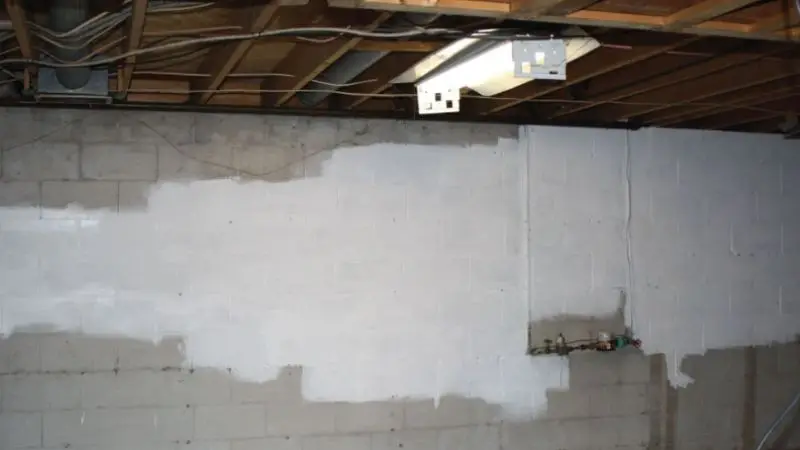
Proper paint selection is important because basement walls are exposed to moisture, subterranean pressure, and temperature fluctuations. Ordinary paint does not perform well under such circumstances, whereas the right kind of paint safeguards the wall and makes the finish more durable. An appropriate paint choice will also enhance the look and minimize future damage when painting basement concrete walls.
Acrylic Paint vs Waterproof Basement Paint
Most indoor walls are painted with acrylic latex paint, which is not durable enough for use in the basement. It is not waterproof, and it can peel with time. Masonry paint is waterproof and used on concrete to prevent water from getting into the wall. It also seals the tiny holes in the surface, which helps shield the wall from dampness. Waterproof masonry paint is the safest and most suitable choice for most basements, as it is long-lasting and provides greater protection.
Best Waterproof Paint Types for Basements
Basement walls can be painted with a couple of good waterproof paints. The most common is masonry waterproof paint, since it covers concrete and repels moisture. Epoxy coating is more resilient and can be applied in extremely damp spaces since it forms a hard and sealed coating. Extra durability is also applied with concrete coatings. All types provide varying degrees of protection and are intended for use in damp areas. Masonry waterproof paint is the most appropriate balance between protection and the ease of application to most homes.
What to Look for Before Buying Paint
A few things you have to check before deciding on what paint to put on the basement walls. First, see how much moisture is in the basement. Wet walls require more waterproof paint. Second, seek out mold- and mildew-resistant options to avoid growth in damp places. Third, the durability of checks such that paint is not prone to wear and tear due to moisture. These reasons help you select the most appropriate paint for concrete basement walls, providing greater protection and a long-lasting finish.
Step-by-Step Guide to Painting Basement Concrete Walls
Painting the walls of a concrete basement requires the right technique, since such walls are usually affected by moisture, stains, and uneven texture. By doing the right things, the paint will stay longer and appear smoother. Adequate preparation, proper application, and sufficient drying time all combine to provide a strong and clean finish. This also enhances durability and will not peel in wet basement environments.
Tools and Materials Needed for Painting Basement Walls
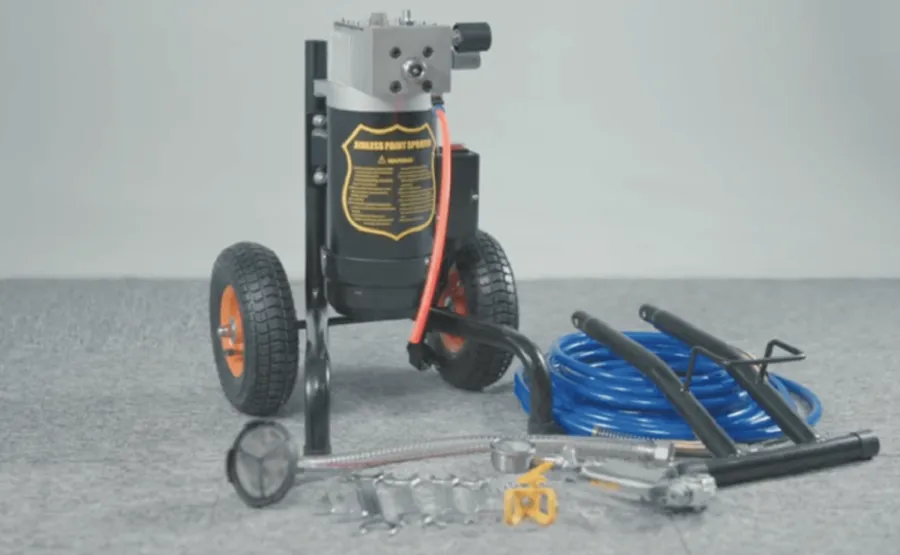
You must prepare all the tools and materials beforehand to ensure a smooth workflow. You will require a paint roller with an extension pole, an angled brush, a paint tray, painter’s tape, drop cloths, and a paint sprayer for faster and more even coverage. You should also have masonry waterproofing paint, concrete filler, sandpaper, and cleaning materials such as a sponge and a bucket. It is also important to have safety equipment like gloves, goggles, and a mask. Being prepared helps step by step the process of painting the basement wall of concrete and prevents interruptions at the workplace. The process is also cleaner and more efficient with appropriate tools when working on basement surfaces.
@truckintoby Super nice paint sprayer! Vevor airlesss paint sprayer with stand.. #vevor #paint #painting #paintsprayer #painter #vevorsprayer #affordable #shopping #freeshipping #VevorHomelmprovementFestival #freshwave #FallDealsForYou #TikTokShopBlackFriday #TikTokShopCyberMonday #TiktokShopHolidayHaul @Vevor_US
♬ original sound – TruckinToby
How to Apply the First Coat on Basement Concrete Walls
Begin with the edges and floors covered with tape and drop cloths. Before applying the paint, stir it well. Cut corners with a brush or roller on large areas. Using a brush, paint in a straight and uniform line. Do not overload the roller to avoid drips and uneven coverage. Allow the initial coat to dry completely, then proceed to the next stage. This step is significant for painting the basement concrete walls, as it will ensure proper bonding and easier coverage. Prudent use enhances the quality of finish and durability.
How Many Coats Are Needed for Basement Wall Painting
The walls of most basements require two layers of paint in order to protect and complete them. The initial coating helps seal the surface, whereas the second coating provides complete coverage and strength. In others, a third coat may be required if the surface appears irregular or patchy. Slim coats are always preferable to thick coats since they enhance adhesion and elimination of peeling. This is a critical aspect of painting concrete basement walls, as the various layers can help keep moisture off and enhance durability in the damp basement environment.
Drying Time for Basement Concrete Wall Paint
The drying process will be affected by the basement’s humidity and ventilation. The majority of the paints are dry to the touch in 4-6 hours, although waiting at least 24 hours between coats is recommended. Curing may take a week or more, depending on the conditions. Proper airflow accelerates the drying process and improves outcomes. This stage should not be rushed, as it may damage the finish and reduce durability. When you learn how to paint on the concrete basement walls, you must allow sufficient time to dry out, as this will give you lasting protection and a solid painted surface, since proper curing is the key to long-lasting protection.
Best Practices for Preventing Paint Failure in Basements
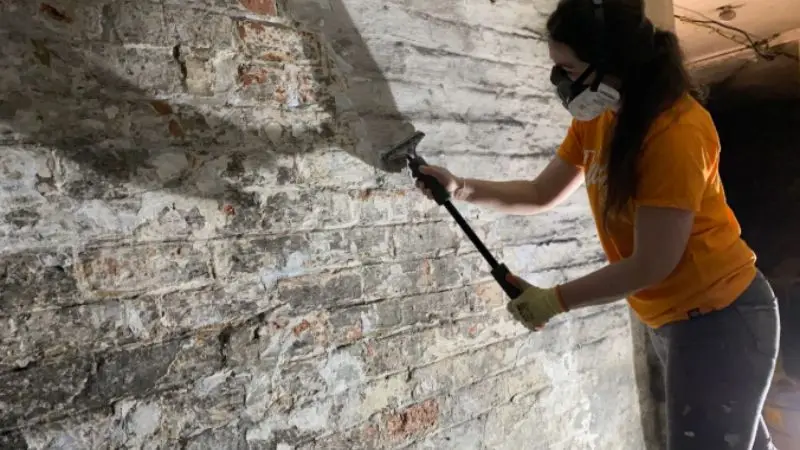
It is necessary to prevent paint failure in basements, as they are always exposed to moisture and humidity. Even high-quality paint may peel, bubble, or flake over time unless the environment is controlled. Humidity, airflow, and surface preparation are combined to protect the paint. The following steps are used to ensure that the results are long-lasting when painting the concrete basement walls and to enhance overall durability during rainy weather.
How to Control Basement Humidity for Long-Lasting Paint
One of the most crucial measures to prevent paint failure in basements is controlling humidity. Concrete walls may have high indoor humidity that gradually penetrates the paint and undermines it. A dehumidifier will help eliminate excess moisture and keep the area dry. Humidity can be measured with a hygrometer, but it should not exceed 60 percent to achieve greater effectiveness. Walls’ condensation indicates excess moisture. Preventing moisture before painting basement walls is important in order to keep humidity low and use masonry waterproofing paint.
How to Improve Airflow During and After Painting Basement Walls
Proper ventilation assists in drying paint and eliminating moisture accumulation in basements. Fresh air can be circulated through the premises by opening windows and doors. Air can also be moved across painted surfaces by fans, and exhaust fans are also used to remove damp air. Proper airflow is particularly important when using masonry waterproofing paint, as it ensures even drying. Following the painting, there should be enough ventilation for a few days to enhance the process of curing and finish quality. This process is a significant aspect of step-by-step painting of basement concrete walls since it allows the paint to settle and have a long life.
How to Prevent Peeling, Bubbling, and Flaking Paint in Basements
Common paint issues, such as peeling, bubbling, and flaking, often occur when the wall is not properly prepared or is moist. To prevent these problems, the walls should be clean, dry, and free of cracks prior to painting. Damaged parts should be repaired with patching compounds, and sanding should be applied to make the surface smooth. Masonry waterproofing paint should be applied in a thin layer with even strokes to enhance adhesion and decrease the chances of failure. It is also important that each coat should be allowed to dry completely. These steps will help to seal and paint basement walls in the best way and have a powerful and durable finish.
Wrap Up
Painting basement concrete walls is a time-consuming process carried out in a step-by-step manner and requires proper preparation and moisture control. Examining the walls to cleaning, fixing cracks, or selecting the appropriate waterproof paint, every step is significant in the end product. Any step omitted may cause peeling, bubbling, or premature paint failure. To enhance durability and appearance, it is recommended to use masonry waterproofing paint and ensure proper ventilation. By having the right procedure, your basement can be cleaner, brighter, and can be less susceptible to moisture damage. This can be done carefully and patiently to deliver long-term results and a professional-quality finish to any basement space.
FAQ
Is it possible to paint damp walls in the basement?
Wet walls should not be painted. Walls should be dried by using a dehumidifier or fans. Moisture can result in peeling and bubbling when painted over.
What is the time interval between coats?
A minimum of 24 hours must elapse between coats. Always consult the label of the paint to get the exact drying times. Adequate air flow facilitates the quick drying of paint.
Should I apply a primer prior to painting concrete walls?
A primer is not always necessary. If you use masonry waterproofing paint, primer is not required. In other words, the primer assists the paint to adhere.