Maintaining a clean garden or controlling weeds are two terms that are often familiar, landscape fabric vs. weed barrier. Many gardeners interchange the two terms frequently, but the terms are not the same. Understanding their difference is important so you get a smarter and more durable investment for your outdoor area.
In this guide, we break down everything you need to know, including the materials, performance, cost, and eco-friendly nature of landscape fabrics and weed barriers, so you can make a better decision before choosing the right one for your garden. Let’s begin!
What do you understand by landscape fabric?
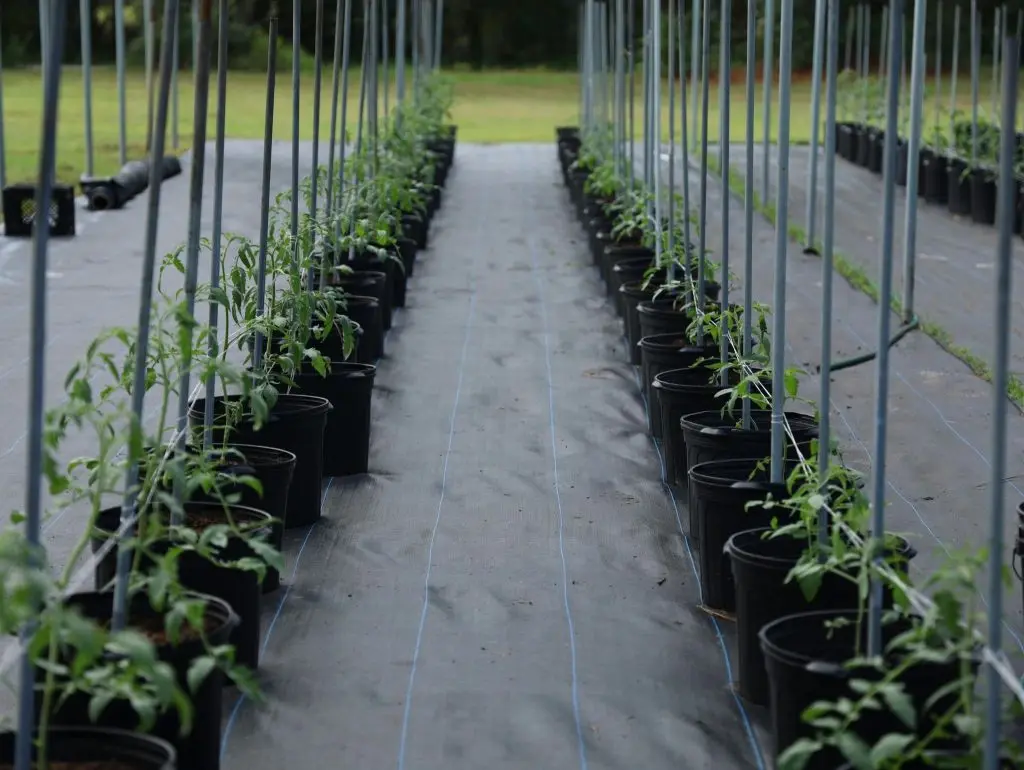
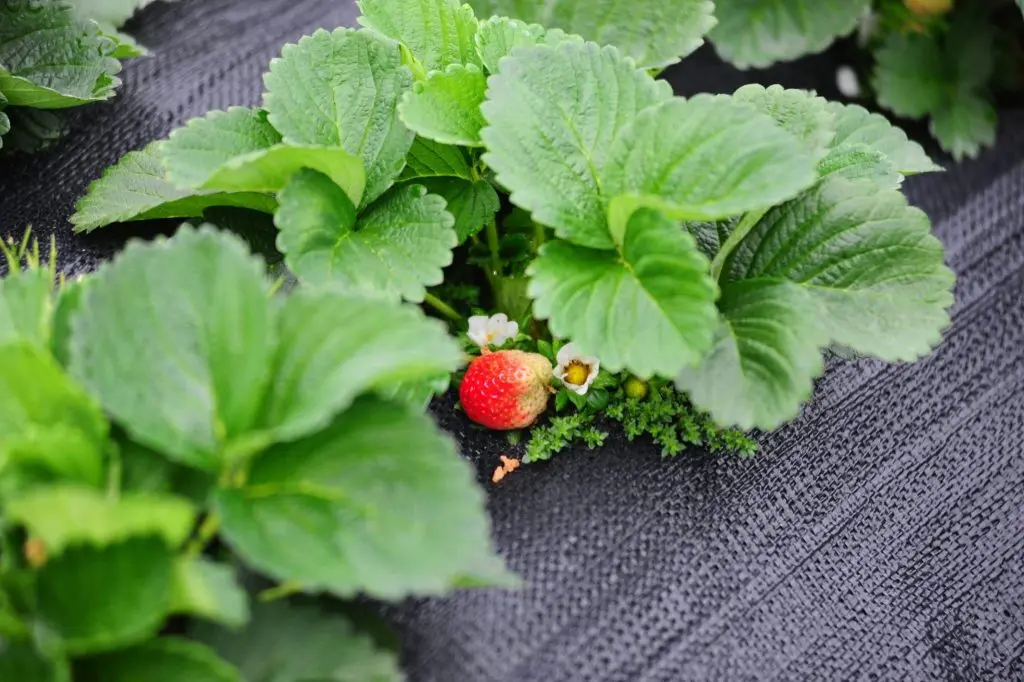
A landscape fabric is a water-permeable material that is placed over soil to suppress weed growth. It allows water, air, and nutrients to pass through. It is used in gardens around shrubs, under gravel paths, and in flower beds.
The main reason why gardeners choose landscape fabric is its balance between soil health and weed control. It doesn’t suffocate the entire soil like a plastic sheet. One of the common questions people ask is: Is landscaping fabric permeable? The answer is yes. High-quality landscape fabrics are specifically designed to let water and air penetrate. It blocks the sunlight so weeds can not grow.
Common types of landscape fabric
There are several varieties of landscape fabrics, and each one serves for different applications:
- Woven fabrics
Woven fabric is made by weaving polypropylene strands together. It is durable and strong and is ideal for tough applications like driveways and pathways.
- Non-woven fabric
Non-woven fabric is produced by bonding fibres together. It is used for drainage projects and gives excellent filtration.
- Spun fabric
Spun fabric is lightweight and convenient to install. They are perfect for short-term weed control in garden beds.
Key features of landscape fabric
Here are the key features of landscape fabric:
- It is permeable to water and air
- It reduces weed growth by blocking sunlight
- It is durable when installed correctly
- It helps retain soil moisture
- It is available in different thicknesses
Combining these features, you get a versatile solution for decorative and functional landscaping requirements.
What is a weed barrier?
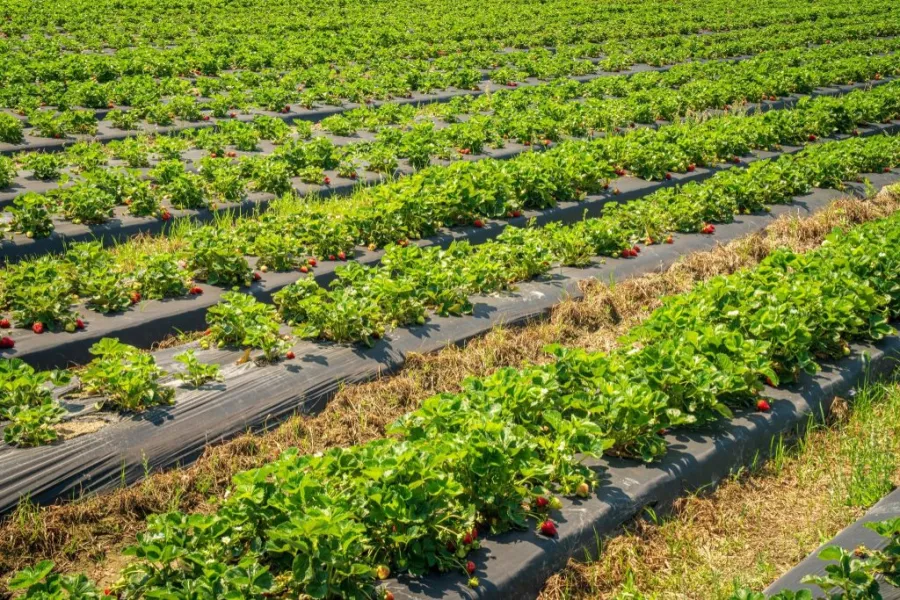
A weed barrier is a term referring to any material that prevents weeds from growing. Landscape fabric is a type of weed barrier, and it has categories like plastic sheets, mulch layer, cardboard, and organic materials.
Weed fabric is used for effectiveness in completely blocking weed growth in areas where aesthetics or soil health are less considered.
Common type of weed barrier
Here are some common weed barriers types:
- Plastic sheeting: It completely blocks sunlight and water. It is highly effective, but it can harm soil health.
- Organic mulch: It includes wood chips, straw, or bark. It suppresses the weed growth and improves the soil quality as well.
- Newspaper or cardboard layers: It is a budget-friendly and biodegradable option for a weed barrier.
- Fabric-based barriers: They are referred to as weed barrier fabric and are similar to landscape fabrics. The quality and permeability may vary.
Key features of weed barriers
Here are the key features of weed barriers:
- It blocks sunlight to prevent weed growth
- It is available in organic and synthetic options
- It can be long-term or temporary
- Some of the types are impermeable
- It varies widely in durability
Understanding these features helps in clarifying the debate of landscape fabric Vs. weed barrier.
Comparing the benefits
When evaluating landscape fabric vs. weed barrier, it is important to look at which option is best. Landscape fabric excels in maintaining soil health and weed control. Weed barriers offer weed suppression but can compromise the quality of the soil.
Benefits of landscape fabric
There are several advantages of landscape fabric:
- It promotes healthy soil by allowing airflow
- It prevents erosion
- It is ideal for long-term landscaping projects
- It works well under decorative elements such as stones and gravel
- It reduces the need for frequent watering
Due to these benefits, landscape fabrics are chosen in ornamental gardens and sustainable landscaping.
Benefits of weed barriers
The following are the advantages of weed barriers:
- It offers quick results
- It is ideal for large areas
- It is highly effective at stopping weeds completely
- It can be combined with mulch for added effectiveness
- There are budget-friendly options in it
Weed barriers are a practical choice for areas where weed control is the priority.
Detailed analysis of landscape fabric Vs. weed barrier
Let’s have a deeper insight into landscape fabric vs. weed barrier across these factors:
Composition of materials
Landscape fabric is made from woven or non-woven polypropylene. Weed barriers include plastic, synthetic blends, and organic materials.
A biodegradable weed barrier is an eco-friendly option that is made of natural fibres. It breaks down over time and enriches the soil.
Functionality
Weed barriers, especially made of plastic, are more effective at completely blocking weeds. Landscape fabrics provide sufficient weed control while supporting plant health.
The effectiveness of landscape fabrics vs. weed barrier depends on your priorities. Either you need balanced soil health or total weed elimination.
Ease of use
Landscape fabric is easy to cut and secure with garden staples. Weed barriers, especially the plastic ones, may require precise installation.
Installation
Weed barriers installation depends on the material, whereas landscape fabrics require proper layering and anchoring. Landscape fabric is easier to work with in smaller garden spaces.
Durable nature
Woven landscape barriers are very durable and can last for many years, while non-woven types are less durable. Weed barriers can degrade under sunlight, while organic options decay over time.
Cost analysis
A major factor to analyse in the landscape fabric vs. weed barrier decision is cost. Here is the breakdown:
- Landscape fabric is moderate in terms of upfront cost and long-term value
- Plastic weed barriers are initially low-cost but may require replacement
- Organic options are affordable but need frequent replenishment
Picking the right option for your garden
What to choose between landscape fabric vs. weed barrier depends on your specialised needs. Let’s have a look at some use cases:
- Decorative gardens or flower beds: Take landscape fabric for aesthetic and soil health
- Vegetable garden: Organic compost or biodegradable options are good for that
- Gravel paths and driveways : For this purpose, woven landscape fabrics are durable
- Large open areas: Plastic weed barriers give you maximum coverage
- Temporary projects: Cardboard or newspaper is the best choice
Clarifying your garden’s purpose helps you make the correct decision in the landscape fabric Vs. weed barrier comparison.
Tips for picking biodegeradble landscape barriers
If you prioritise sustainability, consider these helpful tips:
- Avoid the use of plastic
- Select natural fibre fabrics
- Consider biodegradable options
- Mix barriers with organic mulch
- Reuse materials where necessary
Considering eco-friendly solutions protects your garden and reduces environmental impacts.
Common mistakes when choosing
A lot of gardeners make these common mistakes when deciding between landscape fabric vs. weed barrier:
- Ignoring soil wellness
- Selecting impermeable plastic for plant beds
- Incorrect fabric installation
- Using cheap and low quality materials
- Having insecure edges
Avoid these mistakes to make a better decision.
Conclusion
In a nutshell, the real difference in landscape fabric vs. weed barrier is now clear. The former is a specific type of weed barrier designed to balance weed control with soil health, while the latter is a broader category that includes everything from plastic sheets to organic compost.
For a long-term and durable option, landscape fabric is a better choice. If you wish to maximise weed suppression over soil health, consider a traditional weed barrier. In the end, the best option is for your garden’s needs. It’s your choice how you keep your outdoor space healthy and free of weeds for years.