You may ask if gas or gasless MIG welding is better. Many people pick based on how good the weld is, what material they use, where they work, and how much money they have. If you want cleaner welds inside, gas MIG welding is a good choice. Both welding methods offer unique advantages and are designed for different working conditions and project requirements. Gas MIG welding is known for producing clean, smooth, and professional-looking welds, making it ideal for indoor applications.
On the other hand, gasless MIG welding provides greater portability and performs well in outdoor environments. When you are a beginner, hobbyist, or professional welder, selecting the correct welding method is important. This guide explores the key differences between gas and gasless MIG welders. It also explains the benefits and limitations of gas and gasless MIG welding to help you choose the best option for your needs.
What is a Gas MIG Welder? How It Works, Benefits & Limitations
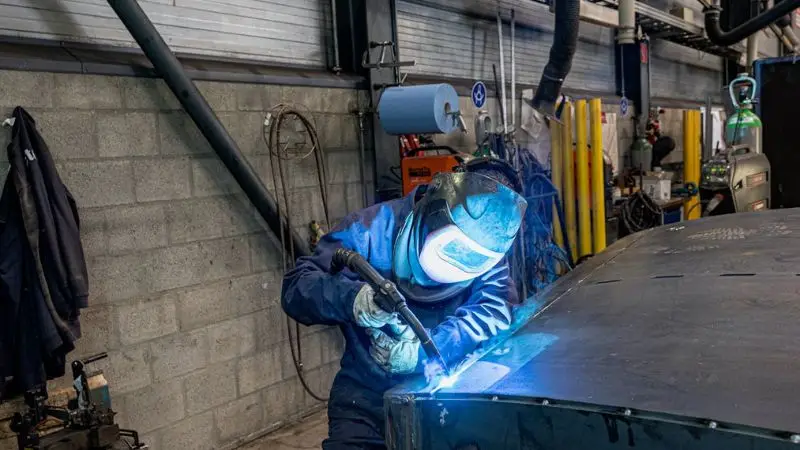
A gas MIG welder uses a continuously fed wire electrode and a shielding gas to keep the weld free from air contamination. Typical shielding gases are pure CO₂ for deeper penetration, and argon-CO₂ blends for smoother, cleaner finishes. Gas MIG welding provides good weld quality, low spatter, and control. It does need to be protected from the wind, set up, and have shielding gas cylinders, though, which can impact welding performance.
How Gas Shielded MIG Welding Works
A gas-mig welder includes a wire electrode that is fed from a welding gun. The gun is also a release-shielding gavs vs gasless MIG welding for beginners. This gas shields the weld from the air. If air comes into contact with the hot metal, it can cause weak spots or holes. This technique results in a better weld with less contamination. For projects that call for smooth, neat welds, many people opt for gas MIG welding. This gas protects the hot metal from air, moisture, and other contaminants. This feature is useful to the user in several significant ways. First, it is better for the weld quality. Molten metal may form defects like porosity, weak spots, or holes when it comes into contact with gases in the air.
Types of Shielding Gas Used (CO₂ vs Argon Mix)
MIG welding can be done with various gases. The most common are pure carbon dioxide (CO₂) or a mixture of argon and CO₂. Which is better, gas or gasless MIG welding? There are two main types of shielding gas – CO₂ and an argon-CO₂ mixture, commonly known as an argon mix. Different gases have their own benefits, and the choice of gases allows the user to obtain good welds for various projects. One advantage is that CO₂ can be used to work with thicker materials effectively. This gas can be used to weld strong steel parts together, creating long-lasting connections that withstand stress and everyday use. For less spatter and a better finish, try MIG welding using an ARGON gas mix. The most obvious advantage of gas MIG welding is that the welds are neat.
Advantages of Gas MIG Welders
One of the most prominent advantages of gas MIG welding is the clean appearance of the weld. The shielding gas protects the molten metal from atmospheric oxygen and moisture, reducing the likelihood of defects such as holes, porosity, and contamination. Compared with most welding techniques, gas welding or gasless MIG welding yields less spatter for beginner welders.
Gas mig welding has a lot of advantages:
- Clean, good-looking welds result from this.
- There’s less smoke, and you can see your work.
- Burn holes are not required for welding thin metals.
- The gas flow can be varied for various tasks.
Limitations of Gas MIG Welding
To determine the difference between a gas or gasless MIG welder, ask yourself where the welds will be used and what quality you want. Gas mig welding is ideal for inside work and for a smooth, strong weld. This limitation needs to be understood so users can better plan their work.
Although gas mig welding offers several benefits, there are also some disadvantages to consider:
- Must be used indoors or protected from wind. The wind may blow the shielding gas away and carry gas cylinders, increasing cost and weight.
- May require additional setup time as compared to gasless options.
What is a Gasless MIG Welder? How It Works, Benefits & Limitations
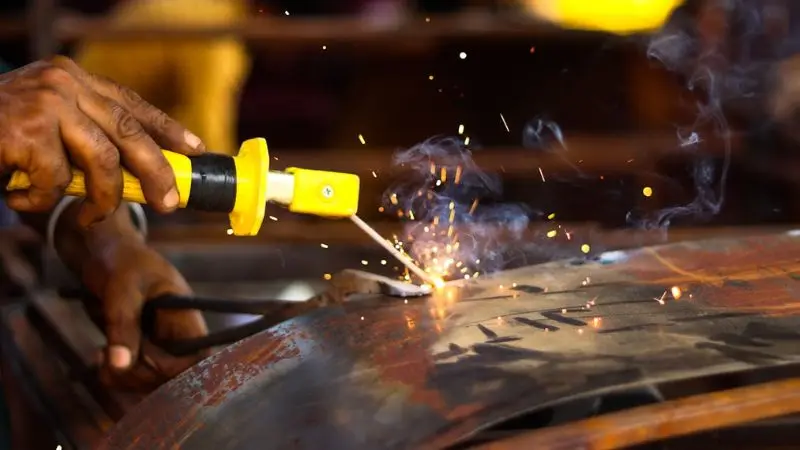
A gasless MIG welder is a type of MIG welder that does not require a gas tank because it uses flux-cored wire instead. This welding process is portable, cost-effective, and good in outdoor or windy conditions. Gasless MIG welders can be used with rusty or dirty metal and are often an ideal option for beginners. They usually produce more smoke, spatter, and after-weld cleaning than gas-shielded MIG welding.
Understanding Flux-Cored (Gasless) MIG Welding
The question may arise: how can gasless MIG welding be possible? This is done with a special wire known as flux-cored wire. No need to have a separate gas tank. The core of the wire is filled with flux. At the start of welding, heat melts the wire and flux. This forms a guard around the weld. Gasless MIG welding can be used in a variety of locations, including outdoors. There is no requirement for an outside shielding gas cylinder in gasless MIG welding. Rather, a special flux-cored wire is used in the welding process. This feature offers a detailed look at the advantages and disadvantages of flux-cored MIG welding. The flux forms a protective gas shield around the weld area when it melts while welding. This shield will keep the hot metal free from oxygen, moisture, and other airborne contaminants.
How Flux-Cored Wire Works Without External Gas
In flux-cored arc welding, a wire is used to protect the weld. The flux inside the wire melts and turns into a gas. This gas prevents it from coming into contact with the hot metal. There’s no need to haul around heavy gas bottles. Welding can be done in windy areas. Which is better, Gas vs Gasless MIG Welding? Gasless MIG welding is a popular method for repairs and on-farm jobs. It’s also great for housekeeping tasks when time is of the essence. A shielding gas is used to protect the weld from contamination during welding and is supplied from a cylinder and delivered through the welding gun. The flux-cored welding method is different. The flux material is a special substance in the wire’s hollow center that does not require a separate gas tank. The wire and flux melt as the welding arc preheats them. When the flux is burned, it forms a protective gas layer over the weld space.
Advantages of Gasless MIG Welders
No gas cylinders, regulators, or hoses to connect, unlike normal gas MIG welding. This feature is useful for understanding the advantages and disadvantages of flux-core MIG welding. This simplifies the welding process, particularly for novices. Users can save time setting up equipment and concentrate on learning the techniques and finishing projects. This also makes the machine more convenient for quick repair jobs due to its reduced setup time.
There are several tremendous advantages to gasless MIG welding:
- The wind won’t get in the way while welding outside.
- No need to purchase or store gas cylinders.
- Gasless MIG welding can be done on rusty metal or dirty metal.
- The lighter welder makes easy handling.
Disadvantages of Gasless MIG Welding
When you look at the differences between mig welder gas and gasless, you’ll find that both have their own applications. Gasless MIG welding is ideal for outdoor welding and fast repairs. If you’re working on an indoor job, you’ll get a cleaner finish when using gas MIG welding. In gasless welding, protection is provided directly by the flux contained in the welding wire.
It is important to be aware of the disadvantages of gasless MIG welding:
- More smoke and spatter may be observed.
- Welds may not be as tidy as those produced using gas.
- Post cleaning of welds might be required.
- May be more difficult to join thin metal.
Gas vs Gasless MIG Welder: Key Differences, Pros, Cons & Best Uses
Weld Quality Comparison
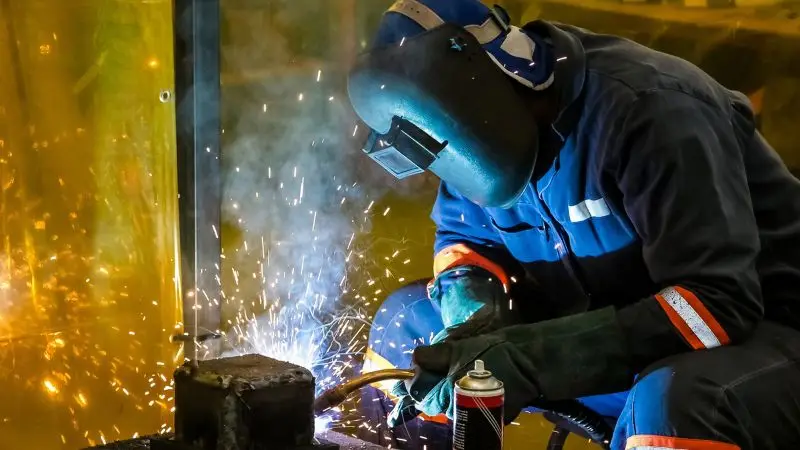
Strong and neat welds are desired. Gas mig welding provides cleaner welds with less spatter. You notice smooth lines and fewer holes. Welds produced by Gasless MIG welding will appear coarser. There may be more smoke and cleaning up. Is it possible to weld with the MIG welder without the use of gas? Gasless MIG welding is suitable for repairs, while gas MIG welding is suitable for projects requiring a nice finish. A good weld not only has a clean and professional appearance but also bonds the pieces of metal together. The quality of the weld may affect the durability, safety, and aesthetics of the completed work. Gas MIG welding uses a shielding gas to prevent the weld area from being contaminated by air. This shielding gas helps to maintain a stable welding arc and a clean weld pool.
Ease of Use and Learning Curve
Gasless MIG welding might be easier for people who are new to MIG welding. No need to install gas tanks or adjust gas flow. All you have to do is load the wire and begin to weld. More welding set-up for gas MIG welding. Gas should be checked, and the area should be free of wind. When you’re learning to weld, you can concentrate on the basics, and this is the reason you will learn at a faster rate with gasless MIG welders. This functionality is useful to users because it simplifies setup. It also sheds light on the difference between gas and gasless MIG welders. Gasless MIG welding eliminates the need to attach gas cylinders, regulate gas flow, and operate additional equipment. All they have to do is load the wire, adjust the welding process parameters, and begin working. If you want to practice and gain confidence, start with gasless MIG welding.
Cost Comparison (Equipment & Consumables)
Save money on gasless MIG welding. Gas cylinders are not purchased or refilled. Do you need gas for MIG welding steel? The only thing that is required is flux-cored wire. Gas MIG welding is more expensive as you need to purchase gas and special wire. If users are unaware of the full costs of welding projects, these projects can become expensive. Gas MIG welding tends to be more expensive at the outset because it requires additional equipment such as a gas cylinder, a regulator, and hoses. The additional component parts add to the initial costs. Just the welding machine and flux-cored wire are required. This gives it an added advantage: cost-effectiveness for those who are just starting out, DIY enthusiasts, and small workshop owners.
Outdoor vs Indoor Use Suitability
Gasless MIG welding is allowed outside! The wind itself doesn’t affect the shield, since it produces its own gas. Gas mig welding is most suitable for indoor applications. Winds and blustery conditions blow out the welding arc, resulting in poor welds. Gasless MIG welding is perfect for farm welding, fencing, and outdoor work. Gas mig welding is best suited for garages and workshops. Gas MIG welding uses a shielding gas to protect the weld and is typically performed in a controlled area, such as a workshop, garage, or fabrication shop. In indoor welding, the welding gas shield is clean, smooth, and strong, so the welding is free from wind interference. But gasless MIG welding can be used in outdoor welding jobs. Does not use a shielding gas and is less sensitive to wind or air flow.
Material Thickness and Application Differences
Thick metal is welded using gasless MIG welding. A flux-cored wire results in deep penetration. A gas mig welder is suitable for thin plates: no burn holes and smooth welds. Weld with gasless MIG when necessary, for heavy-duty jobs. So, what is the difference between Gas and Gasless MIG welding? Weld for auto body and small work with gas MIG welding. However, the Gasless MIG welding method is suitable for thicker materials. The flux-cored wire has been found to increase penetration into the material, yielding a deeper weld. When deciding on a gas-fed MIG welder versus a gasless welder, take into account the material and where the welding will occur.
Choosing the Right MIG Welder for Your Projects and Budget
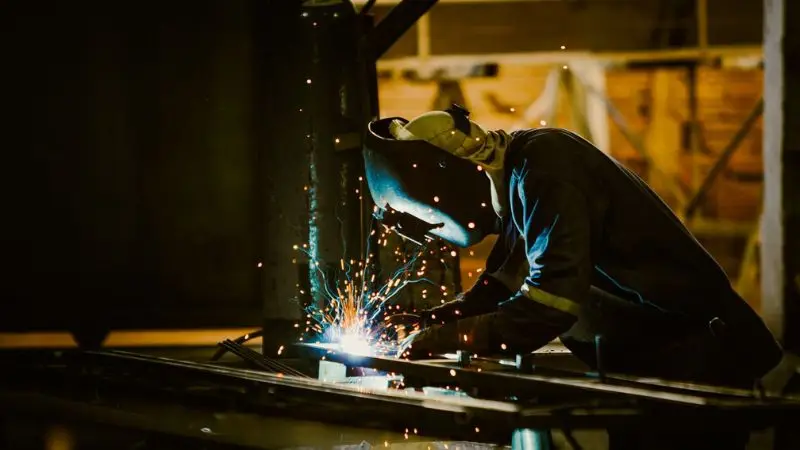
When deciding on a MIG welder, its expertise, project specifications, and cost need to be taken into account. Gasless MIG welders are lower-cost and easier to operate for beginners, while Gas MIG welders, for better welds, are ideal for indoor and professional applications. Depending on the type of metalwork you’re looking for, your budget, and the project’s location, you can find a welder who meets your needs and delivers satisfactory results.
Best Choice for Beginners
If you are a novice welder, you require something easy to understand. If you’re a new welder, you need an easy-to-use tool. Gasless MIG welding requires a simple setup, with no gas flow and no heavy gas tanks. Immediate welding can be performed. The Gasless MIG welders enable you to concentrate on mastering the fundamentals. These can also be conducted at home or away. Gas welding is favored over gasless MIG welding for many reasons, including its ability to be used on oily or rusty materials. The work area does not have to be tidied up. This simple setup lets the user focus on using the welding gun without worrying about technical adjustments. The machine is designed to be easy to use, even for GAS welding, and the beginner will be able to gradually master more advanced techniques as his proficiency increases.
Best Option for Professional Welders
Among the popular methods used by professional welders, Gas MIG welding is one of the most preferred. Cleaner welds and greater control. Can work on thin metals and make good seams. Gas or gasless MIG welding, which is better? Gas MIG welding is the most suitable welding process for automotive body shops and metal work shops. Gas can be varied for various tasks. Gasless MIG welding can be used for exterior applications; most tasks will get the best finish from gas MIG welding. In many situations, a professional welder will have to work on tasks where both visual appeal and the strength of the created structure are crucial. Gas MIG welding guarantees clean, smooth, and attractive welds. The shielding gas prevents contamination of the weld pool, which helps minimize issues like bead shape, spatter, and porosity.
Choosing Based on Project Type
The welder should be matched with the project. Welding with MIG (GMAW) outside, on fences or farm equipment. Gasless MIG welders are used for thicker metals and windy conditions. Apply gas MIG welding for furniture, car panel work, or indoor work. Fewer (smoother) welds with less cleanup. If you are creating different types of projects, you may need a machine that can easily switch between them. You are now familiar with the major differences between gas and gasless MIG welding. Cleaner internal welds using gas MIG welders. Savor the convenience of Gasless MIG Welders and money-saving in the field! Each has its pros and cons, and it is important that you select the proper welder and skill.
Budget Considerations
You are looking for a cost-effective choice. The initial operating expenses for gasless MIG welding are lower. No purchase of gas or rent of tanks. Gasless MIG welders are lighter and less costly. Gas MIG welding is more expensive because it requires gas and special wire. For those who are on a budget, gasless MIG welding is a good first choice. Gas MIG welding yields the best welds, but comes with a higher price tag. Before you decide on a gas welder versus a gasless welder, consider the following: What skills you need, what projects you have, and what your budget is. It makes welding fun and gives you great results. Consider the location for welding, cost, and aesthetic finish. Select the appropriate welder for your application and weld with confidence!
Wrap Up
Whether you’re working on a specific project or tackling a variety of tasks, MIG Welder Gas and Gasless systems provide you with the flexibility and convenience you need. Gas MIG welding is best known for producing high-quality welds, particularly in indoor settings. Gasless MIG welding is more portable and convenient for outdoor use. Knowing the difference between gas-fed and gasless MIG welders can help users make better welding decisions. Gasless MIG welding can be used by beginners with ease, while gas MIG welding offers the precision desired by professionals. When choosing a method for a job, users will take into account the budget, the type of material to be processed, and the location where it will be processed. In summary, opting for gas-shielded MIG welding over gasless MIG welding yields improved outcomes, efficiency, and confidence in welding tasks.
FAQs
Is it possible to weld with both gas and gasless wire in the same welder?
Some MIG welders allow you to switch between gas and gasless modes. You should refer to your welder’s manual. If your machine has both, you can substitute the wire and settings to suit your project.
What causes my Gasless MIG weld to look messy?
More spatter and smoke will be generated in gasless MIG welding. The flux-cored wire shields the weld, but causes residue. The weld can be cleaned up with a wire brush. The more you practice, the better you’ll do.
Could gasless MIG welding be performed safely in an indoor environment?
Gasless MIG welding can be used indoors, but with proper ventilation. The process makes more smoke and fumes. Please wear a mask and ventilate with windows open at all times.
Which metals can be welded with a gasless MIG?
Gasless MIG can be used to weld mild steel. Some flux-cored wires can be used on stainless steel. Gasless MIG is not recommended for aluminum. It is best to verify the wire label prior to beginning.
What shielding gases are available?
Depending on your project, you will select the appropriate gas. For deep welds in thick steel, use pure CO₂. For clean, smooth welds of thin metal, use an argon mix. You can make your decision using your welder’s manual.