You want to know how to use a jerry can the right way? Safety comes first whenever you’re dealing with fuel. A jerry can is handy for storing and carrying gas or diesel, but it must be handled with care. The right steps protect you from dangerous spills, leaks, or fumes and also help keep your fuel clean and ready to use.
From filling to pouring, small habits make a big difference. When you follow safe practices, you not only protect yourself but also make sure your equipment runs smoothly every time you use that fuel.
Preparation and Safety Basics Before Using a Jerry Can
When dealing with fuel, preparation is the first step to safe handling. A jerry can may look simple, but using it without care can lead to spills, leaks, or even dangerous situations. Taking time to prepare your container and surroundings ensures you handle fuel the right way every single time. In this section, you’ll learn how to safely use a jerry can for fuel, starting with the right container, a quick inspection, and safe transport.
Choosing the Right Jerry Can for Your Fuel Needs
Not all jerry cans are the same, so it’s important to match your container to the fuel you plan to store. Gasoline is usually kept in red cans, while diesel belongs in yellow ones. This simple color code helps you avoid costly mistakes at the pump.
You’ll also find metal cans that are strong and long-lasting, and plastic ones that are lightweight and easier to carry. Make sure the jerry can has a secure cap and a spout that fits tightly. These small details reduce the risk of spills and help you follow a step-by-step guide to using a jerry can safely.
Inspecting and Cleaning Your Jerry Can Before Filling
Before filling up, always give your jerry can a quick check. Look closely for cracks, dents, or weak spots that could cause leaks. Run your hand along the seams and check the bottom for damage. If you notice dirt or old fuel inside, rinse it out with a small amount of fresh fuel and dispose of it safely.
Cleaning prevents clogs and keeps your gas or diesel pure. Taking a moment to inspect and clean is part of how to use a jerry can without spilling, ensuring the fuel stays clean and your equipment remains in top shape.
Transporting a Jerry Can the Safe Way
A jerry can should be handled with caution when full. You should never leave it in an upright position or nearly so that it may tip off in your vehicle. Even a firmly tight cap may loosen and spill the can. It should not be exposed to heat or direct sunlight, as fuel can be squeezed out, and it may cause pressure to be created in the container.
To be on the safe side, be sure to keep it in a well-ventilated area when on the go. To learn to safely use a jerry can with fuel also means to transport it responsibly. By taking precautions, you will be able to prevent accidents and prevent injuries to your cars as well as your surroundings.
How to Use a Jerry Can: Filling, Pouring, and Storing
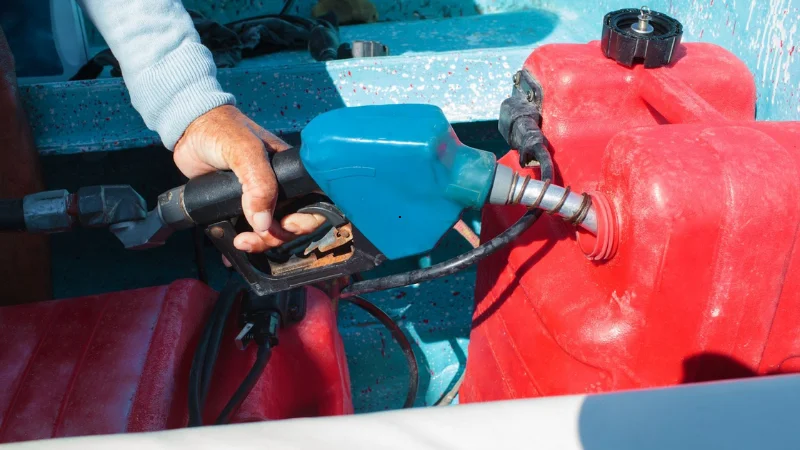
Learning how to safely use a jerry can for fuel is more than just filling it up. Each step—filling, pouring, and storing—requires careful handling. Done the right way, you can keep fuel clean, avoid spills, and reduce fire hazards. In this section, you’ll find a step-by-step guide to using a jerry can, so you can handle gasoline or diesel confidently at home or at a gas station.
Safe Filling Procedures for a Jerry Can
Filling is the very first step where most accidents happen, which is why it demands extra care. Always place the jerry can on the ground before starting. This prevents static electricity from building up, which can lead to dangerous sparks. Keep the nozzle of the pump in direct contact with the can while filling to lower the risk of ignition. Fill slowly, never rush the process, and stop before reaching the very top to leave space for fuel expansion.
- Set the jerry can on a flat, solid surface.
- Insert the nozzle and keep it touching the rim.
- Fill slowly, watching closely to avoid spills.
- Wipe off any fuel drops before replacing the cap tightly.
Following this method ensures you know how to use a jerry can at a gas station without creating hazards.
Pouring Techniques That Prevent Spills
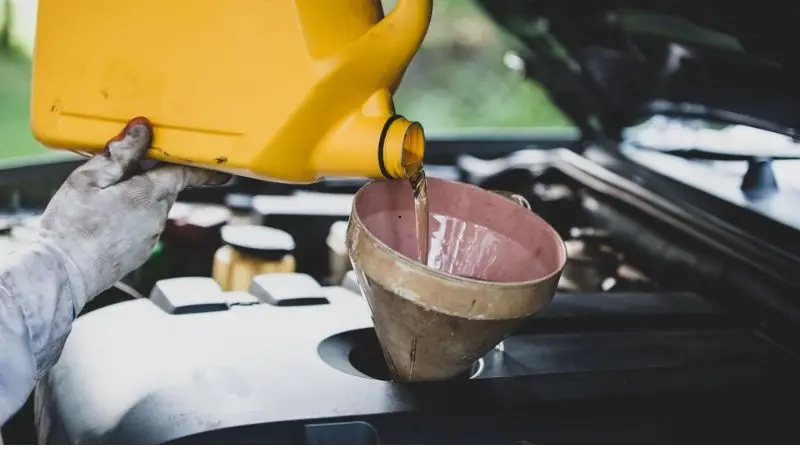
Once filled, pouring fuel correctly is just as important as filling it. The right spout makes a big difference—choose one that fits securely and prevents leaks. Some spouts come with child-safety locks, which provide extra protection. When you pour, hold the jerry can firmly and tilt it slowly to keep the flow steady. Avoid rushing, since quick pouring increases the risk of overflow. Always keep the area clear of open flames, sparks, or ignition sources, as gasoline vapors are highly flammable.
- Pick a spout that locks tightly onto the can.
- Hold the can steady and tilt at a slow angle.
- Pause pouring if you see fuel splashing or dripping.
- Wipe up every drop to keep surfaces safe.
By practicing these steps, you’ll understand how to use a jerry can without spilling fuel unnecessarily.
Storage Guidelines for Jerry Cans and Fuel Safety
The proper way of storing your jerry can helps you and your fuel. Both gasoline and diesel should be stored in a cool, dry, and well-ventilated area. The expansion of fuel under heat and sunlight can place pressure on the container, leading to leakages. The safest location is a stable shelf/floor without heaters, electrical outlets, and appliances. Always use child-proof caps in order to avoid accidental access. Always make sure that the place where you store your fuel is clean and without clutter and any other flammable substances.
- Keep the jerry can upright on a stable surface.
- Store it in a ventilated area away from living spaces.
- Avoid direct sunlight or high heat sources.
- Use approved containers only.
Proper storage is a vital step in any step-by-step guide to using a jerry can responsibly.
Maintenance Practices to Keep Your Jerry Can Safe
Routine maintenance ensures your Jerry can remain safe and reliable for long-term use. Over time, cans can develop cracks, weak seams, or damaged caps that lead to leaks. Make it a habit to inspect your container every few months. Rinse the inside with a small amount of fresh fuel to clear out dirt or residue, then dispose of it safely. Always check the cap and spout for tight seals, replacing worn parts if necessary. Cleaning the outside removes leftover gasoline that could create odors or hazards.
- Inspect seams, caps, and spouts for signs of wear.
- Replace seals and caps that no longer close tightly.
- Rinse out old fuel and dirt every few months.
- Clean surfaces to remove gasoline residue.
Maintaining your container is part of how to safely use a jerry can for fuel, making it dependable every time you need it.
Wrap Up
A jerry can is more than just a container—it’s a tool that demands careful use. From choosing the right can and filling it safely to pouring without spills and storing it correctly, every step plays a role in keeping you and your fuel safe. Now that you’ve seen a step-by-step guide on how to use a jerry can, you can approach the process with confidence.
Whether you’re at home or learning how to use a jerry can at a gas station, remember that preparation, proper handling, and regular maintenance are key. With these habits, you’ll handle fuel safely, prevent accidents, and make your jerry can last for years
FAQ
Are you able to leave a jerry can outside?
It is recommended that you store your jerry can in a cool, dry place. Heat and sunlight may corrupt the can and render gasoline unsafe.
How frequently are you checking your jerry can with regard to leakage?
Make sure your Jerry can is checked prior to use. Check cracks, weak points, or gasoline smell. Watching out early is one way to avoid accidents.
So what happens when you spill gasoline out of a jerry can?
- Wipe up the spill right away.
- Move the can away from flames.
- Clean and wash your hands.