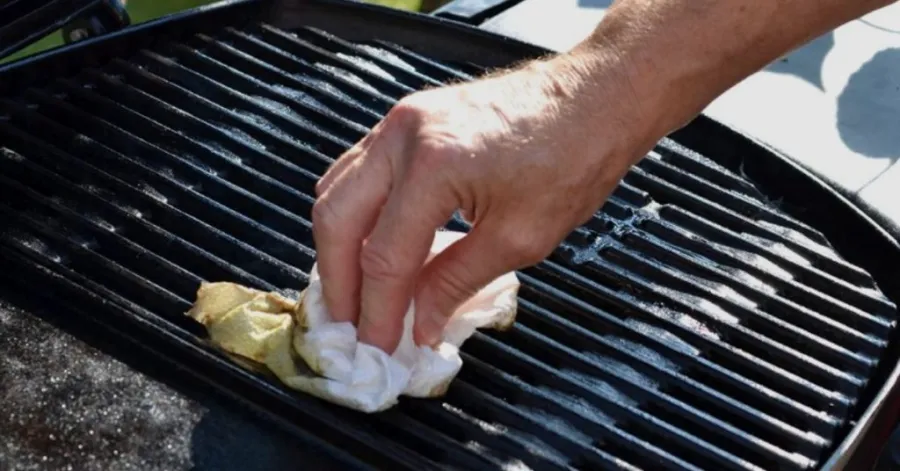
If you want your grill to work its best, then learning how to season cast-iron grill grates is key. Seasoning is an easy process that helps to protect your grill and improve cooking. It begins by cleaning the grates thoroughly and removing any old food or grease from them. Next, you swell them by coating them with a thin layer of oil so that every part is covered. Then, apply heat to the grates, which allows the oil to attach to the metal, forming a smooth, non-stick effect. Proper seasoning will also prevent rust from forming, and it will make the cleaning process easier, as well as make your grill last longer period of time. With experienced grates, no cookout is easy or fun.
What it Means to Season Cast Iron Grill Grates
Seasoning cast-iron grill grates is an important step in helping to protect and improve their performance. Many people hear about seasoning but are not always sure of what it really is. Simply put, seasoning provides a shield that helps your grill grates last longer and work longer on your grill.
When you know how to season cast iron grill grates, you can help avoid some of the common issues, such as rust, sticking food, and uneven cooking. Seasoning is not a momentary task. It is something that should be done on a regular basis to keep your grill in prime condition.
Why Casting is Important for Cast Iron Grill Grates
Seasoning is very important because cast iron grill grates require protection to keep them strong and smooth. When you apply oil to a surface and heat it up properly, a protective layer forms. This layer prevents moisture and air, which are the primary causes of rust. Without seasoning, cast iron can become rough and flaky and be difficult to cook on.
Seasoning also enhances everyday grilling by:
- Reducing the sticking of foods during cooking
- Helping heat to spread out more evenly
- Making clean up easier after each use
If food starts to stick or there are signs of rust, this will typically indicate that the seasoning has worn away. Regular seasoning is an integral component of cast iron grill care, and will enable your grill grates to endure longer, on top of being reliable for daily use.
How Seasoning Enhances Cooking, Protection, and Flavor
Proper seasoning enhances performance as well as flavour during grilling. A good seasoned surface forms a natural non-stick surface, making it much easier for food to come off without ripping. This is especially useful for grilling fish, vegetables, or smaller pieces of meat.
Seasoning also helps to protect the metal by closing tiny pores in the cast iron. This protection is important for outdoor items exposed to the elements, including cast-iron patio furniture. Over time, seasoning imparts flavor as oils are bonded to the surface and adds smoky notes.
Key benefits include:
- Easier flipping and better cooking
- High resistance to rust and wear
- Richer flavor with repeated use
This process helps know how to season cast iron grill grates and grills into a joyful and low-maintenance way to cook.
When to Season Cast Iron Grill Grates
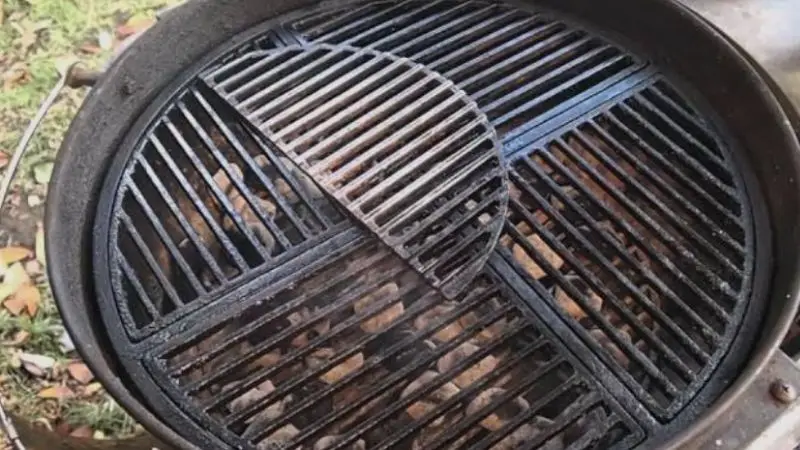
Knowing the correct time to season cast-iron grill grates can help avoid rusting, sticking, and uneven cooking. Seasoning is not only for maintenance, but also for creating long-term performance. Whether your grill grates are new, rusty, or well used, correct timing makes quite a difference as to how well they work.
As you understand when seasoning is necessary, you can be one step ahead of damage and promote your grilling results with less effort.
Seasoning New Cast Iron Grill Grates
New cast-iron grill grates should always be seasoned prior to the first use. Although they often arrive with a coating from the factory, such a coating is only supposed to protect the metal during shipping and storage. It is not intended as a cooking device. Washing, drying, and seasoning new grates will produce a strong base layer that enhances performance on the first day.
This initial seasoning is effective in the sense that:
- Creating a non-sticky surface that is natural
- Preventing premature rust development
- Making the distribution of heat more even
Starting out with proper seasoning provides a foundation for long-term cast iron grill care and helps your food to cook cleanly without sticking or burning.
Re-Seasoning Rusty/Neglected Grill Grates
Rust or build-up doesn’t mean your grill grates are done for. Cast iron is robust and can be rehabilitated by correct re-seasoning. Scrubbing away the rust, cleaning it thoroughly, and applying some oil to the surface allows the surface to recover and be smooth again. Heating the oiled grates causes the oil to bond with the metal and rekindles protection.
You need to re-season when you find:
- Rust spots or discoloration
- Food is sticking more than usual
- A rough/dull cooking surface
This process has much to do with the best method of cleaning cast iron bbq grill grates, as proper cleaning prepares the surface for effective seasoning and longer-lasting results.
How Often To Season Cast Iron Grill Grates
How often you season depends upon how often you grill and how your grates are stored. Regular use gradually wears away the seasoning layer, particularly after being exposed to high heat or moisture. Checking your grates frequently will help you determine whether it is time to season again.
Seasoning is often required when:
- Food starts to stick while cooking
- The surface appears dry or rough
- When grates are exposed to rain or humidity
Maintaining a routine helps you season cast iron BBQ grill grates properly and keep them going strong, tasting good, and ready whenever you fire up the grill.
What You Need for Seasoning Cast Iron Grill Grates
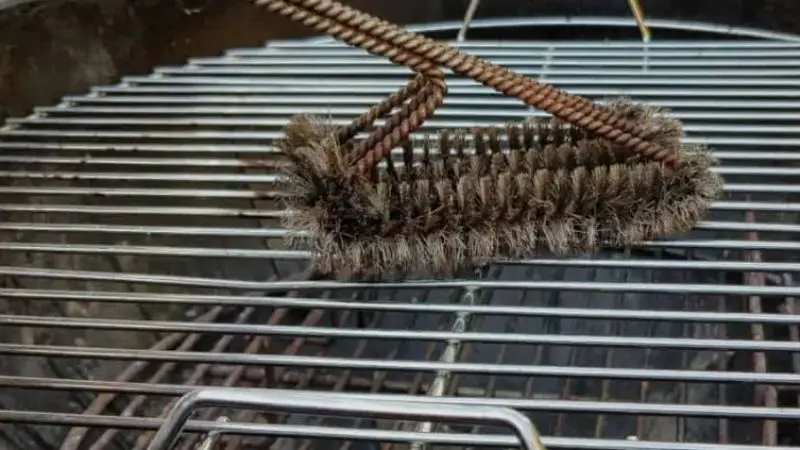
Having the right materials makes things easier and better when it comes to seasoning. While the process is relatively simple, the proper use of appropriate oils and some fundamental tools helps to produce a good, long-lasting coating. Good preparation also limits mistakes and maintains the better condition of your grill grates in the long run.
The choice is a smart support to consistent results and regular seasoning part of proper grill maintenance.
Choosing the Best Oil to Use for Seasoning Cast Iron Grill Grates
The type of oil you use makes a great deal of difference to the effectiveness of seasoning. The oils with a high smoke point bond better with cast iron and create a smooth and durable layer. Vegetable oil and canola oil are popular choices because they are cheap and they tolerate high heat well. Flaxseed oil is also used by many grillers as it provides a hard finish, providing proper heating.
Other appropriate choices are:
- Grapeseed oil, for even covering
- Stable seasoning results using sunflower oil
The right oil is used to prevent sticking, improve heat tolerance, and ensure long-term cast-iron grill care when grilling frequently.
Tools and Materials Required for Seasoning
Seasoning cast-iron grill grates does not require any special equipment. A few simple items are sufficient to get the job safely and effectively done. Having all the elements in place before actually beginning the process makes it a smoother task and helps prevent rushed mistakes.
Commonly wanted supplies include:
- Clean cast-iron grill grates
- A high smoke point oil
- Paper towels or a clean cloth
- A grill brush or steel wool
- Tongs and heat-resistant Gloves
These simple tools ensure that the oil is spread evenly, the hot surfaces are handled, and the grates are properly prepared, which is essential in learning how to season cast iron grill grates correctly.
Oils You Should Avoid Seasoning with When Cast Iron
Some oils are not good to cook with because they burn too fast or leave behind a greasy residue. Oils with low smoke points are easily broken down under high heat and produce uneven coatings that are hard to maintain. Butter and margarine have a fast-burning time and build-up. Olive oil and coconut oil can have a tacky surface to which debris gets attracted.
Avoiding these oils helps:
- Prevent Uneven Layers of Seasoning
- Reduce frequent re-cleaning
- Maintain a smooth cooking surface
Using proper oils also helps in the best way to clean cast iron BBQ grill grates, as the best seasoned surfaces are easier to wipe down after cooking.
How to Season Cast Iron Grill Grates Step By Step
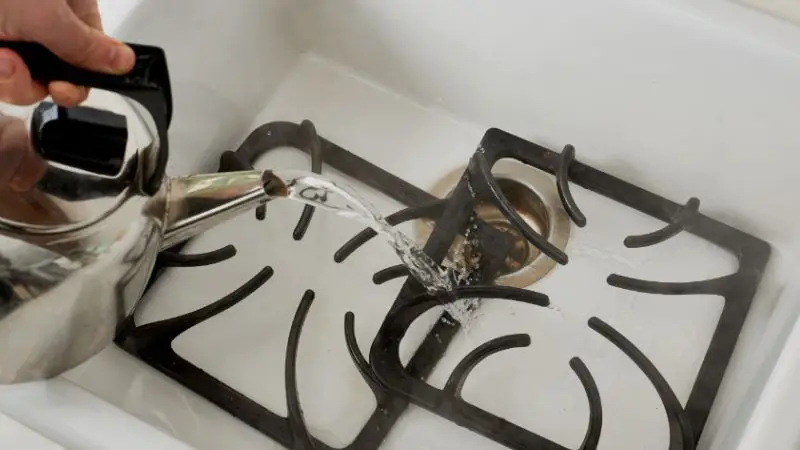
Seasoning cast-iron grill grates is best when accomplished in clear-cut and simple steps. Each stage is designed to prepare the surface for the next, and helps the oil bond properly and make a durable layer. Skipping steps or rushing the process may result in uneven seasoning or sticky spots.
Following the entire process ensures that your grill grates stay smooth, protected, and ready for consistent cooking.
Cleaning the Cast Iron Grill Grates Thoroughly
Good cleaning is the key to good seasoning. Removing old food, grease, and buildup serves to evenly stick oil to metal. If facing up to a cost of $50 per week priced at $50 per gallon, start by scrubbing the grates with a grill brush to loosen debris. If there is still residue, water that is warm and a little soap can be used. Rinse thoroughly to remove all the soap.
This step helps by:
- Removing the pores from the cast iron surface
- Protecting from debris trapped beneath the seasoning layer
- Developing a smooth foundation for oil bonding
The best way to clean cast-iron BBQ grill grates is to be prepared for long-lasting results with seasoning.
Drying, Oiling, Heating, and Cooling the Grill Grates
Once clean, grill grates must be well-dried to prevent rust. Moisture that is left behind can reduce the strength of the seasoning layer. Dry them with a towel or put them on the grill for a short time to evaporate any leftover water. Using a cloth, apply a thin and even layer of oil to the body, without excess.
After oiling:
- Turn the grill on high, with the lid closed
- Allow the oil to bond/darken the surface
- Let the grates cool down on their own in the grill
This entire process is all about how to season cast iron grill grates correctly and make sure that the protective layer is properly set and covers evenly.
How to Season Cast Iron Grill Grates on a Gas Grill
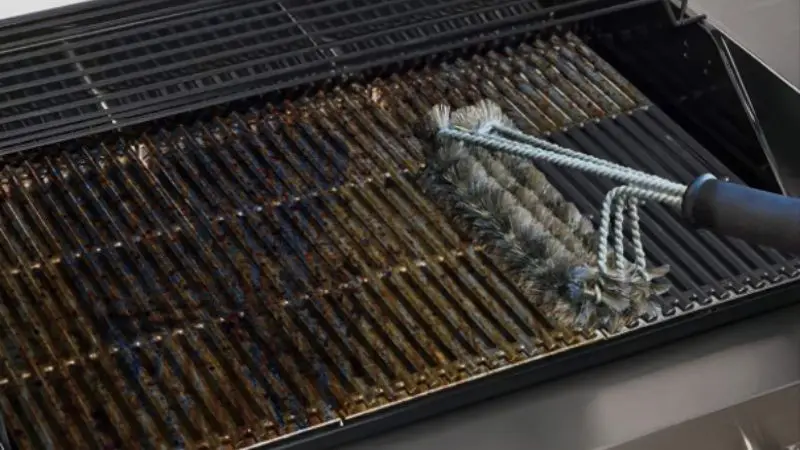
Gas grills provide constant heat, making it easier to control the seasoning. Maintaining the right temperature helps oil to bond evenly without burning too fast. With proper heat management, the gas grills can produce excellent seasoning results.
Understanding temperature and making sure you make no mistakes extends the life of your grill grates.
Setting the TemperatureCorrectly on a Gas Grill
The temperature plays a major role when seasoning on a gas grill. Medium-high to high heat is required to polymerize the oil to form the strong coating. Pre-heating the grill helps you to warm the cooking grates evenly before the seasoning work begins.
Helps proper temperature control:
- Prevent uneven patches of seasoning
- Generate a long-lasting non-stick surface
- Minimize the need for re-seasoning frequently
Maintaining a steady heat is very important when trying to learn how to season cast iron bbq grill grates, but on gas grills, precision really helps obtain better results.
Common Mistakes to Avoid While Seasoning on Gas Grills
Mistakes made during the time you’re seasoning the grill can reduce the life of your grill grates. Too much oil will often cause stickiness, and not pre-heating will cause the die to stick. Dirty grates prevent the oil from contacting the surface, and low heat weakens the seasoning layer.
Some common problems to avoid are:
- Applying thick oil layers
- Opening the lid too often
- Rushing the heating process
Avoiding these problems makes the seasoning more durable and helps the general cast iron grill care that ensures your grates will be smooth and free of rust and reliable for any cookout.
How To Season Casting Iron Grill Grates: Charcoal Grill
Seasoning cast-iron grill grates on the charcoal grill provides great heat and deep flavor. Charcoal burns at a higher temperature than a lot of gas grills, helping oil stick to the metal more firmly. With proper heat control and safety awareness, charcoal seasoning can provide a long-lasting, durable surface.
Understanding how to handle heat and use the grill safely means successful seasoning without damaging or risking anything.
Controlling Charcoal Heat for Correct Seasoning
Controlling the heat of the charcoal is the most important thing when seasoning over charcoal. Even the heat causes the oil to bond smoothly across the surface without burning too fast. Once the charcoal is fully lit and covered with ash, it gives a steady and high heat, which is ideal for seasoning.
Good heat management includes:
- Splashing the hot coals evenly beneath the grates
- Preheating the grill (with the lid closed)
- Keeping the air flow constant to turn the heat on consistently
Charcoal grills can often get well over 450 degrees, which is great for how to season cast iron grill grates properly and leading to a thick, dark seasoning layer.
Staying Safe When Seasoning Over Charcoal
Safety is vital when using charcoal grills, as the temperatures get hot quickly and remain hot. Hot coals, flare-ups, and metal surfaces are all things that have to be handled with care during the seasoning process. Wearing protective gear and using the appropriate tools can help to prevent burns or accidents.
Some basic safety practices include:
- Using heat-resistant gloves and long tongs
- Avoiding direct contact with hot grates
- Allowing grates to cool completely before handling
Staying alert in the process helps with proper cast iron grill care and ensures seasoning is done easily, and keeps the grilling area safe and controlled.
Wrap Up
Seasoning cast-iron grill grates is an important step to keeping your grill in good shape. When you season regularly, you help to protect the metal against rust and create a smooth surface that can help cook food evenly. Proper seasoning also reduces sticking and makes cleanup after grilling much easier. Whether you use a gas grill or a charcoal grill, the process is simple and effective as long as you do it consistently. Learning how to season cast iron grill grates and practicing basic cast iron grill care helps your grill to last longer and work better. With well-seasoned grates, it’s easier to grill, cooking food tastes better, and every cookout is more fun.
FAQ
How do I know if I need to season my cast-iron grill grates?
And if the food is stuck or if you see rust on it, your grates need seasoning. A dull or rough surface Is time tame. Shiny and smooth grates are good seasoning.
Do I use olive oil to season my grill grates?
You shouldn’t use olive oil. It has a low smoke-point and can make your grates sticky. Stick with oils such as canola, vegetable, or flaxseed; these are the best for the best results.
What do I do if my Grates Rust?
Scrub off the rust using a grill brush or steel wool. Wash and dry the grates. Apply oil and heat them up to re-season. Your grates will look and function better.
Otherwise, do I need to season my grates with every use?
No, you don’t have to season each time. Wipe your grates clean and inspect them for rust. Every couple of uses or when food starts sticking, season with.