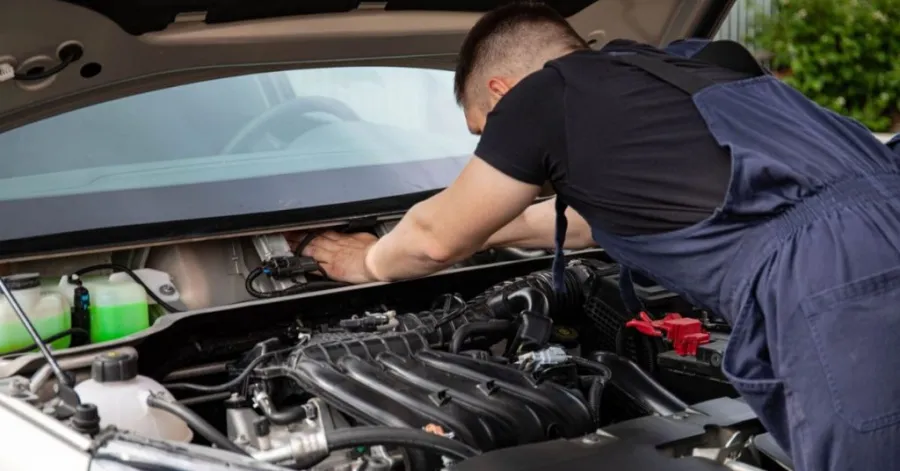
Fixing a faulty car air conditioner can save time and money, especially when it’s really hot out. If you learn how to fix the ac unit in a car, you can spot the usual problems, like low refrigerant, clogged filters, or some sort of electrical fault. A lot of drivers search for how to fix a car AC not blowing cold air, mainly when the cooling performance drops all of a sudden. Start by checking the compressor, looking for leaks, and making sure the airflow is actually doing what it should. With the right tools and careful troubleshooting, you can often restore your car’s AC system at home.
How To Fix Ac Unit In A Car – System’s Working
Main Parts Of A Car Ac System
Understanding car Ac components is essential when learning how to fix ac unit in a car, because each part plays a direct role in cooling performance. Failure of any one component can make you ask, why is my car air conditioning not working properly.
- Compressor: Compresses and moves the refrigerant around the AC loop.
- Condenser: Located in the front of the unit, it gives off heat and turns the refrigerant back into a liquid.
- Evaporator: Found inside the cabin taking the heat and cooling the air as it comes into the car.
- Expansion Valve: Controls refrigerant flow and pressure entering into the evaporator.
- Blower Fan: Blows air into the passenger compartment through vents that are cooled.
Tip: These are the elements to know before doing a DIY car AC troubleshooting guide steps.
How Cooling Happens In Your Car
The cooling process is a continuous cycle that depends on pressure changes and refrigerant. Once you know this cycle, you can better approach how to fix a car AC not blowing cold air without wasting time and money. The compressor raises the temperature of the refrigerant gas to a great degree while compressing it to a high-pressure gas.
This hot gas goes into the condenser and cools off, becoming a high-pressure liquid. The liquid refrigerant then gets pushed through the expansion valve, and that drops the pressure and the liquid temperature, all at once. After that, the refrigerant collects heat from the cabin air, and it then changes back into a refrigerant gas inside the evaporator. In the end, the blower fan pushes the cooled air into the car. It finishes the whole cycle, and helps you understand the reasons a car’s AC is not cooling in summer.
Here’s a simple table to show the process:
| Step | What Happens |
| Compressor | Squeezes refrigerant |
| Condenser | Cools and liquefies |
| Evaporator | Absorbs heat |
| Blower Fan | Pushes cool air |
Why Understanding The System Helps In Repairs
When learning how to fix the ac unit in a car, you might spot a few common troubles like a faulty compressor, a blocked condenser, or simply low refrigerant, and you can figure out without depending 100% on mechanics. This know-how is especially handy if you want a step-by-step car AC repair at home, because you can follow along as you go.
If the compressor is not engaging, you can work on how to fix a car AC compressor not turning on by checking electrical connections or looking into the refrigerant levels first. That same awareness is also useful when you are learning how to recharge a car’s AC gas, so you can handle it safely and with less guesswork. Once you get the basic idea of how the whole system fits together, every step in how to fix ac unit in a car starts feeling less confusing, more secure, and generally more cost-effective.
How To Fix Ac Unit In A Car – Reasons for Dysfunction
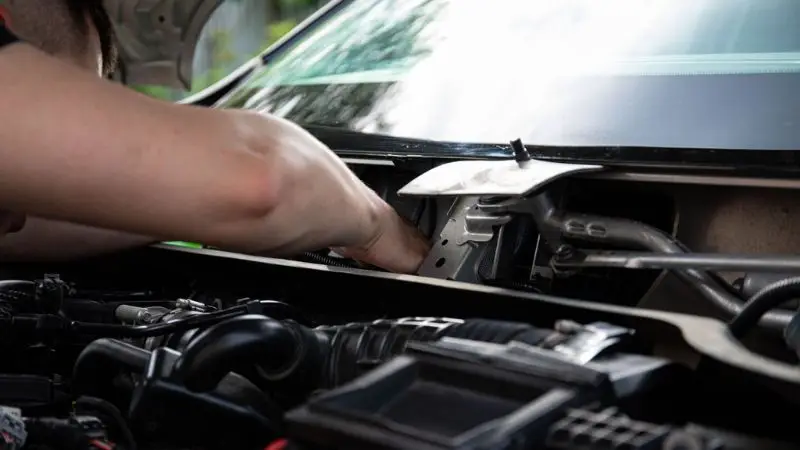
When it gets hot outside, you might notice your air conditioner doesn’t work right when you actually need it. Figuring out these kinds of issues is important if you’re learning how to fix an ac unit in a car. You can often catch issues early with a DIY car AC troubleshooting guide, and then handle them before everything gets worse. Below are some of the usual causes and what you should look at first.
Low Refrigerant Gas
Low refrigerant is one of the most common causes of warm air being emitted from the AC. Cooling capacity decreases significantly if there is not sufficient refrigerant. This is one of the main reasons car’s AC is not cooling in summer.
Level may be checked by pressure gauge, or by observing bubbles in the sight glass. Learning how to recharge car’s AC gas can help restore cooling temporarily. However, low levels often mean there is a leak that must be fixed. This step is essential in understanding how to fix ac unit in a car.
Broken Compressor
The heart of the AC system is the compressor which circulates the refrigerant. If it fails, the system cannot cool, which explains how to fix car AC not blowing cold air issues. You may hear noise or notice the clutch not engaging. Turn on the AC and see if compressor pulley and clutch are functioning. Otherwise, it is typically necessary to replace the component. This is why you often ask why my car’s AC not working properly. Identifying this fault is key to learning how to fix ac unit in a car.
Electrical Issues or Blown Fuse
Any electrical issues may prevent your AC unit from operating properly. Other parts such as compressor rely on the fuses, relays and wiring. In addition, check relays and wiring connections for faulty. If the problem persists, find out what to do to solve car AC compressor not working.. Also, inspect relays and wiring connections for faults. If the issue continues, explore how to fix the car AC compressor not turning on. Electrical checks are important in knowing how to fix ac unit in a car.
Clogged Cabin Air Filter
Clogged cabin air filter is a problem that restricts airflow and decreases the cooling efficiency. If the AC system is functioning normally, but airflow is weak, it may not seem to be cooling the room. This issue is common in step-by-step car AC repair at home. Take out the filter and look for dust or debris accumulation. Replacing it can help to significantly improve cooling and airflow. This is a neat, easy and inexpensive enhancement to increase performance. This step supports better results when learning how to fix ac unit in a car.
Leaks in the AC System
Leaks cause refrigerant loss and poor cooling over time. They are a major cause behind how to fix car AC not blowing cold air problems. Small leaks can lead to big performance issues.
Look for oily residue around hoses and AC components. UV dye can help detect hidden leaks accurately. Always fix leaks before refilling refrigerant to avoid repeat problems. This ensures long-term success in learning how to fix ac unit in a car.
| Problem | What to Check |
| Low refrigerant | Gauge, sight glass, leaks |
| Broken compressor | Noise, clutch, pulley |
| Electrical issues | Fuse, relay, wires |
| Clogged filter | Filter, airflow |
| Leaks | Oily spots, UV dye |
How to Fix AC Unit in a Car – Steps Involved
Step 1 – Check The Ac Settings And Controls
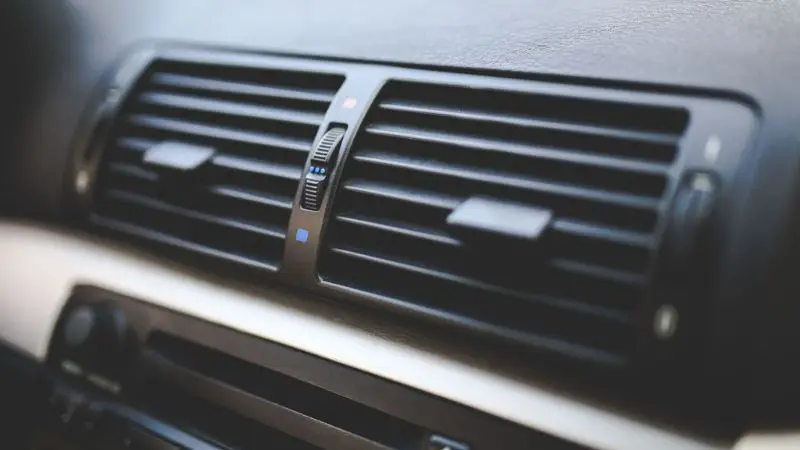
Start with the basics. Make sure you set the AC to cool. Turn the fan to high. Switch the air to recirculate. If you want to know how to fix ac unit in a car, always check the settings first. This is often the first step in DIY car AC troubleshooting guide routines.
Step 2 – Check and Change Cabin Air Filter
Remove cabin air filter. Check for dirt/soil or soil/rocks. If the filter appears clogged, change it for a fresh one. Clean air allows your AC to function better and increase the air flow. This is an easy step to take and it can have a significant impact when learning how to fix car AC not blowing cold air.
Step 3 – Check Refrigerant Level
Use a gauge to check the refrigerant. When it’s low, your AC will not cool. Add refrigerant if needed. This is a key step in how to fix ac unit in a car and is often related to the reasons car’s AC is not cooling in summer. Please follow the directions on the recharge kit.
Step 4 – Look For Visible Leaks
Inspect AC lines and connections. Look for oily spots or stains. Low refrigerant and weak cooling due to leaks. If you notice a leak, you might need a repair! A UV dye can be used to identify small leaks, especially when dealing with how to fix car AC not blowing cold air issues.
Step 5 – Inspect Ac Compressor
Switch on the air-conditioner and observe the compressor. The compressor should rotate and not make any unusual noises. If the compressor clutch fails to engage, the compressor might need to be repaired or replaced.. The compressor is vital in how to fix ac unit in a car and is often linked to how to fix a car AC compressor not turning on problems.
Step 6 – Check Fuses And Relays
Open the fuse box. Check AC fuse and relay. Replace any (electrical) fuse that has blown. If the compressor still does not work, check the relay. This step helps you learn how to fix ac unit in a car.
Step 7 – Test The Ac System After Repairs
If the vents are not throwing cool air, repeat the steps. You now know how to fix ac unit in a car and can better understand step-by-step car AC repair at home. The compressor, refrigerant, and filter all play a role in a successful repair.
Remember, safety comes first. If you feel unsure, ask a pro for help. Also see VEVOR’s car ac repair tool and how it works in this video:
How To Fix Ac Unit In A Car – DIY Fixes
Cleaning The Air Vents
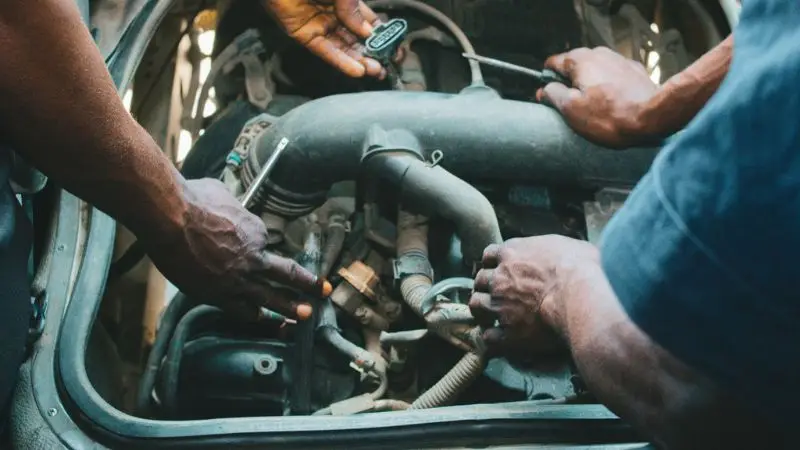
You might notice dust building up in your car’s air vents while you’re learning how to fix the ac unit in a car. Grab a soft brush or use a can of compressed air as part of a DIY car AC troubleshooting guide, and lightly go over the vents. A vacuum cleaner with a small nozzle can also work, if you’re careful. This whole process helps with better air circulation and supports steadier, efficient operation of the AC.
Replacing A Dirty Filter
Your air conditioner has to work harder to run when the filter is dirty. Locate the filter that’s behind the glove box, or sometimes under the dashboard, depending on the vehicle. Pull it out and check it for dirt. If the filter is gray or clogged up, replace it with a new one. You can grab filters at most auto shops. This quick repair helps boost airflow and improve cooling while learning how to fix an ac unit in a car.
Using an AC Recharge Kit
If your AC blows warm air, you may need more refrigerant, especially if you’re dealing with how to fix a car AC that is not blowing cold air. You can use an AC recharge kit, or some people say “charging kit” for short. Read the instructions on the kit carefully before you start. Step-by-step car AC repair at home can be simple, but it still needs attention.
First, connect the hose to the low-pressure port (sometimes it’s called the “little” port). Then pull the trigger and add the refrigerant slowly until the correct pressure is reached. Also, always wear gloves and eye protection while learning how to recharge the car’s AC gas and how to fix the AC unit in a car—don’t rush, because it’s easy to mess up.
| Step | What to Do |
| Find port | Locate low-pressure |
| Attach hose | Connect recharge kit |
| Add refrigerant | Squeeze trigger |
Resetting the AC System
Sometimes your AC needs a reset, when you are figuring out how to fix the AC unit in a car. Turn off the car. Wait a few minutes. Then turn on the engine and set the air conditioner to maximum. It’s a simple step, and it can clear up small glitches that happen out of nowhere. This is also handy in a DIY car AC troubleshooting guide. If the AC still acts up, go ahead and repeat the steps again.
Conclusion
This guide provides practical ways to diagnose and repair common AC issues, helping you get a clearer idea of how to fix an ac unit in a car, without too much confusion. It breaks down the big trouble spots like low refrigerant, compressor failure, electrical faults, and clogged filters, then it offers clear steps for each case. You also learned how to fix a car AC not blowing cold air by doing simple inspections and using basic DIY solutions. You read different methods to restore cooling performance, lower repair costs, and improve system efficiency while troubleshooting at home. With careful checks and small fixes, you can save time, money, and stress.
FAQs
How many times you need to inspect your car’s AC system
You should check your AC system at least once a year. Regular checks help you catch small problems before they get bigger when learning how to fix ac unit in a car.
Is it OK to drive with a broken AC compressor?
Driving is allowed but you may be warm and sweaty. The air will not be cooled by the AC. Get a compressor repair soon, if you want to be comfortable and perform better.
What if your AC still blows warm air after a recharge?
There is a leak or a part may be damaged. Look for any obvious leaks. If you can’t find the problem, contact a mechanic for assistance.
Why doesn’t my car’s AC cool after maintenance?
This is a common issue linked to how to fix car’s AC not blowing cold air. It usually happens due to hidden refrigerant leaks, weak compressor performance, or blocked airflow. If basic steps don’t work, a deeper inspection is needed to restore cooling efficiency.