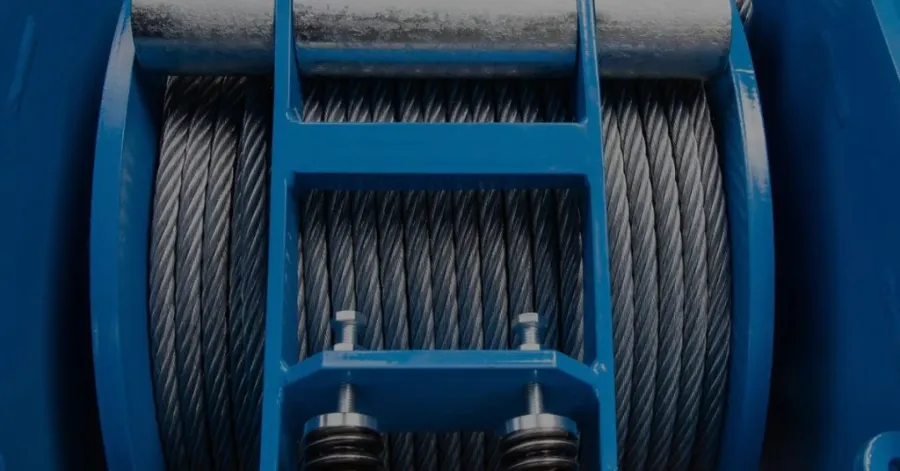
When choosing a winch for a heavy-duty truck, it is very important to make sure that the winch capacity is equal to the gross vehicle weight rating (GVWR) of the truck you intend to utilize. Think of the power. Be aware of the increasing opportunities. Examine the components of the cable currently in use. Safety first. Another important factor to consider is the cost of the winch. The secret to a great performance lies in finding the right balance between speed and strength. You need to make sure the winch will work with your truck’s electrical system.
Use this winch buying guide to help you feel sure when you pick the right winch for your heavy duty truck winch needs.
- Selecting a Heavy Duty Truck Winch: Key Considerations
- Electric vs. Hydraulic Truck Winches: Which Is Best in 2026?
- Choosing the Correct Winch Capacity for Heavy Duty Trucks
- Which Winch Line Should You Choose: Steel or Synthetic?
- Essential Features in a Heavy Duty Truck Winch in 2026
- Heavy Duty Truck Winch Safety Tips and Best Practices
Selecting a Heavy Duty Truck Winch: Key Considerations
@ezequielgutierr87 @Vevor Tools #UN MEXICANO CHINGON
♬ sonido original – UN MEXICANO CHINGÓN
Determine Your Vehicle’s Gross Weight Rating (GVWR)
You need to determine your truck’s GVWR before you settle on a winch. GVWR tells you how much weight your truck can hold. Check the sticker on your truck’s door or the owner’s manual. Choosing the wrong GVWR could mean choosing a winch that can’t carry the load. Always check this rating first.
Calculate the Required Winch Pulling Capacity
You need to figure out the pulling capacity your best heavy duty truck winch needs. Take your truck’s GVWR, multiply it by 1.5. This will provide you with the least pulling force for safe recovery. For example, if your truck has a GVWR of 10,000 pounds, you need a winch with a rated pulling capacity of at least 15,000 pounds. This formula helps you prevent overloading the winch in demanding pulling jobs.
Understand Your Typical Recovery Conditions
Where do you utilize your truck the most? The amount of pull required varies with mud, snow, sand and steep hills. If you are driving in tough terrain, you need a heavy duty truck winch for towing with more pulling force. Getting out of deep mud or soft sand normally requires more power than on hard terrain. You should prepare for the worst conditions you’re going to confront.
Consider Frequency of Use and Workload Demands
Reflect on how often you use your winch. If you do heavy recovery every day, you need a good, powerful heavy duty hydraulic truck winch with strong pulling power. If you use it only occasionally, you can choose a lighter variant. Commercial recovery trucks need a winch designed for regular pulling. Ensure the winch is up to the task.
Electric vs. Hydraulic Truck Winches: Which Is Best in 2026?
Advantages of Electric Heavy-Duty Winches
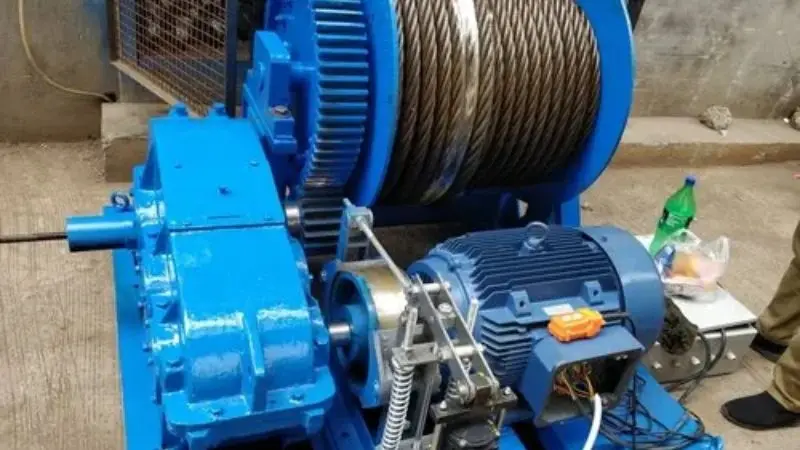
Putting a heavy duty electric truck winch on your truck is quite easy. You may charge these things. The same goes for most jobs that involve fixing things. They are even handy when the engine is off. Electric winches are easy to use and function quickly. You can operate it remotely. Low maintenance is a big plus for many people with electric winches.
Benefits of Hydraulic Winches for Commercial Operations
Hydraulic winches run on the power steering pump of your truck. They provide you with continuous power for lengthy pulls. Hydraulic winches do not heat up as quickly as electric winches. All day long, you can use them for heavy work. This is the ideal heavy duty truck winch for recovery vehicles that need lots of power. You’ll realize how handy they are when you’re pulling big trucks or equipment.
Comparing Performance, Reliability, and Maintenance Costs
You should look at how both the heavy duty truck winch with remote control work. Fast starting and fast pulling are features of electric winches. Hydraulic winches pull steadily and can go longer without pausing. Electric winches require less maintenance, but hydraulic winches will last longer if you take care of them. Hydraulic winches are more expensive initially, but they save money if you are a heavy user.
Which Winch Type Is Right for Your Truck?
Choose the best heavy duty truck winch that works best for you. If you utilize your truck for light or medium jobs, get an electronic winch. A hydraulic winch is the best choice if you have a large truck and need significant pulling power. Always pair the winch with your truck’s work and power system. This helps you obtain the most value and performance.
Choosing the Correct Winch Capacity for Heavy Duty Trucks
How to Calculate the Ideal Winch Rating
You need to make sure that the heavy duty hydraulic truck winch ability fits your truck. First, find out how much your truck weighs altogether. To find out how much weight your winch can hold, at least multiply this number by 1.5. You should get a winch rated for at least 18,000 pounds if your truck weighs 12,000 pounds. With this method, you can avoid hard recoveries.
Common Winch Capacities for Commercial Trucks
Commercial trucks often require more winch capacity. You see a lot of trucks with winches rated for 15,000 to 30,000 pounds. The optimal capacity depends on your truck’s size and the jobs you perform.
Choose a winch capacity that matches your truck’s workload. If you haul heavy loads or work in rough conditions, pick a higher capacity.
Risks of Choosing an Undersized or Oversized Winch
If you select a heavy duty truck winch for towing with too little capacity, you risk damaging your truck or failing during recovery. An undersized winch can overheat or break. If you pick a winch with too much capacity, you may waste money and add extra weight to your truck. Heavy winches can strain your mounting system.
Which Winch Line Should You Choose: Steel or Synthetic?
Pros and Cons of Steel Winch Cable
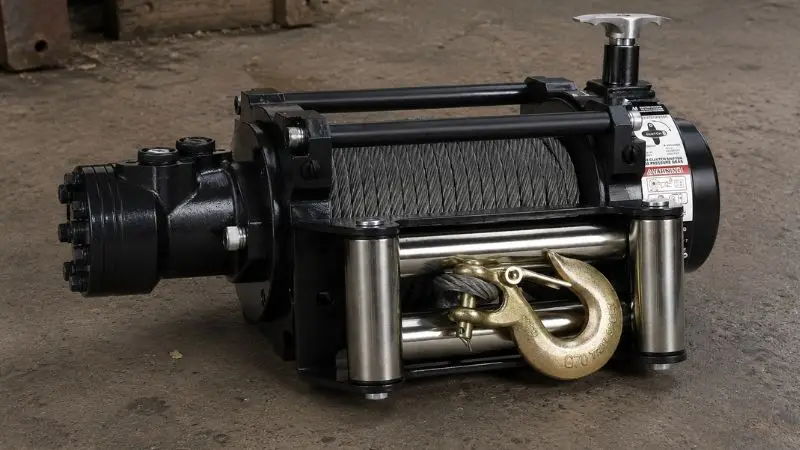
Steel cable has been the standard for many years. You have excellent pull power and high durability. Steel cable is good for tough settings. You can utilize it for heavy duty electric truck winch recovery work. Resistant to heat and abrasion. But a steel cable can be heavy and difficult to manage. If the cable breaks, it can whip back and cause damage. Gloves are necessary to protect your hands. If you leave a steel cable outside, it rusts.
Benefits of Synthetic Winch Rope
Synthetic rope has become increasingly common in recent years. Light enough to be lifted and carried easily, it weighs less than a steel cable. The synthetic rope is on the water. If you have to, you can tie knots with it. Synthetic rope will not rust. It doesn’t store as much energy as a steel cable and hence can be used safely. When it breaks, it doesn’t snap back; it drops to the ground. Synthetic rope has to be protected from sharp edges and chemicals. If you drag it on pebbles, it can wear out faster.
Safety Considerations for Different Winch Line Types
Safety should be a consideration when choosing a heavy duty truck winch for recovery vehicles. A snapped steel cable can cause catastrophic injury—use a dampener to reduce the risk of snapback. Synthetic rope means safer operation. You can deal with it without gloves. Before you use it, make sure there are no cuts or damage.
Best Applications for Each Option
Steel cable can be used for heavy duty truck winch with remote control recovery activities. It’s strongest in construction, towing and off-road use. Synthetic rope is a good choice for everyday use, light recovery and when you want a safer handling option. You can use it for personal trucks or cars that operate in wet conditions.
Essential Features in a Heavy Duty Truck Winch in 2026
Advanced Load-Holding Brake Systems
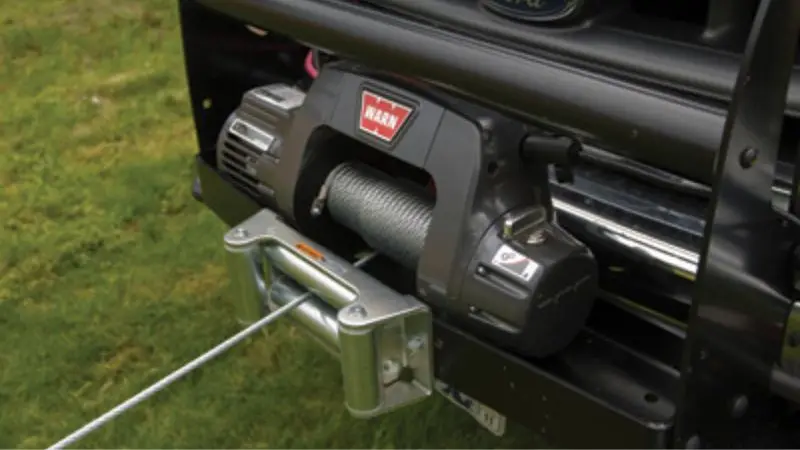
You need a reliable braking system for your heavy duty hydraulic truck winch. This system keeps your truck from rolling back when you stop pulling. Advanced brakes hold the load steady. You can trust your winch to keep your truck safe on hills or slopes. Good brakes add to the safety of every recovery.
Wireless and Remote-Control Operation
A remote allows you to operate your winch from a distance. You can work away from the truck with a remote control. This keeps you secure and lets you see the recovery better. You just button the winch up and start it. Many 2026 winches feature wireless remote controls for simple operation.
Weatherproof and Corrosion-Resistant Construction
You want your heavy duty truck winch for towing to last a while. Choose weatherproof parts to keep out water and grime. Corrosion-resistant materials prevent rust and damage. This helps your winch function in rain, snow or muck. Built to last, you can rely on your winch in every weather.
Smart Monitoring and Safety Technology
Most modern winches include sophisticated features to keep you safe. A few winches will include a motor temperature sensor. Some will notify you if the motor becomes too hot. There is a pulling force on a screen. These features help to avoid damage to the motor. Smart technology makes all recoveries safer.
| Feature | Benefit |
| Motor temperature | Prevents overheating |
| Load sensors | Shows pulling force |
| Safety alerts | Warns of problems |
Fast Line Speed and Efficient Motor Performance
You want the best heavy duty truck winch that works quickly. A robust motor drags your truck along fast. Efficient motors draw less electricity. Yet run hotter, slower. A good motor lets you finish recoveries faster. Always check the motor rating before you purchase. The right motor delivers power and speed for any task.
Heavy Duty Truck Winch Safety Tips and Best Practices
Pre-Operation Inspection Checklist
Before each recovery, you should check your equipment. It lets you identify problems early on and protects you. Before you begin, make sure you have:
- Inspect the winch for fractures or rust.
- Check the cable/rope for corrosion, kinks or cuts.
- Make sure all bolts and mounts are tight.
- Check the remote control.
- Check gloves and safety equipment.
Safe Recovery Techniques for Operators
You have to take safe steps in every rehabilitation. When you pull, stand clear of the cable. Warn people to keep away from the recovery area. Use a dampener on the cable to reduce the chance of snapback. Use gloves and eye protection. Never put your hands on the fairlead or drum when spooling the line. As you pull the cable, look for any difficulties.
Common Winching Mistakes to Avoid
Common mistakes can teach you a lot and save you a lot of trouble. Do not overburden your winch when recovering. Never use a damaged cable or rope. See that the cable does not coil up on one side of the drum. Don’t make sudden twists with the line. Take your time. Take your time and put safety first. Read your heavy duty truck winch with remote control handbook and follow the instructions.
Conclusion
To select the correct heavy duty truck winch, you must first know your truck’s weight and the type of rescue it needs. Choose a winch that’s capable of pulling your vehicle through difficult terrain. Consider the work you perform and select a winch appropriate for the job. Depending on your needs and how you want to use it, you can select a steel wire or a synthetic rope. Before buying, make sure the remote control is compatible with the mount and that the brakes and other safety features are correct. Compare costs, warranties and the extras that come with each item to find the best bargain.
FAQ
How do you know if a winch fits your truck?
Check your truck’s mounting points and frame strength. Read your truck’s manual. Look at the winch’s mounting pattern. Make sure the winch matches your truck’s electrical or hydraulic system.
Can you use a winch in the rain or snow?
Yes, you can use most heavy-duty winches in rain or snow. Look for weatherproof and corrosion-resistant models. Always dry and inspect your winch after use in wet conditions.
What maintenance does a truck winch need?
- Inspect cables or ropes for damage.
- Check bolts and mounts.
- Clean dirt and debris.
- Lubricate moving parts if needed.
Regular care keeps your winch safe and ready.
Is synthetic rope as strong as a steel cable?
Synthetic rope can match steel cable in strength for most uses. It weighs less and is safer to handle. You should avoid dragging it over sharp edges to prevent damage.