A fuel transfer pump is a vital instrument for transporting fuel safely and efficiently between tanks, vehicles, equipment, and storage containers. You can apply it to farming, construction, marine, or even backup generators, and by learning how it works, you will be able to optimize its performance and save on fuel consumption. This manual describes the operation of a fuel transfer pump, its various types, the main components that make it up, and the performance considerations. You will also know how to operate a fuel transfer pump, how to install it properly, how to maintain it to ensure long-term reliability, and what problems are likely to occur. With the right knowledge, you can transfer fuel safely, fast, and efficiently.
Table of Contents
How Does a Fuel Transfer Pump Work?
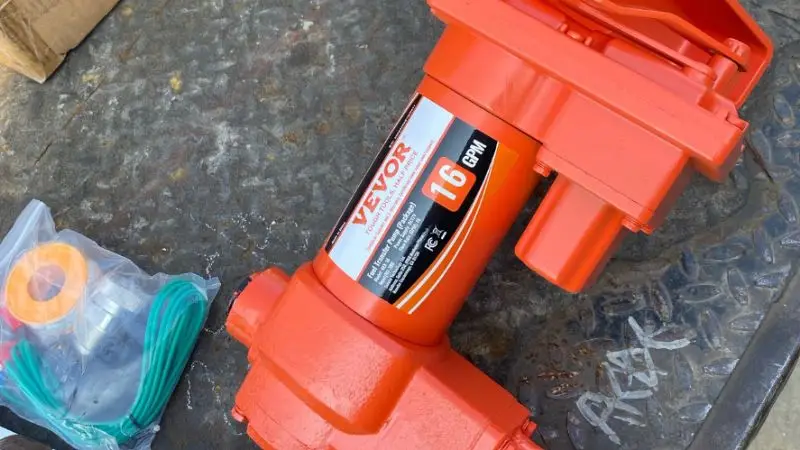
Knowing how to operate a fuel transfer pump can help you operate the equipment safely and efficiently. The various pumps are designed differently, but they all operate on the same principle to transfer fuel from one container or tank to another. All its parts are significant in creating a smooth, controlled, and reliable fuel flow. Understanding the functionality of each step also helps to troubleshoot issues, enhance performance, and maintain the pump in good condition.
Recommended For Your Project
Step 1: Fuel Enters the Pump Through the Inlet Hose
The process starts with the inlet hose being inserted into the fuel source, which can be a storage tank, fuel drum, or portable container. After the pump is activated or works by hand, the fuel flows through the inlet port to the pump chamber. The hose should not be exposed to the air, as it may break the transfer process since it needs to be totally submerged in the fuel. Prior to operation, ensure that all hose connections are tight and leak-free. Learning to operate a fuel transfer pump begins with proper installation, since a stable inlet connection helps ensure continuous fuel flow.
Step 2: The Pump Creates Suction to Draw Fuel
Once the pump has been turned on, it forms suction within the system. The pressure difference created by this suction draws fuel out of the storage container into the pump. Regardless of the type of pump used, whether electric or manually powered, the suction process is critical for pumping fuel without having to pour it manually. When air gets trapped within the system, the pump is likely to lose suction and may not be able to move fuel effectively. Priming a fuel transfer pump is relevant in this case since priming helps to remove the trapped air and allows the pump to have the right amount of fuel flow before normal operation commences.
Step 3: The Internal Mechanism Moves the Fuel
After the fuel is fed into the pump, it is pumped through the mechanism inside the pump. In different pump designs, this movement is achieved by rotating gears, an impeller, or a flexible diaphragm. These elements operate continuously to ensure smooth flow of fuel from the inlet to the outlet. The various types of mechanisms work at different flow rates and different types of fuels, so it is necessary to determine the right pump to use in your application. This motion is the essence of how a fuel transfer pump works, since it converts mechanical energy into a steady, regulated flow of fuel with minimal effort.
Step 4: The Pump Builds Pressure for Smooth Fuel Flow
Due to the flow of the fuel, the pressure develops in the system to transfer the fuel effectively to its destination. The pressure also keeps the flow rate constant, enabling fuel to move along hoses and be delivered to storage tanks or equipment within a short period of time. Constant pressure also reduces interruptions and enhances transfer efficiency, particularly when the fuel has to travel long distances. When pressure is lost, it can be because of worn seals, clogged filters, or broken internal components. Conducting frequent checkups and understanding the maintenance of a fuel transfer pump can keep the correct pressure level, enhance the performance, and maximize the lifespan of the pump.
Step 5: Fuel Flows Out Through the Outlet Hose
Fuel moves out of the pump chamber and through the outlet hose to the receiving tank or equipment. The dispensing nozzle enables the operator to regulate the flow of the fuel, while ensuring that there is no spillage and that no fuel is wasted in the process. Many pumps have hardy hoses that do not expose them to fuel and daily wear and tear, which is characteristic of effective pump operation in various surroundings. One should note the transfer process and not overfill the receiving container. Using a fuel transfer pump correctly and following proper procedures will enhance safety, safeguard precious fuel, and ensure the transfer operation is clean and efficient.
Step 6: Safety Features Help Prevent Spills and Damage
Modern fuel transfer pumps are usually designed with built-in safety features that enhance reliability and decrease the risk of spills during operations. The nozzles are automatically shut off to prevent spills and overflow by stopping the flow of fuel when the receiving tank becomes full. Thermal overload protection, pressure relief valves, a grounding system, and leak-resistant seals are also installed on some of the pumps to enhance overall safety. These elements help to secure equipment and the operator during fuel transfer. As one way to test a fuel transfer pump, it is always advisable to test these safety features and make sure they are functioning properly, as well as verify that the pump is prepared to run safely and reliably whenever it is needed.
Main Components of a Fuel Transfer Pump
Each fuel transfer pump has various key parts, which interact to transfer fuel safely and effectively. This knowledge will assist you in selecting the correct pump, troubleshooting, and maintaining the system to run efficiently. Whether you are dealing with a portable pump for personal chores or a heavy-duty one for industry, understanding how each part works can make maintenance and troubleshooting much easier.
Motor or Handle That Powers the Pump
A fuel transfer pump is powered by the motor. Electric models: A 12V, 24V, or AC motor is used to quickly and consistently move fuel, whereas manual models use a hand crank or lever to generate the required pumping motion. Electric pumps are suitable for moving huge quantities of fuel, and manual pumps are suited in far-flung areas where there is no power supply. The selection of the appropriate power option will be determined by how you will use it and the quantity of fuel. When installing a fuel transfer pump, the motor or hand mechanism must be firmly attached so it can operate stably and provide dependable performance.
Pump Housing That Protects the Internal Parts
The outer casing, the pump housing, is a protective casing that ensures the internal components are not damaged by dust, moisture, hits, or harsh working conditions. Depending on the intended use of the pump, it is usually manufactured using cast iron, aluminum, or tough composite materials. A strong housing also helps keep the interior components correctly aligned so they operate smoothly. Corrosion or cracks may develop over time when the housing is not properly maintained due to exposure to weather and fuel. Frequent check-ups and cleaning are also significant components of maintaining a fuel transfer pump, which will contribute to its prolonged service and help curb unwanted accidents.
Inlet and Outlet Connections for Fuel Flow
The ports of entry and exit are where the fuel enters and leaves the transfer process. The suction hose transfers the fuel from the storage tank to the inlet port, and the discharge hose to the outlet port to the receiving container. Such connections should be well sealed to ensure that there is no leakage and the pressure remains constant throughout the system. Loose fittings or broken threads may decrease efficiency and permit air to get into the pump. When testing a fuel transfer pump, always check these ports to ensure there is no leakage or wear, and confirm the hose connections are secure before using the equipment.
Internal Parts That Move the Fuel
The inner workings of any fuel transfer pump are the inner pumping mechanism. This mechanism can be powered by gears, an impeller, or a diaphragm depending on the model used. Diesel tends to be used with gear pumps, which are known to give constant pressure, and impeller pumps, which are characterized by high flow rates. Diaphragm pumps can be used to work with various liquids and may be used under different conditions. As these components are in constant motion, they wear normally with time. Knowledge of their operation is also beneficial in understanding how to fix a fuel transfer pump, should there be a decline in fuel flow or mechanical issues arise.
Fuel Hose and Nozzle for Safe Fuel Delivery
The fuel hose and dispensing nozzle are collaborators that help deliver fuel safely from the pump to the receiving tank. The hose can withstand fuel exposure, abrasion, and weather conditions while remaining flexible in use. The nozzle also enables the operator to direct the fuel flow as accurately as possible to minimize spillage and enhance efficiency. Numerous contemporary nozzles have automatic shut-off systems that prevent the use of fuel when the tank fills. The hose should be checked regularly to ensure there are no cracks, leaks, or worn fittings, which would prevent fuel loss and aid safe operation. Early replacement of damaged hoses maintains reliable fuel pumping.
Filters and Check Valves That Protect the System
Filters and check valves are very tiny yet important components that enhance the efficiency of a fuel transfer pump. Filters are used to eliminate dirt, rust, and other contaminants before they reach the internal mechanism, which helps minimize wear and prolong the life of the pump. Check valves ensure that the fuel does not flow backwards once the pump has stopped, so that the system can be left primed to be used again. Contaminated filters or broken valves may slow down the flow rate and impact performance. Checking and changing these elements frequently is a major part of how to maintain a fuel transfer pump, to guarantee clean, efficient, and reliable fuel transfer on any occasion.
Types of Fuel Transfer Pumps and How They Work
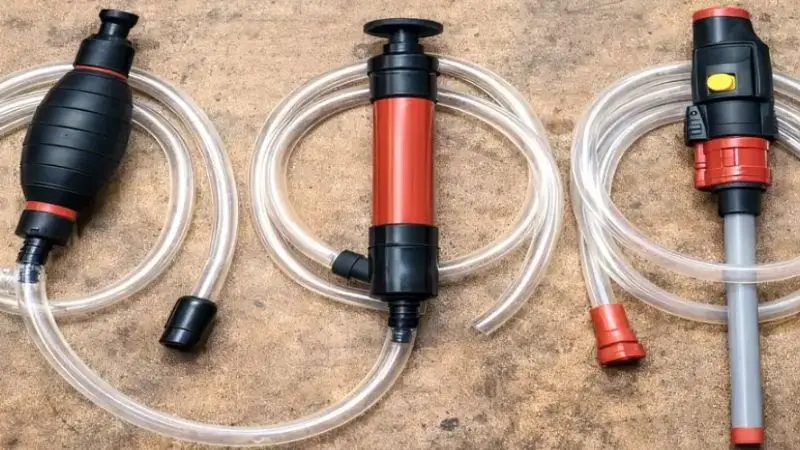
There are various types of fuel transfer pumps; each type is designed to meet the requirements of various fuel transfer applications, power sources, and working conditions. The selection of the correct pump will vary according to the type of fuel you are dealing with, the required flow rate, and the frequency of use. Each model has a similar basic mechanism, although the mechanism used by each pump may differ considerably. Knowing these differences will help you choose the appropriate fuel transfer pump for your application, while enhancing safety, efficiency, and long-term performance.
How Manual Fuel Transfer Pumps Work
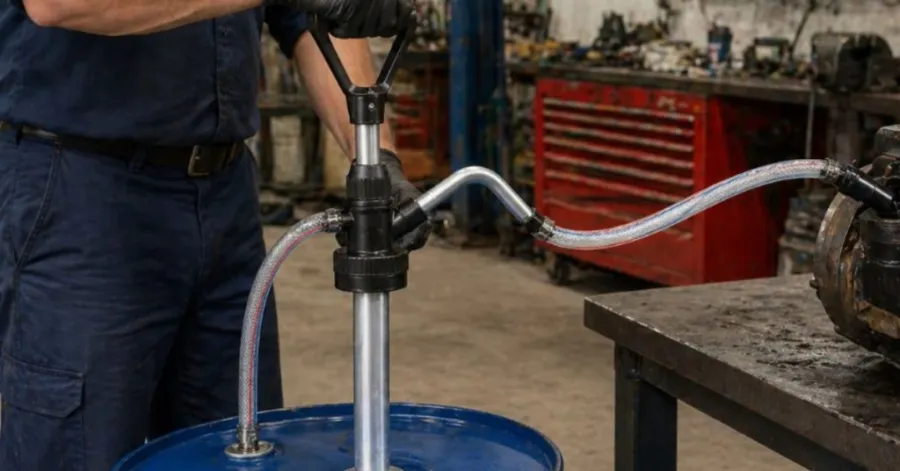
Manual fuel transfer pumps do not need electricity, and so they are a viable option in places where power is not available. These pumps have a hand lever, rotary handle, or crank to create suction to remove fuel from the source container and push it out into the outlet hose. They are usually utilized in the transportation of diesel, gasoline, kerosene, and other compatible fuels in small volumes. They have a simple design; thus, they need little maintenance and can be transported easily. It is also relatively easy to learn how to use a fuel transfer pump (particularly with manual models), as they can provide reliable fuel transfer without the use of batteries or electrical interconnection.
How 12V DC Fuel Transfer Pumps Work
A 12 V DC fuel transfer pump is powered by a vehicle or equipment battery to transfer fuel fast and efficiently. The electric motor attached to a 12-volt power source drives the pump mechanism, creating suction that pulls fuel through the inlet hose and outlet hose to the engine. These pumps are common in refueling tractors, boats, pickup trucks, generators, and other portable equipment. They are small and can be used in mobile applications where convenience is a factor. When installing a fuel transfer pump, proper wiring and battery connection will help the pump run smoothly and prevent accidents.
How 24V DC Fuel Transfer Pumps Work
A 24V DC fuel transfer pump operates on the same principle as a 12V model but is designed to handle heavier loads and higher fuel transfer rates. It is frequently attached to commercial trucks, construction machinery, mining machinery, and agricultural vehicles with 24-volt electrical systems. The more powerful motor has a higher flow capacity, which makes it appropriate for transferring larger volumes of fuel in a shorter time. These pumps have been designed to be used frequently in harsh conditions. Replacing fuel transfer pumps regularly and knowing how to maintain them can minimize wear, enhance efficiency, and extend the life of a fuel transfer pump.
How AC-Powered Fuel Transfer Pumps Work
AC-powered fuel transfer pumps can operate on household or industrial electrical sockets and are therefore suitable for fixed applications where there is a constant electrical supply. The pumps are usually located at fuel stations, maintenance workshops, farms, warehouses, and industrial plants. When the electric motor is connected to an AC power supply, the internal pumping mechanism will run in a continuous loop to provide a constant and dependable supply of fuel. They can be easily used in high-volume fuel transfer and daily use. The proper installation of a fuel transfer pump, followed by the proper instructions on how to install it, guarantees safe electrical connection, reliable performance, and durability.
How Rotary, Gear, and Diaphragm Fuel Transfer Pumps Work
The various internal mechanisms employed by fuel transfer pumps rely on the application needed. Rotary pumps operate on the principle of rotating vanes or rollers to transfer fuel smoothly, and are frequently used for general-purpose fuel transfer. Gear pumps use interlocking gears to produce uniform pressure, making them suitable for diesel and other thicker fuels. Diaphragm pumps operate with a flexible diaphragm that oscillates to form suction and discharge fuel, so they can be used with a wide range of liquids. These pumping mechanisms will explain how a fuel transfer pump works and will assist you in selecting the most appropriate pump, depending on your unique fuel transfer needs.
Wrap Up
Learning about the operation of a fuel transfer pump can enable you to select the appropriate equipment and use it without any problems. Manual and electric models, rotary, gear, and diaphragm pumps are all designed to serve a particular purpose. Proper installation, periodic maintenance, and regular checkups enhance performance and decrease chances of breakdown. Understanding how to service a fuel transfer pump, test its functionality, and identify performance challenges can prolong the service life and enhance fuel transfer efficiency. With the right choice of pump for your application and proper maintenance through safe operating practices, you can ensure reliable, clean, and efficient fuel handling in the coming years.
FAQs
What is a fuel transfer pump used for?
A fuel transfer pump transfers clean fuel to and from tanks, vehicles, generators, and equipment. It offers quicker, cleaner, and more regulated fuel delivery compared to manual pouring and less spillage and fuel wastage.
What is the operation of a fuel transfer pump?
A fuel transfer pump generates a vacuum to attract fuel to the pump, which is then forced into the tank through the hose and nozzle by the pressure in a safe and efficient manner.
Does the fuel transfer pump have the ability to work with a variety of fuels?
Diesel, gasoline, kerosene, or biodiesel may be transferred by some pumps but with different degrees of compatibility. Always check the manufacturer’s specifications before using a pump with any type of fuel.
What is the frequency of maintenance of a fuel transfer pump?
Regularly inspect the pump and maintain it as per the instructions of the manufacturer. Wash filters, check hoses and seals to maintain safety and reliability.
What makes a fuel transfer pump lose suction?
The most common causes of a fuel transfer pump losing suction are air leaks, clogged filters, loose hose connections, damaged seals, or improper priming of the pump.