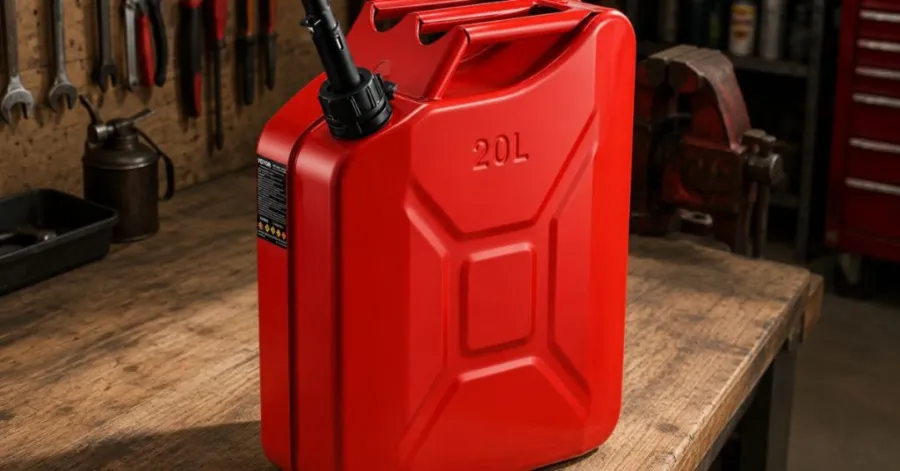
If you are going to store gasoline in a container, you have to be sure it is suitable for the fuel. You want to think about how much fuel you plan on keeping on hand. Check that it also meets your safety requirements. Safety is a very serious matter with us. Always fill fuel into suitable, duly verified containers. This means leaks and fires are less likely to occur in the future. For your safety, it is important to use the right materials and follow the guidelines. This is also a good thing because it helps protect the environment.
In this article, we will explain how to choose the right fuel storage container for transportation. You’ll learn which features to look for, how to select the right size and material, and the essential safety practices to help prevent leaks, fires, and environmental hazards.
Table of Contents
- Understand Your Fuel Storage Requirements
- Types of Fuel Storage Containers
- Choosing the Right Material for a Fuel Storage Container
- Essential Safety Features to Look For
- Fuel Storage Regulations and Compliance
- Selecting the Right Size and Capacity
- Factors to Consider Before Buying a Fuel Storage Container
Understand Your Fuel Storage Requirements
You need to know what approved fuel storage container for gasoline and diesel you want to burn in it. Gasoline, diesel, kerosene, and propane all need separate containers. Some containers are better than others in not corroding or leaking. Fuel system compatibility: Make sure your container matches. The wrong container could damage the equipment or create a safety problem. Always check the label to make sure your bottle is acceptable for your gasoline.
Recommended For Your Project
How Much Fuel Storage Capacity Do You Need?
How to choose a fuel storage container? The size of the fuel container depends on how much gas you need and how you want to use it. A 1- to 5-gallon container works well for lawn mowers, trimmers, and other small outdoor equipment. Small vehicle fuel storage: Ideal is a5-5 to 20-gallon container. Farm equipment requires 50 to 500 gallons of storage, while commercial operations need gasoline tanks larger than 500 gallons. Pick the correct size for ease of use, safety, and fuel management.
Temporary vs Long-Term Fuel Storage
Decide whether you’ll need storage for a short time or a longer period. Temporary storage is useful for items that require immediate attention, such as those arising during crises. Fuel is to be stored in strong containers. It is to be kept safe for some months, even years. Containers used for long-term storage usually contain extra safety features.
Indoor or Outdoor Storage Considerations
Select a safe fuel storage container for home use according to where you plan to place it. For indoor storage, use containers with tightly fitting lids to prevent fumes from escaping. Containers used for outdoor storage must withstand the elements. The quality of fuel may change with the sun, the rain, or the heat. Do not expose containers to heat or sunshine.
Types of Fuel Storage Containers
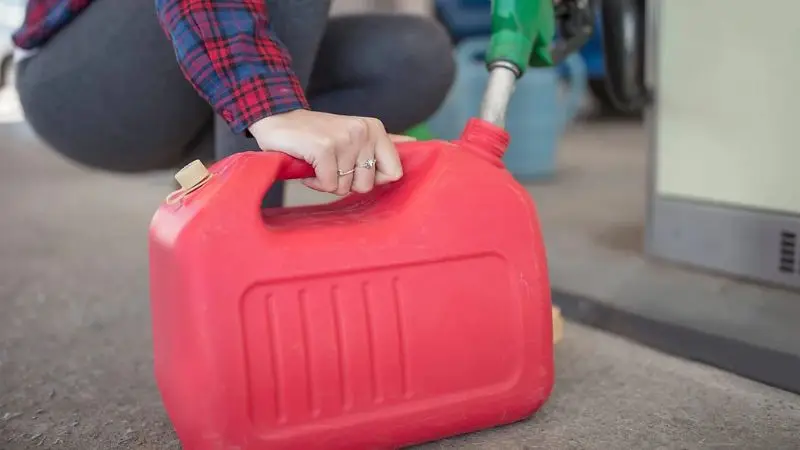
There are different best fuel storage container for long term storage you can pick. Each one is good for certain jobs. Knowing about these choices helps you decide what you need.
Portable Fuel Containers
Portable fuel storage container with secure lid are for moving small amounts of fuel. They are great for lawn mowers, boats, or backup generators. Most hold up to five gallons. You can carry them by hand. Many people use a gasoline fuel transfer tank like this. These containers often have safety spouts and caps that kids cannot open.
Above-Ground Fuel Storage Tanks
Select a container according to where you plan to place it. For indoor storage, use containers with tightly fitting lids to prevent fumes from escaping. Containers used for outdoor storage must withstand the elements. The quality of fuel may change with the sun, the rain, or the heat. Do not expose containers to heat or sunshine.
Underground Fuel Storage Tanks
If you have a lot of fuel, you might desire an underground fuel storage tank. These tanks save space and protect the gasoline from the outdoors. You need to follow certain regulations to inspect them and enter them. Many gas stations have underground systems of fuel transfer tanks.
Double-Walled Fuel Storage Containers
Gasoline storage tanks with double walls offer an additional layer of protection. The second wall absorbs a leak that originates in the first wall. You can use these tanks to store gasoline fuel transfer tanks in locations that require further attention. To comply with safety regulations, many businesses opt for double-walled tanks.
Bunded vs Non-Bunded Fuel Tanks
A bunded approved fuel storage container for gasoline and diesel has a built-in wall or tray. This wall holds spills if the main tank leaks. You should use a bunded gasoline fuel transfer tank for more safety. Non-bunded tanks do not have this wall. Bunded tanks are best for places with strict safety rules.
| Type | Best Use Case | Typical Capacity |
| Portable Fuel Containers | Small tools, emergencies | 1-5 gallons |
| Above-Ground Fuel Storage | Farms, businesses | 50-10,000+ gal |
| Underground Fuel Storage | Gas stations, large supply | 500-20,000+ gal |
| Double-Walled Containers | High safety, sensitive sites | 50-20,000+ gal |
| Bunded Fuel Tanks | Spill-prone areas | 50-20,000+ gal |
Choosing the Right Material for a Fuel Storage Container
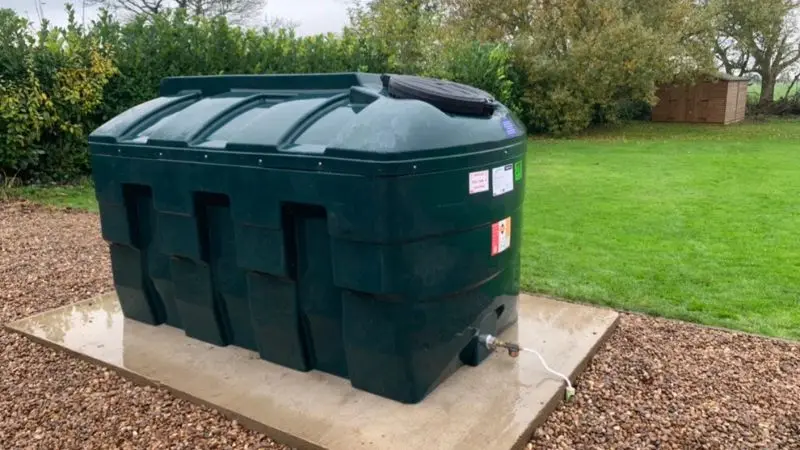
Steel Fuel Storage Containers
Steel is a very strong material for making containers. They protect the fuel from animals and from falling objects. You can store a lot of fuel in steel. If you leave it outside in the rain, it will rust. Many steel tanks are painted to avoid rusting. It is a good idea to check steel tanks periodically for damage.
Plastic (Polyethylene) Fuel Containers
How to choose a fuel storage container? Plastic containers are lightweight and easy to move anywhere. They are a great solution for small operations or for transferring fuel by hand. Polyethylene is corrosion-free. It can handle many chemicals. Plastic containers should be stored away from direct sunlight. Plastic can degrade over time when exposed to sunshine.
Stainless Steel Storage Options
The most suitable material to store fuel cleanly and safely is stainless steel. It can’t corrode or change color in any fashion. Stainless steel containers can be used both inside and out. It’s pricier but will last longer. This safe fuel storage container for home use is used by people in situations where hygiene and safety are very important.
Essential Safety Features to Look For
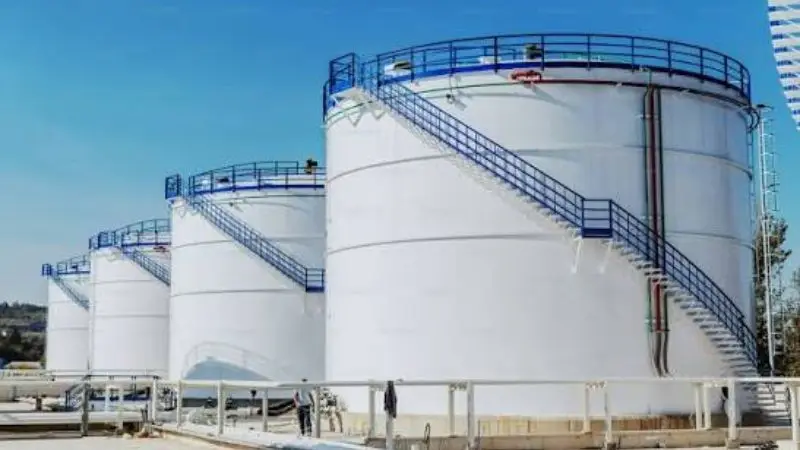
Leak-Proof Construction
You must have the best fuel storage container for long term storage that does not leak. This is very important. This keeps the fuel from escaping. Leaky stuff = wasted gasoline + mess. Carefully read the label to see if it is leak-proof. Check the container for tight seals and spots. These things help keep your gasoline safe and prevent leaks.
Lockable Lids and Security Features
Lids that can be locked keep your fuel secure. They’ll discourage people from stealing or otherwise messing with your gasoline. Some containers are padlocked or locked with special locks. These locks allow you to decide who can access the portable fuel storage container with secure lid. If you store fuel outside, it is vitally important that the lids can be locked.
Ventilation Systems
Air may be allowed to enter and exit the container under supervision using ventilation devices. This will ensure sufficient ventilation to prevent gas buildup. An excessive amount of fumes might be harmful. Containers with built-in vents should be carefully selected. Fuel storage must be vented for safety.
Spill Containment and Secondary Containment
A spill can make a big mess and cause issues. Be sure to choose containers with features that can contain spills. For secondary containment, an additional tray or layer is also present. That catches any spills before they can spread. This helps to keep the working area clean and safe. Many containers have trays or bunds.
Fuel Storage Regulations and Compliance
Local Environmental Regulations
How to choose a fuel storage container? You must obey local regulations for fuel storage. These rules prevent spills from reaching the earth, water, and air. Cities and states have rules on where they can put a fuel container. Some localities require special licenses for large tanks. Always check with your local government before purchasing or installing any fuel container.
Fire Safety Requirements
The fire safety regulations are in place to safeguard you and your property. Keep fuel away from heat and open flame. Fire codes require authorized containers and safe locations. Never smoke in the vicinity of a fuel transfer tank. Some places require you to have fire extinguishers in the vicinity of your fuel storage facility.
Industry Standards and Certifications
Industry norms help you achieve safe, high-quality safe fuel storage container for home use. Use containers certified by organizations such as UL or ASTM. These certificates show the container passes harsh examinations. Many organizations use certified containers to comply with fuel storage regulations.
Inspection and Maintenance Requirements
It’s a good idea to regularly check your approved fuel storage container for gasoline and diesel. Inspect for leaks, rust, or damage. Keep your container clean regularly. Most fuel-storage laws require inspection paperwork. See your vehicle’s operator’s manual for detailed instructions. Use a fuel transfer tank to check hoses and valves for irregularities. Replace broken parts at once. Safety and avoiding fines are the reasons for frequent management of your gasoline storage.
Selecting the Right Size and Capacity
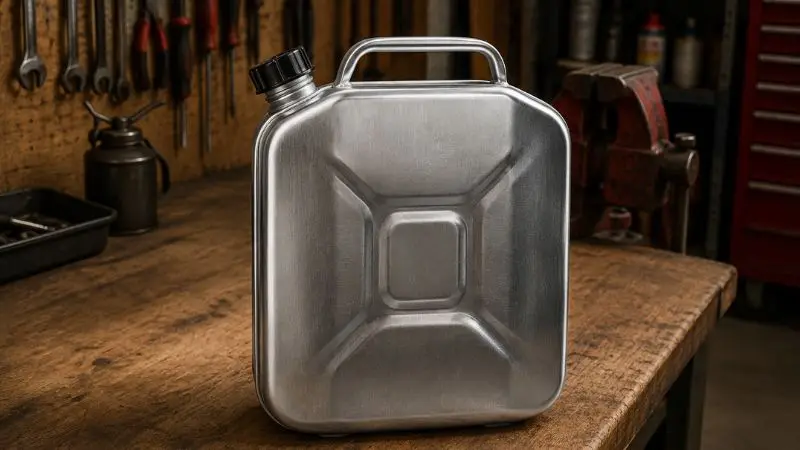
Small Fuel Containers for Personal Use
If you use fuel for lawn mowers, chainsaws, or emergency generators, you may just need a small container to store it. These containers are typically 1 to 5 gallons in size. You can carry them by hand and put them in a garage or shed. Small containers are good for quick refilling and short-term storage. Always select a portable fuel storage container with secure lid, a child-proof cap, and clear labeling.
Medium Storage for Farms and Small Businesses
How to choose a fuel storage container? If you have a farm or a small business, you must have extra gasoline in stock. Medium tanks contain between 50 and 500 gallons. These tanks save you numerous journeys to the petrol station when fueling your tractors, trucks, or equipment. These tanks can be placed outside for convenient access. Many medium tanks have pumps or lines to distribute fuel safely.
Large Commercial and Industrial Fuel Tanks
Big businesses need more storage. A fuel transfer tank with a capacity of 1,000 gallons or more may be required. These tanks support vehicle fleets, large machinery, and backup power systems. You should construct huge tanks with safety measures such as spill containment and leak detection. Always observe local codes for huge tanks.
Planning for Future Fuel Demand
Consider how your fuel needs could expand. If you’re going to need additional fuel later, get the proper capacity today. This will help you avoid buying new tanks too quickly. You can save time and money by planning. Check your gasoline consumption once a year and check whether you need a bigger or additional tank.
Factors to Consider Before Buying a Fuel Storage Container
When choosing the best fuel storage container for long term storage, consider several key factors. These factors help you make a smart and safe choice for your fuel needs.
Budget and Total Cost of Ownership
How to choose a fuel storage container? Think about the budget before you buy. Prices for containers vary by size, material, and safety features. Some containers cost less up front and require more repairs down the line. Some are more expensive,e yet they last longer and require less upkeep. Don’t just look at the price tag; consider the total cost of ownership. This means you figure in the cost of buying, installing, operating, and repairing the container over time.
Available Installation Space
You’ll want to see what space you have available for your container. Measure the space where you plan to place it. Make sure there is enough space to walk around and for the container. If space is limited, opt for a compact model. For larger locations, you can utilize larger tanks or even a gasoline transfer tank.
Maintenance Requirements
All portable fuel storage container with secure lid require care to be safe. You will have to learn how much work each variety needs. Some materials need to be cleaned or checked for corrosion—some say to look for fractures or leaks. Choose a container that suits the amount of time and energy you’d like to invest in maintenance. This will keep your container working right and your fuel safe.
Conclusion
You must choose a fuel storage container that is appropriate for your specific needs. Verify that the type, size, and material are suitable for you before purchasing. Always look for safety features before making a purchase. This is something you should do. Ensure that the regulations applicable to your region are met by the gasoline transfer tank you have invested in. Only containers that have been issued permission to be used should be used. As a result, both your safety and the surrounding environment are safeguarded.
FAQ
What is the safest way to store fuel at home?
You should use approved containers with tight lids. Keep them in a cool, dry place away from heat and sunlight. Always check for leaks and follow local safety rules.
How often should you inspect your fuel storage container?
You need to inspect your container every month. Look for signs of rust, cracks, or leaks. Regular checks help you catch problems early and keep your fuel safe.
Can you use any container as a fuel transfer tank?
No, you must use containers made for fuel. Approved fuel transfer tank models have safety features and labels. Using the wrong container can cause spills or fires.