What is ultrasonic cleaning and how does it work? It creates millions of tiny bubbles in a liquid bath using high-frequency sound waves. The bubbles are gentle on surfaces and can reach hard-to-clean cracks and crevices. Ultrasonic cleaning is a simple way to clean sensitive items such as jewelry, equipment, and other objects. It makes thorough, regular cleaning easy.
In this article, we cover what ultrasonic cleaning is, how it works, its benefits, and common uses. We also describe how it removes dirt, grease, rust, and oil. You will also learn the right way to clean, utilize, and store an ultrasonic cleaner.
What Is Ultrasonic Cleaning?
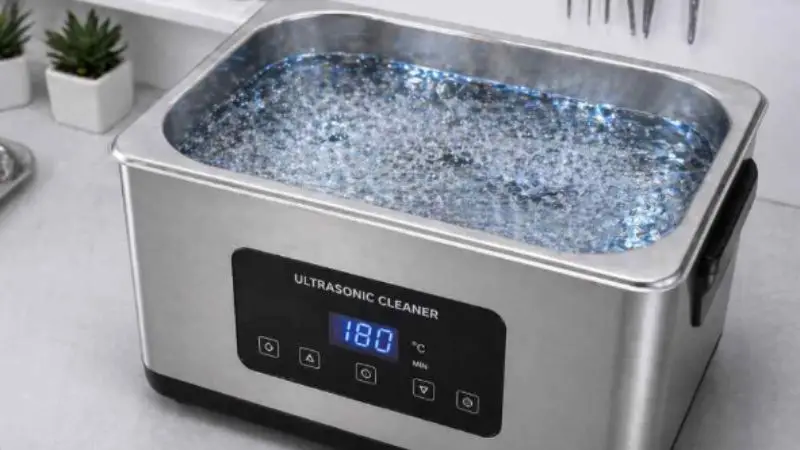
Ultrasonic cleaning uses high-frequency sound waves to clean items in a liquid solution. The waves create tiny bubbles that expand and collapse, removing dirt, oil, and grime from surfaces without intensive scrubbing. It reaches tiny nooks and dark areas that are hard to reach by hand.
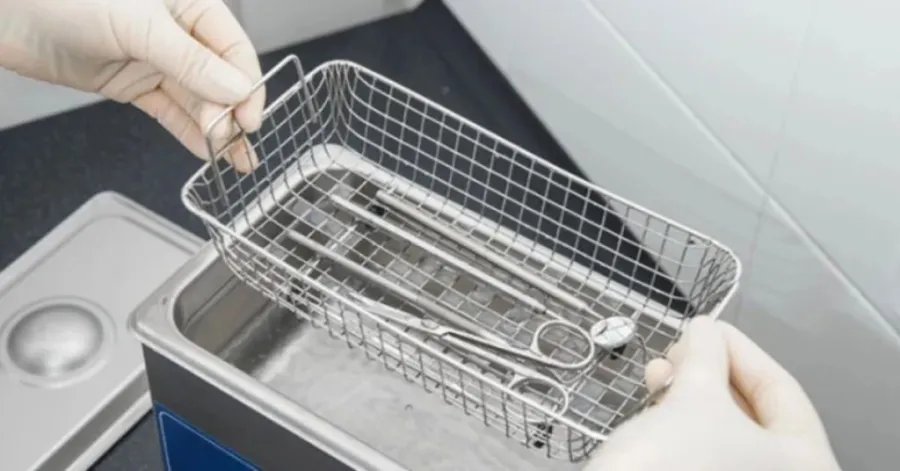
What is ultrasonic cleaning used for? People use it to clean jewelry, eyewear, instruments, and machine parts. Place your items in the basket and submerge it in the tank. Ultrasonic cleaners are dependable and can reach into hard-to-reach areas.
Recommended For Your Project
What Is an Ultrasonic Cleaner?
An ultrasonic cleaner consists of a tank containing water or a cleaning solution and a motor that emits high-frequency sound waves. These waves move through the fluid, collecting dirt and grime. Industrial equipment cleans larger objects; tabletop units clean jewelry and other small pieces.
Most ultrasonic cleaners include a timer and a basket, and some also have a heater to burn off grease. Load your items into the basket, fill the tank, and start the cleaning cycle. Understanding how ultrasonic cleaning removes grease will help you choose the right settings and cleaning solution.
How Does Ultrasonic Cleaning Work?
What Is Cavitation in Ultrasonic Cleaning?
How does ultrasonic cleaning remove dirt? It produces cavitation in a liquid with high-frequency sound waves. Millions of tiny bubbles explode and reform as the pressure varies rapidly.
These bubbles are short-lived; thus, they release quick bursts of energy that clean surfaces of grime, grease, and other impurities. They are used to clean out crevices, grooves, and other hard-to-reach locations that normal rags or brushes may miss. Thus, ultrasonic cleaning is a good approach to clean jewelry, tools, and small objects with rough surfaces.
How Do Ultrasonic Waves Remove Dirt and Grease?
How does ultrasonic cleaning remove rust? Ultrasound cavitation bubbles penetrate holes, grooves, and other hard-to-reach areas to break up oil and grease. An ultrasonic cleaner lets you reach those hard-to-clean places without scrubbing by hand.
Cleanability depends on the cleaning frequency. On rough surfaces, lower frequencies produce bigger bubbles, while on smooth surfaces, higher frequencies produce tiny bubbles. Check which setting suits the material and condition of the item.
A good cleaner removes oil and dirt, and warm water cuts grease. Run a short cleaning cycle, then rinse the item thoroughly. This approach works for many metals, glass, and polymers, depending on compatibility.
How can Ultrasonic Cleaning Remove Oil and Rust?
What is ultrasonic cleaning and how does it work? Cavitation bubbles lift oil off surfaces and penetrate tight spaces where deposits form. A good cleaning solution helps loosen sticky oil and grease so that it may be rinsed away more easily.
For rust, ultrasonic waves help to remove corrosion and flaky deposits from suitable metal surfaces. The correct cleaning solution will help with removal, but very rusted objects may need further treatment. Always select a solution and cleaning settings appropriate for the metal to prevent harm.
What Are the Main Parts of an Ultrasonic Cleaner?
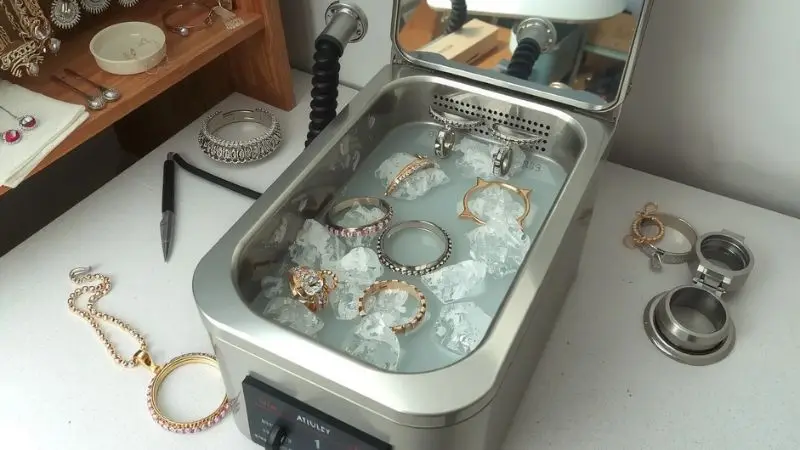
Ultrasonic Cleaning Tank
What is ultrasonic cleaning used for? The tank houses the cleaning solution and the items being cleaned. Most tanks are stainless steel. Stainless steel doesn’t corrode and handles heat well. The tank size determines whether you can clean small pieces of jewelry or larger machined parts. Use a basket to keep items off the tank floor and let sound waves pass through the liquid.
Ultrasonic Transducers
The electrical energy is converted into the mechanical vibrations of ultrasonic transducers that generate sound waves in the liquid. The waves create cavitation bubbles that remove dirt, grease, and other impurities. The technique demonstrates how ultrasonic cleaning removes dirt from complex surfaces and hard-to-reach places by ultrasonic cleaning.
Ultrasonic Generator
An ultrasonic generator supplies the transducers with the frequency and power. Lower frequencies are better for cleaning heavy filth; higher frequencies are better for delicate materials. These qualities also affect how does ultrasonic cleaning remove rust from suitable metal surfaces.
Heating Element
Ultrasonic cleaners use an included heater to warm the cleaning solution. The heat helps break down stubborn grease and oil for better cleaning performance. How does ultrasonic cleaning remove grease more efficiently without damaging the object? The right temperature and cleaning solution can assist.
Control Panel and Timer
On the control panel, you can adjust settings such as cleaning time, temperature, and ultrasonic power. The timer stops the cycle when the set time is up, making cleaning easier.
Cleaning Basket
The cleaning basket holds items in the tank while letting sound waves and cleaning solution reach the goods. It also prevents objects from hitting the bottom of the tank, protecting both the goods and the cleaner.
What Are the Benefits of Ultrasonic Cleaning?
Cleans Hard-to-Reach Areas
How does ultrasonic cleaning remove oil? Brushes and towels can’t reach places as easily as ultrasonic cleaning. Small cavitation bubbles penetrate small gaps, blind holes, threaded fasteners, and intricate machinery. This makes it handy for cleaning carburetor parts and other objects with complex surfaces, such as bracelet links.
Removes Dirt, Oil, and Grease Effectively
How does ultrasonic cleaning remove dirt? High-frequency sound waves create bubbles that collapse, releasing debris, oil, and grease from surfaces. The right cleaning solution dissolves tough residue so you can wash the contaminants away at the end of the cycle.
Saves Time and Reduces Manual Scrubbing
How does ultrasonic cleaning remove rust? Ultrasonic cleaners make cleaning simple, doing much of the work for you automatically. Put your stuff in the basket, set the timer, and start the machine. Many cleaning cycles take only a few minutes, so you spend less time scrubbing by hand at home or in the studio.
Provides Consistent Cleaning Results
Ultrasonic cleaners deliver consistent results when you use the same settings, cleaning solutions, and cycle times. Cavitation, unlike manual scrubbing, which requires technique and effort, can reach many surfaces in the liquid bath. Proper loading also helps provide more even cleaning.
Helps Protect Suitable Delicate Items
What is ultrasonic cleaning used for? With appropriate settings, ultrasonic cleaning can clean compatible delicate items while minimizing manual contact. Higher frequencies generally produce smaller cavitation bubbles, which can suit finer cleaning tasks. However, not every delicate item is safe for this method, so check the manufacturer’s instructions before cleaning jewelry, optical components, or precision instruments.
Helps Remove Grease and Oil from Components
How does ultrasonic cleaning remove grease? Cavitation agitates grease off surfaces and out of crevices, and the right cleaning solution can help break down or lift heavy build-up. The same applies to stripping oil from relevant tools, equipment parts, and industrial components. Choose an appropriate solution and temperature that will not damage the material.
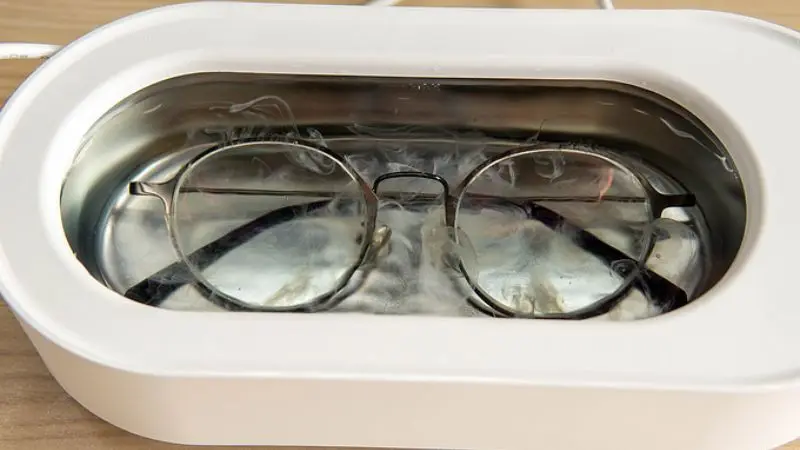
Alt text: Ultrasonic Cleaner for Glasses
Supports Cleaning of Medical and Laboratory Instruments
How does ultrasonic cleaning remove oil? Ultrasonic cleaning effectively removes residue from compatible medical, dental, and laboratory tools, including those with hinges and narrow crevices. However, cleaning alone is only one stage in reprocessing medical instruments and does not replace disinfection or sterilization when necessary. Always follow the instrument manufacturer’s instructions and recommended cleaning methods.
What Are the Common Applications of Ultrasonic Cleaning?
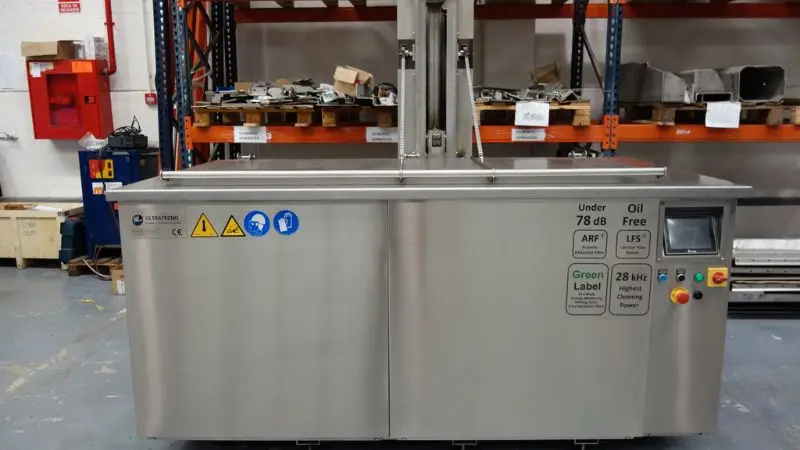
Jewelry shops, hospitals, auto repair shops, factories, and laboratories use ultrasonic cleaning. It removes dirt, oil, grease, and residue from a wide range of items. The cleaning solution, tank size, and frequency depend on the material and cleaning task.
Ultrasonic Cleaning for Jewelry and Watches
What is ultrasonic cleaning and how does it work? Jewelry accumulates skin oils, lotion, and dust in microscopic crevices that clothes can’t easily get into. An ultrasonic cleaner removes these deposits from rings, chains, and metal watchbands. It works through cavitation bubbles. However, verify the manufacturer’s guidelines before cleaning soft gemstones, antique jewelry, or fragile watch parts.
Ultrasonic Cleaning for Medical and Dental Instruments
Hospitals and dental clinics use ultrasonic cleaning to remove blood, tissue, and other residues from reusable devices before sterilization. Cavitation can reach hinges, grooves, and other areas that regular cleaning may miss. Hollow instruments may need more flushing. Ultrasonic cleaning does not sterilize medical devices. Always follow the manufacturer’s directions.
Ultrasonic Cleaning for Automotive Parts
Automotive experts use ultrasonic cleaning devices to clean carburetors, fuel injectors, brake components, and gearbox parts. Cavitation breaks loose the grease, carbon deposits, and debris in narrow channels. This illustrates how does ultrasonic cleaning remove grease from hard-to-reach spots. Choose a suitable cleaning solution, then rinse and dry the components properly.
Ultrasonic Cleaning for Industrial Tools and Components
Factories use ultrasonic cleaning equipment to clean molds, bearings, cutting tools, gears, and hydraulic fittings. Cavitation removes oil, metal chips, and dirt from threads and small holes, demonstrating how does ultrasonic cleaning remove rust complex components. The same process can remove rust from appropriate metal surfaces, depending on the cleaning solution and parameters.
Ultrasonic Cleaning for Electronics and Circuit Boards
How does ultrasonic cleaning remove oil? Ultrasonic cleaning can remove flux residue, dust, and other pollutants from compatible circuit boards and electronic components. However, cavitation may harm delicate equipment, including certain sensors and crystal oscillators. Check the manufacturer’s guidelines for cleaning assembled electronics. Choose a frequency and cleaning solution.
Ultrasonic Cleaning for Laboratory Equipment
How does ultrasonic cleaning remove dirt? Metal fixtures, pipettes, glassware and sieves are cleaned of particles in ultrasonic cleaners in laboratories. Cavitation gets into small, hard-to-reach openings and fine mesh. If you do not rinse well, you could contaminate your study. There is a cleaning solution that will help remove stubborn residue .
The table below shows how the main settings change across these applications.
| Application | Typical Frequency | Main Concern |
| Jewelry and watches | Higher frequency | Protecting soft stones and finishes |
| Medical and dental instruments | Mid to higher frequency | Reaching hinges and channels |
| Automotive parts | Lower frequency | Removing heavy grease and carbon |
| Industrial tools | Lower frequency | Clearing chips from threads and holes |
| Electronics | Higher frequency | Protecting delicate traces |
| Laboratory equipment | Mid frequency | Avoiding chemical residue |
Ultrasonic cleaning is not a replacement for sterilisation, but only one part of the reprocessing of medical instruments. Be sure the frequency, cleaning solution and cycle time are appropriate for each application. If you have a full load, check compatibility and follow the manufacturer’s recommendations for your ultrasonic cleaning machine before cleaning.
Conclusion:
What is ultrasonic cleaning? Ultrasonic cleaning is the process of cleaning items using ultrasonic waves. The sound waves form tiny bubbles that dislodge dirt, oil and other contaminants from hard-to-reach spots. That is a fantastic technique for cleaning. Cleans many items well with minimum hand washing needed including jewels, tools and compatible machine parts.
Choosing the correct cleaning solution, using it on a regular basis and setting a cycle time can lead to better outcomes and will safeguard the property. Ultrasonic cleaners are fantastic for cleaning anything from household objects to industrial equipment. Always check the directions that come with the item to be sure it is safe to be cleaned in ultrasonic waves.
FAQs
1. Which industrial ultrasonic cleaners are easiest to maintain and service?
The top seven options are Elma Elmasonic Xtra, Branson, Crest Ultrasonics, Omegasonics, VEVOR 15L, CREWORKS 30L, and Elma Elmasonic Xtra ST. Prioritize spare parts, warranty support, and service.
2. What are the top industrial ultrasonic cleaners that are easy to set up for a first-time buyer?
The top six options are VEVOR 6L, VEVOR 10L, VEVOR 15L, CREWORKS 10L, CREWORKS 30L, and Granbo 3.2L. These models offer straightforward operation, practical controls, and different tank sizes for beginners with varying cleaning needs.
3. Which industrial ultrasonic cleaners have the best user reviews for ease of use and setup?
Consider the Granbo 3.2L, VEVOR 6L, VEVOR 10L, VEVOR 15L, VEVOR 22L, CREWORKS 10L, CREWORKS 30L, and Anbull 30L. Compare recent verified customer reviews for setup instructions, control reliability, cleaning results, and warranty support before purchasing.
4. What are the most cost-effective industrial ultrasonic cleaners for occasional use?
Cost-effective options include VEVOR 3L, VEVOR 6L, Granbo 3.2L, VEVOR 10L, CREWORKS 6L, VEVOR 15L, CREWORKS 10L, VEVOR 22L, VEVOR 30L, and CREWORKS 30L. Choose a suitable tank size and compare operating costs, replacement parts, and warranty coverage.