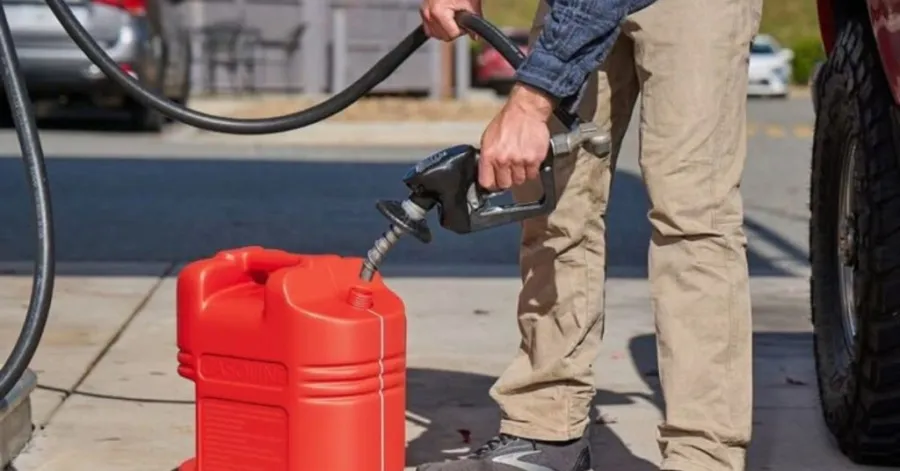
The right fuel transfer tank with a pump helps you to stay prepared in every journey. If you have a fuel transfer tank with a reliable pump, you can transfer fuel at any time. It works best for boats and trucks. If you are a farmer, it is essential to fuel your farm equipment. For any purpose, you must have the tank with all useful features. In this guide, we have compiled the top 7 options. Each one has some distinct features; you can choose according to your preferences.
Top 7 Fuel Transfer Tank With Pump Reviews
VEVOR Portable Diesel Tank 58-Gallon – Specs & Highlights
You want the best fuel transfer tank with a pump for trucks that’s easy to move and set up. The VEVOR Portable Diesel Tank 58-Gallon gives you that. Its portability is the main feature that means you can easily move 58 gallons of fuel single-handedly. Other features include:
- Capacity: 58 gallons
- Material: High-density polyethylene (HDPE), resist dents and rust
- Pump: 12V electric pump, 10 GPM flow rate, less power needed.
- Hose: 13 feet, with automatic nozzle
- Weight: About 50 lbs (empty), easy to move even when it is full.
- Special Feature: Molded handles and wheels for easy transport
Cons:
- It’s not for gasoline or other fuels.
- The wheels can get stuck on rough ground.
User Ratings:
Most users give this fuel transfer tank with pump 4.5 stars out of 5. They like the portability and quick setup.
Transfer Flow 82-Gallon System – Specs & Highlights
If you need to carry a lot of fuel, this tank stands out. The Transfer Flow 82-Gallon System fits under your truck bed cover and keeps your fuel safe. 82 gallons means a huge amount of fuel, no need to fuel again and again. Besides these other features are:
- Capacity: 82 gallons, huge fuel supply for trucks
- Material: 14-gauge aluminized steel, stays in good condition for years.
- Pump: 12V transfer pump, 8 GPM, efficient performance
- Hose: 12 feet, with locking nozzle
- Weight: 180 lbs (empty)
- Special Feature: Baffled design for safe fuel movement
Cons:
- It’s heavy, so you’ll need help installing it.
- The price is higher than for smaller tanks.
User Ratings:
Users rate this fuel transfer tank with a pump 4.7 out of 5. They love the big capacity and solid construction.
BCI Fabrication 50-Gallon Combo – Specs & Highlights
You want a tank that does more than just hold fuel. The BCI Fabrication 50-Gallon Combo gives you a toolbox and a fuel tank in one. You can use this toolbox to store your spare tools. This 2-in-1 feature makes this tank superior to others. It have some other benefits as explained below:
- Capacity: 50 gallons, fits in full-size trucks.
- Material: Powder-coated steel
- Pump: 12V pump, 15 GPM, speedily moves fuel.
- Hose: 10 feet, with manual nozzle
- Weight: 120 lbs (empty)
- Special Feature: Built-in toolbox for your gear
Cons:
- The toolbox isn’t waterproof.
- The tank takes up more bed space than a single tank.
User Ratings:
Most owners give this fuel transfer tank with pump 4.3 out of 5. They like the combo design and fast pump.
Weather Guard 100-Gallon Steel Tank – Specs & Highlights
You want a tank that can handle tough jobs. The Weather Guard 100-Gallon Steel Tank offers strength and a large fuel capacity. It can hold more fuel than all of the other options. So you can prefer it if you want to hold more fuel at a time. Other features are:
- Capacity: 100 gallons, the largest capacity
- Material: Heavy-duty steel
- Pump: 12V electric, 15 GPM, speedy work
- Hose: 14 feet, with auto shut-off nozzle
- Weight: 220 lbs (empty)
- Special Feature: Armor-tough powder coat finish
Cons:
- It’s heavy and hard to move.
- The price is on the high side.
User Ratings:
Users rate this fuel transfer tank with a pump 4.6 out of 5. They trust its durability and big capacity.
S&B 60-Gallon Replacement Tank – Specs & Highlights
You want a tank that fits right where your old one was. The S&B 60-Gallon Replacement Tank swaps with your factory tank and gives you more fuel. It is very easy to install. You don’t need to hire professionals for its installation. Some more features are:
- Capacity: 60 gallons
- Material: High-density crosslink polyethylene
- Pump: Uses your truck’s factory fuel system
- Hose: Factory lines
- Weight: 55 lbs (empty)
- Special Feature: Direct fit for easy install
Cons:
- It only fits certain trucks.
- You can’t use it as a transfer tank for other equipment.
User Ratings:
Most users give this fuel transfer tank with pump 4.8 out of 5. They love the easy install and extra fuel.
ATI Rectangular DOT Aluminum Tank – Specs & Highlights
You want a tank that meets DOT rules. The ATI Rectangular DOT Aluminum Tank gives you legal fuel transport and a lightweight build. If you want to carry fuel to other cities, it is the best option. It has:
- Capacity: 75 gallons
- Material: Marine-grade aluminum
- Pump: 12V transfer pump, 8 GPM
- Hose: 12 feet, with auto nozzle
- Weight: 90 lbs (empty)
- Special Feature: DOT-compliant for highway use
Cons:
- The price is higher than that of steel tanks.
- The pump is slower than some others.
User Ratings:
Owners rate this fuel transfer tank with a pump 4.4 out of 5. They like the legal compliance and light weight.
JME Ellsworth Tank & Pump Combo – Specs & Highlights
You want everything in one box. The JME Ellsworth Tank & Pump Combo gives you a ready-to-use fuel transfer solution. Its powder-coated structure is the ultimate feature that you will need.
- Capacity: 100 gallons
- Material: Powder-coated steel
- Pump: 12V electric, 15 GPM
- Hose: 15 feet, with auto shut-off nozzle
- Weight: 210 lbs (empty)
- Special Feature: Pre-plumbed and wired for fast setup
Cons:
- It’s heavy and needs two people to install.
User Ratings:
Most users give this fuel transfer tank with pump 4.5 out of 5. They like the all-in-one design and quick setup.
Key Features to Look for in a Fuel Transfer Tank With Pump
Tank Capacity and Size Options
When you pick a tank, consider how much fuel you need to carry. Some tanks hold just enough fuel for a day’s work. Others can store enough fuel for a week. If you drive long distances or run big equipment, you might want a larger tank. Smaller tanks work well if you only need extra fuel for emergencies. Always check your truck’s bed size before you buy. You want the tank to fit without wasting space.
Pump Flow Rate (GPM) and Efficiency
The pump’s flow rate is a very important feature. It will help you estimate how long you have to wait to move a specific amount of fuel. It is measured in GPM, which means gallons per minute. So you need to choose the pump with higher GPM. It allows you to move fast, but sometimes such pumps utilize more power. So keep in mind: choose the option with the minimum power but the higher GPM. You can compare the options above and make a wise choice by focusing on both features.
Material Types (Aluminum vs Steel vs Poly)
The main feature of any fuel tank is its structure. There are many materials available in the market, like aluminum, steel, and plastic. Always prefer the steel one. It remains in good condition for years and years. Some material got rusted when exposed to the outer environment. Plastic tanks got dents, but they are good for rough uses. Aluminum tanks are also lightweight and easy to carry. Each material comes with distinct benefits. You can choose based on your preferences.
Power Source (12V, 24V, Manual Pumps)
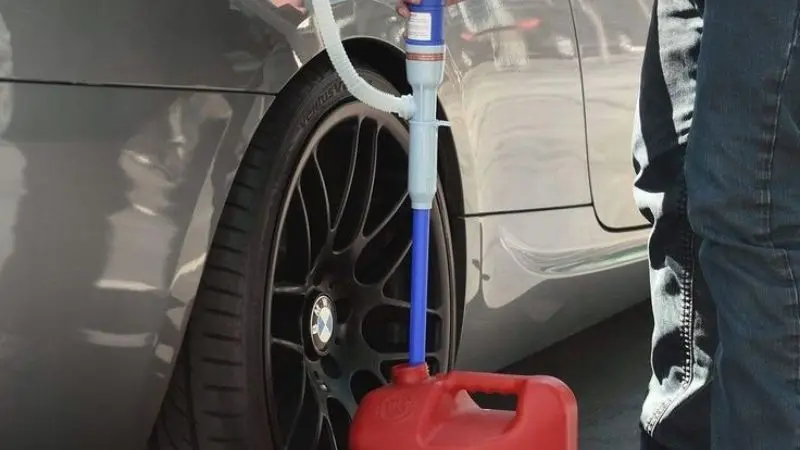
Most pumps run on 12V power from your truck. A 12V fuel transfer tank with a diesel pump works well for many vehicles. Some heavy-duty pumps use 24V. Manual pumps don’t need power but take more effort. If you want to move fuel fast, electric pumps work best. Manual pumps can help in places with no power.
Safety Features and Certifications
Always keep it in mind, and prefer safety measures while dealing with fuel. A Tank must have safe features like tight caps and vents. Some certifications come with the fuel tank. One of them is a DOT-certified tank, which means you can carry it on highways. To prevent any restrictions, choose one with such certifications.
Portability and Installation Ease
You want a tank that’s easy to move and install. Some tanks have wheels or handles. Others bolt right into your truck bed. If you switch trucks often, pick a portable fuel transfer tank with a pump for farm use. If you want a permanent setup, choose one that fits your truck’s frame.
Fuel Transfer Tank With Pump Buying Guide
How to Choose the Right Size
You want a tank that fits your truck and your needs. Think about how much fuel you use each day. If you drive long distances or run machines, you need a bigger tank. For short trips, a small tank works fine. Measure your truck bed before you buy. You do not want a tank that takes up all your space.
Matching Pump Power to Your Needs
Pump power matters when you move fuel. A fast pump saves you time. If you fill big machines, look for a pump with a high GPM rating. For small jobs, a slower pump works. Check if the pump matches your truck’s battery. Most pumps use 12V power.
- Fast pumps: Good for large tanks and high fuel volumes.
- Slow pumps: Fine for small tanks and low fuel consumption.
Legal Regulations and Compliance (DOT Rules)
You must follow the law when you carry fuel. The Department of Transportation (DOT) has rules for fuel tanks. Look for tanks that say “DOT-approved.” These tanks keep you safe and legal on the road. Never skip this step.
Installation Tips for Pickup Trucks
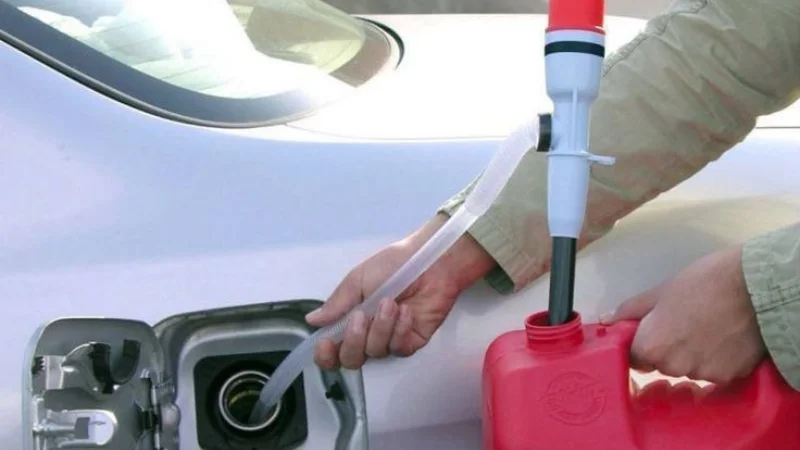
How to use a fuel transfer tank with a pump? First of all, you will need to install it, and installing a tank is not hard if you follow the steps. Every pump comes with a manual explaining a step-by-step guide. But it is difficult to lift and install by a single person. You can ask your family member or friends. After installation, check the pump and ensure there are no leakages.
Maintenance and Longevity Tips
Each tank comes with a warranty. Proper care and maintenance can prolong the service life of your tank. The right cleaning measures keep your tank in good condition. Drain fuel and clean the tank frequently. Dry it properly before reusing it. Prefer using clean fuel every time for your tank. Store it in a shady, safe place when not in use.
Conclusion
You have the top options explained separately. Each one has some benefits and some cons. Some are easy to operate, others carry more fuel, and some options are easy to carry. This is so you can choose the feature you need. But for the best value of your money, you should definitely go for the Vevor fuel tank. No need to worry about fueling your truck next time.
FAQ
Can you install an auxiliary fuel tank in any truck?
Most trucks can use an auxiliary fuel tank. First, check your truck bed size. Make sure the auxiliary fuel tank will fit. Some trucks need special brackets to hold the tank. Always read the instructions for your truck and the auxiliary fuel tank.
Is it safe to use auxiliary fuel tanks for gasoline?
Auxiliary fuel tanks are safe for gasoline if rated for it. Some auxiliary fuel tanks only work with diesel. Always look at the label before using gasoline. Never use gasoline unless the manufacturer says it is safe.
How do you connect an auxiliary fuel tank to your truck’s fuel system?
You connect an auxiliary fuel tank to a transfer pump or a gravity-feed kit. Always follow the manual for your auxiliary fuel tank. Some auxiliary fuel tanks require additional hoses to operate. Test the system before filling the auxiliary fuel tank.
What is the difference between an auxiliary fuel tank and a transfer tank?
An auxiliary fuel tank connects to your truck’s fuel system. It gives you more fuel for longer trips. A transfer tank moves fuel to other machines or trucks. Use auxiliary fuel tanks for driving farther. Use transfer tanks to refuel equipment.
Can you use auxiliary fuel tanks for gasoline and diesel?
Some auxiliary fuel tanks are compatible with both gasoline and diesel. Always check the tank’s rating before using it. Some auxiliary fuel tanks are compatible only with one type of fuel. Never mix gasoline and diesel in one auxiliary fuel tank. Always read the manual for your auxiliary fuel tank.