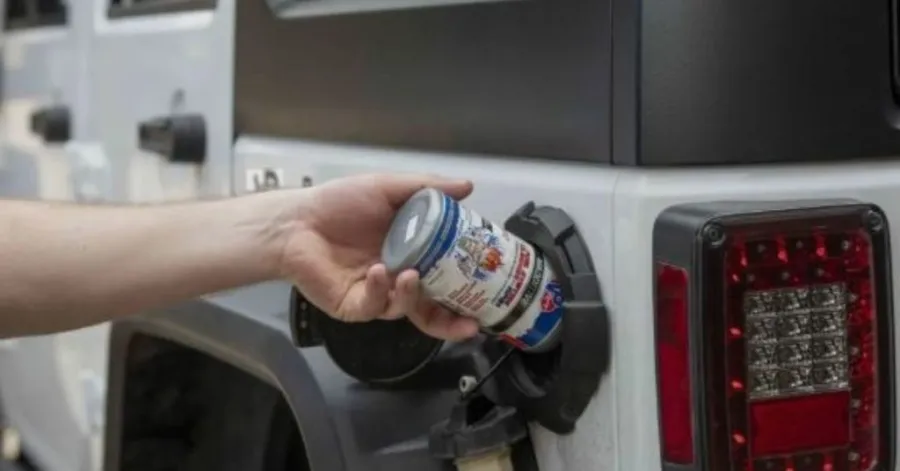
Have you ever wondered what keeps your engine running mile after mile? The secret often lies in the fuel system, and a fuel tank cleaner plays a key role. Over time, dirt, water, sludge, and other contaminants accumulate inside your tank or even in fuel stored in a jerry can, reducing performance and causing rough starts or engine damage.
By using a quality cleaner, you remove these harmful deposits, protect injectors and fuel lines, and maintain smooth fuel flow. Regular cleaning boosts fuel efficiency and prolongs engine life, keeping your car reliable and powerful.
What Is a Fuel Tank Cleaner and Why Is It Used
A clean fuel system can help your vehicle run smoothly and live a long life. Many drivers forget what happens inside the fuel tank, even though it plays a major role in how a car works. Recognizing what a cleaner does helps you understand why it’s an important part of regular vehicle maintenance. In order to learn about the methods of cleaning a fuel tank, it pays well to first understand what a fuel tank cleaner is and why it is useful.
What a Fuel Tank Cleaner Means
A liquid that can efficiently clean the inside of a vehicle’s fuel tank is called a fuel tank cleaner. It eliminates unwanted contaminants such as dirt, moisture, fuel residues, and other elements that accumulate imperceptibly over time.
Often, the impurities enter via the fuel of poor quality, condensation inside the tank, or fuel stored in a jerry can. Using the right fuel tank cleaner for cars ensures the effective flow of fuel to the engine. Clean fuel allows for better combustion and protects vital fuel system components.
How a Fuel Tank Cleaner Works Inside the Tank
The cleaner, when added to the fuel tank, disperses through the gasoline or diesel and travels the whole fuel system. As the engine operates, the cleaning formula breaks down sludge, dissolves deposits, and minimizes moisture.
Certain cleaning agents can also serve as fuel tank rust removers to prevent metal surfaces from rusting. Whether it is a gasoline motor or a fuel tank cleaner for diesel engines, the process restores interference-free, contamination-free fuel flow without requiring tools or mechanical expertise.
Why Keeping the Fuel Tank Clean Is Important
A filthy fuel tank can impair your vehicle’s performance over a period of time without any indication. Contaminated fuel can result in difficult engine starts, reduced fuel economy, and erratic engine performance. Muggy weather can result in rust and long-term engine damage.
If you learn how to clean a fuel tank, including safe DIY fuel tank cleaning methods, you can avoid costly repairs. Regular cleaning enhances engine dependability, enables seamless driving, and aids in extending the life of the entire vehicle.
Benefits of Using a Fuel Tank Cleaner
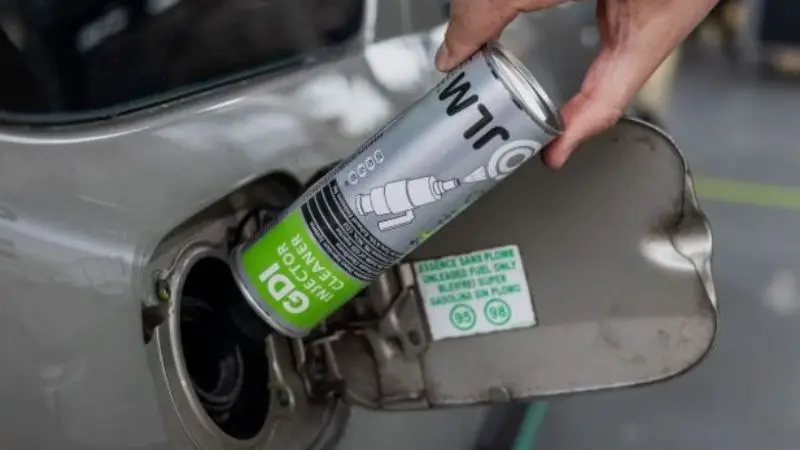
A clean fuel tank doesn’t just stop dirt from building up. It has a direct impact on your engine’s performance, its longevity, and how it effectively uses petrol. Moisture, deposits, and biological growth collected in fuel tanks over time harm performance. By using a cleaner, you can control these things before they become serious problems. Every vehicle owner must understand the benefits of regular fuel tank maintenance.
Prevents Microbial Growth Inside the Fuel Tank
Growth of microbes inside a fuel tank may first go unnoticed until damaging effects appear. Bacteria and fungi favour dark, wet places and will thrive where water is mixed with fuel. These microorganisms produce an acid sludge that damages the tank, fuel lines, and injectors.
A fuel tank cleaner helps to eliminate moisture and disrupt contamination to prevent microbial growth early on. Using clean fuel prevents filters from clogging and prevents injector damage. Over time, the shield helps keep the overall fuel system healthier and naturally reduces the risk of unexpected engine trouble caused by unseen buildup.
Removes Harmful Water Contamination
Water contamination is a problem often seen in fuel systems. Moisture may enter a tank due to condensation or poor-quality fuel, settling at the bottom. It causes corrosion, rust, and poor functioning of the engine. A good rust remover for fuel tanks separates water from fuel, making it easy to remove safely.
If you learn how to clean a fuel tank correctly, moisture won’t cause long-term damage. Preventing water from getting into the system keeps the engine running smoothly and avoids unnecessary wear from internal rust.
Breaks Down Sludge and Fuel Deposits
As fuel ages and deteriorates, sludge and deposits accumulate. This buildup can be made worse due to short trips, not driving frequently, and using poor-quality fuel. Heavy sludge limits the flow of fuel and obstructs spray patterns. When you use the best fuel tank cleaner for cars, it helps to dissolve these deposits and flush them away.
Transparent fuel lines ensure that the flow of fuel is smooth and that it burns efficiently. It enables the engine to respond better and reduces performance problems that can occur over time because of restricted fuel delivery.
Helps Extend Overall Engine Life
A clean fuel is the lifeline of an engine that runs smoothly and lasts long. Substances like dirt, moisture, and residue raise friction and wear on the most important engine parts. Regularly cleaning fuel systems with a diesel engine or gasoline vehicle fuel tank cleaner helps protect the injectors, pump, and combustion chamber.
While some drivers try to clean the fuel tank themselves, daily use of a proper cleaner can offer reliable protection. The engine has less stress because of this, which reduces the amount of rust and filament that usually forms.
Improves Performance and Fuel Efficiency
An important aspect of engine power and efficiency is clean fuel. Clean injectors allow for even fuel spray and complete combustion. A fuel tank cleaner will help you regain lost efficiency if your combustion is interrupted. This means that it produces more power with less fuel consumption. Over time, improved fuel economy results in fewer fill-ups and a more responsive ride, without hesitation or stalling.
Reduces Harmful Vehicle Emissions
Fuel contamination is damaging to performance and emissions. If your fuel system is dirty, it cannot combust completely, which leads to more pollution from the exhaust pipe. When deposits and moisture are removed, the fuel burns more efficiently.
If you use a cleaner regularly, it promotes better combustion and helps lower the toxic gases released into the air. An engine operates under less stress with a clean fuel system, making it more environmentally friendly. Cleaner engines lead to cleaner air while delivering safe and dependable vehicle performance.
Uses of Fuel Tank Cleaner and Fuel Treatment
Fuel tank cleaners and fuel treatments are also for preventing problems before they become apparent. These products are used for preventive as well as corrective purposes to keep fuel systems clean and reliable. These products can be used in daily driving and long-term storage to protect engines from contaminants, moisture, and buildup. Knowing when to use fuel system products and why makes caring for any vehicle easier and more effective.
Using a Fuel Tank Cleaner for Routine Vehicle Maintenance
Keeping the fuel system in tip-top condition is vital for optimal engine performance and longevity. Fuel tank cleaner added at regular intervals prevents the buildup of dirt, sludge, and water inside the tank. A clean fuel enables the engine to start more easily and operate more cleanly.
This practice not only benefits gasoline vehicles but also diesel engines, which are likely to have water contamination. Using a fuel tank cleaner for diesel engines regularly helps to control microbial and moisture in the fuel and make the system stable.
Using Fuel Treatment After Filling With Low-Quality Fuel
Using cheap fuel can add water, dirt, and unstable fuel to the tank. The best fuel tank cleaner for cars used after exposure to bad fuel will break down sludge and remove dangerous moisture before damage has been done.
The cleaner restores the proper fuel flow within fuel lines and injectors. By acting quickly with the vehicle’s fuel treatment, you can reduce the chances of long-term engine damage, making it easier for the vehicle to perform normally.
Using Fuel Tank Cleaner Before Long-Term Vehicle Storage
When cars are left unused for a long time, their fuel can go bad. Old fuel can form deposits, attract moisture, and allow microbial growth inside the tank or even in a jerry can. It is recommended to add a fuel tank cleaner before storage.
This will stabilize the fuel and protect the metal parts from rusting. Many drivers look for a fuel tank cleaner, and while DIY methods exist, a cleaner ensures full coverage in the system. This preparation prevents hard starts, running rough, and clogging fuel components the next time the vehicle is used.
Using Fuel Treatment to Address Fuel System Problems
Issues with your fuel system often manifest as bad acceleration and stalling or higher fuel consumption. Clogged injectors, dirty water, and sludge buildup are often the causes of these problems. Learning to clean your fuel tank with a good fuel cleaner will dissolve the deposits and restore fuel delivery.
Several products also work as a fuel tank rust remover to prevent corrosion of the internal surfaces. If you use fuel treatment regularly, it will help with drivability, support smoother starts, and reduce the cost of mechanical repairs.
How to Use a Fuel Tank Cleaner Properly
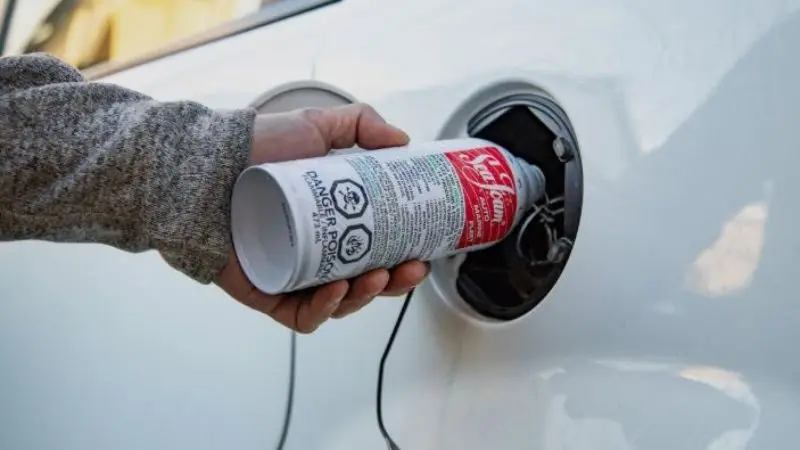
Using a fuel tank cleaner correctly is just as important as choosing the right product. The proper application ensures the cleaner passes through the entire fuel system and works best. It enhances fuel flow and safely eliminates contamination when applied correctly. If you do not understand the right process, it could cause a lot of confusion. In turn, this could place unnecessary stress and damage on your engine over time.
Step-by-Step Process for Using a Fuel Tank Cleaner
The fuel system cleaning process should be straightforward and convenient. A fuel tank cleaner is typically added when the tank is low so that it can mix well with the fresh fuel. After adding, filling the tank enables the cleaner to reach all internal faces.
To get the solution streaming continuously through the tank, the fuel lines, the injectors, and the combustion chamber, you run the engine. With this technique, you get an even cleaner. Correct application will ensure the safe and effective cleaning of the fuel system of a vehicle.
Safety Practices to Follow During Fuel System Cleaning
Safety should never be an afterthought when dealing with chemicals and fuel vapors. Carrying out the procedure in an open or well-ventilated area can minimize exposure to strong fumes. Gloves and other protective clothing help prevent skin irritation.
It is important to keep cleaners away from heat and flames. Storing cleaning products properly prevents accidental exposure as well. Using a fuel tank cleaner is safe as long as you follow the proper handling instructions. This way, you will protect your health as well as your vehicle during the course of cleaning.
Common Errors That Reduce Cleaning Effectiveness
If you make mistakes while cleaning your fuel tank, your results will be limited, and it may lead to damage. If you use excess cleaner, it can overwhelm the fuel system and impair the engine performance. When you skip product instructions, you often do it incorrectly. It is not permitted to add the cleaner to a full tank without approval.
Cleaning can mask warning indicators from the engine; don’t ignore it. By steering clear of these mistakes, you guarantee the cleaner operates effectively while supporting the long-term health of the engine rather than causing further issues.
How to Choose the Right Fuel Tank Cleaner for Your Vehicle
How you use a product is as important as choosing the right product. Different vehicles have different fuel system needs, so not all cleaners will work the same way. With knowledge of compatibility, formulation, and real-world performance, you can choose a product that achieves safe, effective results. A properly-selected cleaner protects your engine and optimises fuel system efficiency.
Matching the Fuel Tank Cleaner to Your Vehicle Type
Each vehicle has specific requirements for its fuel system, based on its engine design and fuel. Different types of cleaning formulas are needed for gasoline engines, diesel trucks, and older vehicles.
It’s especially important to choose a fuel tank cleaner for a diesel engine. The reason is that, unlike gasoline, diesel attracts more moisture and microbial growth. Choosing the right fuel tank cleaner for cars means looking for the product labeled for your engine. Using the right sealant solution preserves the integrity of the seal and allows the cleaner to operate throughout the fuel system.
Understanding the Ingredients That Make a Cleaner Effective
How effective a cleaner is determined by its formulation. Detergents that dissolve sludge, get rid of moisture, and restore the flow of clean fuel. Lubricating agents, which protect injectors and fuel pumps, are also included in some cleaners.
Powerful cleaning agents help dissolve stubborn deposits without harming the hoses or seals. A cleaner, a fuel tank rust remover provides extra protection from oxidation. By studying ingredients, you’ll be able to avoid abrasive chemicals while choosing a reliable cleaner.
Evaluating Performance Through Real User Experience
Feedback from users gives you insight into how well a fuel tank cleaner performs while driving. Additionally, the reviews will inform you of how quickly a product improves engine response, fuel efficiency, and starting. It can be very helpful to hear from drivers of similar vehicles.
A pattern of positive outcomes suggests reliability. While the outcomes vary, a cleaner that consistently attracts consumer trust might be capable of delivering visible results without any side effects or long-term issues.
Balancing Cost and Quality When Choosing a Cleaner
The effectiveness of a product isn’t determined by price alone. Some cheap cleaners work great while expensive ones add little to no extra value. Considering ingredient quality, performance feedback, and vehicle compatibility may help in attaining the right balance.
Spending money on a good cleaner for the fuel tank can help protect your engine and save you money. A good product brings long-term benefits that are superior to savings from lower-quality ones.
Wrap-Up
One of the easiest ways to protect your engine and improve driving performance is to keep your fuel system clean. Using a fuel tank cleaner regularly will remove water and sludge before they can cause expensive problems, along with deposits. Whether you use your vehicle regularly, store fuel in a jerry can, or leave it unused for long periods, learning how to clean a fuel tank will help it start more easily, improve gas mileage, and prolong engine life. You often wonder which are the best fuel tank cleaners for your car’s diesel engine, etc. When maintained and cleaned regularly, your car stays efficient, responsive, and dependable for years.
FAQ
How frequently ought you to employ a fuel tank cleaner?
A fuel tank cleaner should be used every 3000-5000 miles. If you often drive in dusty conditions or use poor-quality fuel, have your fuel tank cleaned more often. Your vehicle’s manual has the best advice.
Can you use fuel tank cleaner in any automobile?
Most fuel tank cleaners can be used in gas and diesel engines. Be sure to read the label to make sure it matches your vehicle. Consult with your mechanic if you are not certain.
Will engine cleaner or fuel tank cleaner cure rough idling?
A fuel tank cleaner aids rough idling of petrol engines. It eliminates water and sludge that create engine problems. If your car continues to have misfiring problems, you should take it to a mechanic for further diagnosis.
Is it safe to use fuel tank cleaner every fill-up?
There is no necessity to use a cleaner every time you fill up. Excess cleaner can damage your engine. For optimal results, apply as suggested on the bottle. Follow the Schedule stated on the label. Your Engine Whil Thanks You!