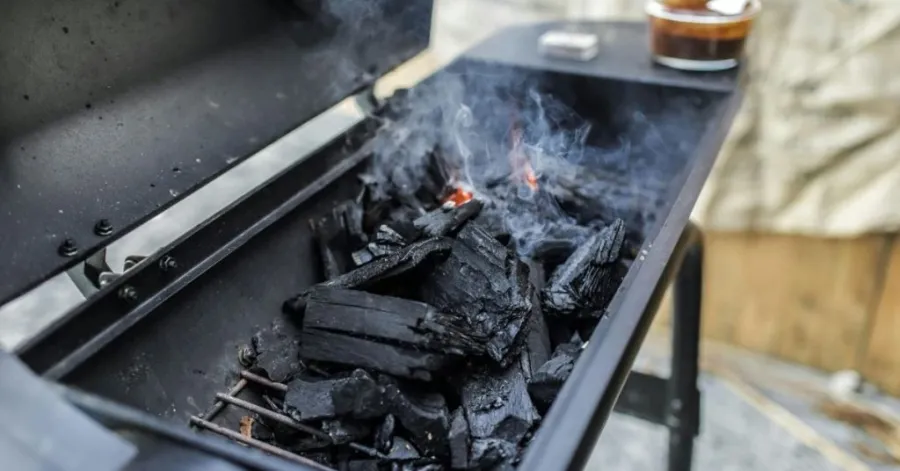
You can build your own DIY barbecue smoker at home and enjoy delicious, smoky meats whenever you like. Building a smoker yourself means that you have the freedom to choose which features you want, from size to style, and it’s a fun way to save money compared to buying one. You don’t need special skills – just the right tools, patience, and a love of barbecue! The process is rewarding, and the outcomes are delicious. Every cook is a moment of pride when you learn how to smoke meat at home and impress the family and friends with homemade barbecue.
Tools and Materials Required for a DIY BBQ Smoker
Filing all you need before you start is advisable. Having the appropriate tools and materials simplifies and minimizes the process. You will be well prepared by the following sections.
Essential Tools Checklist
For a successful low-cost build of a smoker, you need these tools at your disposal:
- Power drill with metal bits
- Angle grinder or metal saw
- Adjustable wrench set
- Screw drivers (flathead and Phillips)
- Measuring tape
- Marker or chalk
- Safety equipment (gloves, goggles, mask)
- Clamps
Wherever you are cutting or drilling through metal, safety gear is very important. It keeps your hands, eyes, and lungs covered while working.
Recommended Materials for Durability
By choosing the materials, you will receive a few more years of life from your smoker. A good sturdy smoker will not rust or break down with the heat, smoke, and weather. Consider these options:
- 55-gallon steel drum or propane tank (food grade, unlined)
- Metal grates/basket, charcoal expanded metal sheets.
- Leg/handle metal tubing or steel pipes.
- High-heat paint (good up to 1000o F or more)
- Stainless steel washers, nuts, and bolts.
- Heat-resistant gasket/sealant.
- Door hinges and door latching.
Buying stainless steel or other thick components of steel can help avoid rust and keep your smoker safe during extended cooking sessions. Using quality materials is one of the most important barbecue smoking tips for making a well-functioning barbecue smoker.
How to Build a DIY Barbecue Smoker: Step-By-Step Guide
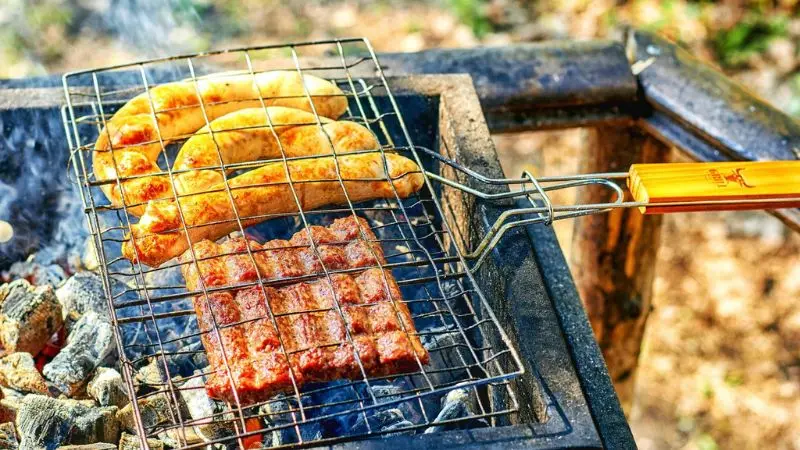
It is an exciting and challenging way to build your own smoker, and you are in charge of every detail. Well, everyone is a step closer to tender, smoky meats at home. Using this guide will help you build your diy barbecue smoker, which is safe and durable, and which also smokes meat when you are at home.
Step 1: Decide on Your Smoker Design
You have to choose a smoker design before you get going on your project. Some of the various options include: vertical drum, offset, and cabinet-style smokers. Check and have a look at different smoker plans and then see which will suit your backyard, space, and cooking needs.
A vertical drum is the one that a beginner should use because it offers equal heat and easy control of airflow. Choose the appropriate design early on – Designing the next steps to make building a cheap smoker easier, and making sure your low-cost smoker build is designed to suit your needs.
Step 2: Prepare the Drum or Chamber
It is quite important that you clean your tank or drum. Wipe the inside of it off, taking off all paint, oil, or liners, and then smooth off all the rough places with a grinder or by sandpaper. This action is needed to ensure that the interior of your smoker will be safe to cook in.
Note where you wish to cut out doors, vents, and openings. There, never cut without first measuring. This can be easily prepared, in the sense that the rest of your build has a great base laid out and that your diy barbecue smoker is in a good working condition.
Step 3: Install Air Vents and Dampers
The secret of great smoking lies in the airflow. Create your vents towards the bottom and top of your smoker, with metal dampers or sliding covers attached. These give you the capacity to control the temperature and even combustion of the fuel.
It is important to test the vents to make sure that they are opening and closing properly. Properly spaced vents contribute to a constant smoke and temperature level; it is one of the most important barbecue smoking tips for home smokers.
Step 4: Add Grates and Charcoal Basket
Grates and a charcoal basket help you organize your smoker for the best results. Put one expanded metal grate on the bottom for the charcoal and another grate above for your food.
Construct a basket out of metal mesh filled with charcoal to hold fuel and keep the ash contained. A strong basket makes your smoker safer and longer-lasting. Setting up the grates and basket correctly would be a simple step, but it goes a long way toward improving your how to smoke meat at home experience.
Step 5: Seal and Paint Your Smoker
Close any seams and doors with a non-combustible gasket or sealant that does not smoke out. Next, you can apply high-heat paint to the outside and leave it dry for at least 24 hours.
With this move, you have a secure smoker with no rust and weather damage, thus it will always appear and perform well for a few years to come. The smoker that has been appropriately covered and painted is another fundamental constituent of the smoker maintenance tips of BBQ smokers.
Step 6: Test and Season Your Smoker
And before you boil your first food in your smoker, take out a small fire and burn for a few hours before that. This is the seasoning process to get rid of the remaining oils and to cure the paint as well. Pay attention to the leaks and repair them.
After seasoning your homemade barbecue smoker, it is now ready to cook your first food. This final action will leave you safe and sure that every consequential smoking session you will experience in the future will be successful. Have the pleasure of smoked meats and be sure you smoked them with your very own hands.
Best Woods and Fuels for Smoking Meat
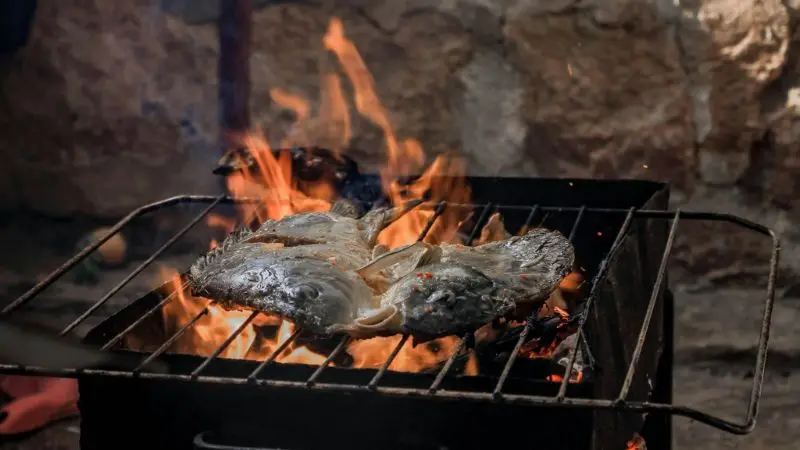
Selecting the appropriate wood and fuel is one of the most crucial steps in the process of smoking meat at home. The wood you use will influence flavor, while the fuel will determine control of heat. Picking the right combo helps your diy barbecue smoker to produce tender, delicious results every time.
Popular Smoking Woods: Hickory, Mesquite & Applewood
Using the correct type of wood gives your meat a distinctive and irresistible taste. Some woods are more popular than others for smoking meat at home. Here are 3 great choices:
- Hickory: Known for its strong, smoky flavor, hickory is great for pork, ribs, or brisket. It has a classic barbecue taste that is loved by many people.
- Mesquite: Burns hot and fast, with a bold, earthy flavor. Best for beef or wild game, but use sparingly as too much of it can have a bitter taste.
- Applewood: Produces a mild, sweet smoke that goes well with chicken, turkey, or fish. The flavor can be mixed with other woods for a balanced flavor.
Always use hardwoods for smoking. Softwoods such as pine or cedar may give unpleasant flavors and may even be unsafe when cooking. One of the biggest barbecue smoking tips for beginners is to use the right wood.
Charcoal vs. Wood: Which Is Better?
Choosing between charcoal and wood or both has an impact on heat and flavor. Each option has its benefits:
- Charcoal: Burns very steadily, easy to control heat level, and does not emit as much smoke. But it provides less natural wood flavor.
- Wood: Provides a rich smoke flavour and a variety of options to select from, but needs more attention to maintain a steady temperature.
A common approach is to try charcoal as the primary source of heat and add wood chunks for flavor. This method gives your meat a steady heat and also adds natural smoke to the meat.
How to Control Smoke Flavor
The taste of the meat you smoke is dependent on wood selection and fire management. Follow the following simple steps for the best results:
- Small pieces of wood or wood chips can be used for a mild flavor.
- To get a stronger smoke taste, add more wood.
- Keep the fire low and constant so it doesn’t develop bitter tastes.
You should open the vents on your smoker to keep air circulating to prevent smoke from being trapped in your smoker.
Thin, blue smoke is the best for flavour. Stay away from sulphurous, thick white smoke, as it can turn the meat harsh. It takes practice to learn how much wood you should use, but when you learn to master this technique, it will drastically enhance your how to smoke meat at home skills.
Tips for Using Your DIY BBQ Smoker Like a Pro
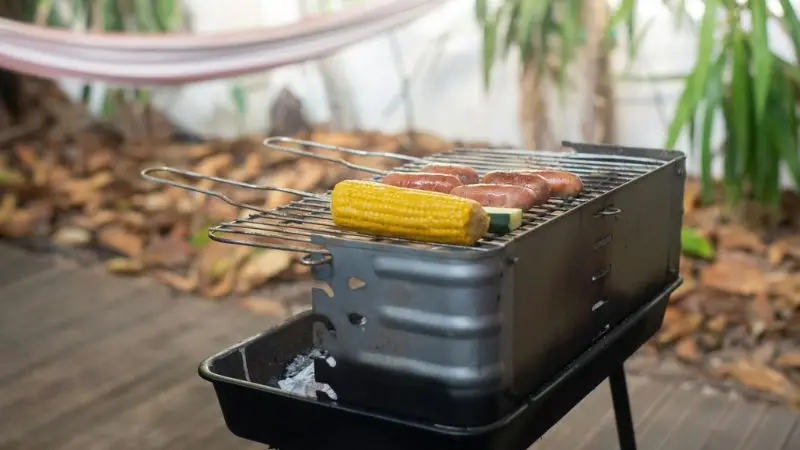
Once your diy barbecue smoker is ready, effectively using your barbecue smoker is the most important factor for great results. Understanding temperature control, airflow, and smoke management results in a big difference in flavor. These guidelines will help you in your cooking like a pro and keep your smoker in top shape.
Maintaining the Right Temperature
Keeping a steady temperature is determining with perfectly smoked meats. Most recipes are best at 225F and 250F. Use a good thermometer and position it at the height of the grate to get the heat of where your food is cooking, not just in the lid.
Add small amounts of charcoal or wood at a time to prevent sudden increases in temperature. In case of dropping heat, add the fuel slowly. Accommodate the temptation to open the lid too often – each open will lose, heat and smoke.
Logging your cooks (the temperature, fuel type, and cooking time) will help you to get better over time. This method is one of the most helpful BBQ smoker maintenance tips for backyard pitmasters.
Controlling Airflow and Smoke Levels
Air has control of fire and smoke. Correctly adjusting vents allows you to have the ideal cooking environment:
- Open the intake vent for more oxygen; this makes the fire hotter.
- Close the vent slightly to reduce the heat.
- Use the exhaust vent to let the smoke escape.
Thin, blue smoke produces the best flavor, while thick, white smoke can make food taste bitter. Adjusting vents is an important barbecue smoking tip for beginners that you should practice to learn how your smoker reacts.
Common Mistakes to Avoid as a Beginner
Many newcomers commit similar mistakes in the use of a smoker. To avoid such pitfalls, follow these steps:
- Don’t use too much wood; too much smoke can spoil flavor.
- Don’t rush the process, and low and slow cooking is essential.
- Cleaning your smoker after each use, the build-up of ash and grease impacts taste.
- Safety is your number one priority – use gloves and have water on hand in case of emergency.
Patience and practice are the way to be a confident pitmaster. Following these steps can help you get the most out of your diy barbecue smoker.
DIY Smoker Safety Tips
Using a diy barbecue smoker is an activity that can be fun and fulfilling, but safety should always take precedence. Proper precautions ensure that you, your family, and your food are safe while feeding on delicious smoked meats. The topics of fire, food, and outdoor setup are all covered in this section.
Fire Safety Guidelines
Fire is powerful and something you have to respect when using your smoker. Hot coals and open flames are a recipe for accidents if you aren’t careful. Follow these steps to keep yourself safe:
- Place your smoker on a flat, non-flammable surface such as concrete or bricks.
- Keep a fire extinguisher or bucket of sand close to you at all times.
- Use heat-resistant gloves when working with hot parts.
- Never leave the smoker unattended when it is lit.
- Keep additional charcoal and wood out of the way of the smoker.
Checking the local fire regulations is also important. Some areas have rules about outdoor cooking or open flames, and following these rules keeps your barbecue safe and legal.
Food Safety When Smoking Meat
Low-and-slow cooking is the key to smoking meat, but it can sometimes let bacteria grow if precautions aren’t taken. Keep your food safe by taking the following steps:
- Always thaw meat in the refrigerator and never on the counter.
- Keep raw meat away from ready-to-eat foods and utensils.
- Use a food thermometer to make sure the internal temperatures are safe. Most meats require a temperature of no less than 165 degrees Fahrenheit.
- Don’t reuse marinades that touched raw meat without boiling them.
- Wash your hands and tools properly after handling raw meat.
Safe Internal Temperatures:
- Chicken/Turkey: 165°F
- Pork: 145°F
- Beef Brisket: 195deg F (for tenderness)
Following these rules keeps your family and friends safe and has some tasty smoked meats.
Proper Ventilation and Outdoor Setup
Your smoker should always be used in the open air. Burning charcoal or wood creates carbon monoxide, which is not safe inside the house. Set up your smoker safely using the following tips:
- The smoker should be located at least 10 feet from buildings, fences, or trees.
- Make sure there is nothing hanging over the smoker, such as branches or awnings.
- As a rule, keep children and pets away from the cooking area.
- Face the vents away from people so as not to carry smoke into their faces.
Good ventilation not only keeps you safe, but it can also help to circulate smoke better and help to flavour your barbecue. This is one of the most important BBQ smoker maintenance tips for backyard pitmasters.
Wrap-Up
Making your own diy barbecue smoker is a satisfying way to enjoy smoked meats at home. From selecting the proper design to materials to fire, airflow, and even wood selection, every step helps you cook safely and confidently. Recipes: Maintaining proper temperatures, practicing food safety, and seasoning your smoker will ensure consistent results with a tasty flavor. Whether you are experimenting with how to smoke meat at home or honing your barbecue tips and tricks, patience and attention to detail make every cook a success. Your homemade smoker gives you freedom, flavor, and pride in each meal.
FAQ
How long does it take to build a DIY barbecue smoker?
You can complete the construction of your smoker in a weekend. If you make preparations for your tools and materials before you start, you will save hours. Painting and seasoning can increase the time.
Can I use another type of drum or tank?
You need to use a food-grade unlined steel drum or tank. Avoid containers that held chemicals. Safety is No. 1 when you are cooking with your smoker.
What is the best way to clean my smoker?
Avoid smoking by cleaning your smoker after each use. To remove ash and grease, use a brush. Wipe grates with warm and soapy water. Let everything dry before placing it in storage.
Why does my smoked meat taste bitter?
Too much smoke or dirty fuel can produce bitter flavors. Use only hardwood and keep your fire small. Watch for thin, blue smoke. Thick, white smoke can spoil the taste.