As temperature drops in winter, power failures can endanger lives. It is frustrating to see that one minute, the lights are flickering, and the next, you’re sitting in the dark. Your cold house is waiting and wondering when the power will return. The key is to be prepared before the power goes out. Learning how to prepare for power outage in winter is about staying safe, protecting your home, and preventing costly damage.
Frozen pipes, alternative heating sources, and cold stress can all become major issues if you’re not prepared. Getting ready with emergency items like battery-powered lights and other items is a part of preparing for such situations.
In this article, we’ll explore how to prepare for power outage in winter. With the correct preparation, you can keep your home, family, and sanity intact. Let’s get started!
What are the 4 P’s in freezing weather?
Have you ever heard about the 4P’s? It is a concept used by emergency planners during freezing weather for people, pets, pipes, and plants.
When the temperature dips below zero, these four areas are particularly unpredictable. Wintertime power loss means planning for more than just keeping warm; you’ll want to think about how to keep everyone safe and to minimize damage to your plumbing. It means to protect your plants inside from extreme cold.
By knowing and keeping the four Ps in mind, you can make the most effective use of your time when making your preparations.
Tips to prepare before a winter power outage
Power outages are less stressful and easier to prepare in advance rather than waiting until the power goes out. Taking preventative steps will lessen the burden of making spur-of-the-moment (even in whole) decisions while preparing for your family during a storm.
Some of the essential actions that you can take include the following:
Seal drafts around windows and doors
Good draft-proofing materials will help create this comforting environment. If you have kept your windows and doors draft-free, you can significantly increase how long the temperature in your home remains warm by not allowing cold drafts to enter your home through these small openings.
Close off unused rooms to retain heat
Close off areas that you don’t use to help hold the heat in them by closing the doors of rooms that are rarely used in order to concentrate that enclosed heat in one area. This creates a power outage safety to stay warm.
Use heavy curtains to trap warmth
Heavy curtains are one of the best ways to trap heat, especially when you are keeping warm without power. Close them as soon as it gets dark to prevent heat from escaping.
Use thermal or blackout curtains for extra insulation if you are serious about how to prepare for a power outage in winter. This step is crucial for maintaining warmth indoors.
Insulate exposed pipes
Dropped temperatures cause pipes to freeze that can burst and cause serious damage. To avoid this, wrap exposed pipes in foam insulation and thick towels if required.
How to prepare for power outage in winter means protecting not only yourself but your home’s plumbing system as well.
Know where your water shut-off valve is
In case a pipe bursts, you will need to take action rapidly. Make your main water shut-off valve in reach before time and make sure all family members know where it is. Getting prepared for how to prepare for power outage in winter safely is the main thing.
Keep safe backup heaters ready
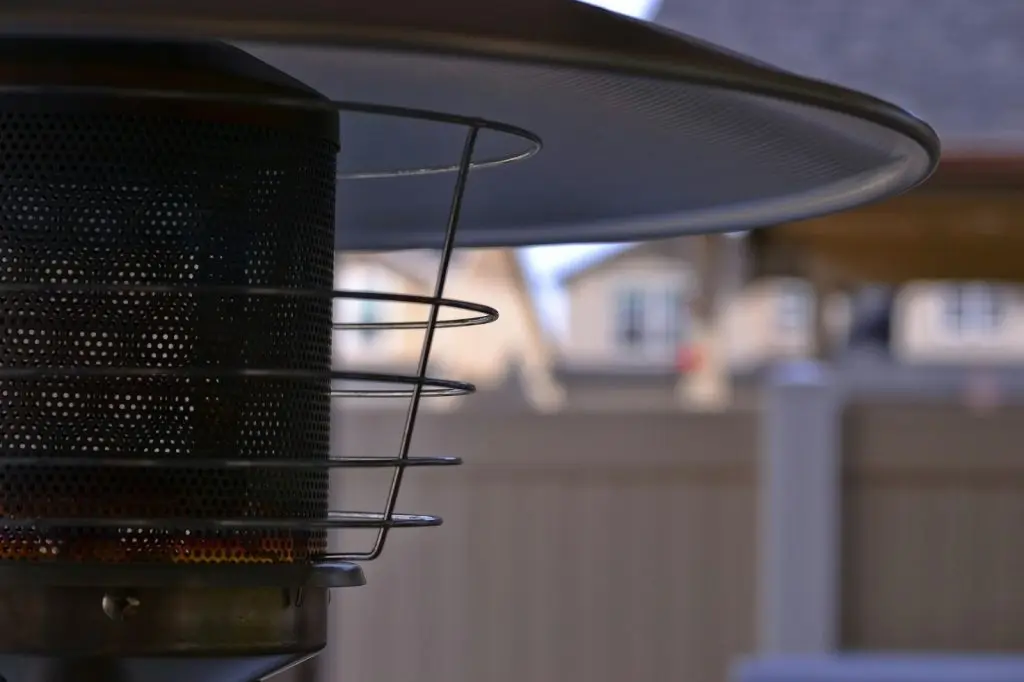
If you want to use a space heater, check if it is approved for indoor use. Test it before use. Safety comes first when having heating options ready when learning how to prepare for a power outage in winter.
Avoid unsafe heat sources
The biggest mistake most people make is using outdoor heat sources inside the home. They produce dangerous gases like carbon monoxide. You have to learn what to do and what not to do.
Designate one warm room in advance
Select one room in your home as the main living room. It should have fewer windows so it stays warm. Staying in such a single room makes how to prepare for power outage in winter more manageable.
Keep warm clothing easily accessible
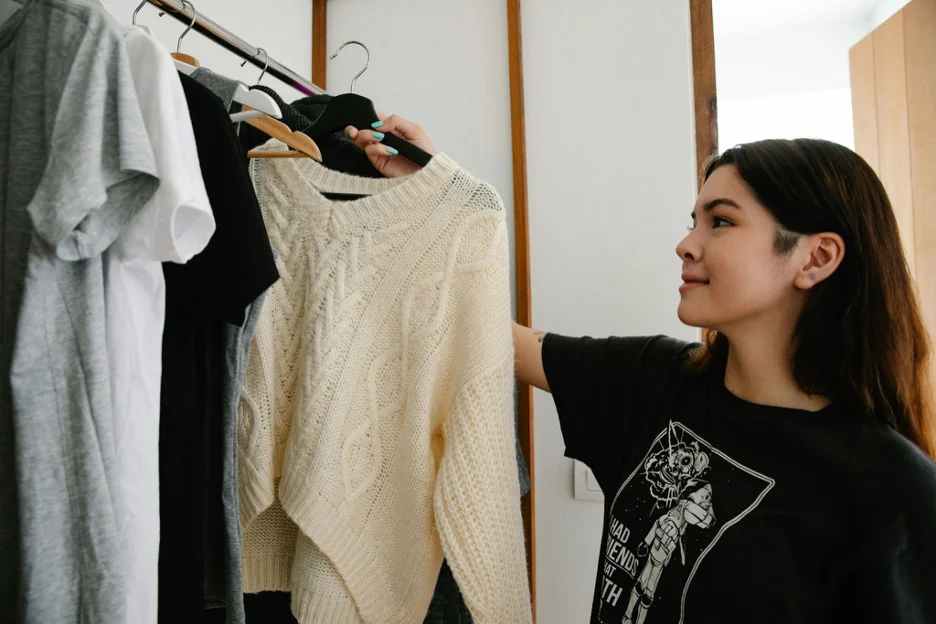
It is required to have extra blankets, gloves, socks, and insulating cloths easily accessible to you. So that when the power shuts down, you don’t panic and find them easily.
Layering enough clothes is a genius way to stay warm when practicing how to prepare for power outage in winter effectively.
Let faucets drip during extreme cold
Winter makes the pipes freeze, and to keep them moving and reduce pressure buildup, you have to trickle water to prevent them from freezing.
Open cabinet doors under sinks
If you open cabinet doors in the kitchen, warm air circulates around the plumbing and prevents it from freezing. Small steps like these make the pipe freezing problem less stressful.
Keep flashlights within reach
Keep flashlights easy to reach in your living room, kitchen, and bathrooms so you don’t have to search for them in the dark. Lightning is a major part of how to prepare for power outage in winter. Flashlights are light without electricity and help you a lot in a power outage.
Use battery-powered lighting instead of candles
Candles are useful, but you have to be careful using them, especially in the dark. They are risky to catch fire immediately. Use battery-powered lanterns instead of candles to avoid hassle in this situation.
Keep devices charged
Make sure your devices are charged in such weather conditions. Charge your phones, laptop, and power banks fully when you see the weather forecast.
A portable charger can be very helpful for you in these situations. Charged devices allow you to communicate with your loved ones in difficult situations.
Monitor weather alerts
Keep updated through weather apps, emergency alerts, and the radio. These early warnings give you enough time to prepare for the disaster and take necessary precautions.
A better understanding of weather forecasts will help you master how to prepare for power outage in winter.
Maintain fuel in your vehicle
Don’t forget to fill your fuel tanks at least half full during winter. This makes sure that you have enough fuel to travel in an emergency and stay warm in your vehicle if needed. Planning in fuel consumption and refills can save you from hazards.
Park for easy winter access
If you are outside, park your vehicles in easy-to-access locations facing the road or in a way where you can remove snow easily. This is a smart way of preparing yourself to feel less panic in difficult scenarios.
Limit door opening during outages
Whenever you open the door, you welcome cold air to enter your space. Keeping the door closed as much as possible will conserve heat, and it plays a vital role in how to prepare for power outage in winter safely.
Stay in one heated space
Once the power shuts off, gather everyone in one warm place. Close unnecessary open doors and windows. Staying together in one place retains heat and maintains heat balance more practically.
Following these steps and keeping an essential winter outage emergency kit makes you confident and secure when a storm hits.
What are the 6 hazards of cold stress?
Cold weather can be very bad for you. There are six things that can happen to you when it is cold. These things are:
- Getting too cold, which is called hypothermia
- Frostbite, which hurts your skin
- Trench foot, which is when your feet get too cold and wet
- Chilblains, which are when the cold hurts your skin
- Not having water in your body, which is called dehydration
- Your blood is not moving around your body like it should, which is called circulation
You need to know what to look for when you or someone else is getting too cold. If you are shivering or your skin is numb, or you are confused, or your skin is pale, you need to do something about it. These are signs that something’s wrong, and you should not ignore them.
FAQs
How do I keep my home warm without power?
I need to wear lots of clothes, stay in one room, and use backup heating sources. I should also close my curtains, seal any drafts, and even use blankets to keep my windows warm if I need to.
What should I avoid using for heat?
I should not use my gas oven or charcoal grill to heat my home. I should also stay away from propane heaters that are not meant for use and things that have open flames because they can produce carbon monoxide.
How do I stop pipes from freezing?
I should let my faucets drip a bit, open the doors to the cabinets where my pipes are, and wrap up my exposed pipes. I should also keep my home warm above 55 degrees when I can.
When should I consider leaving?
If my home gets too cold, my carbon monoxide alarms go off, my pipes break, or people who are vulnerable are at risk. I should think about going to a shelter.
Conclusion
Getting ready for a winter power outage is about planning and staying calm when something unexpected happens. By thinking about my home and the people and things in it, like people, pets, pipes, and plants, I can cover the important areas.
From sealing drafts and wrapping up my pipes to being safe when I heat my home, every little thing helps. If I get my home ready, I can reduce the risk of something going wrong, prevent damage, and keep my household safe when the power is out for a long time.
Winter storms are hard to predict. If I get ready, I have more control. If I do something about it today, tomorrow will be a lot easier to deal with.