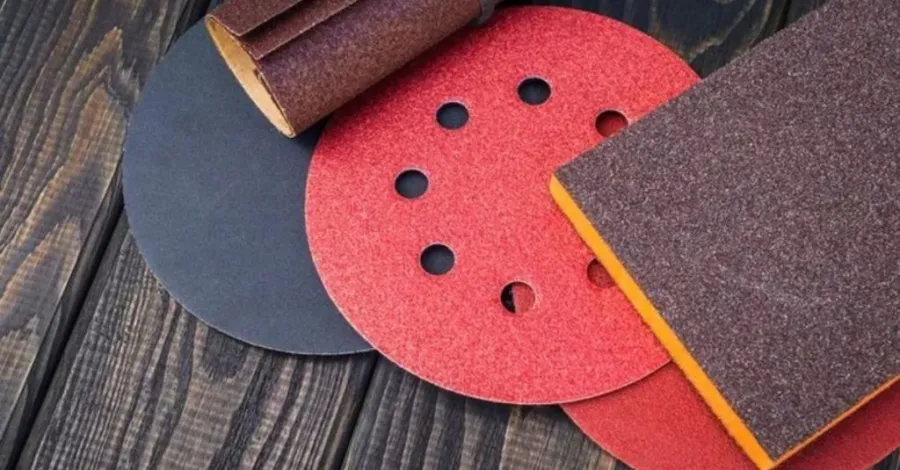
Are you confused about what grit of sandpaper for sanding drywall works best? Yet it is the smallest step, but it matters a lot. This basic step is essential to maintain an overall excellent paint or any other wall setting. There are many options available. To avoid being overwhelmed, we have compiled a list of the top choices. For most jobs, 120-grit sandpaper yields smooth results without damaging the wall. We all know a single grit doesn’t work. You will need different grits. For heavy ridges, use a coarser grit,t then move to medium grit for smoothing. If you want to paint the wall, the final step is to sand the surface with fine-grit sandpaper to smooth it. With the right sandpaper, you can sand drywall easily, even as a beginner.
What Grit Sandpaper for Sanding Drywall Should You Use?
Why Grit Size Matters When Sanding Drywall
You might wonder why grit size matters when sanding drywall. Grit size tells you how rough or smooth the sandpaper feels. Lower numbers mean rougher sandpaper. Higher numbers think more smoothly. What sandpaper to use on joint compound? If you use sandpaper that is too rough, you can scratch the drywall or remove too much joint compound. If you use sandpaper that is too smooth, you may not remove enough material, leaving the wall uneven.
Best Grit Range for Drywall Explained (80–220 Grit)
You will find that most drywall sanding jobs use sandpaper between 80 and 220 grit. Each number in this range has a special use:
- 80–100 Grit: Use this for heavy sanding. It quickly removes thick ridges or dried joint compound.
- 120–150 Grit: This grit works well for smoothing the wall between coats of mud. It helps you blend seams and patches.
- 180–220 Grit: Use this fine grit for the final sanding before you paint. It gives you a smooth, even surface.
Recommended Sandpaper Grits for Each Drywall Stage
What Grit Sandpaper for Removing Drywall Mud Ridges? (80–100 Grit)
When you start sanding drywall, you often see rough ridges or dried mud left from taping and mudding. You need to remove these before you can get a smooth wall. For this first step, reach for 80 to 100 grit sandpaper. This coarse grit helps you knock down high spots and quickly scrape away thick mud. You do not need to press hard. Let the sandpaper do the work. If you use sandpaper that is too fine, you will spend much more time and effort on this stage.
What Grit Sandpaper for Smoothing Joint Compound? (120–150 Grit)
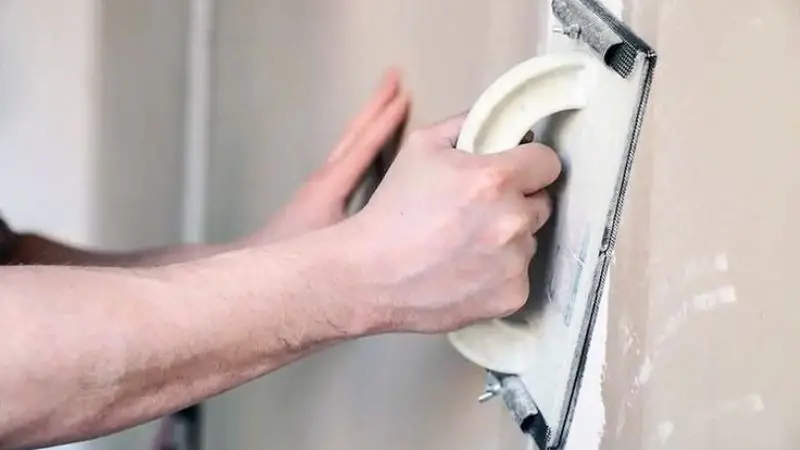
After you remove the prominent ridges, you will see more minor bumps and seams. Now, you want to smooth the joint compound so the wall feels even. Use 120- to 150-grit sandpaper for this step. This medium grit blends the edges of the mud and feathered seams. You can use a sanding sponge or a sanding pole for larger areas. Move the sandpaper in light, even strokes. Check your work by running your hand over the wall. If you feel any rough spots, sand them again.
What Grit Sandpaper for Final Drywall Sanding Before Painting? (180–220 Grit)
Before you paint, you want the wall to look perfect. For the final sanding, use 180- to 220-grit sandpaper. This fine grit removes tiny scratches and leaves a smooth surface. You should wipe the wall with a damp cloth after sanding to remove dust. If you’re wondering which sandpaper grit for sanding drywall gives the best finish, this is the stage where fine grit makes all the difference.
Here is a quick reference table for each stage:
| Drywall Stage | Recommended Grit |
| Removing mud ridges | 80–100 |
| Smoothing joint compound | 120–150 |
| Final sanding before painting | 180–220 |
If you follow these steps, you will know precisely what grit sandpaper for sanding drywall works best at each stage. This helps you get smooth, professional-looking walls every time.
Drywall Sanding Grit Chart (Quick Reference)
Drywall Task vs Recommended Sandpaper Grit
It is helpful to see all the recommended grits in one place. This chart shows you which sandpaper grit works best for each drywall task:
| Drywall Task | Recommended Grit |
| Removing thick mud or ridges | 80–100 |
| Smoothing seams and patches | 120–150 |
| Final sanding before painting | 180–220 |
You can use this table as a quick reference when you work on your drywall project. If you ever wonder which sandpaper grit to use for sanding drywall, check this chart before you start.
When to Move from Coarse to Fine Grit Sandpaper
You should move from coarse to fine-grit sandpaper as your wall gets smoother. Start with a coarse grit only if you see big bumps or thick mud. Once you remove the rough spots, switch to a medium grit to blend seams and smooth the surface. When the wall feels even, finish with a fine grit for a perfect look.
Here is a simple guide to help you know when to change grits:
- If you feel rough patches, use coarse grit.
- If the wall feels smooth primarily but has small bumps, use medium grit.
- If the wall feels smooth to the touch, use fine grit for the final pass.
You can check your progress by running your hand over the wall. If you feel any roughness, sand that area again with the correct grit. This step-by-step approach delivers optimal results and keeps your walls looking great.
What Happens If You Use the Wrong Grit Sandpaper on Drywall?
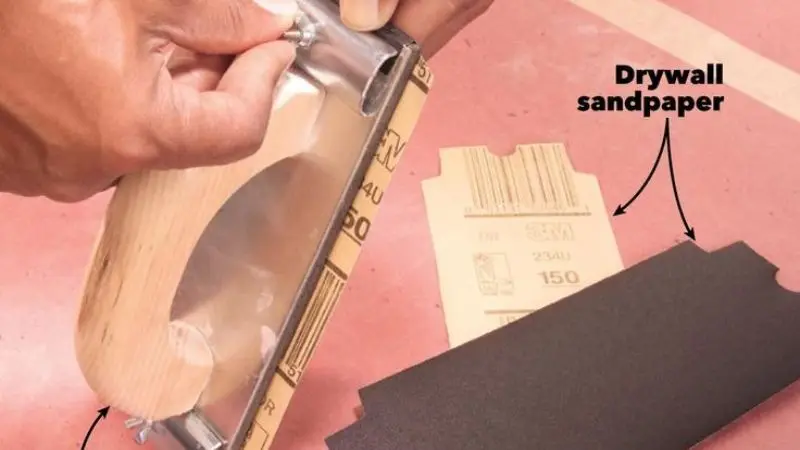
Choosing the correct sandpaper grit is vital for drywall work. If you pick the wrong grit, you can damage your walls or waste time. You want your walls to look smooth and ready for paint. Let’s look at what happens if you use sandpaper that is too coarse or too fine.
Problems Caused by Sandpaper That’s Too Coarse
If you use sandpaper with a low grit number, it feels rough. This grit removes material quickly, but it can also cause problems.
- You can scratch the drywall paper. Deep scratches are hard to hide, even with paint.
- You might remove too much joint compound. This leaves dips and uneven spots on the wall.
- You can tear the drywall tape. This creates weak spots that may crack later.
Issues with Sandpaper That’s Too Fine
Fine sandpaper has a high grit number. It feels smooth to the touch. It might be safer, but it can also cause problems.
- You may not remove enough material. Bumps and seams can stay on the wall.
- You will spend more time sanding. The job takes longer and feels harder.
- You can clog the sandpaper with dust. This makes the sandpaper stop working.
Sandpaper Types for Drywall Sanding
Sandpaper Sheets vs Sanding Sponges
You can choose between sandpaper sheets and sanding sponges for drywall work. Each type has its own strengths.
- Sandpaper Sheets:
You get flat sheets that you can wrap around a sanding block or use by hand. Sheets work well for large, flat walls. You can cut them to fit small spaces. Sheets come in many grits, so you can pick the right one for each stage. - Sanding Sponges:
How to sand drywall without dust? You hold these sponges in your hand. They bend and flex so that you can sand corners and curves easily. Sponges produce less dust and last longer because they can be rinsed.
Dry Sanding vs Wet Sanding Drywall
You can sand drywall in two ways: dry or wet.
- Dry Sanding:
For dry sanding, you dont need to think special. You can use any regular sandpaper or sanding sponge. But the main point is that dry sanding causes a lot of dust. It is necessary to wear a proper mask and goggles for personal safety. - Wet Sanding:
You can use wet sanding to lightly smooth walls. It is mainly used for sanding thin layers. In this method, we use a damp sponge. It cannot be used for large projects. So, most people prefer dry sanding over wet sanding.
Hand Sanding vs Pole Sanders for Drywall
You need to decide how you want to sand your walls.
- Hand Sanding:
You hold the sandpaper or sponge in your hand. Hand sanding gives you control. You can feel the wall and focus on small spots. - Pole Sanders:
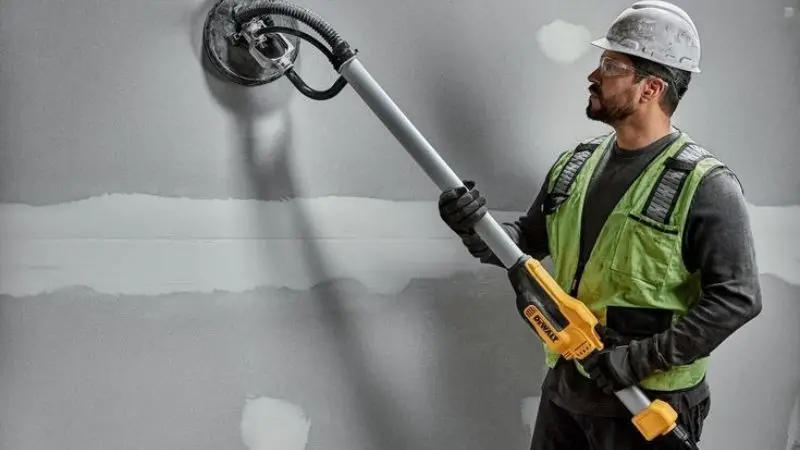
You attach sandpaper to a long pole. Pole sanders help you reach high walls and ceilings. You can sand large areas without a ladder.
Conclusion
You now know the best sandpaper grit for every drywall sanding stage:
- Use 80–100 grit for rough mud ridges.
- Choose 120–150 grit for smoothing seams.
- Finish sanding the drywall before painting with 180–220-grit paper.
Selecting the correct grit helps you avoid scratches and get a smooth wall. Follow these steps for a professional look. After sanding, wipe away dust. You can start priming or painting your walls for a perfect finish.
FAQ
What grit sandpaper should you avoid for drywall?
You should avoid sandpaper with grits below 80. This grit is too rough and can scratch or tear the drywall paper. Always check the grit number before you start sanding.
Can you use the same sandpaper for all drywall stages?
You should not use the same sandpaper for every stage. Start with coarse grit for ridges, switch to medium for smoothing, and finish with fine grit before painting. This method gives you the best results.
Is wet sanding better than dry sanding for drywall?
Wet sanding produces less dust and is well-suited for minor touch-ups. Dry sanding removes material faster and gives a smoother finish. You can choose the method that fits your project.
How do you know when to switch to a finer grit?
- Run your hand over the wall.
- If it feels smooth primarily, switch to a finer grit.
- If you still feel bumps, keep using the current grit.
Do you need to clean the wall after sanding?
Yes, you should always wipe the wall with a damp cloth after sanding. This step removes dust and helps paint or primer stick better.