Cargo Carriers






Results for Cargo Carriers
Take a look at VEVOR’s complete line of cargo carriers, from hitch cargo carriers and roof racks for hauling additional goods to bike racks, cargo boxes, cargo bags, and motorcycle carriers for anything that won’t fit inside the vehicle. This category also offers kayak roof racks, van roof racks, ski and snowboard racks, and truck ladder racks, so you can transport weekend getaways and daily jobs with coverage. So, whether you’re adding a hitch cargo carrier for a road trip or installing a permanent roof rack, VEVOR has cargo carriers suited for the weight you’re actually hauling.
VEVOR Cargo Carriers for Hitch, Roof, and Trailer Mounting
Having a family trip and running out of trunk space? Need to tow a bike, kayak, or motorcycle without renting a trailer? All VEVOR’s cargo carriers in one spot, with hitch-mounted, roof-mounted, and trailer-hauled choices. Buy the whole hauler, cargo box, bike rack, and all, all at once, instead of cobbling together ill-fitting gear from various manufacturers. Know what a carrier can do before you load it up with the weight capacity listed in every listing.
Cargo Carriers by Mounting Type
VEVOR sorts its cargo carriers by where they install on the vehicle, so you can select the carrier that fits your rig instead of guessing about fitment.
Hitch-Mounted Cargo Carriers
This category overlaps more than most, as many purchasers use different wording for the same product. Hitch cargo carrier, cargo hitch carrier, cargo carrier hitch, and hitch carrier are all synonyms for the same basic product: a platform or basket that slides into a regular receiver hitch and transports extra gear behind the vehicle instead of on top of it. Receiver hitch cargo carrier, trailer hitch cargo carrier, trailer hitch carrier, and cargo carriers for trailer hitches also point to the same category, just worded around the hitch rather than the carrier. A few other words refer to specific aspects within this same group, rather than to various goods. The Hitch cargo rack and the tow hitch rack are both basket-style, open-frame designs, whereas the hitch-mounted cargo carrier and hitch hauler are general terms for the overall class.
Models with a foldable cargo hitch carrier fold up against the bumper rather than jutting straight out, which is important for anyone parking in a garage or small spot and for carriers that can be folded up when not in use. The Hitch cargo carrier with wheels adds small transport wheels so you can move a loaded or empty carrier without lifting the full weight, which helps since some get heavy when loaded with coolers or bags. No matter what got you here, the real choice boils down to the hitch receiver size and the weight the carrier must handle.
Roof-Mounted Carriers and Racks
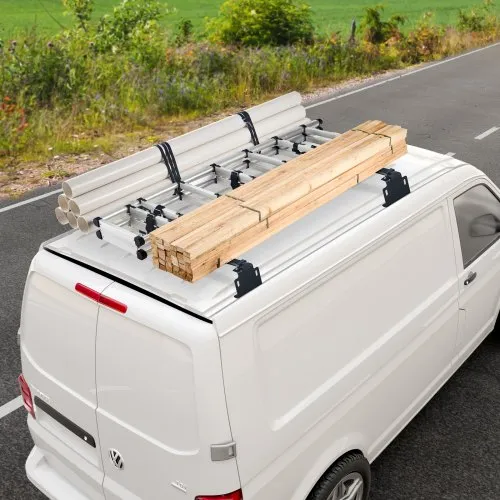
Roof mounting solves a different problem for gear that doesn’t work well hanging off the back of a car. Roof racks are the base crossbars that most other roof-mounted gear attaches to, and selecting the appropriate roof rack for your particular car matters more than any equipment that mounts to it thereafter, since a mismatched rack won’t securely hold anything on top. Van roof racks scale up for larger cargo vans, generally rated for higher loads and longer platforms than a conventional car or SUV rack, which is perfect for contractors or delivery applications where ladders, pipe, or bulky equipment needs a place to ride.
Kayak roof racks have padded cradles or J-style mounts contoured to support the kayak’s hull without denting or scratching during transport. Ski and snowboard racks utilize a locking clamp system designed to fit boot bindings and board widths rather than a general cargo platform. Truck ladder racks occupy a similar specialty niche on trucks, reaching out from the cab to the tailboard to haul ladders, timber, or piping that’s too long to fit in the bed alone. They sit between regular roof racks and those specialty mounts and include items that are simpler to carry on top than behind the vehicle.
Bike, Motorcycle, and Scooter Carriers
Two-wheeled and mobility transport needs its unique mounting method. Bike racks are available in hitch-, roof-, and trunk-mounted options for carrying one or more bikes without packing them into a cargo space. Hitch-mounted versions can usually carry more bikes and heavier frames than a trunk cargo rack can manage. Hitch motorcycle carriers are one notch up in size and weight from hitch cargo carriers, using a ramp and wheel chock system to tow a whole motorbike behind a truck or SUV rather than trailering it separately.
For mobility equipment, scooter lifts, mobility scooter carriers, and wheelchair carriers, a hitch-mounted platform with a powered or manual lift mechanism is the way to go, allowing for the loading of a scooter or wheelchair without the need for the user to lift it themselves, which can be important for anyone who uses that equipment daily rather than on an occasional basis. Motorcycle top cases round out the group differently: they mount directly to the motorcycle, not a tow truck, giving riders secure storage space if they want baggage room but don’t want a separate carrier. For transportation needs that don't fit a normal cargo box or bag, this area includes bike racks, motorbike carriers, and mobility equipment carriers.
Cargo Boxes, Bags, and Containment
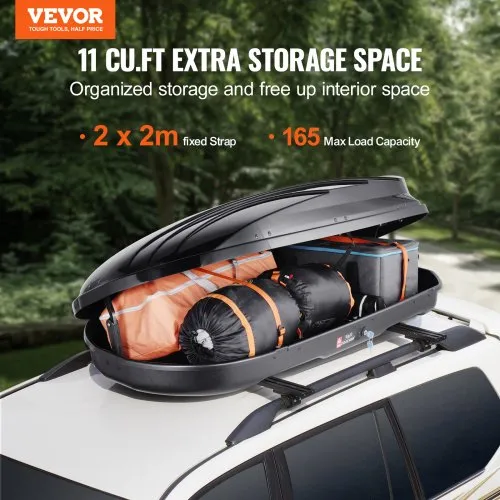
Loose gear needs to be contained, not just stored. Cargo boxes are rugged, waterproof containers that mount on a roof rack or hitch platform and keep goods dry and clean on lengthy voyages. Cargo bags are a softer, foldable option you can stow away when not in use, and they are a good choice for infrequent journeys when a permanent hard box doesn’t make sense to keep sitting around between uses.
Smaller-scale mounting options for hatchbacks and sedans without a full hitch or roof rack arrangement usually clamp onto the trunk lid or rear hatch. Cargo nets are a great way to hold loose items on an open hitch platform or truck bed, protecting smaller objects from bouncing loose during transit without using a whole box or bag. Water tanks also fall into this category and are mounted to a hitch platform or bed rack for camping, job sites, or off-grid travel where a portable water supply matters more than general cargo space. Once the mounting gear is handled, this crew addresses what really goes inside or on top of a carrier: boxes, bags, nets, and tanks.
Choosing Cargo Carriers by Capacity and Features
Mounting type is not the full story. Whether a cargo carrier actually lives up to real use is determined by weight capacity and a few practical aspects.
Matching Weight Capacity to Your Load
Cargo carriers are rated by maximum weight, and that rating is a function of the carrier itself and the vehicle's hitch or roof rack rating, whichever is lower. Even a 500-pound-rated hitch cargo carrier is limited by the vehicle’s actual tow rating and the class of the hitch, so verifying these figures together prevents overloading a receiver that can’t carry the carrier’s full rated capacity. The same is true of roof-mounted gear, as a roof rack’s static weight rating is usually different than the dynamic rating while driving, and exceeding the dynamic figure impairs handling even if the rack is theoretically rated to handle the weight when parked.
For hitch motorcycle carriers, scooter lifts, and mobility scooter carriers, check the actual weight of the equipment, not an estimate, since these carriers tend to be closer to their maximum rating than a typical cargo platform loaded with lighter gear. All of VEVOR’s cargo carrier product pages mention weight capacity, whether it’s static roof load, dynamic hitch rating, or motorcycle carrier capacity, so you can match the carrier to what you’re hauling instead of basing it on price alone.
Mounting Security and Storage Accessories
Cargo carriers are only as good as their mounting hardware. Be sure to verify the hitch cargo carrier has a locking hitch pin - not just a clip. This is important for security and to prevent the carrier from bouncing loose on bumpy roads. And if you’re going to carry gear on the roof, look for a rack system that uses a specific locking mechanism at each crossbar connection point, rather than depending solely on friction to keep the load in place at highway speed.
And when gear is off the car, storage between journeys counts too. Motorcycle stands, repair stands, and maintenance stands all do much the same thing: they hold a motorcycle or bike upright and steady for storage or simple maintenance between hauling trips. The terms are largely interchangeable, depending on whether the stand is used to store the bike or to work on it. Along with a hitch motorcycle carrier, a stand gives your bike a place to sit when it’s unloaded instead of balancing on a kickstand in a garage. These attachments don’t get the same attention as the carrier itself, but they complete an effective setup from garage to road and back.
Why Choose VEVOR Cargo Carriers?
VEVOR cargo carriers include hitch, roof, and trailer mounts, as well as bike, motorcycle, and mobility equipment carriers, all with transparent weight capacity ratings so you don’t have to guess before you load up. Prices are fair without sacrificing the steel and hardware that keeps a heavy carrier at highway speed. Whether you need a foldable hitch cargo carrier for weekend trips, a kayak roof rack for summer, or a scooter lift for daily mobility needs, VEVOR has it. View the whole lineup and choose the cargo carrier that’s ideal for your next load.
FAQs
How much weight can a hitch cargo carrier hold?
Capacity is determined by the lower of your vehicle’s hitch class and the carrier’s rating. Check both numbers before adding bigger items, as most hitch cargo carriers range from 300 to 500 pounds.
What's the difference between a cargo box and a cargo bag?
Cargo crates are waterproof and hard-sided, making them excellent for regular use and for precious gear. Cargo bags are good for the occasional vacation; they are foldable and softer, and they pack away when not in use.
Can I use a roof rack and hitch cargo carrier at the same time?
Yes, many drivers use both for longer trips, as long as each is within its own weight rating. Make sure you don't exceed the combined roof load or the vehicle’s hitch tow rating.
Will any scooter lift work with a mobility scooter?
Most scooter lifts and mobility scooter carriers have weight and size ratings, so check your scooter's weight against what the carrier can carry. Also check hitch class compatibility before purchasing.
What kind of hitch pin do I need for a cargo carrier?
Yes, a locking hitch pin keeps the carrier secure on rough roads and deters theft when the vehicle is parked. Normal clip pins might loosen over time, especially on longer trips.