Space Heaters



























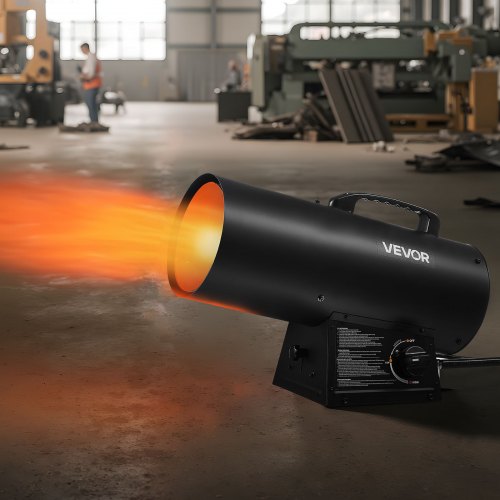
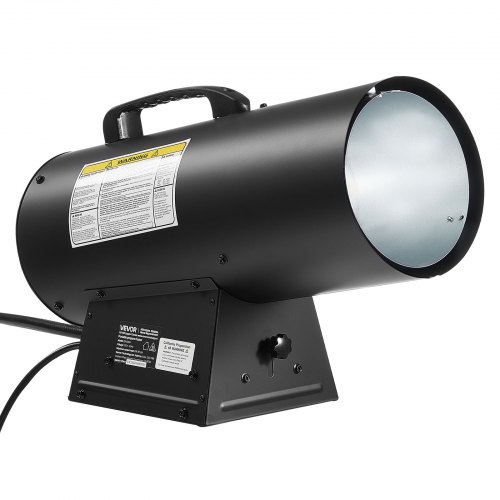
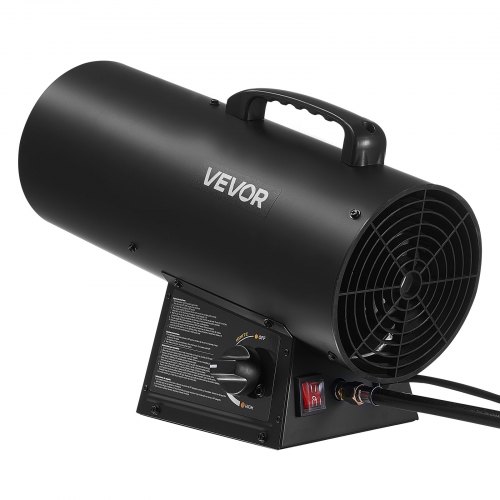

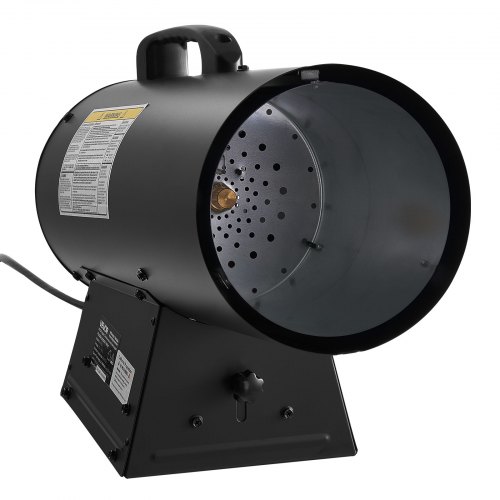









Results for Space Heaters
A space heater warms a single room or work area rather than a whole building, using electricity or a liquid fuel to raise air temperature at the point of use. A unit pairs a heating element or burner with a fan or radiant surface, plus a thermostat or heat selector and a shutoff safety device. It runs on a plug, a hardwired circuit, a vehicle battery or a fuel tank. It differs from central heating, which distributes heat through ducts or pipes from one appliance serving every room.
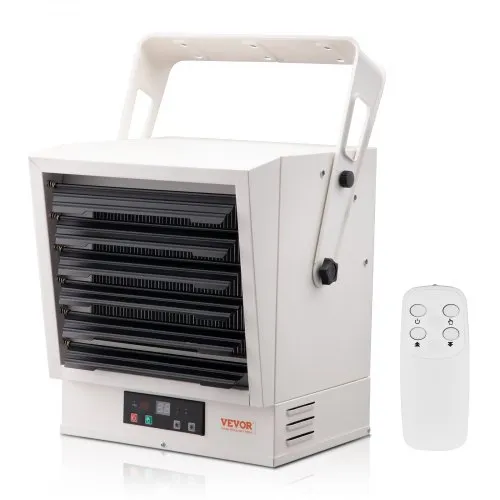
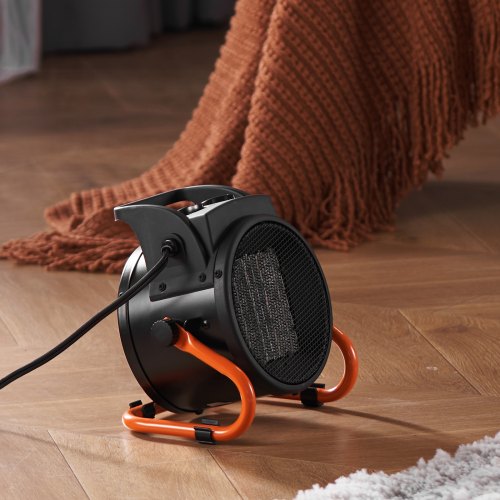
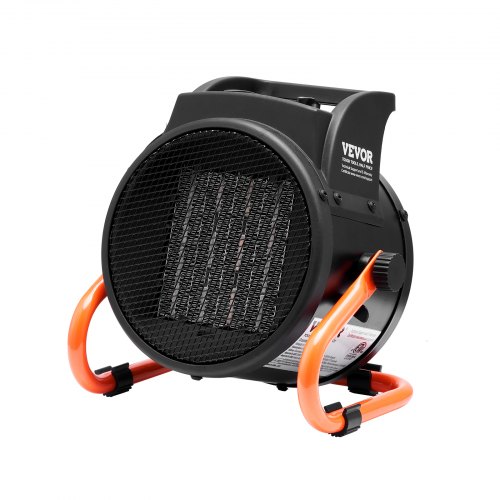
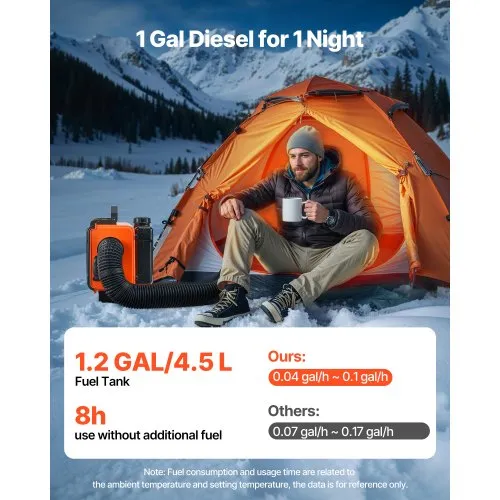
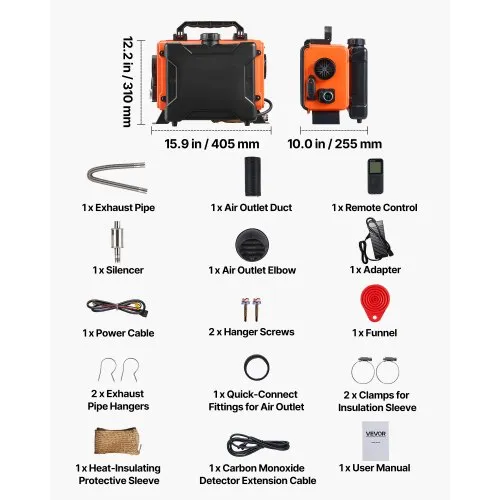
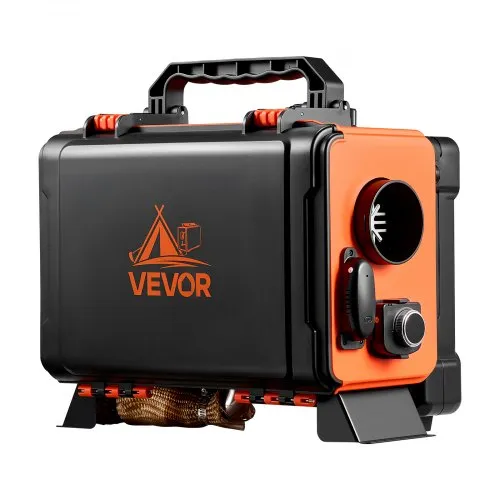
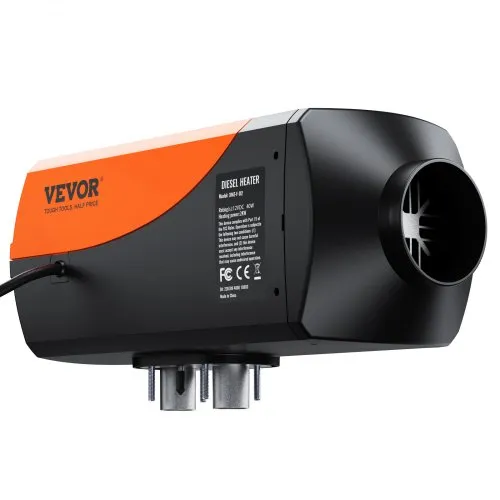
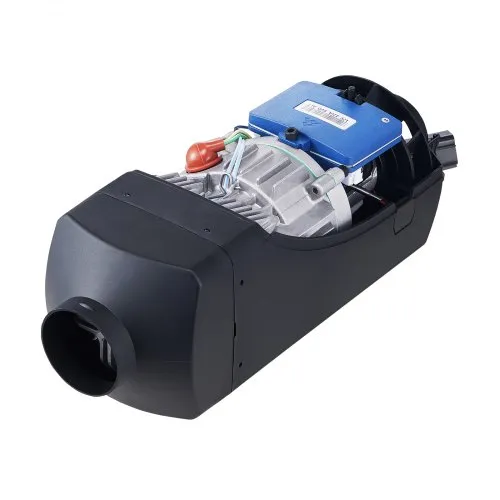
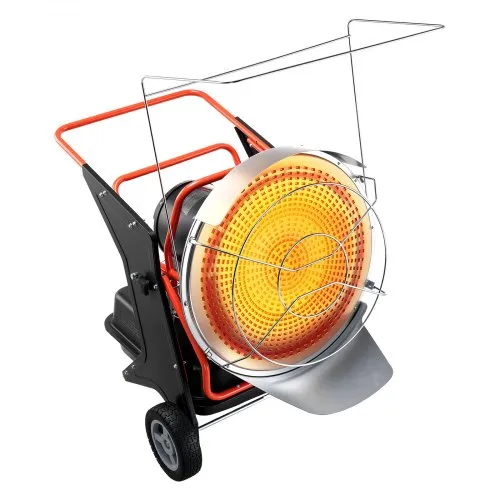
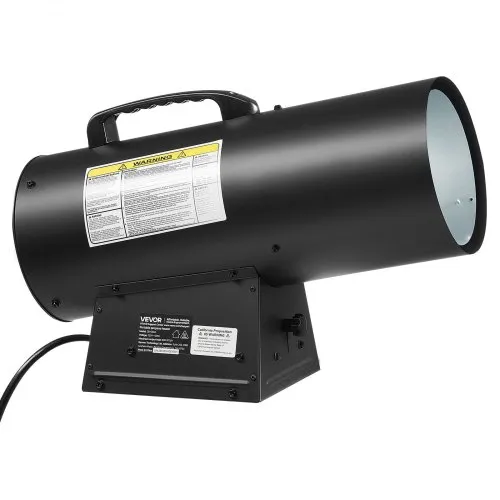
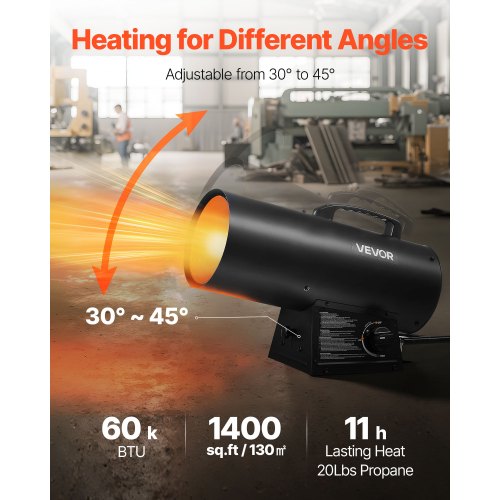
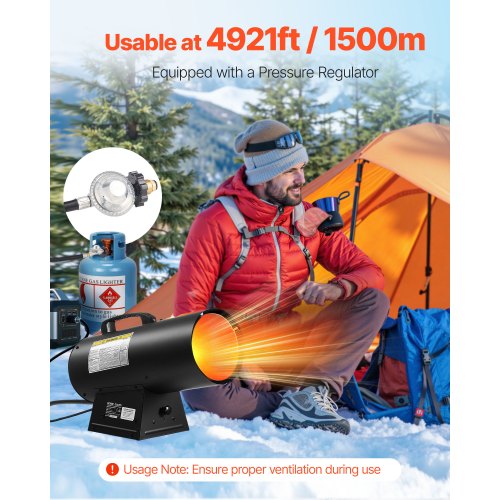
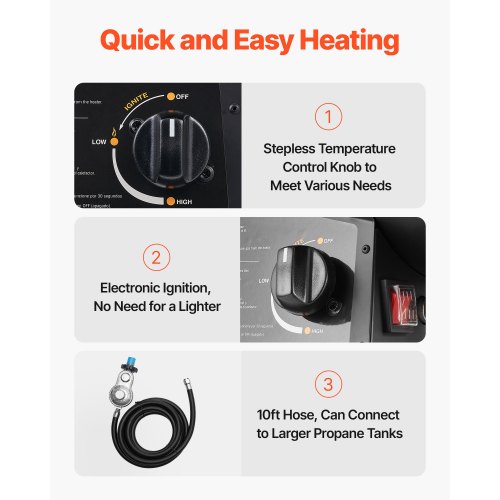
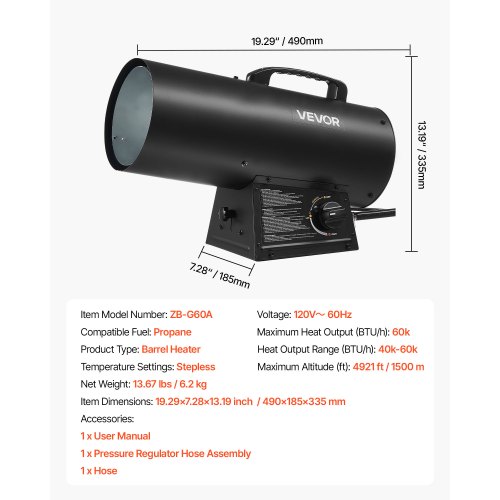
VEVOR groups the range by fuel and mounting. Electric heaters cover 1000 to 1500 W ceramic, PTC and under-desk units with thermostats and tip-over shutoff. Greenhouse heaters are 1500 W units with adjustable 15 to 40 degree angles and IPX4 rating. Overhead electric garage heaters run 5000 to 15,000 W on 240 V, hardwired for wall or ceiling mounting with 9 or 10 hour timers. Infrared heaters cover 1500 to 3000 W patio and indoor models. Diesel air heaters deliver 2 to 8 kW on 12 or 24 V DC, and gas heaters include kerosene torpedo units from 9,000 to 215,000 BTU and propane tank-top burners.
Four things decide what you need:
- Area: allow roughly 20 BTU per square foot for insulated space and 30 or more for open or poorly insulated areas.
- Fuel: electric for sealed indoor rooms, diesel or kerosene for garages, sites and vehicles.
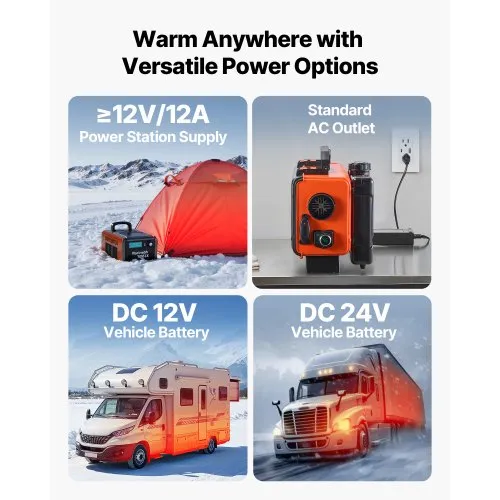
- Power supply: plug-in, 240 V hardwired, or 12 and 24 V DC from a vehicle battery.
- Mounting: portable on wheels, wall or ceiling mounted, or under-bunk in a vehicle.
Browse the full space heater range to match output to your area, or start from the wider heaters category.
Space Heater Types at a Glance
| Heater Type | Output Range | Power Source | Best For |
|---|---|---|---|
| Electric portable | 1000 to 1500 W | 120 V plug-in | Bedrooms, offices, desks and small enclosed rooms |
| Greenhouse heater | 1500 W | 120 V plug-in | Grow tents, greenhouses and flower rooms needing IPX4 rating |
| Overhead electric garage | 5000 to 15,000 W | 240 V hardwired | Workshops and warehouses with a dedicated circuit |
| Infrared | 1500 to 3000 W | 120 V plug-in or wall mount | Patios, porches and balconies where air heating is ineffective |
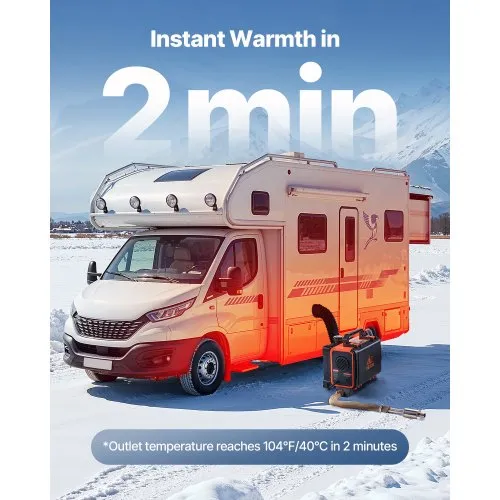
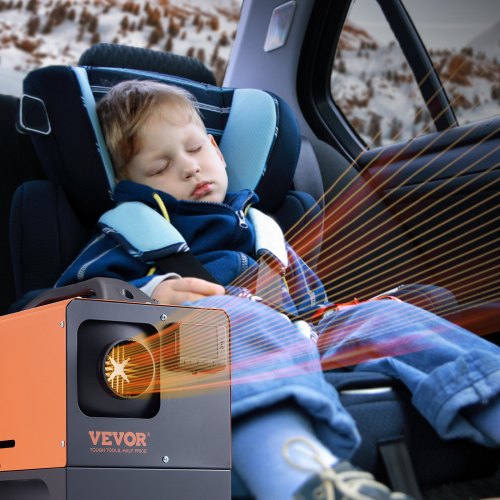
| Diesel air heater | 2 to 8 kW | Diesel, 12 or 24 V DC | RVs, vans, trucks and boats away from mains power |
| Kerosene and propane | 9,000 to 215,000 BTU | Kerosene or propane | Construction sites, large garages and open outdoor work |
VEVOR Space Heaters for Powerful, Efficient Warmth Wherever You Need It
Are you searching for a high-output kerosene torpedo heater for a large workstation, a diesel heater for your RV, or a portable garage heater? From drafty garages to off-grid campsites, VEVOR's space heaters are designed to reliably handle cold conditions. VEVOR helps you stay warm without sacrificing performance thanks to its extensive range, covering BTU output, fuel types, and portability requirements.
Choosing Space Heaters by Heat Output and Coverage Area
Space heaters differ in design and performance. The area you need to heat and the speed at which you want results will determine the best option. You can purchase a heater that genuinely uses energy efficiently by considering BTU ratings, fuel efficiency, and coverage capacity.
BTU Ratings: What They Mean for Your Heating Needs
When looking for space heaters, start by considering the BTU (British Thermal Unit), a common unit of measurement for a heater's heat output. A device that produces 5,000–10,000 BTUs is usually adequate for small rooms or private workstations under 200 square feet. However, you'll need a garage space heater with 30,000–70,000 BTUs or more for large garages, warehouses, or open workshops.
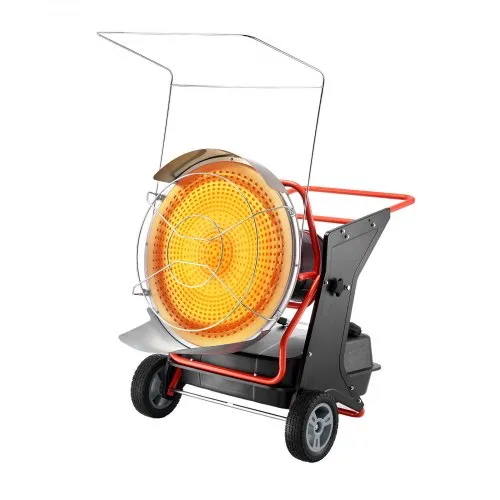
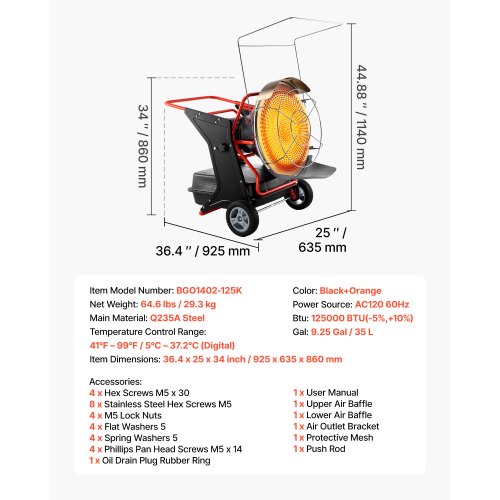
Customers have precise control over their heating investment thanks to VEVOR's range of heaters, spanning the entire BTU spectrum. For example, a VEVOR kerosene torpedo heater can deliver between 70,000 and 100,000 BTUs, making it perfect for large, open plan environments such as industrial buildings, construction sites, or winter event venues.
Taller rooms often need more heat output than floor area only calculations indicate, so always match the BTU rating to your square footage and ceiling height. A properly sized heater heats the area more quickly, cycles off sooner, and uses less fuel over time than an underpowered one that runs continuously and inefficiently. Before making a purchase, VEVOR makes it simple to find each model's specs.
Coverage Area Guidelines for Garages and Workshops
A straightforward guideline applies when sizing a diesel space heater or portable garage heater: budget for roughly 20 BTUs per square foot for typical insulation and 30 BTUs per square foot or more for poorly insulated or partially open areas. Therefore, under typical circumstances, a 500 square-foot garage requires a unit with at least 10,000–15,000 BTUs.
The VEVOR garage space heaters are evaluated under typical garage conditions, which often include high ceilings, frequent door openings, and inadequate insulation, all of which significantly increase heating requirements. Instead of concentrating warmth in one spot, models with directional airflow and strong fans disperse heat more evenly over large, open spaces. In workshops, where people wander about and require constant temperatures, this is important.
Before making a purchase, measure your area precisely and consider the number of exterior walls, the insulation quality, and the frequency of garage door openings. Each heater's suggested coverage area is included in VEVOR product listings, enabling you to make an assured, well-matched purchase. Take advantage of the specs rather than speculating.
Fuel Types and Their Impact on Heat Efficiency
Your space heater's efficiency, operating costs, and environmental impact are all directly impacted by the fuel type it utilizes. VEVOR offers heaters powered by electricity, diesel, or kerosene, each with its own advantages. Electric space heaters are emissions free at the point of use and practical for indoor use. For long term, high-output heating in garages, workshops, and movable applications like RVs, diesel space heaters are typically fuel-efficient.
For instance, a diesel heater for RV use is a popular option for off-grid travelers and van lifers, as it requires very little electricity to run while delivering strong, long-lasting heat. In outdoor industrial and construction environments with airflow, kerosene torpedo heaters are the preferred option since they burn at high BTU outputs. To help you choose the best fuel type for your location, ventilation arrangement, and heating duration requirements, VEVOR provides all three fuel types with clearly labeled specs. In confined spaces, matching the fuel type to the use case avoids inefficiencies, unnecessary expenses, and potential safety risks.
Matching Space Heater Models to Specific Use Cases
With specially designed alternatives for garages, workshops, RVs, and outdoor events, VEVOR's product line recognizes that different settings require varied heater designs. For mechanics who need heat directed to a specific work area throughout the day, a portable garage heater on wheels is ideal. For static workshop setups with limited floor space, a wall-mounted or ceiling-directed device works well.
A tiny diesel heater is a common choice for RV owners and overlanders since it operates safely, effectively, and silently during overnight stays in cold weather. Because of its quick heat-up time and raw power output, construction managers and event planners will like a kerosene torpedo heater. Commercial and semi-permanent settings can benefit from VEVOR's diesel space heaters, which provide high output at lower hourly operating costs than propane equivalents. Knowing your unique use case before purchasing ensures your heater functions flawlessly from the start and won't require replacements or upgrades down the road.
Choosing a Space Heater by Setting
Different settings place different demands on a heater. Use the table below to compare the main considerations based on where and how the unit will be used.
| Setting | Priority Heater Type | Key Consideration | Why It Fits |
|---|---|---|---|
| Bedroom or office | 1000 to 1500 W electric or infrared | Noise and safety | Plug-in units with tip-over shutoff and thermostats suit sealed, occupied rooms |
| Workshop or warehouse | 5000 to 15,000 W overhead electric | Electrical supply | 240 V hardwired mounting frees floor space and clears a high ceiling |
| RV, van or truck | 2 to 8 kW diesel air heater | Power source | Runs from a 12 or 24 V battery with no mains supply or generator |
| Construction site | 70,000 to 215,000 BTU kerosene torpedo | Ventilation | High output suits open, ventilated spans where electric units cannot keep up |
| Patio or balcony | 1500 to 3000 W infrared | Heating method | Radiant heat warms people directly instead of heating air that blows away |
| Greenhouse or grow tent | 1500 W with IPX4 rating | Moisture exposure | Water-resistant rating and adjustable angle suit humid, enclosed growing spaces |
Safety Features and Portability in VEVOR Space Heaters
Only when powerful heating is safe and easy to use is it truly worthwhile. Whether you're warming an RV in below-freezing weather or heating a garage overnight, VEVOR's space heaters are dependable tools in challenging environments thanks to their intelligent mobility features and multiple safety features.
Key Safety Features Built Into VEVOR Heaters
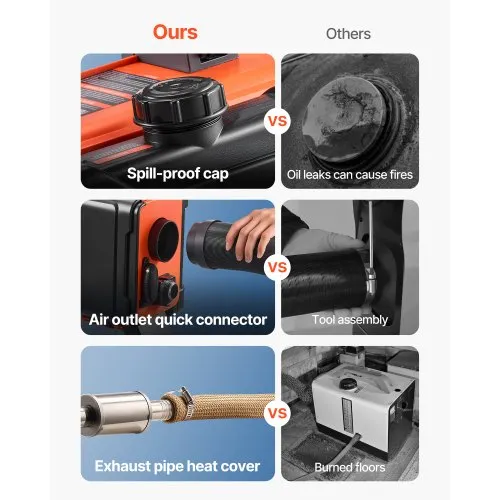
Modern space heaters come equipped with a number of crucial safety features, and VEVOR includes the most crucial ones as standard. When internal temperatures exceed acceptable operating limits, the overheat protection immediately turns off the device. This feature is especially important for heaters left running in unattended areas, such as garages or storage spaces. Tip-over protection reduces the risk of fire on construction sites and in moving vehicles by promptly cutting power if the unit falls or tilts unexpectedly.
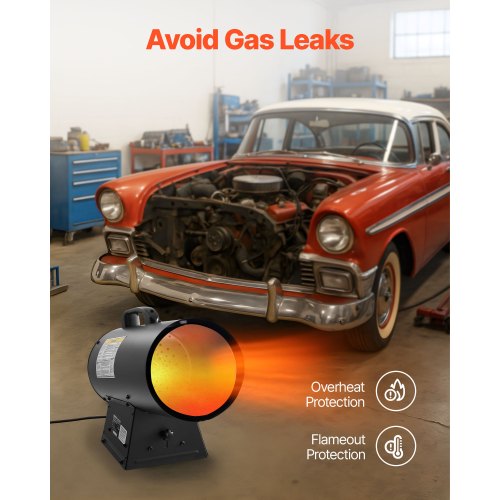
To help minimize hazardous fuel buildup, VEVOR's diesel space heaters and kerosene torpedo heaters feature flame-out detection that halts fuel flow if the burner goes out. Additionally, many models feature cool-touch housings, which reduce the risk of burns when working in confined areas near the heater.
Low-oxygen shutoff sensors are crucial for RV users, and VEVOR's diesel heater for RV models includes this feature for enclosed sleeping spaces. Before making a purchase, always check the safety specification sheet for each model and make sure fuel-burning heaters have adequate ventilation. The product and the user share responsibility for safety.
Portability Design: Handles, Wheels, and Compact Builds
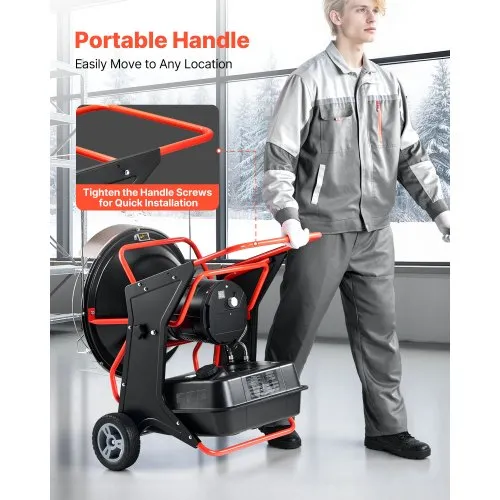
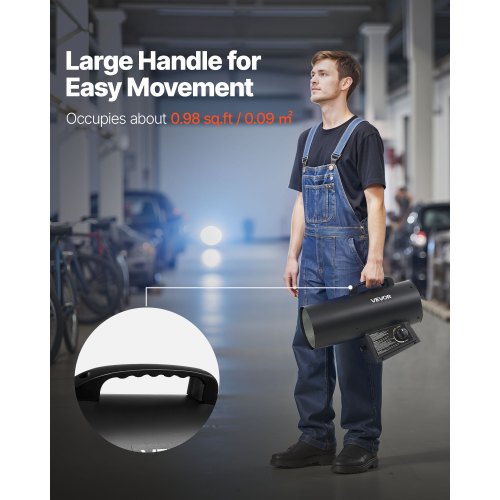
A space heater can become less useful if it is difficult to move. Practical portability is a key consideration in the design of VEVOR's portable garage heater models, which include sturdy wheels on larger units, reinforced carry handles, and compact dimensions that easily fit in truck beds, vans, and confined storage areas.
The VEVOR range's smaller electric and diesel space heaters weigh 10 to 15 pounds, making them practical for one person transport. Despite being heavier and larger, kerosene torpedo heaters have balanced weight distribution for a two-person hoist and sturdy carry handles. The mid-to-large garage space heater models from VEVOR have smooth, non-tipping wheels made for concrete and workshop floors. For RV owners, VEVOR's small diesel heater is designed for under-bunk mounting and tight spaces, taking up the least space while providing the most warmth. To guarantee a smooth, useful fit every time, compare the size and weight of the model you've selected with your available storage and transportation arrangement before making a purchase.
Best-Seller Comparison
Here is how the five most popular products on this page compare side by side.
| Product | Type | Heat Output | Power Source | Temperature Control | Tilt Angle | Key Protection |
|---|---|---|---|---|---|---|
| Greenhouse Heater with Fan | Electric PTC | 1500 W | 120 V plug-in | Low and high heat modes | 15 degrees | Overheat protection |
| Greenhouse Heater with Thermostat and Fan | Electric PTC | 1500 W | 120 V plug-in | Thermostat, fan and high modes | 25 degrees | IPX4 and overheat protection |
| Greenhouse Heater, Tube Element | Electric tube element | 1500 W | 120 V plug-in | Thermostat | 25 degrees | IPX4 and overheat protection |
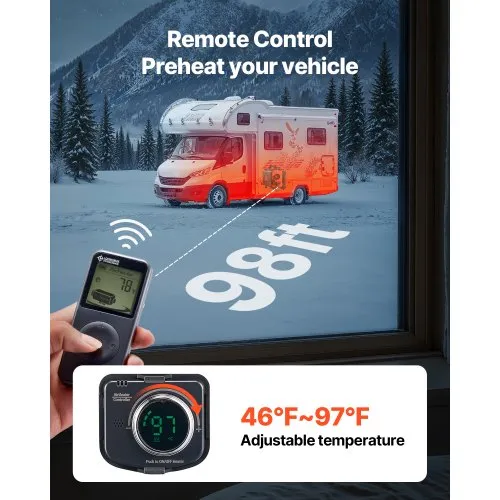
| 8KW Diesel Heater, Horizontal | Diesel air heater | 8 kW | Diesel, 12 or 24 V DC | Bluetooth app, remote and display | Not applicable | CO alarm |
| 8KW Diesel Heater, Altitude Adjusting | Diesel air heater | 8 kW | Diesel, 12 V DC | Bluetooth app, remote and LCD | Not applicable | Automatic altitude adjustment |
Why Choose VEVOR Space Heaters?
From tiny diesel heaters for RVs and portable garage heaters for daily workshop use to potent kerosene torpedo heaters for expansive project sites, VEVOR space heaters meet all your heating needs. VEVOR offers a wide selection of fuel types and BTU outputs, competitive pricing, and tested safety features. Discover your ideal heating solution at VEVOR by perusing the entire assortment right now.
Frequently Asked Questions
Can I use a diesel space heater indoors?
Garages and other semi-enclosed areas can use diesel space heaters as long as they have enough ventilation. Because of the potential for combustion byproducts, they should never be used in completely sealed or poorly ventilated spaces. For safe indoor use, always follow the manufacturer’s ventilation recommendations.
What size garage space heater do I need for a two-car garage?
A heater rated at 8,000–15,000 BTUs is usually needed for a two-car garage (around 400–500 square feet), or 20,000+ BTUs if the space is poorly insulated and the door opens frequently while in use.
Is a diesel heater for an RV safe to run overnight?
Indeed, the low-oxygen shutoff and flame-out detection capabilities of VEVOR diesel heaters for RVs make them suitable for overnight use. Before sleeping with the unit running, be sure the intake and exhaust vents are installed and operating properly.
How does a kerosene torpedo heater differ from a standard space heater?
By burning liquid kerosene, a kerosene torpedo heater can generate BTUs far higher than those of conventional electric heaters, typically 50,000-100,000. Large, open, well-ventilated areas, like building sites or outdoor events, are ideal for them.
Are VEVOR space heaters portable?
For ease of mobility, most VEVOR portable models have carry handles and, on larger models, wheels. For construction sites, RV excursions, and garage use, single-person transportation is simple thanks to compact diesel and electric variants that weigh less than 15 pounds.
How do I choose the right BTU capacity for an electric heater?
Work from floor area and insulation. Allow roughly 20 BTU per square foot in an insulated room and 30 or more in open or draughty space. Ceiling height matters too, since tall rooms need more output than floor area alone suggests.
What is the difference between BTU and watt when choosing a heater?
Both measure heat output, just on different scales. One watt equals about 3.41 BTU per hour, so a 1500 W unit produces roughly 5,100 BTU. Electric heaters are rated in watts, while fuel-burning heaters are rated in BTU.
What are the main types of electric heaters available for home use?
VEVOR stocks ceramic and PTC fan heaters at 1000 to 1500 W, infrared radiant units from 1500 to 3000 W, under-desk foot warmers, and hardwired overhead garage heaters. Compare them in the electric heater range.
Are electric heaters safe to use overnight?
Only with the right protections and placement. Look for overheat cutout, tip-over shutdown and a thermostat rather than a fixed-on element. Keep at least three feet of clearance from bedding, curtains and furniture, and plug into a wall socket rather than an extension lead.
What safety tips should I follow when using portable heaters indoors?
Place the unit on a flat, hard surface away from anything flammable, and never run it from an extension cord or power strip. Check that overheat and tip-over protection are present, and never use a fuel-burning heater in a sealed room.
Are smart room heaters safe to use with automatic shut-off features?
Automatic shutoff makes a heater safer but does not make it unattended-safe. Overheat cutout and tip-over shutdown handle the two most common failure modes, though clearance from furnishings and a sound power connection still matter just as much.
Are portable plug-in heaters energy-efficient and safe to use indoors?
Electric heaters convert nearly all input power to heat, so efficiency differences come from control rather than the element. A thermostat-controlled ceramic unit cycles off at temperature instead of running constantly.
How do portable heaters with high BTU ratings compare in heating capacity?
Output scales roughly with area covered. A 9,000 BTU kerosene unit suits a small workshop, 70,000 BTU handles a large garage, and the 215,000 BTU torpedo is built for open industrial spans.
How do I choose the best 15000 watt electric heater for my garage?
Confirm your electrical supply first, since a 15,000 W unit needs a 240 V hardwired circuit rather than a plug. Then check mounting height, timer length and whether remote control matters for a ceiling-mounted position.
How do electric garage heaters compare to gas or propane options?
Electric units produce no combustion byproducts, so they suit enclosed garages without added ventilation, but they need a 240 V circuit. Gas and kerosene units deliver far higher output per hour and run anywhere, provided the space is ventilated.
Are 200 watt heaters energy-efficient for personal use?
Low-wattage heaters are efficient for warming a person rather than a room, which is exactly what they are designed to do. An under-desk foot warmer uses a fraction of the power of a room heater for the same felt comfort.
Are propane heaters more efficient than electric ones for outdoor heating?
Outdoors, yes, because propane delivers high output without a mains connection and its heat is not carried away as quickly. A 42,000 BTU tank-top burner radiates 360 degrees for ice fishing, hunting and outdoor work.
Are stainless steel patio heaters more durable than other types?
Corrosion resistance is what matters outdoors, and stainless steel provides it. VEVOR patio models use aluminium alloy and cold-rolled steel instead, with IP34 to IP65 ratings on several units, which addresses the same moisture exposure problem.
How do I choose the right portable propane heater for camping?
Match output to the space and check the shutoff features. For enclosed tents and cabins, a cordless radiant kerosene heater at 10,000 BTU with tip-over shutoff runs without mains power.