Metal Chicken Coop


Results for Metal Chicken Coop
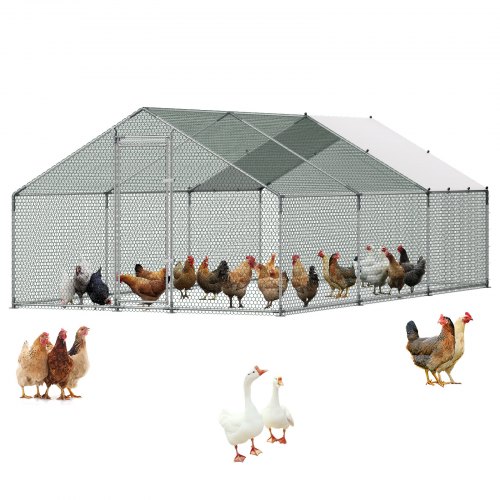
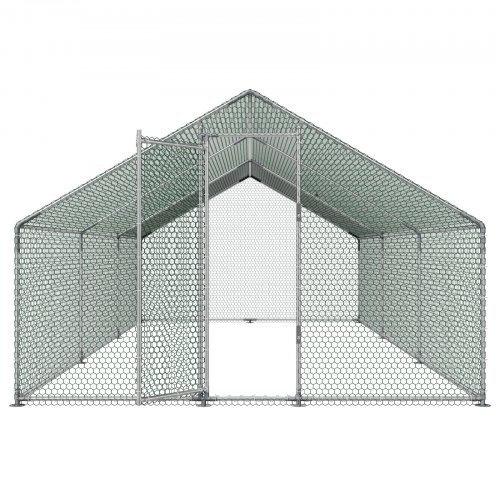
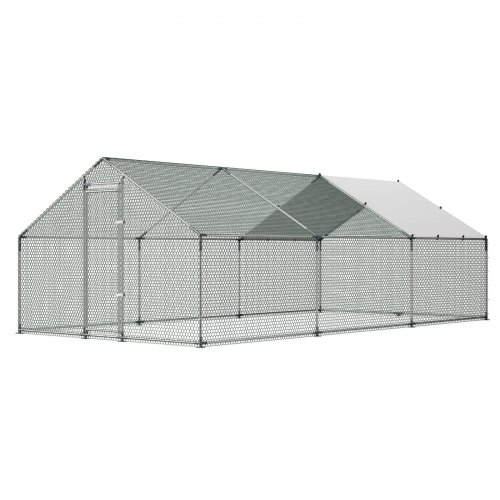
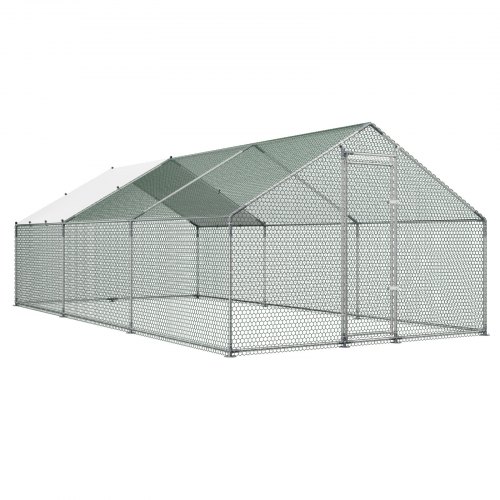
Find sturdy metal chicken coops suitable for small poultry operations, homesteaders, and backyard enthusiasts. Built on galvanized steel frames with hexagonal wire mesh, PVC-coated waterproof covers, and lockable doors, VEVOR offers small enclosures for three or four birds and large walk-in runs that accommodate dozens. Spires, domes, and flat roofs suit various yard layouts and climates. Whether you are sheltering ducks and rabbits, raising layers, or brooding chicks, the range offers weather-resistant construction for all flock sizes at prices that fit your budget.
VEVOR Walk-In Metal Chicken Coops for Backyard Flocks and Homesteads
Are you worried because of hawks, raccoons, or a run that ends in the snow? A steel structure that withstands weather and mesh that predators cannot chew through are two ways that metal chicken coops address these issues. VEVOR designs each enclosure with full standing headroom in walk-in variants, lightweight construction, and strong latches that keep clever midnight guests out.
Coop Size and Roof Configuration: Matching Metal Chicken Coops to Your Flock
Proper roof design and dimensions avoid winter collapse, drainage issues, and crowding. There are small metal chicken coop with waterproof cover configurations to suit practically every type of yard.
Sizing Your Run by Flock Count
Every other choice is based on the amount of space per bird. In an outdoor run, standard-size hens require around eight to ten square feet each, while bantams can get by with four to six. Crowding below those thresholds encourages feather picking, hostility, and a rapid buildup of waste, which can sour the ground within a matter of weeks.
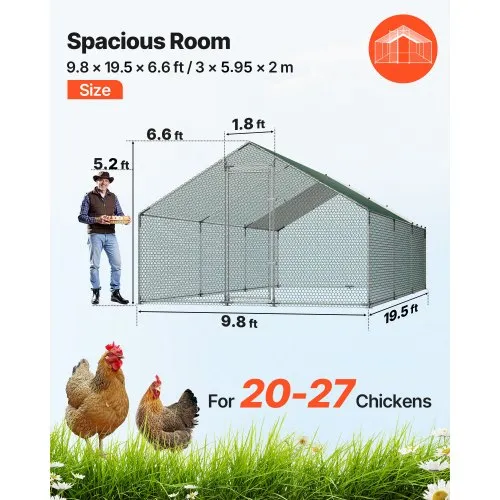
A beginner flock of four to six hens can fit nicely along a fence line or next to a garage in a compact metal-frame chicken coop about six by ten feet. This size is ideal for suburban lots with genuinely limited space and zoning restrictions.
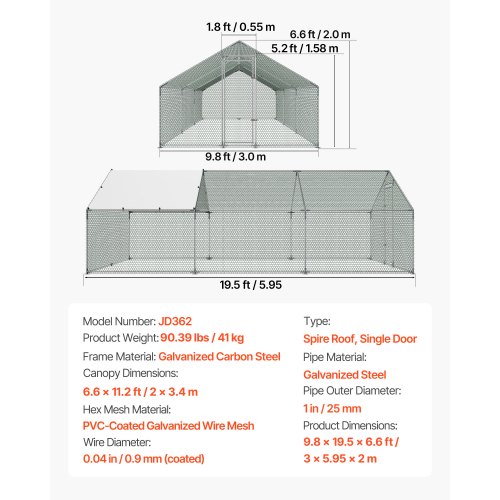
When you scale up, the math changes quickly. With space for dust bathing, food, and a shaded corner, a large metal chicken coop of ten by twenty feet may accommodate fifteen to twenty birds in comfort. Homesteaders who raise mixed poultry or meat birds often need even more space. Keep in mind that metal chicken coops are typically modular, so purchasing a larger size now is less expensive than building a second enclosure later, when the flock inevitably expands.
Walk-In Height and Daily Access
Headroom changes everyday tasks. With a peak height of six to seven feet, a heavy duty chicken coop allows you to enter upright to collect eggs, replenish waterers, and shovel bedding without having to crawl or crouch in mud. By day three, anyone who has crouched through a low hoop run knows why this is important.
Door design is equally important. Thin panel doors sag and bind after years of opening, while full-height gates with strengthened frames stay square. For cleanout days, look for a latch that is wide enough to wheel a barrow inside and that you can use with one hand while carrying a feed bucket.
Additionally, walk-in chicken runs make health checkups feasible. It is necessary to be inside the area rather than reach through a hatch in order to catch a limping hen, check for mites, or separate a broody bird. The added cost of standing-height metal chicken coops is offset by time savings and a functional back if you intend to raise chickens longer than a season.
Spire, Dome, and Flat Roof Options
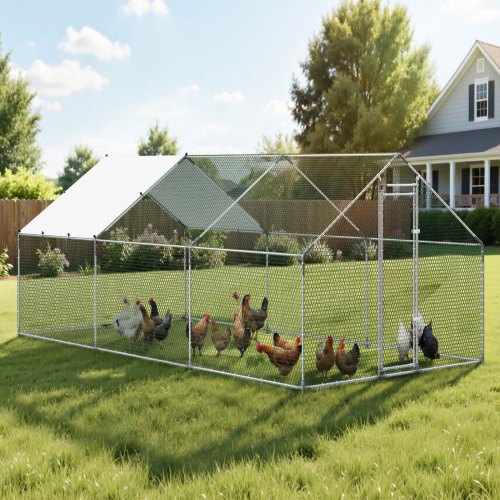
Roof geometry affects performance. A spire roof hen house enclosure is a practical option for northern regions where wet snow loads have destroyed many flat-topped runs, thanks to its sharp, peaked profile, which instantly sheds rain and snow. The peak also promotes ventilation by creating a warm-air pocket.
In open, exposed yards, a chicken coop with a dome roof gently curves at the top to distribute wind loads uniformly and prevent uplift that can flatten boxier structures. Additionally, domes increase internal volume relative to footprint, giving birds more space for perching and flight without increasing ground surface area.
Mild, dry climates and locations where the run is beneath an existing overhang or tree canopy suit flat, moderately inclined roofs best. They are less expensive and build more quickly. Regardless of the top shape, unbraced metal chicken coops bend under load; therefore, make sure the roof frame has cross bracing.
Waterproof Covers and Weather Protection
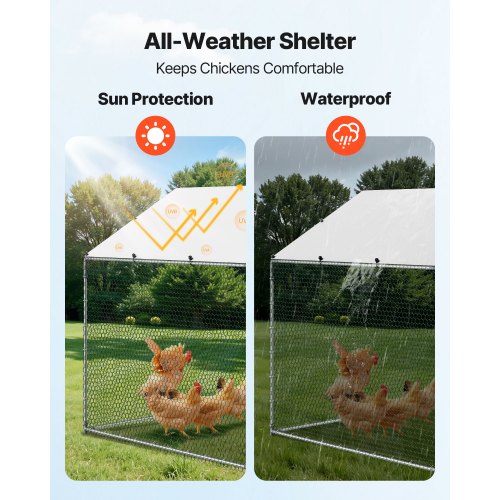
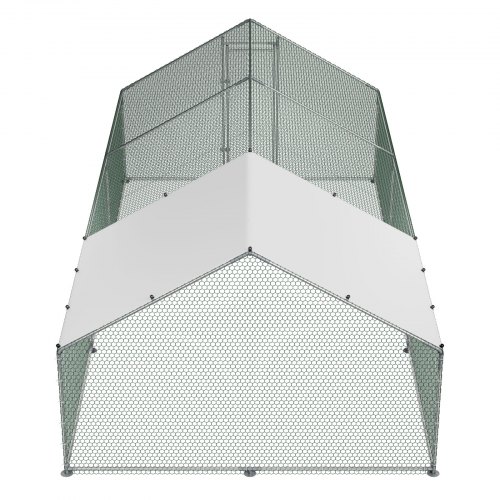
Dry ground is the most important factor for flock health, and a metal chicken coop with a waterproof cover helps keep it dry. Persistent muck causes coccidiosis, bumblefoot, and respiratory problems, but a covered run stays functional during wet periods when uncovered pens become swamps.
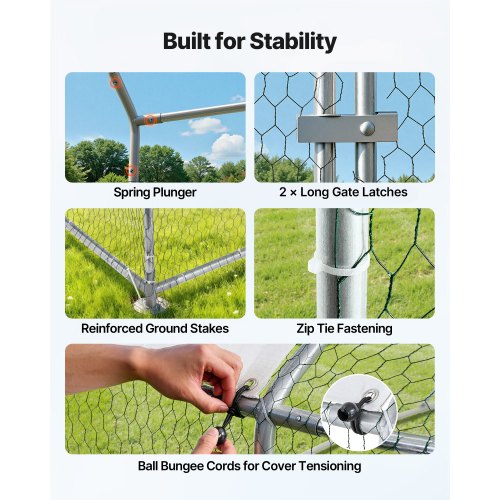
The longevity of cover materials varies. PE tarpaulin and PVC-coated Oxford cloth are significantly more resilient to UV deterioration and tearing than plain polyethylene sheeting, which becomes brittle after a single hot summer. Because flapping cloth wears through at contact points, look for stronger grommets, bungee cords, or zip ties to keep the cover secure.
In many cases, partial coverage is often preferable to full enclosure. To give birds direct sunlight for vitamin D and dust bathing while keeping a dry haven, many owners cover two-thirds of the run and leave the rest uncovered. Most metal chicken coops come with full-frame covers, which you can easily fold back when the weather changes.
Material Quality and Security Features of Metal Chicken Coops
Whether your coop lasts one season or ten depends on its frame steel and predator defenses. Construction elements are crucial in this situation.
Galvanized Steel and Corrosion Resistance
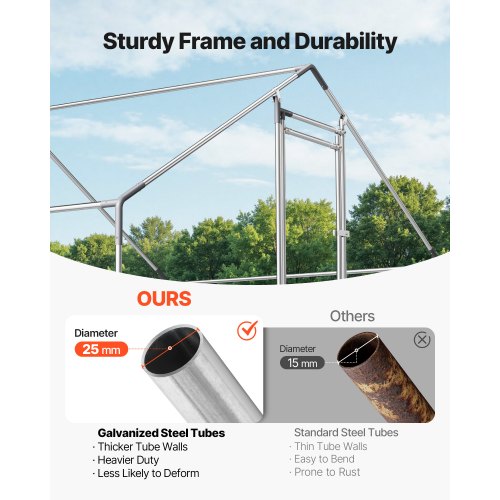
The zinc covering on a large metal chicken run sacrifices itself to shield the steel beneath, avoiding corrosion that would otherwise ruin painted or bare tubing after a few rainy seasons. Compared to electroplating, hot-dip galvanizing provides thicker protection, especially around welds and cut ends where corrosion usually starts.
Wall thickness and frame tubing diameter directly affect stiffness. When a large animal leans against a panel, or the wind snatches the cover, wider tubes with thicker walls are less likely to bend. In an otherwise sturdy galvanized chicken coop, use steel connectors rather than plastic, since plastic joints can break in freezing temperatures.
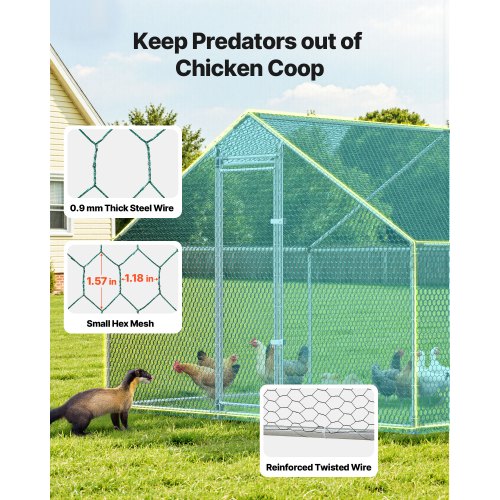
Mesh quality is equally crucial. A galvanized steel chicken run's hexagonal wire should be at least 20 gauge, with 19 gauge or more being desirable in regions where predators are active. Weasels and rats that can pass through regular two-inch poultry netting are prevented by smaller apertures around one inch. Rather than using high-quality tubing with thin wire, well-specified metal chicken coops combine a sturdy frame and suitable mesh.
Predator-Proof Locks and Perimeter Defense
Because raccoons can easily open basic hooks and slide bolts, a chicken run with a security lock addresses the most common failure point. Padlock-compatible hasps, spring-loaded carabiners, and two-step latches all undermine that dexterity. A raccoon will unlock any latch that an inquisitive youngster could.
Predators that dig demand a different response. Instead of climbing, foxes, dogs, and coyotes dig tunnels beneath fence lines, so either bury mesh six to twelve inches deep or lay a twelve-inch apron of wire flat on the ground that extends outward from the perimeter. Within a season, grass grows through the apron, securing it firmly.
Ground anchoring has two purposes. A determined animal cannot lift a panel edge thanks to stakes or ground screws that protect the frame from the wind. Every month, check door frames and corners for any openings caused by the ground settling. Heavy duty metal chicken run with proper anchors and latches keeps flocks safe even after years of nightly attempts.
Why Choose VEVOR Metal Chicken Coops?
With spire, dome, and flat roof options to suit your environment, VEVOR metal chicken pens offer options for flock sizes ranging from small six-foot pens to large walk-in runs. Each cage includes waterproof covers, predator-proof locking doors, close-weave hexagonal mesh, and galvanized steel construction. You get backyard-friendly pricing and homestead-level durability, plus prompt after-sales support. Order your coop right now after comparing sizes and selecting the roof design that best suits your climate.
FAQs
How much space does each chicken need?
Give each standard hen in the run eight to ten square feet, or four to six for bantams. Feather picking, hostility, and the quick accumulation of dung that sours the ground are all avoided with enough room.
Do these coops include a henhouse?
The majority are not full nesting boxes, but rather runs and enclosures. For roosting and egg laying, place a coop or nesting box inside; alternatively, look for integrated shelter in individual listings.
Will the frame handle snow?
Spire and dome roof models shed snow efficiently. After significant storms, remove any accumulation from the cover in areas with heavy snowfall, and make sure the frame has cross-bracing before winter.
How long does assembly take?
Using simple hand tools, two people can usually finish a mid-size run in two to four hours. Bigger walk-in models require more time. For square, stable panels, assemble on a flat surface.
Can I keep other animals in them?
Indeed. Ducks, bunnies, quail, and geese all do well in these cages. Young quail can fit through regular one-inch wire, so make sure the mesh opening size fits smaller species.