Ask about this product by AI

Deals
VEVOR Engine Camshaft, 05184377AF 05184377AH 5184377AD 5184377AE 5184377AF 5184377AG Cam Replacement, Work with 2011-2015 Jeep Grand Cherokee, 2011-2019 Dodge Journey, 3.6L V6

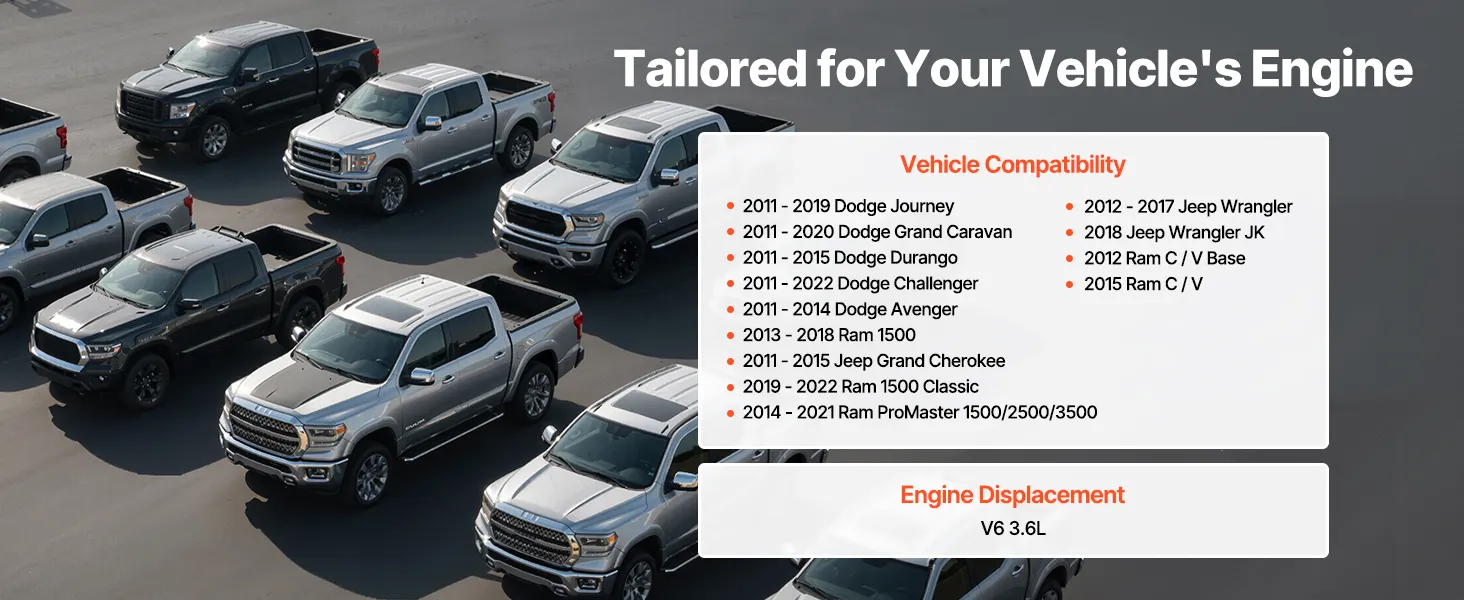
- High Compatibility: Our camshaft is compatible with models: 2011-2015 Jeep Grand Cherokee, 2011-2019 Dodge Journey, 2013-2018 Ram 1500, and more. Suitable for V6 3.6L engines. For more compatibility details, see the image.
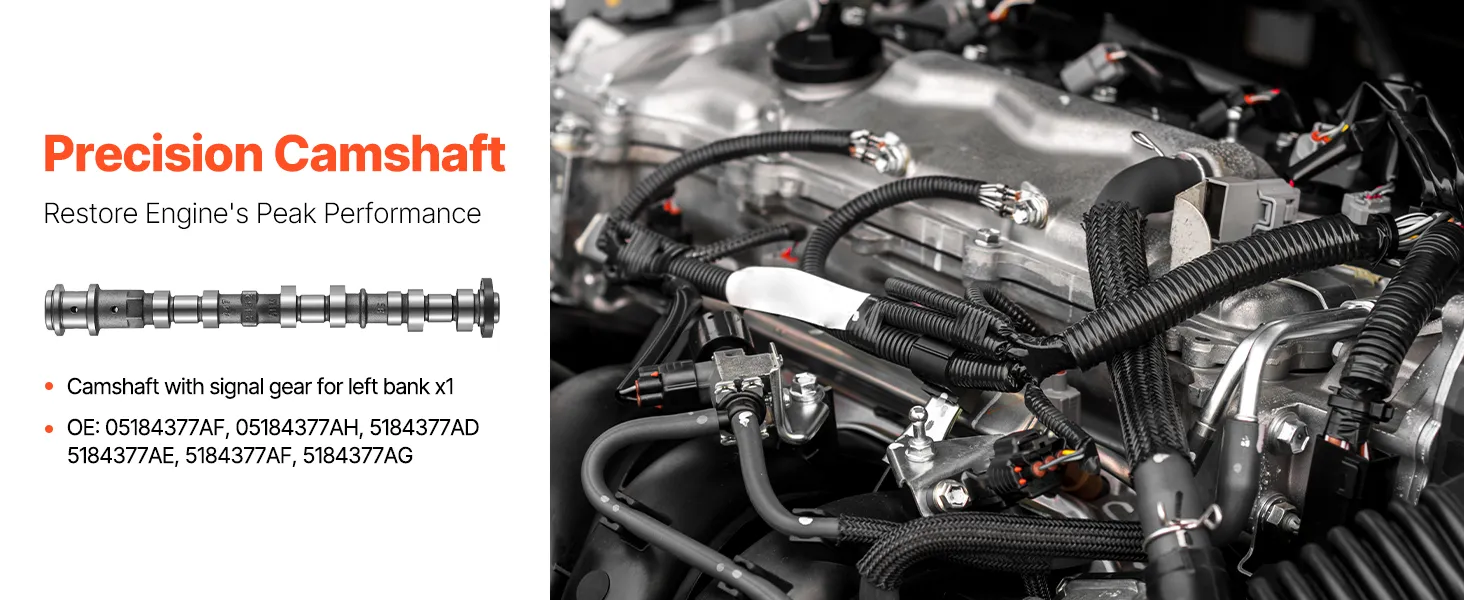
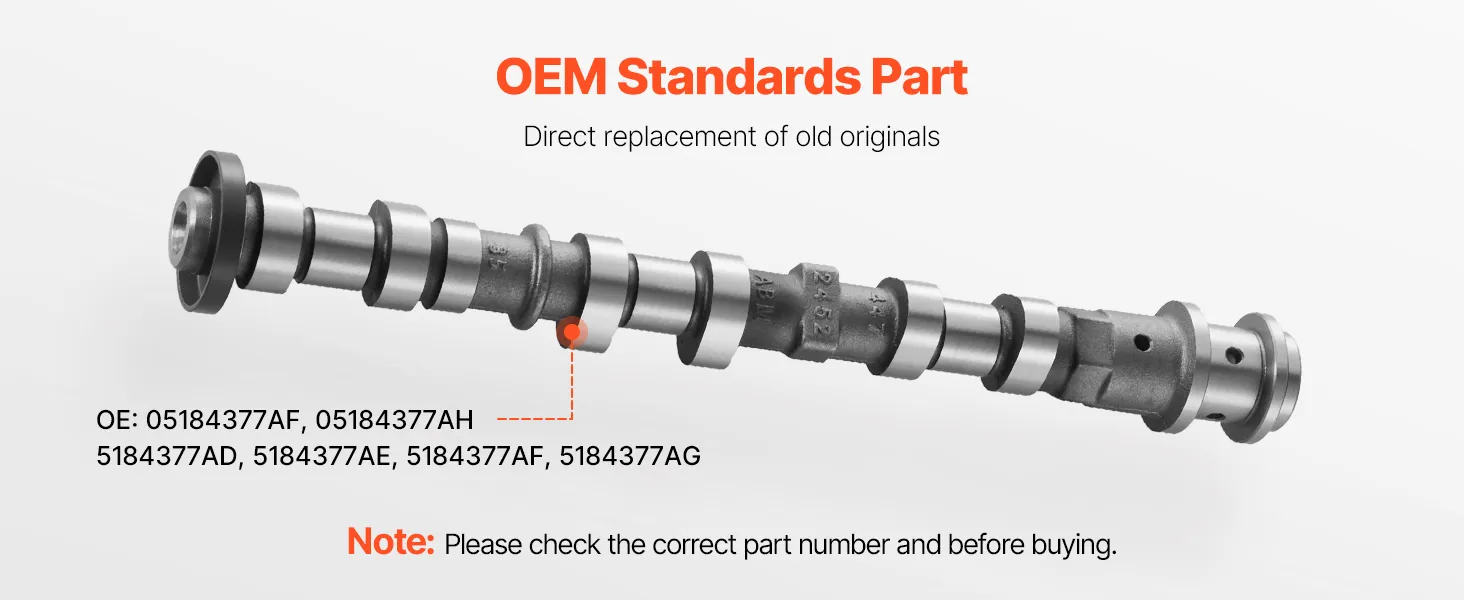
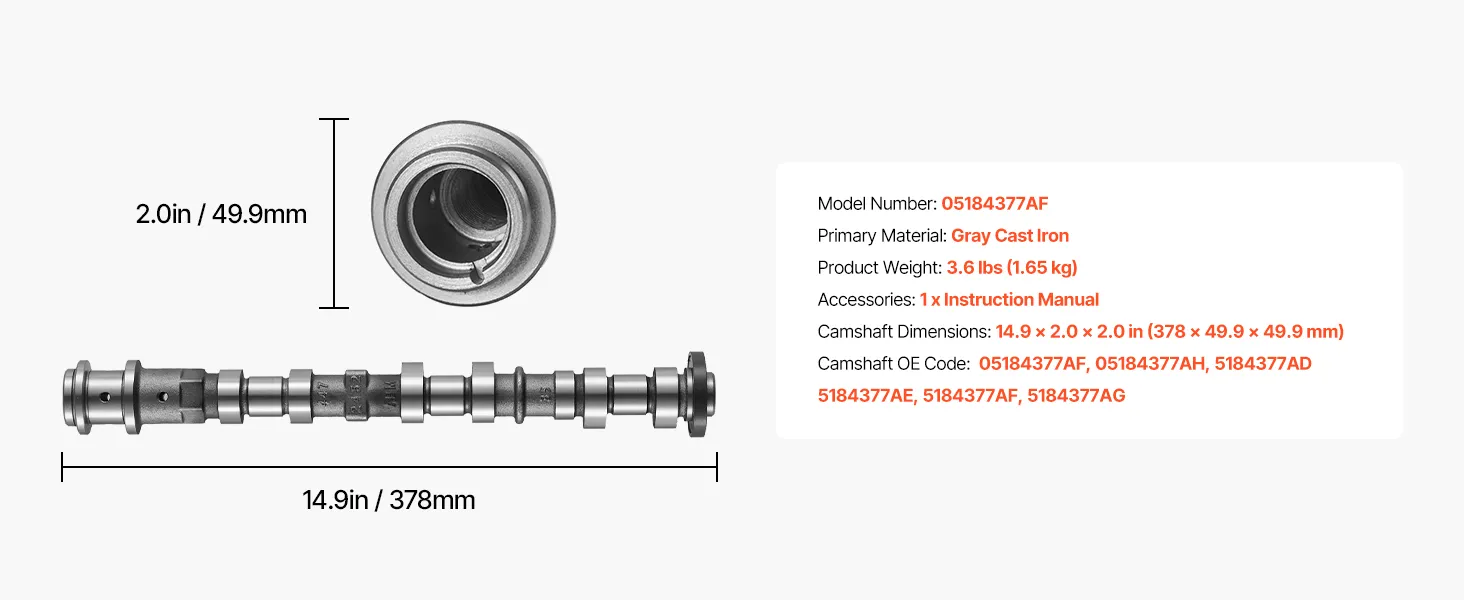
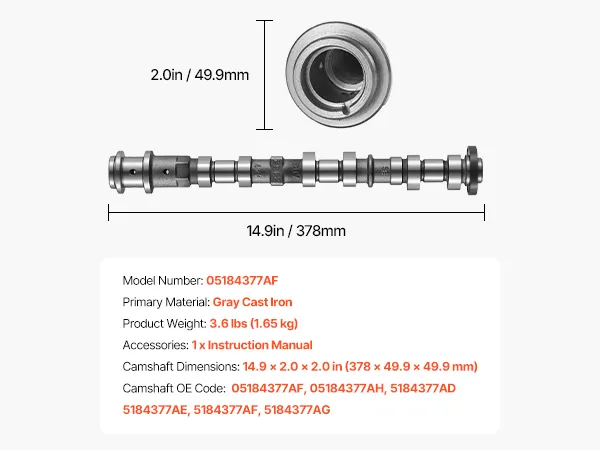
- Precision Restoration: Camshaft with signal gear, OE: 05184377AF, 05184377AH, 5184377AD, 5184377AE, 5184377AF, 5184377AG. Fully matches the original part.
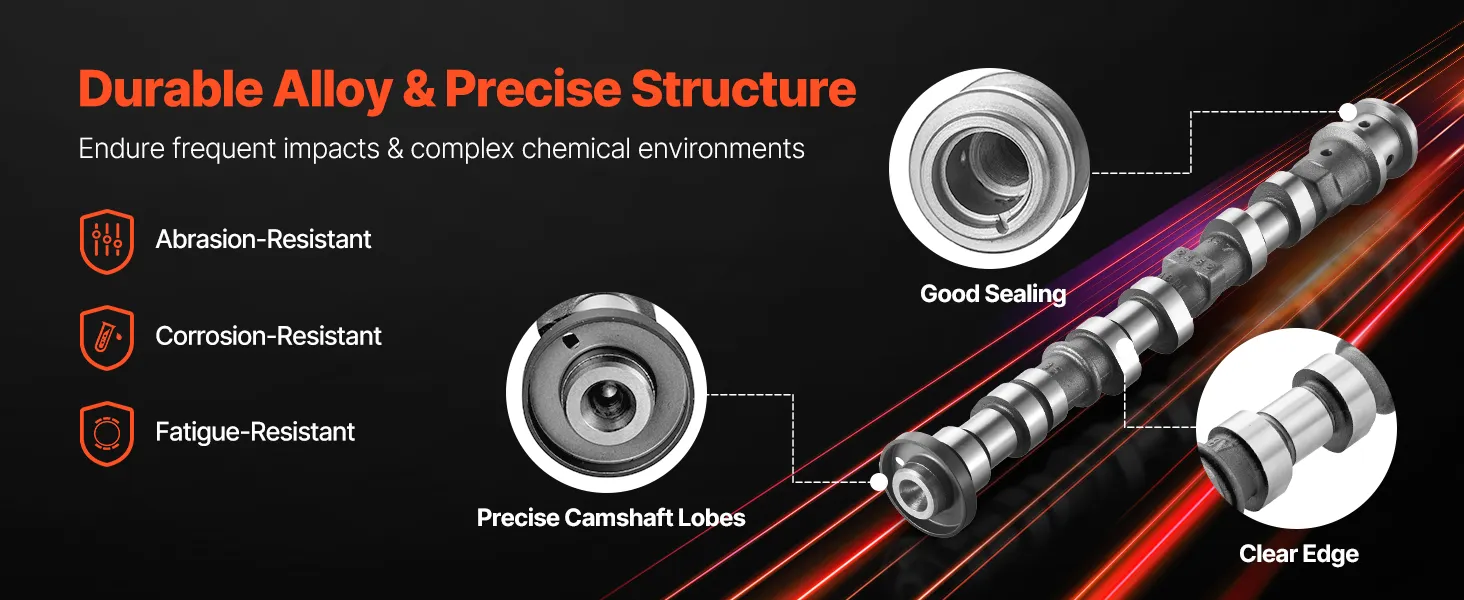
- Enhanced Wear Resistance: The cam is made from durable grey cast iron, offering wear resistance and fatigue strength, capable of withstanding thousands of impacts per minute in the engine, reducing wear on the contact surfaces between the cam lobes and lifter pillars.
- Increased Strength: After high-frequency hardening, the camshaft replacement has higher density and hardness, enabling it to resist the corrosion of engine oil and coolant in harsh operating conditions.
- Restore Engine Performance: Our engine cam systematically addresses performance degradation and wear caused by engine aging, extending engine life, and improving overall performance.
Reviews summary
Al-generated from customer reviews
Frequently Bought Together
Reviews
About this item


Designed for 2011–2019 Dodge Journey & Compatible 3.6L V6 Engines
The VEVOR camshaft Dodge Journey is made to fit Dodge Journey cars with 3.6L V6 engines manufactured between 2011 and 2019. To ensure proper installation, the overall dimensions, form, and mounting locations must comply with factory specifications. The camshaft aligns correctly with the timing chain system and slides smoothly into the engine block. This precise fit maintains smooth engine rotation and proper valve timing.
Other cars with the same 3.6L V6 engine base can also use the camshaft. These include the Ram 1500 and the Jeep Grand Cherokee. It is a dependable substitute for a variety of cars due to its broad compatibility. Installing it doesn't require any extra tools or modifications. A proper fit guarantees the engine runs as intended after replacement and reduces installation time.
VEVOR Camshaft Dodge Journey with OE Precision Match with Integrated Signal Gear
The camshaft for the Dodge Journey is manufactured to original equipment standards. The integrated signal gear conforms to the factory's layout and design. OE part numbers 05184377AF, 05184377AH, 5184377AD, 5184377, AE 5184377AF, and 5184377AG are replaced by the camshaft. To ensure correct communication between the engine sensor and the system, every measurement complies with the manufacturer's specifications.
The engine control system reads precise timing data using the signal gear. It facilitates appropriate fuel delivery and ignition timing. Engine problems and warning lights are reduced with a properly functioning signal gear system. By ensuring precise synchronisation between mechanical movement and electronic control systems, the camshaft maintains the engine's original functionality.
Precision-Machined Cam Lobes for Accurate Valve Timing
The camshaft is precisely machined to guarantee proper cam lobe form and spacing. During engine operation, this design controls valve opening and closing. The engine can smoothly release exhaust gases and efficiently draw in air when the valves are timed correctly. This process supports consistent combustion and stable engine output.
Lifters and valves experience less stress when the cam lobe geometry is precise. It avoids uneven contact, which might lead to early wear or noise vibration. During acceleration, the camshaft facilitates smooth engine operation. This accuracy enhances engine balance and overall performance consistency.
Direct Replacement Design for Engine Restoration
The purpose of the VEVOR camshaft Dodge Journey is to replace worn or broken factory camshafts directly. Original mounting locations and timing parts are used during installation. During installation, no machining, cutting, or adjusting is necessary. It lowers installation errors and streamlines the replacement procedure.
A worn-out camshaft can be replaced to help the engine run properly again. Smoother spinning and proper valve movement are restored in the engine. It enhances the entire driving pleasure and throttle response. Technicians and car owners can complete repairs quickly and confidently thanks to direct-replacement parts.
Grey Cast Iron Material for Long-Term Wear Resistance
The camshaft in a Dodge Journey is made of high-quality grey cast iron. This material is famous for its resistance to wear and its high strain strength. The cam lobes and lifters can contact each other thousands of times per minute, and the material can handle that. It keeps the surface from wearing down during long periods of engine use.
Grey cast iron also absorbs vibrations when the engine turns. It helps keep internal stress and motor noise down. The material retains its shape even after long use. It allows engines to keep working well, even in cars with a lot of miles to travel.
High Frequency Hardening for Increased Surface Strength
After casting, the camshaft is hardened by a high-frequency method. This process makes the surface harder and the inside denser. The hardened surface can withstand the wear caused by steady oil flow and friction with lifters. It keeps the camshaft in shape over time.
It is also harder, which helps prevent corrosion from engine oil and coolant. It allows the camshaft to operate reliably in high-temperature environments. The hardened surface helps the engine run smoothly and supports long-term durability.
VEVOR Camshaft Dodge Journey with Stable Performance Under Harsh Engine Conditions
This camshaft for the Dodge Journey is designed to perform effectively even under tough engine conditions. It can handle fast spinning, high pressure, and temperature changes without bending. The camshaft maintains the cam lobe shape during long periods of engine use.
Stable valve timing is possible when the camshaft works well. It makes combustion more stable and the engine smoother. The engine runs smoothly during cold starts, in city driving, and on the highway. A reliable camshaft movement reduces stress on the engine parts near the camshaft.
Restores Engine Power and Extends Engine Life
Installing a new camshaft, like this one for the Dodge Journey, can help restore lost engine performance. When the valve speed is right, it allows the combustion process and airflow. The engine's response is smoother, and its performance is more consistent.
The VEVOR camshaft Dodge Journey helps address wear-and-tear issues, prolonging engine life. It reduces uneven pressure on the valves, lifters, and related valve-train components. It prevents further damage and helps the engine remain reliable over time. The camshaft is a good way to get an engine running well again.