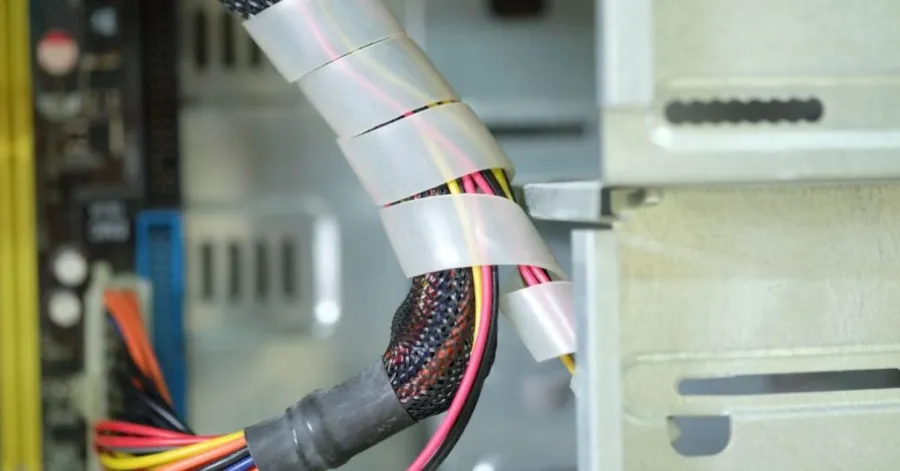
When you inquire about what wire insulation is made of, you will not be told about a single material, but rather about a combination of protective layers. These are thermoplastics (PVC, polyethylene), strong thermosets (XLPE), flexible rubber, and high-performance fluoropolymers. They are all selected to handle specific risks, such as heat, moisture, chemicals, and everyday wear. Understanding the composition of wire insulation shows how these materials combine to eliminate the risk of electric shock and stabilize electrical systems. In modern production, machines such as wire stripping machines are used to prepare bare wires before insulation is applied. This insulation silently guards your home, devices, and appliances in everyday life, enabling safe use of electricity each and every day.
What Wire Insulation Is Made Of
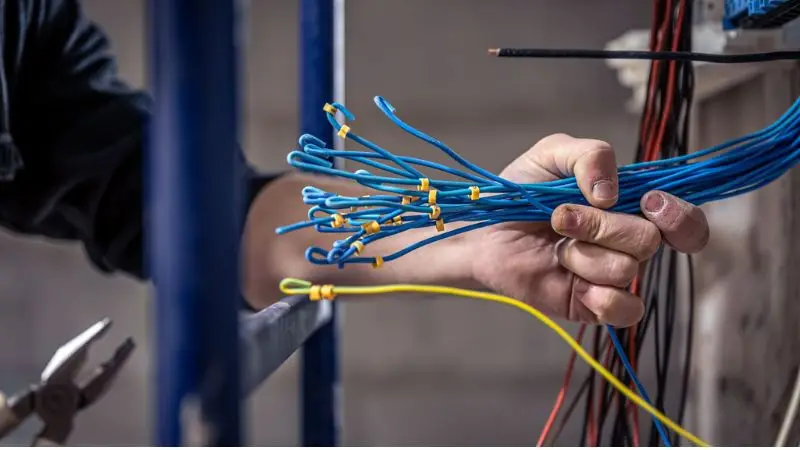
When we examine what wire insulation is made of, we discover that it is not a single material. The materials are varied based on safety, heat resistance, and flexibility. They are used to shield electrical wires, preventing damage and electric shock. Insulation is an important part of the safe use of electricity in homes, industries, and vehicles.
To learn more about it, it is better to take a look at the key types of materials utilized. Every group has its purpose and degree of performance in various settings. This is also useful for explaining the material used to insulate electrical wires in the real world.
Thermoplastics Used in Wire Insulation
One of the most popular materials used to cover wires is thermoplastic. When heated, these plastics soften, and when cooled, they harden. This makes them easy to mold during production. They are usually employed in domestic wiring and in simple electrical appliances. Learning about the applications of plastic and rubber in the production of wire insulation usually begins with thermoplastics since these materials are straightforward, versatile, and inexpensive.
Common thermoplastics include:
- PVC (Polyvinyl Chloride) wiring and cables are used in the home.
- Outdoor wires and moisture protection, Polyethylene.
- Extra strength and abrasion-resistant nylon.
The popularity of these materials is due to their flexibility and durability. They also contribute to lowered production costs without compromising safety. A wire stripping machine is often used before coating, so the conductor is ready for insulation application. The materials are the primary insulation in most households that safeguard day-to-day electricity use.
Thermoset Materials for Strong Electrical Protection
Thermosets are not similar to thermoplastics in that they do not melt upon hardening. They are high-heat-resistant and high-stability designed. This makes them applicable in heavy-duty electrical systems when temperatures and pressures exceed normal levels.
Examples of typical thermoset materials are:
- Cross-Linked Polyethylene (XLPE) is a power cable material.
- An industrial wiring material, Ethylene Propylene Rubber.
Such materials are robust and stable, particularly in challenging environments. They help keep wires shaped and safe, even when they are exposed to heat. Their durability has led to the extensive use of thermosets in power distribution systems and factories where performance needs to be long-lasting.
Rubber Used for Flexible Wire Insulation
Rubber insulation has long been used for its natural flexibility. It is particularly handy when the wires are to be bent, moved, or twisted. Rubber insulation is also very resistant to moisture and physical abrasion, and thus it can be used in dynamic electrical applications.
Rubber types include:
- Older wiring systems were made with natural rubber.
- Flexible cables that are used today are made of synthetic rubber.
Today, rubber is still used in special electrical setups. It is commonly used in movable equipment and machinery that must move constantly. It is also adaptable to various conditions, making it dependable in physically demanding environments.
Fluoropolymers Used in High-Safety Electrical Wires
Fluoropolymers are high-performance materials in electrical insulation. They are also characterized by their ability to withstand heat, chemicals, and fire. These materials are used in areas where safety is of great concern, such as medical equipment and aerospace systems.
Common fluoropolymers include:
- PTFE (Polytetrafluoroethylene) in high-temperature applications.
- FEP and PFA are applied to a chemical-resistant wiring.
They cost more and offer great protection. They are selected for situations where wires are required to operate in hazardous or highly sensitive environments. They are stable and can be used in situations where failure is not a possibility.
Specialty Materials in Wire Protection
There are extreme conditions in wiring systems that utilize special insulation. These are materials that are not very common, but are significant to certain industries. They assist wires to endure extreme high and low temperatures and conditions.
Examples include:
- Silicone is used in ovens and cold storage systems
- Fire-resistant wiring made of fiberglass.
- Asbestos was used in the older systems, but has been rendered unsafe for use in modern days.
These materials are chosen on the basis of special environmental requirements. They are primarily employed in industrial or old systems where standard materials do not suffice.
Simple Properties of Electrical Wire Insulation
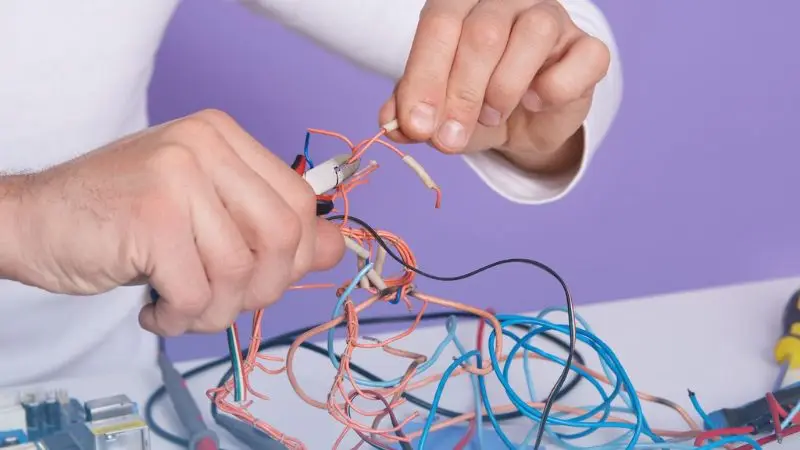
When selecting electrical wire insulation, we must be aware of how it will behave in various circumstances. All materials are designed to withstand conditions such as heat, movement, chemicals, and the demands of use. It is these properties that explain why electrical wires in homes, industries, and machines are coated with insulation. Their familiarity helps in choosing safe and appropriate wires to be used in any task. In real-world use, technicians often rely on tools such as a wire-stripping machine when preparing or replacing wires during installation and maintenance, ensuring the conductor is safely exposed before any work begins.
How Heat Protection Works in Wire Insulation
Heat protection refers to the ability of the insulation to withstand high temperatures without melting or becoming damaged. This is highly critical since electrical wires may get hot when being used. Powerful insulation prevents damage to the functionality of wires in case of a heat rise.
Where heat levels are high, materials such as XLPE, PTFE, and silicone are used. Such materials are popular in power systems, factories, ovens, and laboratories. Comparatively, PVC is deployed in the typical home wiring since it functions properly under normal temperatures, but is not applicable in extreme temperatures. Good heat protection assists the wires in remaining safe and lasting longer in a harsh environment.
How Flexible Wire Insulation Is
Flexibility refers to the ease with which a wire can bend or be moved without damaging the outer coating. This is valuable for wires used in appliances, tools, or frequently moving gadgets. Elastic insulation will develop cracks and damage when bent several times.
The most flexible materials are rubber and silicone, and are used in cords that have to move frequently. PVC is also moderately flexible and commonly used in domestic wiring. Thermoset materials, on the other hand, are less flexible and more stable and stronger for fixed installations. Flexibility ensures that wires can move without being unsafe or unproductive.
How Wire Insulation Resists Chemicals
Chemical resistance refers to the insulation’s ability to shield the wires from oils, acids, cleaning agents, and other corrosive agents. This is essential in factories, hospitals, and laboratories, where chemicals are commonly found.
Fluoropolymers, such as PTFE, provide maximum chemical protection and are applied in medical and industrial settings. Polyethylene is also resistant to outdoor and general use. Rubber insulation provides a certain level of protection, but it becomes weak when it comes in contact with strong chemicals over a prolonged period. Chemical resistance helps ensure the safety of wires in severe working conditions.
How Strong and Long-Lasting Is Insulation
Durability refers to the length of time that the insulation will remain strong and safe without getting tired. It is based on the quality of the material used and on the environment in which it is applied. Long-lasting insulation will minimize the number of repairs and enhance long-term safety.
Substances such as XLPE and PTFE are known to exhibit long-term performance in harsh environments. PVC is widely used in residential buildings because it is cost-effective for long-term use. Rubber insulation is soft, but it can wear off more easily than other materials. High durability means that electrical systems are safe and reliable over a long period.
Why These Properties Matter in Electrical Wiring
These are some of the simplest properties that help explain the nature of wire insulation materials used in household wiring, and why different materials are used in different circumstances. In homes, safe, easy-to-use materials such as PVC are typically used, while in industries, stronger materials such as XLPE or PTFE are used.
It also aids in knowing the difference between PVC and rubber wire insulation material. PVC can be used in fixed wiring of homes since it is robust and durable, whereas rubber is used in the flexible wires, which move frequently. The selection of each material is dependent on the strength, flexibility, and safety requirements.
After understanding such fundamental properties, selecting the right insulation for safe, reliable use when working with electricity in everyday life is easier.
How Electrical Wire Insulation Is Applied and Chosen
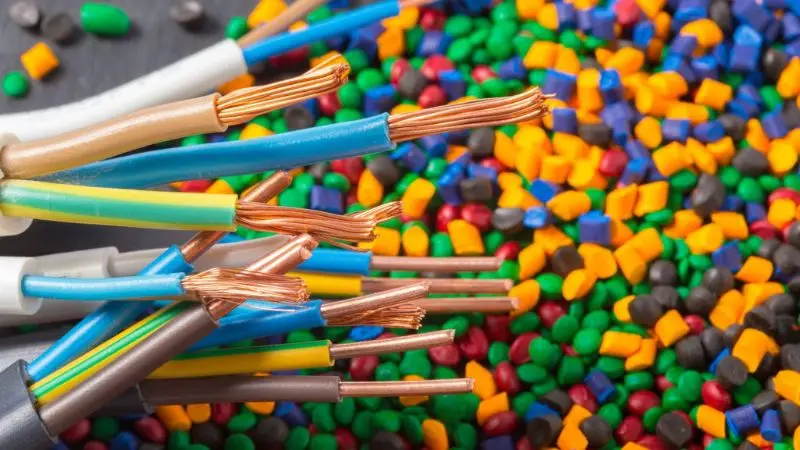
The coating process is significant when considering the production of wires. It is what determines the safety, durability, and strength of a wire. The type of wire varies according to the location where it will be used and the level of protection it requires. This also has a close connection with what is used in the insulating coating of electrical wires in actual manufacturing.
Learning about this process also helps one understand what wire insulation consists of, since the coating material is what prevents heat, water, and damage to the metal inside.
How Wire Insulation Is Applied in Factories Using a Wire Stripping Machine
Special machines are used to insulate wires in factories. Before the coating process begins, a wire stripping machine is used to remove the outer layer of the bare wire so the conductor is clean and ready for insulation. This is initiated by placing a bare wire in a coating machine. The apparatus fuses the insulation substance and coats it uniformly on the wire. After that, the coating cools and solidifies, forming a protective layer.
This layer may be either thick or thin, based on the use of the wire. Certain wires require additional protection for heavy use, whereas others require light protection for basic use. The materials that are commonly used in this process are PVC, rubber, and fluoropolymers. The materials are used for domestic purposes, automobiles, and machine tools because they provide reliable protection.
The coating process is significant because it ensures the safety of the wires for use and their protection against damage during operation.
@thecheltonproject Wire stripping #wire #scrap #copperwire #smelting #vevor
♬ original sound – That guy!
How to Select the Right Wire Insulation Material
The selection of the appropriate insulation is determined by the location and purpose of the wire. Every setting requires different protection; therefore, the material should be suitable for the setting. That is why it is useful to know the types of wire insulation materials used in household wiring to use them safely.
PVC insulation is usually selected for home use insulation due to its flexibility, safety, and cost-effectiveness. Polyethylene is more suitable for outdoor use since it is resistant to both sun and water. XLPE and EPR are used in factories because they withstand heat and chemicals. Fluoropolymer materials are also used in hospitals and laboratories due to their good resistance against fire and chemicals.
This kind of selection ensures that the wires can be used under other conditions without failing or being damaged.
Where Different Wire Coatings Are Used
Wires covered with a coating are found in nearly all areas with electricity. The choice of each type of coating depends on the condition the wire will be working in. This helps explain the variation in the use of PVC and rubber wire insulation materials, since each material behaves differently in real-world use.
PVC-coated wires are also widely used in lighting and appliances in homes. Phone chargers are often insulated with nylon to enhance their strength. Polyethylene coating is used in outdoor lighting systems to withstand rain and sunlight. In factories, XLPE-coated wires are used for machines that produce heat. The PTFE-coated wires are used in hospitals where safety and chemical resistance are highly valued.
Every coating is intended to perform a certain task, and electrical systems are more reliable and safe in everyday life.
Wrap Up
The insulation of wires is an important factor in maintaining electrical systems as safe, stable, and long-lasting. The types of materials used vary with the purpose and location of the wire’s use, such as PVC, rubber, XLPE, and fluoropolymers. Both materials provide different degrees of heat, movement, chemical, and wear resistance. This is why it is important to explain what wire insulation is and why there are various options for homes, industries, and special environments. Knowledge of insulation also reveals the types of wire insulation used in house wiring and the differences between PVC and rubber insulation, making it easier to select the most appropriate and safest insulation material for any electrical application.
FAQ
What does wire insulation do?
Wire insulation contains electricity within a wire. It prevents you from being shocked. It also prevents water, heat, and chemicals from coming in contact with the wire.
Will any material be insulated to be used as electrical wire?
Not any material will do as insulation. The substance should be air-tight electrically and should be durable. Plastics, rubbers, or special coatings are frequently used by people.
What is the best insulation for wire to choose?
Consider the location of use of the wire. PVC is normally chosen in residential homes. In the case of outdoor or factory settings, more robust or flexible insulation might be required.
Why is the insulating layer important?
The insulating coating protects the wires. It prevents short-circuiting and helps to prevent shocks in people. It is also effective in ensuring the longer life of wires.
Is it possible to repair damaged insulation on a wire?
Special tape can be used to repair minor damage. A new wire should be taken in case the damage is extensive. Broken insulation can be dangerous.