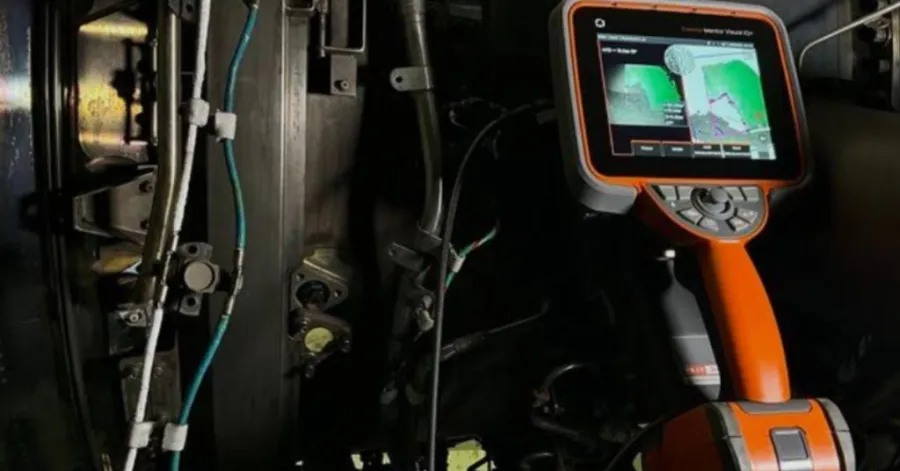
A borescope is a tool used to look inside hard-to-reach or blocked areas without taking anything apart. This remote visual inspection tool will save time and money, avoiding scrapping. Anyone who questions what a borescope is will find this overview helpful, and an industrial borescope, or videoscope, works like an inspection camera. A video borescope enables inspection in narrow, dark, or hard-to-reach spaces. Video borescopes and Industrial Drills enable borescope inspection of hard-to-reach spaces. Remote visual inspection reaches deep into hard-to-reach areas, and a guide to borescopes explains remote visual inspection using a videoscope. A videoscope captures a clear picture for internal inspection. The other kind of videoscope has longer probes.
What Is a Borescope?
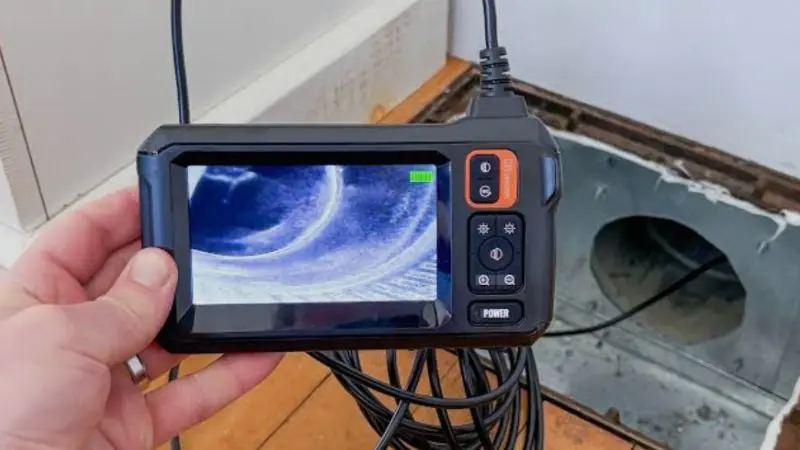
A borescope is a tool that shows people the inside without having to stand up in machines, pipes, and motors. This remote visual inspection tool helps technicians examine internal surfaces, cavities, curves, connections, pipes, and chambers. It is used in many industries, including aviation, auto repair, plumbing, and production.
Understanding what a borescope is begins with its main purpose: inspecting hard-to-reach areas without disassembly equipment. Depending on the model, a borescope can use optical lenses, optical fiber, or digital cameras to display internal details. It helps users find problems early on and decide if cleaning, repairs, or other tests are necessary.
Recommended For Your Project
How Does a Borescope Work?
To understand how a borescope works, it attaches a tiny camera to a long, narrow probe. Via a small opening, the probe enters the hard-to-reach zone. The light source illuminates the interior while the camera or optical system captures the view. The image then travels to an eyepiece or screen, so the user inspects the range without taking the equipment apart.
In the design of the borescope, the principle of operation depends on the application. A flexible bore tube can turn curves, while a video borescope articulation allows users to push the tip in different directions. A videoscope combines a digital camera with the light source in a unit. These features allow the use of borescope inspection in dark, enclosed spaces, including engines, turbines, pipelines, and industrial machinery. Image quality depends on factors such as camera resolution, lighting, and probe design.
What Are the Main Parts of a Borescope?
A borescope has several pieces that work together to give a clear picture of enclosed spaces. Each part has a particular purpose, from the inspection area to the capture and display of images. Knowing these components makes it easier to understand how different borescope models work and which features are important for a specific task.
Insert a camera or optical system tube toward the target area. While the length influences how far it can reach, the diameter determines how small an opening can get in the tool. A light source illuminates dark interiors, and an eyepiece or display screen allows users to see the recording. Digital models employ a sensor to capture images or videos. Some industrial borescopes also include articulation controls, which allow users to adjust the direction of the probe tip. Together, these components support precise inspections and help technicians document their findings.
What’s the Purpose of a Borescope?
A borescope’s main purpose is to inspect internal areas without removing parts or dismantling equipment. It helps users identify cracks, corrosion, locking, wear, and other indications of damage that are not visible from outside. This makes it a useful tool for routine maintenance, troubleshooting, and condition testing.
In thinking about what a borescope is used for, the response depends on the task and type of equipment that is being inspected. Car mechanics use borescopes to investigate engine cylinders and other internal components. In industry, they use them to inspect turbines and closed systems, including pipe drains and pipes. Homeowners can use a borescope to look through a wall hole or other narrow space. A remote inspection tool delivers visual evidence to help users decide whether cleaning, repair, or any other testing is required.
Different Types of Borescopes
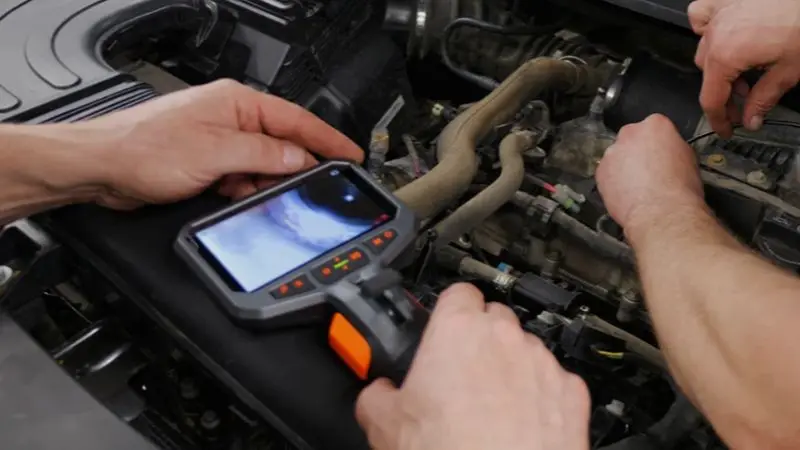
Borescopes are used for different inspection tasks, in different designs. While some are used to navigate curves or capture digital images for more precise inspection, others work best in straight openings.
Understanding these types will help you select the right tool to meet your needs. The best option depends on the available space, the flexibility of the probe, the quality of the image, and inspection requirements.
Rigid Borescope
A rigid borescope has a straight, fixed probe retaining its form during inspection. It uses an optical system to create a tiny opening to display inner surfaces. This design offers a stable view and is good when the inspection path is straight and accessible.
Tougher borescopes are frequently used to inspect engine cylinders, metal components, and machines with direct access points. They can give sharp images, but cannot bend over corners and bow through curved passages. Consider the probe’s length and diameter when selecting one to ensure it fits the opening and reaches the target area. If it is necessary to see the available inner surface clearly without dismantling the equipment, a rigid model is a practical option.
Flexible Borescope
A flexible borescope has a bendable probe that moves through curved passages and narrow spaces. This design allows users to inspect areas that a rigid borescope cannot reach easily. It’s useful for inspecting pipes, engine compartments, and machines with complex internal paths.
A small system of a digital camera or a fibre optic system is used to transmit images to the screen or eye tentacles in many flexible microscopes. Some models also contain articulation controllers that allow users to guide the probe tip in different directions. If you ask what the most suitable approach is for a flexible borescope, the answer is inspections that restrict access due to obstacles and corners. Before choosing one, check the length, diameter, flexibility, illumination, and camera quality of the probe to ensure it fulfills your inspection requirements.
Video Borescope
A video borescope uses a digital camera at the end of its probe to record live pictures and video. Results appear on the built-in screen or connected device. Many models let users save photos and recordings for later review, making it easier to compare inspection results over time.
When you ask what a borescope camera is used for, a video borescope is a common example. It helps technicians investigate confined spaces, identify apparent defects, and document their findings. Automotive professionals use these tools to monitor engine parts while plumbers inspect drains and pipes. Some models offer adjustable lighting, multi-cam viewing, and digital Zoom. Camera resolution, quality of the screen, and probe diameter affect how easily users can detect cracks, corrosion, or any other evidence of damage.
Articulating Borescope
An articulating borescope has a probe tip moving in different directions that are controlled by the user. This movement lets the camera view corners and internal surfaces from various angles. It is particularly useful if a straight look doesn’t reveal the entire inspection area.
Technicians frequently use articulating video borescopes to inspect engines, turbines, and complex machines. The controls help them steer the camera towards areas that require closer scrutiny without removing surrounding components. Some models, depending on their design, provide a two- or four-way articulation. When selecting an articulating borescope, take into account probe diameter, articulation range, working length, and image quality. These features specify how easily the tool can reach the target area and show useful displays of hidden components.
Industrial Borescope
An industrial borescope is designed to examine machines, equipment, and structures in industrial environments. This can have a rigid or flexible probe depending on inspection requirements. Many models feature durable construction, integrated lighting, and image-recording capabilities that support routine maintenance and equipment monitoring.
If you’re interested in why industrial borescopes help, technicians will study turbines, pipelines, manufacturing equipment, and metal components without dismantling whole systems. Professional models may include longer test pieces, high-resolution cameras, and advanced joint-monitoring systems for integrated inspection. Some have been designed for certain environments, so users should check the operating limits of the manufacturer before use. The correct industrial borescope depends on the availability of suitable access, the type of device, and the defects examined. When inspecting interior surfaces, the choice of a suitable model helps technicians document visible problems more effectively.
What’s Borescope Used For?
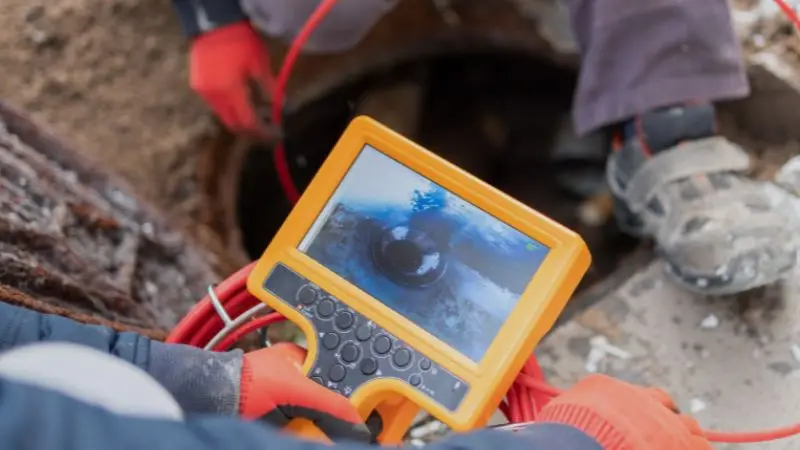
A borescope lets you inspect hidden areas without dismantling equipment or removing surrounding materials. This helps users identify visible damage, blockages, corrosion, and traces of use in enclosed spaces.
The tool is used in various fields, including car repair, aviation, plumbing, production, and home maintenance. The following examples reveal what the borescope is used for in several situations and how it helps users inspect challenging areas.
Borescope for Automotive Inspections
A borescope helps mechanics inspect internal engine components without removing the entire engine or dismantling important assemblies. The probe can be accessed via appropriate access points such as a spark plug opening to see cylinder walls, piston surfaces, and combustion chambers. This makes it easier to use standard tools to scan difficult areas.
Automotive borescopes can help identify carbon buildup, scratches, fluid deposits, and other visible signs of wear. Mechanics can also use them to check transmissions and other embedded parts if access is possible. If you ask what borescope camera is used in motor vehicle repair, the single general application is the examination of internal engine surfaces before deciding whether to undertake further testing or repair. Without unnecessary disassembly, the images give useful visual evidence.
Borescope for Industrial Equipment Inspection
Industrial equipment consists of many internal parts which are difficult to inspect when they are used for normal purposes. A borescope allows technicians to examine machinery through existing access openings, reducing the need to dismantle large or complex systems. This allows more efficient routine maintenance and troubleshooting.
Factories and maintenance teams use industrial borescopes to inspect pumps, valves, turbines, gearboxes, and production equipment. These instruments help identify visible corrosion, cracking, wear, precipitation,n and other defects. Many digital models can capture photos and videos that enable teams to document the condition of the components over time. This information supports maintenance planning and helps technicians decide whether to proceed with an inspection or take further action. However, a borescope only displays visible surfaces within the field of vision, so supplementary tests may be required in order to fix certain defects.
Borescope for Aircraft Engine Inspection
Without unnecessary dismantling, aircraft engine inspection requires careful evaluation of internal components. A suitable borescope will enable skilled technicians to see accessible engine areas, including turbine blades and combustion sections. In these inspections, visible cracks, overheating, erosion, and other signs of damage may be found.
Aviation borescopes often require high image quality, an appropriate probe size, and accurate tip control. When carrying out an inspection, technicians shall follow the relevant maintenance procedures and the manufacturer’s instructions. The images taken can help them judge the condition of internal components and decide whether additional controls are needed. While a borescope is valuable visual evidence, it cannot detect all kinds of defects. Suspected damage could include additional tests or assessments by qualified aviation staff.
Borescope for Plumbing and Pipe Inspection
A borescope or pipe inspection camera helps users check the inside of drainage, plumbing, and other enclosed passages. The camera can reveal blockages, corrosion, cracks, and other visible problems. This helps plumbers find the source of the problem without opening the walls immediately or removing parts of the pipes.
Longer inspection cameras often work better for longer pipes, while compact probes function well in smaller openings. Waterproofing, probe flexibility, lighting, and camera resolution are the main features for plumbing work. During the selection of a tool, consideration is given to the pipe diameter, the length, bends, and the nature of the obstruction. An inspection camera could help plumbers identify the problem area and decide whether it must be cleaned, repaired, or measured further.
Borescope for Home and DIY Inspections
A borescope can help homeowners inspect hard-to-reach areas without removing fixtures or building materials. It can be used to check wall cavities, ceilings, interiors of appliances, and areas behind cabinets. By installing a small probe with the appropriate opening, users can see the hidden spaces and find visible signs of damage.
A basic model with a built-in monitor or smartphone connection can be sufficient for occasional home projects. If you wish to learn how to use a borescope inspection camera, you first have to study the condition of the probe, test the lighting, and choose a proper access point. Slowly insert the probe during inspection. Avoid forcing it to bend around narrow turns or insert it into live electrical equipment. Always follow the manufacturer’s safety instructions and use a tool designed to assist the inspection environment.
How to Choose the Right Borescope
Choosing the right borescope starts with understanding the inspection task. A tool for a narrow pipe may not suit the inspection of a large engine or system.
Prior to purchasing, think about where the probe has to go and what detail to see. Under what conditions you will be using the device. These factors can help you to find the appropriate model without paying for features you don’t need.
Check the Probe Length and Diameter
Probe length determines how far a borescope can reach into an inspection area. A long probe may provide assistance to deep machinery or extended pipe sections. A shorter probe can have more effective control in compact spaces. The length requirement varies according to the access point distance to the target area.
The diameter of the probe determines the size of the opening that can enter the tool. A smaller probe could be incorporated into a smaller space, although the characteristics of the cameras, the illumination, and the durability can vary depending on the model. Measure the access opening and consider the internal path before selecting a borescope. If the route of the monitoring bends, please check if the flexible probe is suitable. Selecting the right dimensions helps avoid access problems and makes inspection management easier.
Choose the Right Camera Resolution
Camera resolution affects how much visual detail can be captured by a video borescope. Higher resolution can allow users to better recognize minor traces, cracks, and changes in the surface. The quality of the image also depends on lighting, focus, lens design, and the distance between the camera and target.
A standard camera can provide sufficient details for basic house inspections. When technicians are required to investigate minor defects, sharper images could prove useful for vehicle and industrial applications. To compare models, check sample images, screen quality, and recording options instead of relying solely on resolution numbers. A good camera must give clear and useful images in the circumstances where you want to work. This will make it easier to investigate findings and decide if further inspection is necessary.
Look for Adjustable Lighting
A borescope often works inside dark spaces where natural light cannot reach. Integrated LEDs or other appropriate light sources illuminate the inspection area. Adjustable brightness helps users adjust the lighting to reflective metal surfaces, dark cavities, and various working distances.
Too little light can hide important details, while excessive brightness on shiny surfaces can cause glare. A controllable lighting model offers greater flexibility to users during inspection. The position and strength of the light source can also affect the clarity of the image. Before you buy the light, check to see if the light can easily be adjusted while the probe is located in the inspection area. The proper lighting allows you to see interior surfaces more clearly and reduces the probability that you will miss obvious defects.
Consider Waterproof and Heat-Resistant Features
Certain inspection tasks are related to moisture, oil, dust, or high temperatures. A borescope with suitable water and dust protection may be helpful when inspecting drains, wet pipes, or dirty machinery. Always check the manufacturer’s specifications since each probe, connector, or display does not have an equal level of protection.
Of particular importance is the thermal resistance when inspecting engines and industrial machinery. Many wells have strict temperature limit values, and so equipment can become cold before the inspection. Do not assume that a probe can withstand high temperatures just because it’s designed to be used industrially. Check acceptable operating conditions and meet the manufacturer’s instructions. Selecting a tool for the inspection environment contributes to the protection of the device and supports safer, more reliable results.
Compare Wired and Wireless Borescopes
Connects a wired borescope to a screen or computer over a cable. This arrangement offers a direct connection and can be suitable for regular inspections so that the screen can stay close to the user. Cable length, type of connector, and compatibility of the device shall be appropriate to the anticipated length.
A wireless borescope can send pictures to a phone, tablet, or other compatible device. It can help you get an overview and share the inspection results without the need for a separate display. However, wireless models depend on battery life, connection quality, and device compatibility. With recording or image-sharing functions, some models can also be equipped. Before choosing, compare these factors with the needs of your inspection. The best option is a secure image and convenient operation for your specific task.
Wrap Up
It’s easier to inspect hard-to-access spaces with a borescope without dismantling equipment. Understanding what a borescope is, how it works, and what it’s used for will help you choose the correct tool to meet your needs. From checking engine parts to inspecting pipes and industrial machinery, a suitable borescope can save time and help to identify visible issues early.
Compare, before purchasing, the length of the probe, the diameter, the camera resolution, the lighting, and the quality of the display. Think about whether you need a rigid, flexible, or video borescope for your inspection tasks. With the correct features, a borescope can simplify and improve efficiency and reliability in routine inspections.
FAQs
1. Which borescopes are easier to use for beginners and where can I purchase them in France?
Borescopes with built-in screens, easy operation, and LED lighting are the easiest for beginners. Get good models from Amazon.fr, ManoMano, and specialist tool stores in France.
2. What are the benefits and disadvantages of USB borescopes vs. Wireless Borescopes for DIYers in France?
USB borescopes are accessible and reliable, but require wires. Wireless models offer greater freedom and ease of movement, though they require payment and can face the challenges of connectivity during inspections.
3. Compare borescopes with built-in screens vs. those that use a phone that works better in France?
Integrated screen borescopes work independently and are easy to operate. Telephone models, which are connected to the phone, are often cheaper and portable, but need compatible devices. Both options are available extensively in France.
4. Compare flexible shaft borescopes with rigid engine test boards that are better suited for hobby mechanics in France?
Flexible borescopes are better for reaching curved, hidden engine areas. Rigid models offer better control in straight passages. Flexible probes are more versatile for most hobby mechanics in France.
5. What Borescopes are best available for smartphone compatibility in France?
USB-C and Wi-Fi borescopes that are compatible with Android or iPhone are a great choice. Before you purchase products from French dealers or online marketplaces, check the compatibility of connectors, operating system support, and App requirements.
6. Compare wired versus wireless bores for reliability in industrial settings in France.
Wired bore drills usually guarantee stable connections and consistent performance. Wireless models enhance mobility but can experience interference. Industrial inspections are often supported by wired systems that require reliability.