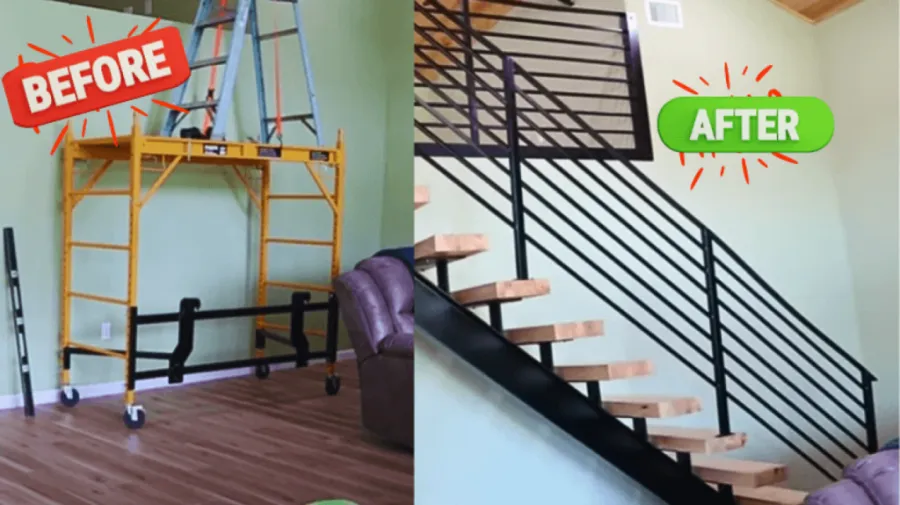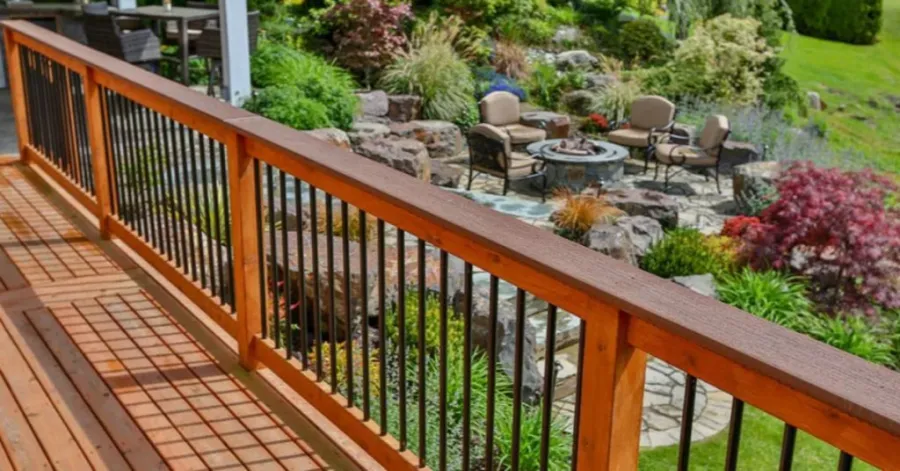
Planning a deck upgrade starts with understanding railing installation costs. The total deck railing system cost depends on materials, rail length, design, and the work required for the project. Wood is often an affordable option, while aluminum, composite, cable, and glass railings can offer higher quality and style. Additional costs may include removing old railings, purchasing hardware, and repairing the deck structure. Knowing these costs upfront will help you set a realistic budget and compare available options. This guide shows average railing prices, installation costs, cost factors, and practical ways to save money for your project.
Table of Contents
How Much Does Deck Railing Cost?
Total deck railing cost depends on material, deck size, design, and labor. Installed systems can cost $ 25 – $100+ per linear foot; for a typical US home project, railing materials can cost about $ 15- $ 60 per linear foot. Wood is the most common budget-friendly choice, whereas composite, aluminum, and glass options often cost more. Your final price will depend on railing height, stairs, custom features, and local labor rates. A separate comparison of the material with the deck railing installation costs could help you set a realistic budget.
Recommended For Your Project
Average Deck Railing Cost Per Linear Foot
Deck railing costs per linear foot typically range from $15 to $60 for many traditional materials, while glass and cable systems may cost $100 to $600 per linear foot for materials. Installation adds to these prices. For example, vinyl often costs $20-$60 per linear foot, while wooden railings can cost $15-$50 per linear foot for materials. Glass railings are expensive because they require panels and specialized hardware. Before selecting a decking material, consider its durability, maintenance requirements, and installation costs.
Deck Railing Installation Cost by Project Size
Because a large area requires more railings and more work, the size of your deck affects the overall budget of the installation. If you are wondering how much it would cost to install deck railing, then a typical project could cost about 400.4,800 with an average of around $2,500 in the United States. Before additional costs were incurred, for example, the installation of 40 linear feet would cost approximately 400 to 2,000 at 10-50 per foot. A 70-foot deck may cost around $700 to $3,500, depending on the materials and labor involved. Additional features, difficult installation areas, and necessary repairs can increase the overall expense.
Material Costs vs. Labor Costs for Deck Railings
When estimating deck railing expenses, calculate material costs and installation charges separately. Materials might vary from approximately $15 per linear foot for some basic systems to $600 or more for bonus options of glass. In general, the cost of work is between 10 and 50 per linear foot, depending on structure and complexity of work. This could mean $ 400- $ 2,000 in work for the 40-foot railings alone. You may also need to budget for posts, brackets, attachment, ancient handrail removal, and repairs on deck structure. Ask contractors to include these costs separately so that you can accurately compare the estimates.
Deck Railing Prices by Material Type
The material that you choose plays a significant role in your total deck railing system cost. Some options cost less upfront, while others offer better durability or require less maintenance over time. Compare material prices, installation costs, and long-term care needs before making a decision. In the following sections, the typical costs of the popular railing materials are explained, so you may choose an option that corresponds to your deck and budget.
Wood Deck Railing Cost
Wood is popular for homeowners wanting traditional deck railing for an affordable price. Wood railing materials typically run 15–50 per linear foot, while a complete installation may cost 25–75 per linear foot, including labor. Prices depend on the wood type, railing design, and finish. Pressure-treated pine usually costs less than cedar or redwood railing materials. To protect wooden rails against moisture and sunlight, regular staining, sealing, or painting may also be required. If you compare wood with other handrail materials, enter these maintenance costs into your budget.
Aluminum Deck Railing Cost
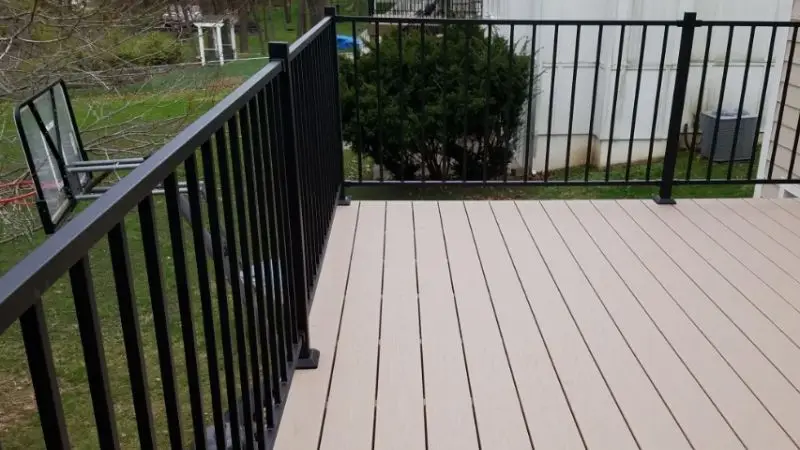
Aluminum railings ensure a clean, modern look and rust resistance that makes them suited for many outdoor decks. A comparison of the cost of deck railing for the various materials tends to provide an aluminum cost of between US$ 30 and US$ 80 per linear foot. Basic systems may fall near the bottom, while decorative finishes and premium designs can raise the price. Aluminum is light and needs less maintenance than many wood options. However, the total cost may go up if your deck requires custom posts, special fittings, or handrails for stairs. Before choosing aluminum, compare the product quality and installation fees.
Vinyl Deck Railing Cost
Vinyl railing is a convenient option for homeowners who like to have a well-maintained look without frequent painting or coloring. Material prices typically range from $20 to $60 per linear foot, while the total with installation may reach $30 to $80 per linear foot. Your final deck railing cost depends on the quality, color, height, and design of the vinyl. Essential white railings are often less expensive than decorative styles with special caps or detailed posts. Vinyl can withstand moisture even though extreme temperatures can influence flexibility over time. Before choosing a system for your deck, check the manufacturer’s warranty and care instructions.
Composite Deck Railing Cost
Composite railing combines wood fibers and plastic to provide a permanent option and a wood-like look. Materials usually cost around $25 to $70 per linear foot, with installed prices often ranging from $40 to $100 per linear foot. When calculating how much a new deck railing costs, consider whether or not you need suitable composite posts, caps, brackets, and other accessories. Some systems are designed to match the composite decking and provide a consistent outdoor look. While composite railing is usually more expensive than wood, it often requires less paint and sealing. Compare product specifications and warranty to understand the value in the long term.
Cable and Glass Deck Railing Cost
Cable and glass railings are designed for homeowners who want an open view and modern deck designs. Cable railing usually costs approximately $40 to $150 per linear foot installed, and glass railings can range from $100 to $600 per linear foot, depending on the system and type of glass. These options can increase your deck railing cost as they may require special hardware, stronger support, and professional installation. Cable systems use tensioned cables, while glass systems depend on panels and the right mounting hardware. Before you decide to select any of the two options, check local building regulations, in particular railing height, openings, and structural strength requirements.
What Factors Affect Deck Railing Installation Costs?
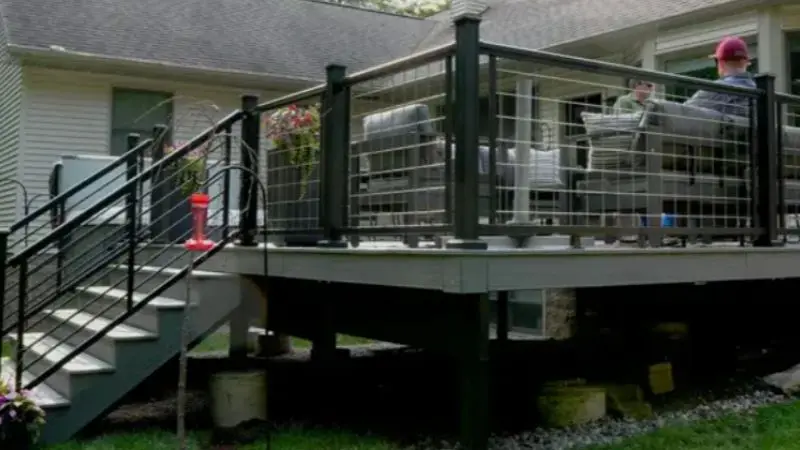
The prices for materials are only part of your total railing budget. Dimensions, structure, height, and the deck’s current condition may also affect installation costs. The required rate and training may alter a final quote. Understanding these factors will help you estimate how much it costs to install deck railing and identify the cost before the work starts.
Deck Size and Railing Length
The length of the total railing is an important factor influencing the installation expenses. Generally, a larger deck requires more posts, railing, fastening elements, and labor, so the deck railing cost will be higher in total. For example, if your selected railing costs $40 per linear foot installed, 30 ft costs about $1,200 while 60 feet would cost about $2,400. The above examples exclude additional costs for stairs, removals, or repairs. Measure any open edge requiring a railing, including all steps. Accurate measurements will help you estimate quantities of material and facilitate comparisons of contractor quotes.
Railing Design and Customization
Normal railing is usually cheaper than an individual system with decorative or special design details or size. If you estimate how much the new deck railing will cost, just remember that curved sections, colors, decorative post-caps, and built-in lighting materials and labor input may add cost. Standard railing kits are often easier to install, since their parts are designed so that they fit together. Custom metalwork, glass panels, and cable systems can require accurate measurements and special installation. Select the design features you care about, and ask for separate prices for optional upgrades to keep your project on budget.
Deck Height and Structural Requirements
Deck height and condition can affect both material requirements and installation costs. Increased decks can require longer posts, extra bracing, or stronger connections to meet local building codes. These requirements may in particular increase the deck railing cost when the existing deck structure has to be repaired before installation. For example, several hundred dollars or more may be added depending on the damage, which may require replacing posts or reinforcing weak fastening points. The contractor will have to look at the deck before making a final assessment. Make sure that the railing meets local requirements for height, distance, and strength, particularly around elevated areas and stairs.
Removal and Replacement of Existing Railings
Taking over the old railing is more than buying a new system. If you ask how much it costs to replace deck railing posts, removal and disposal can add about 2-8 per linear foot, depending on the type of handrails and local labor rates. So the replacement of 40 linear feet may result in an increase of approximately 80 – 320 just to remove. Additional work may be necessary in case of damage to the post, rusting, or a need to repair the surface of the deck. The replacement material also influences the total price. Ask your contractor to separate your disposal, demolition, repair, and new installation costs in a written estimate.
Location and Contractor Labor Rates
The cost of installation of deck railing can change where you live. Labor rates vary by region, contractor experience, project demand, and complexity. If you compare how much it costs to add railings to the existing deck, you should ask for quotes from various local contractors rather than just rely on a national average. While others do so in complete project estimates, some contractors calculate by the linear foot. Travel, permits, and disposal fees may also be charged. Check if each quote contains materials, labour, hardware, and cleaning. It is easier to determine a fair price without a choice of option solely based on value when comparing estimates with the same level of detail for the project.
How Much Does It Cost to Install Deck Railings?
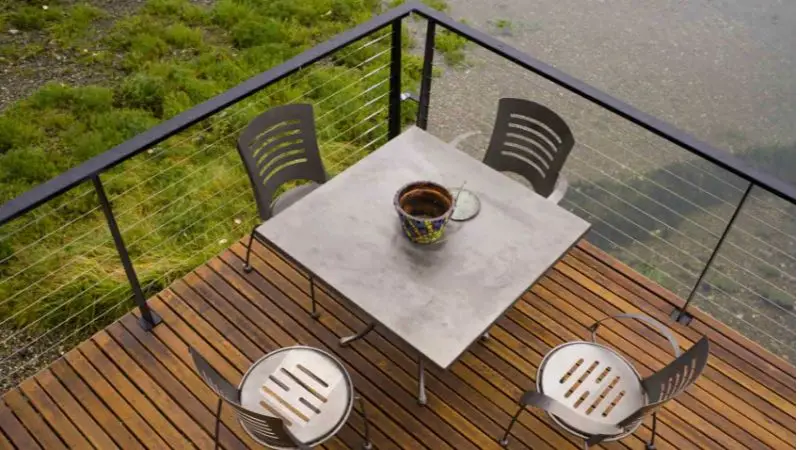
The installation method affects the total cost of deck railing, as well as the size of the material and the project. DIY installation can reduce labor costs, but you still need to buy tools and hardware. Professional installation costs more in advance; however, it can help to avoid installation errors and structural problems. Compare these options in order to determine the approach best suited to your budget, skills, and deck design.
DIY Deck Railing Installation Cost
Installing deck railings yourself can reduce labor costs if you have the right tools and basic DIY skills. And if you’re interested in the cost of deck railing itself, typical designs may cost around $ 15- $ 60 per linear foot for materials, depending on the type of rail. It corresponds to roughly 600 – 2,400 for 40 linear feet, plus tools that connect the elements and other supplies. If you already own a drill, level, tape, and saw, the additional costs may be lower. However, complying with local construction codes requires careful measurement and safe connections for complex layouts, stairs, and high decks.
Professional Deck Railing Installation Cost
Hiring a contractor is a good option if you have stairways, unique angles, or design problems on your deck. While high-grade glazing or special rails may cost much more, for many standard systems, the cost may be 25–100 per linear foot. For example, installing 40 linear feet at $50 a foot would add up to around $2,000. The final cost of deck railing is dependent on materials, wages, property, and any repairs that are required. Ask contractors for detailed estimates that separate materials, work, removal, and permits. This will make it easier to compare and understand quotes for what you pay.
Additional Tools, Fasteners, and Installation Expenses
Small items can add up and increase your railing budget, especially when you’re finishing the project yourself. To calculate how much it will cost to install a handrail on an existing deck, you must manage a small project with about 50–200 base trailers, clamps, drill bits, and other hardware. Simple purchase or rental of tools can add 50 – 250 or more if required. You may also be required to pay for permits, supplies, disposal, or minor repairs to the deck. These figures represent planned estimates rather than fixed rates. Before you start work, check the list of materials and local requirements to avoid unforeseen expenses.
How Can You Save Money on Deck Railing Costs?
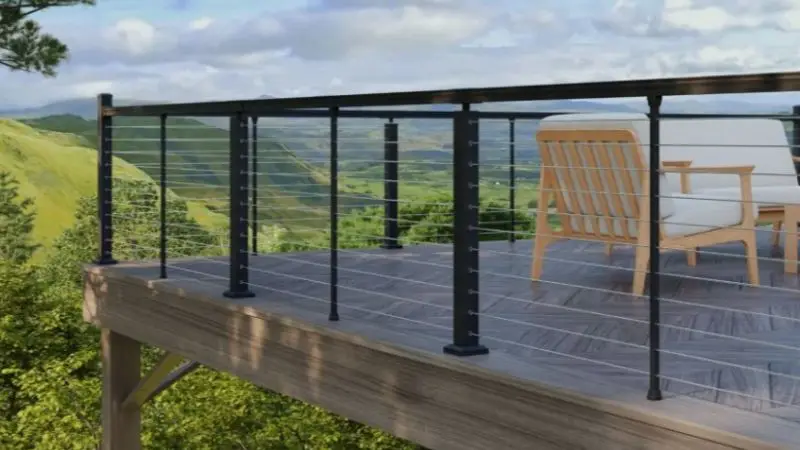
You do not necessarily need the most expensive railing system to secure a safe and appealing deck. Selection of the appropriate material, comparison of quotes, and careful planning of installation can help control your deck railing cost. It’s also worth checking if your existing posts and deck structure can safely be reused. The following tips can help to reduce your costs without affecting the quality or safety of the railings.
Choose Affordable and Durable Railing Materials
Choosing cost-effective materials is one of the easiest ways to manage your railing budget. Wooden materials may cost about 15-50 per linear foot, while vinyls vary between 20 and 60, and aluminium between 30 and 80 per linear foot for materials. Typical prices in place vary according to product and contractor. To understand how much a new deck railing costs, compare these estimates with the current local quotes and check if the installation is included. Wood often has a lower upfront cost but requires regular sealing or painting. Vinyl and aluminum may initially cost more, but tend to require less routine maintenance.
Compare Material Prices and Installation Quotes
Comparing multiple suppliers and contractors can help you find a suitable railing system at a reasonable price. Request at least three quotations and provide identical measurements, choice of material, height of the railing, and design requirements to each contractor. If you wish to estimate how much deck railings cost per linear foot, ask each supplier to separate material prices from the installation costs. For instance, a difference of US$10 per linear foot would save US$400 per 40-foot rail-link project. Check for your posts, brackets, confirmations, delivery, and cleaning, including quotes. The lowest quote isn’t always the best choice, as it may exclude important work or use lower-quality components.
Install Deck Railings Yourself or Hire a Professional?
DIY installation can save money on labor, but you should consider your experience and the deck’s complexity. A simple 40-foot project can cost 600 – 2,400 per material, excluding tools and other costs. A professional installation could cost around 1,000–4,000 or more, depending on material and labor costs. When comparing how much it costs to install deck railing, you take both the original price and the risk of error into account. DIY may be representative of the simple ground-level decks, whereas professional assistance may be needed to ensure installation safety and comply with codes for high-hull systems, stairs, and custom systems.
Maintain Existing Railings to Reduce Replacement Costs
Regular maintenance can increase the lifespan of your current railing posts and slow down the cost of a complete replacement. Wood railings may need to be sealed or painted every few years, while metal fasteners and connectors should be checked for corrosion or laxity. If you are considering the costs of replacing deck railings, do not forget that replacing an entire 40-foot system may cost about 1,000.4,000 for many standard installations, with premium systems costing more. Minor repairs can be much cheaper if the posts and essential structure remain sound. However, if your railing is no longer structurally safe, replace damaged or unstable sections and do not rely on cosmetic repairs immediately.
Wrap Up
Understanding deck railing cost helps to plan your project and to select materials that match your budget. Wood may offer a lower starting price, while aluminum, vinyl, composite, cable, and glass offer various benefits for durability, appearance, and maintenance. Your final cost depends on the railing’s length, design, labor, and any necessary repairs. Compare material prices and contractor quotes before making your decision. Whether you install the rail yourself or hire a professional, consider structural strength, local construction regulations, and your priorities. Careful planning will build a safe and attractive deck, without spending any more than it needs to.
FAQ
How Much Does It Cost to Install 50 Feet of Deck Railing?
The installation of 50 feet of deck railing costs 1,250-5,000 for standard systems, depending on materials, labor rates, complexity of design, and whether it is necessary to move or install structural repairs.
How Much Does It Cost to Install 100 Feet of Deck Railing?
Overall, deck railing can cost $2,500- $ 10,000 for 100 feet of standard systems. Premium glass, cable design, custom features, and extra repairs can increase the total amount.
What Is the Cheapest Material for Deck Railings?
Pressure-treated wood is often the cheapest material for deck railings, which amounts to about US$ 15-50 per foot. Prices vary according to location, quality of wood, and design.
Is Aluminum Deck Railing More Expensive Than Wood?
Yeah. Aluminum railings cost more to purchase, you know, than wood railings. But aluminum requires less routine maintenance, while wood frequently requires regular painting, colouring, or sealing.
Does Deck Railing Cost Include Installation?
Not always. Whereas installed estimates cover both, in general, only material prices exclude labor. Always check if quotations cover reinforcement, removal, delivery, permits, and repair equipment.
How Long Do Deck Railings Last?
The wooden railings can last 10 to 20 years and require related maintenance. Depending on quality, weather, and care, the while aluminum and composite systems can take 20-30 years or longer.