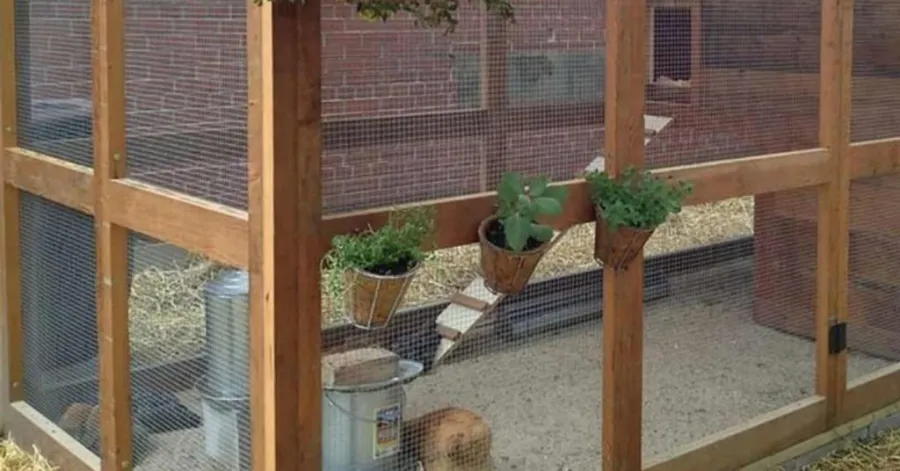
If you are unsure which gauge of hardware cloth is ideal for a chicken coop, choose 1/2-inch galvanized hardware cloth. To provide your hens with robust protection and long-lasting durability, it is essential to have a solid understanding of the hardware cloth diameter to use for the chicken coop. If you use the appropriate gauge of hardware cloth for your chicken coop, you can ensure that your flock is protected from potential predators. To ensure the safety of your chickens, cover every section of the chicken coop with hardware cloth.
In this article, we will discuss what gauge hardware cloth for chicken coop and why choosing the right one is important for your flock’s safety. If you are unsure which option to choose, 1/2-inch galvanized hardware cloth is widely recommended for strong protection and long-lasting durability.
What gauge hardware cloth is best for a chicken coop?
Understanding Hardware Cloth Gauge Sizes
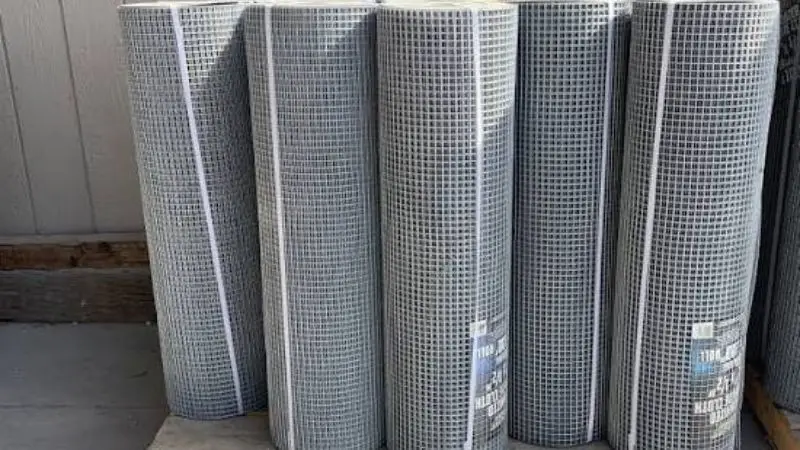
You must be aware that a gauge is a measure of the thickness of textile wires used in the best hardware cloth size to protect chickens from predators in the industry. A gauge value lower than average indicates the wire is thicker. A good example is that the thickness and strength of 16-gauge wire are superior to those of 19-gauge wire. It is possible to find hardware fabric for a chicken coop in gauge sizes 16, 19, or 23, which are the vast majority of the available options. To provide your chickens with greater safety, you should use stronger wire.
| Gauge Number | Wire Thickness | Security Level |
| 16 | Thickest | Maximum security |
| 19 | Standard | High security |
| 23 | Thinnest | Low security |
Why 19-Gauge Hardware Cloth Is the Most Popular Choice
What gauge wire for chicken coop roof and sides? For those who rear hens in their backyards, 19-gauge hardware cloth is the most frequent material because it is adaptable and long-lasting. It’s not too heavy or hard to manipulate and offers a terrific level of security for your coop. Simply cut it and place it on the item. The presence of this gauge efficiently prevents raccoons, rodents, and other predators from entering the area. Most individuals use 19-gauge hardware cloth for their windows, vents, and run enclosures in their chicken coops because it’s cheap, as it turns out.
When to Use 16-Gauge Hardware Cloth for Extra Security
What is the safest wire mesh for chicken coop flooring? To achieve the best possible level of safety, it is recommended that you use heavy-gauge hardware cloth, such as gauge 16. Predators will have a harder time bending or breaking this wire since it is more robust than other wire materials. If you are in an area populated by powerful predators such as coyotes or large dogs, an additional layer of security for your chickens is necessary. It is possible to use 16-gauge hardware cloth to construct the lower walls of your coop or the underground aprons. Another option is to utilize hardware cloth.
Tip: Use 16-gauge hardware cloth for the bottom two feet of your coop walls for the best protection.
Is 23-Gauge Hardware Cloth Strong Enough?
A chicken coop is not considered appropriate if it is made of 23-gauge hardware cloth. This is an eventuality to be avoided at all costs. Since this wire is so thin, it can be torn or nibbled on by animals that are dangerous to people. This is because the wire is thin. This is not enough protection if you wish to give your chickens the level of protection they need. You can go to the store and buy 23-gauge galvanized hardware cloth, but this material will not protect your flock. You’ll likely shop for this substance.
What Mesh Size Should You Use for a Chicken Coop?
Why 1/2-Inch Hardware Cloth Is Recommended
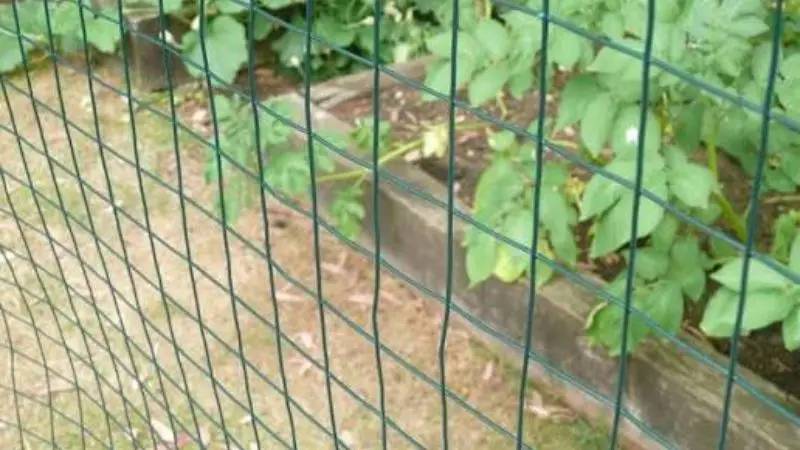
What hardware cloth should I use for chicken run? You should select half-inch-thick hardware cloth for your chicken housing. This mesh size offers the best compromise between air movement and security. Most predators can’t get their claws or snouts through half-inch holes. You will find that this size keeps your chicken from being damaged by raccoons, rats, and snakes. The half-inch hardware cloth is also more durable since it is less prone to bending or breaking. You can use it on the main walls of your coop, as well as on vents and windows.
Tip: Always attach hardware cloth tightly to the frame of your coop. Use screws and washers for the strongest hold.
When 1/4-Inch Hardware Cloth Makes Sense
You may choose to use quarter-inch hardware cloth, depending on the situation. If you have hens that are just one day old, or you live in a region where the best hardware cloth size to protect chickens from predators is available, this smaller mesh is a perfect solution for you. The 1/4-inch size is better than larger mesh as it is more effective at keeping rats and tiny snakes out of the area. This material has several possible uses, including constructing brooder boxes and adding extra protection to the lower parts of your coop.
- Use 1/4-inch mesh for:
- Brooder boxes
- Lower walls
- Areas with high rodent pressure
Problems With Larger Mesh Openings
If the openings in the mesh of the hardware cloth are more than half an inch, you generally shouldn’t use it. What gauge wire for chicken coop roof and sides? When the holes are rather big, it’s much easier for predators to break through the apertures and steal your chicken. Also, note that even the smallest creatures, like rats and weasels, can get into your coop through the large mesh cover. You can get netting about one or two inches in diameter in the market, but this does not afford any protection to your flock. Always double-check the mesh size before buying hardware cloth for your coop. Then you can buy.
| Mesh Size | Predator Protection | Airflow | Best Use |
| 1/4 inch | Highest | Low | Brooders, vents |
| 1/2 inch | High | Good | Coop walls, runs |
| 1 inch or more | Low | High | Not recommended |
Best Hardware Cloth for Different Parts of a Chicken Coop
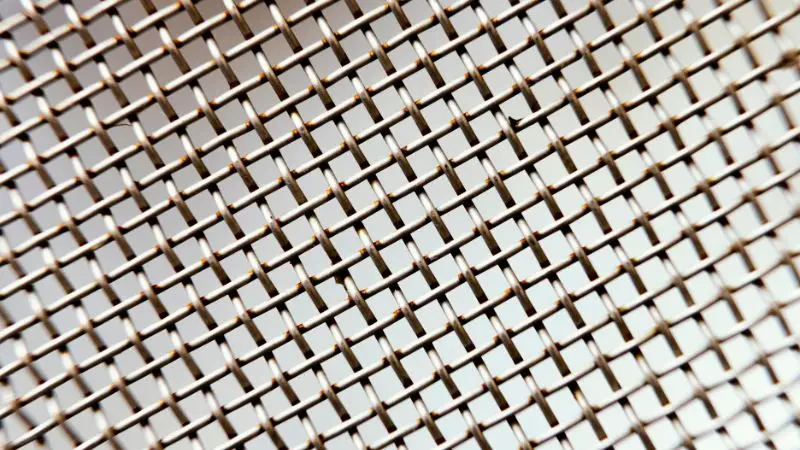
Coop Walls and Windows
You will need to buy hardware cloth to cover the walls and windows of your coop. What is the safest wire mesh for chicken coop flooring? Tough protection is provided by 19-gauge hardware cloth with a half-inch thickness. If it is this large, your bird will be safe from most pests. Make sure the hardware cloth is properly fastened to the frame before inserting it. Make sure they fit tightly, using screws and a washer. Check the hardware cloth periodically for any gaps or damage. If you find any weak spots, be proactive and remedy them to keep your coop secure.
Chicken Run Enclosures
It is the run that your chicken will spend time in when it is outside. For the sides and top of the run, you are required to use the best chicken coop wire mesh for fox protection. Choose a mesh size of half an inch for the optimal combination of ventilation and safety. It is possible to prevent raccoons, hawks, and other animals from entering the run by installing hardware cloth. Ensure that you cover every aspect of the run, including the door, from beginning to end. You must inspect the run regularly for any holes or loose patches.
- Use hardware cloth for:
- Run sides
- Run roof
- Run doors
Coop Ventilation Openings
Your chickens will benefit from access to airflow. It is a mandatory step to install hardware cloth over every vent. It is possible to use hardware cloth to seal the openings, preventing snakes and rodents from entering the construction. They can’t move in from here on out. If you want to protect yourself from small pests, installing quarter-inch-thick mesh can be advantageous.
Tip: Good ventilation with hardware cloth keeps your coop dry and your chicken comfortable.
Underground Predator Aprons
The ability to tunnel beneath your run or coop is a predator’s capability. What hardware cloth should I use for chicken run? You should consider using hardware cloth as an underground apron. This is something you should do. The hardware cloth should be laid flat on the ground before being covered with soil. Because of this, animals can’t dig their way inside the coop. You can give your chickens an additional layer of protection by using hardware cloth as an apron in your installation.
How Hardware Cloth Protects Chickens From Predators
Keeping Out Raccoons
What gauge wire for chicken coop roof and sides? If you want to keep raccoons out of your chicken, you will have to use hardware cloth. Raccoons have powerful paws and can tear apart the flimsiest wire. I suggest you cover every place in your coop and run that you can with hardware cloth. When you go to bed at night, lock all your doors and windows. Watch for any holes in the run, as raccoons often attempt to reach through them. You can stop raccoons from getting your chicken by using small-mesh hardware cloth. This stuff is here to help you fight savage beasts.
Stopping Rats and Mice
Both mice and rats can fit through rather small holes. What hardware cloth should I use for chicken run? You will need to cover your coop and run with small-mesh hardware cloth. This is a must-have. Seal up any vents and openings you see. You can use hardware cloth to keep these pests off the feed and bedding that you provide for your chickens. You may keep rats out of your home by taking precautions such as closing doors and windows at night. Look for evidence that you have been chewing on the run frequently. Hardware cloth lasts a very long time because it doesn’t corrode readily.
Protecting Against Foxes and Coyotes
Coyotes and foxes dig and bite. You will want to drape hardware cloth around the foundation of the best chicken coop wire mesh for fox protection and run to protect your chickens from larger predators. Lay a piece of hardware cloth flat on the ground to serve as a barrier. If it is properly secured, foxes and coyotes won’t be able to lift it. As for the lower walls of your run, hardware cloth is fine, but make sure it’s strong. This will help you keep your chicken safe from larger predators and defend yourself against them.
Preventing Snake Entry
What is the safest wire mesh for chicken coop flooring? Eggs and young chickens are important prey for snakes. It is recommended that you cover your run and coop with tight-mesh hardware cloth. Snakes are unable to squeeze through such narrow apertures. Hardware cloth should be used to cover all of the vents and gaps. After storms, you should look for gaps in the run. Because it prevents snakes from entering your coop, hardware cloth provides added peace of mind.
Tip: Inspect your hardware cloth every week to keep your run and coop safe for your chicken.
Conclusion
What gauge hardware cloth for chicken coop? To construct your coop, you will need to use hardware cloth with a half-inch mesh and 19-gauge wire. By selecting this alternative, you will not only be able to construct a secure coop for the chickens but also ensure their safety. Using hardware cloth protects your chickens from potential aggressors. Hardware cloth must be securely fastened over every entry in the coop. A safe chicken coop will provide you with with the peace of mind that you need to go through the day.
FAQ
What is the difference between hardware cloth and chicken wire?
You get stronger protection with hardware cloth. Chicken wire bends easily and does not stop predators. Always choose hardware cloth for your coop.
Can you paint or coat hardware cloth for extra durability?
You can spray hardware cloth with rust-resistant paint. This helps prevent rust and extends its life. Make sure the paint is safe for animals.
How do you cut hardware cloth safely?
Wear gloves and use wire cutters. Cut slowly to avoid sharp edges. You can file down rough spots for safety.