History has shown how badly severe cold weather affects human life. You have to survive without electricity and heat for many days. Bursting pipes can leave you without a water supply for days. Therefore, careful preparation is necessary before the season.
Learning how to prepare for extreme cold weather is necessary for everyone when you live in a region where they often face harsh weather. This guide covers 19 practical ways to stay safe, warm, and prepared with tools like shovels and kits for winter every year. Let’s begin to explore them!
Prepare your home before the extreme cold hits
Your first line of defence is your home during extreme cold weather. Early steps in preparation can prevent uncomfortable living situations and costly repairs. When learning how to prepare for extreme cold weather, your indoor environment strength comes first.
Taking small steps in heating and insulating makes a huge difference in safety.
Insulate exposed pipes
One of the major problems is exposed pipes in severe cold. When the temperature drops, water freezes and causes pipes to burst due to pressure.
To avoid this, use heat tapes or foam pipe insulation sleeves in areas like basements and garages. It is one of the most important freezing weather tips that every homeowner should follow.
Seal windows and door gaps
In winter, cold air enters the home with small spaces around windows and doors. Blocking these areas reduces drafts and keeps the indoor temperature stable.
You can use weather stripping and caulk to close leaks. Another thing is door sweep that can be helpful to seal cold air from entering underneath doors. These methods prepare for deep freeze to happen in extreme cold.
Check heating systems
Before the extreme winter arrives, get help from a professional inspection team for the heating system and furnace. Replace filters and make sure the vents are not blocked.
A proper functioning heating system is important when learning how to prepare for extreme cold weather.
Stock emergency heating supplies
Emergency heat sources are the primary ways to produce heat in the cold. Before winter arrives, check your backup options. Arrange extra blankets, thermal sleeping bags, and portable heaters for use. Don’t use outdoor grills or stoves inside the home as they produce harmful gases like carbon monoxide.
Prepare your vehicle for extreme temperatures
Besides the home, cars also face struggles in cold weather. You have to prepare your vehicle for the extreme cold safety. If you commute daily, you should know how to prepare for extreme cold weather.
Check antifreeze and fluids
Make sure you have enough antifreeze fluid for freezing conditions. Buy winter-grade things like brake fluid, windshield, and engine oil. Low temperature freezes fluids, so you have to be prepared for the condition.
Test the battery strength
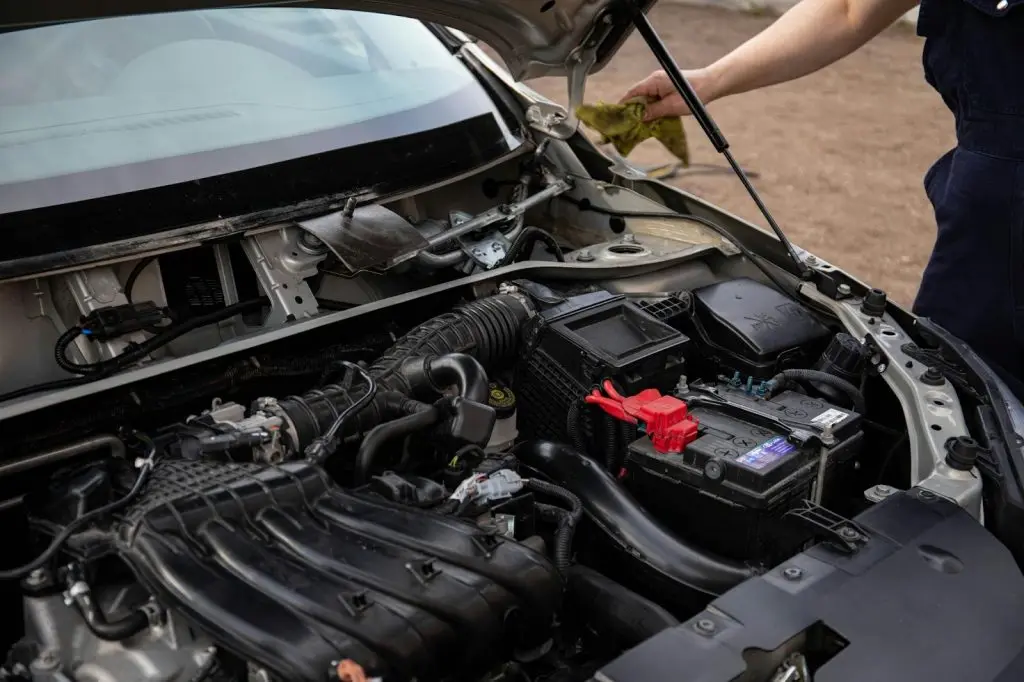
Cold weather reduces battery performance. If your battery is older than three years, it is required to replace it for better functioning. It can prevent inconvenient failures.
Install winter tyres if needed
Winter tyres are specified for snow and ice. Living in a region with extreme cold, you have to invest in this worthwhile investment.
Keep an emergency car kit
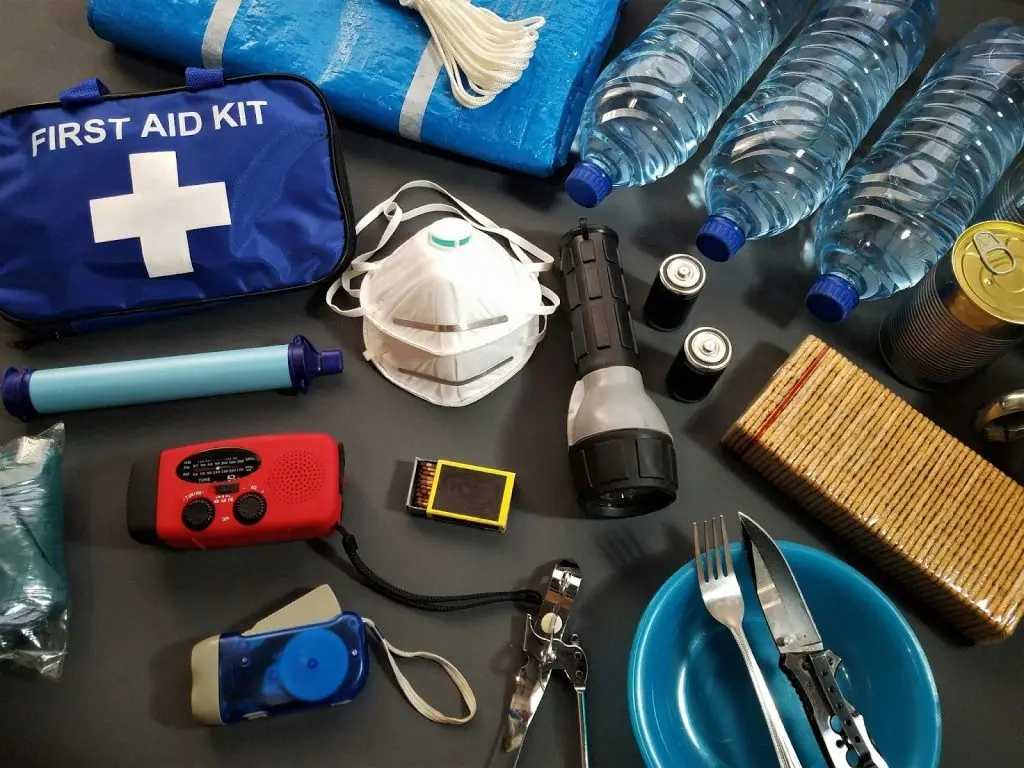
You should have an emergency car kit including blankets, bottled water, snacks, a flashlight, a snow shovel, and a first-aid kit. This preparation is necessary to avoid any troubles in serious conditions.
Prepare your body and clothing
As you protect your home, you should also cover your body for cold temperatures. Layer yourself with extra clothes with thick fabric and insulation. Practising extreme cold begins with covering yourself with extra layers. This is how you learn how to prepare for cold weather.
Choose proper layering
Instead of one thick coat, wear multiple layers. First, wear moisture-absorbing fabric and add insulating layers. Wear a waterproof external shell to avoid moisture and cold.
Layering helps in tracing body heat and allows flexibility with comfort.
Protect extremities from frostbite
Your hands, feet, nose, and ears are mostly at risk in cold weather. To protect them, use gloves, thick socks, scarves, mufflers, and hats.
Keeping your extremities covered is essential in learning how to prepare for extreme cold weather in an effective way.
Keep emergency outdoor gear ready
If you commute outside, keep emergency gear like traction cleats for boots, hand warmers, and reflective clothing. Preparing for a change in weather makes you confident and less stressful in harsh weather.
Prepare for power outages
Too much cold can overload power grids and cause failures. If you plan ahead for these situations, it keeps you safe for long breakouts.
For knowing how to prepare for extreme cold weather, you should have a strong backup system.
Store food and water
You should store non-perishable food items like canned food, protein bars, dried fruit, and nuts. They become the primary source of nutrients in an emergency. Store at least one gallon for each person in the family. You don’t know how many days it will take to restore the power system.
Keep backup lighting ready
Without light you can not see in the dark. For emergencies, you should have battery-powered lanterns or flashlights that can be charged. Keep these tools in access so you can get it whenever you need. Proper lighting reduces risks of accidents in the dark.
Plan alternative heat sources
There are portable propane heaters designed for indoor use. Wood burning stoves can also provide backup warmth in the cold.
Follow the manufacturer’s guidelines to prevent fire hazards and harmful gases.
Maintain communication options
Charge your mobile phones and keep power banks in reachable points so you can communicate easily on difficult days. Communication is essential when planning how to prepare for extreme cold weather.
Prepare for daily life disruptions
You face troubles in daily life, like getting stuck on the roads, delayed devices, and distractions. If you become proactive, it helps reduce stress during such emergencies.
Plan safe travel routes
Whenever you want to travel, check road conditions before going. Always find alternative routes if the roads are blocked. It is better to avoid unnecessary trips in harsh weather.
Limit outdoor exposure
Avoid prolonged exposure to cold weather as it can lead to hypothermia. Take short routes when you need to go out and avoid outdoor activities. Better to stay indoors as limiting exposure is a good choice for safety in extreme cold.
Monitor weather alerts
Stay updated through weather apps, local news, and alerts. Keeping track of alerts ensures when to take necessary precautions.
Check on family and neighbours
Old people, children, and ill persons are more at risk of catching a cold. Checking on these and taking care can control the spread of the disease.
FAQs
What temperature is considered extreme cold?
Generally, extreme cold refers to temperatures below freezing points ranging from 0° to -18°C in most regions. But the temperature can be worse if there are cold winds. Chances of risks are also there.
How do I prevent frozen pipes?
Keep indoor temperatures warm, allow faucets to drip, and insulate exposed pipe during harsh weather. These tips are essential to maintain water flow in freezing temperatures.
What should be in a winter emergency kit?
You should have warm clothes, blankets, flashlights, batteries, a first-aid kit, and communication tools with you in the emergency kit. These things are necessary for preparing you early.
How long can you safely stay outside in extreme cold?
If the weather is too chill and windy, frostbite can occur within minutes. It is better to avoid unnecessary outdoor activities. Cover yourself properly to avoid getting cold.
Conclusion
Winter is a wonderful time to chill, but if the weather is extreme, it requires special care and preparations. Learning how to prepare for extreme cold weather protects your home, family, vehicle, and above all, your health.
Whether it is insulating pipes or arranging emergency kits, every tip is important for safety. Follow these strategies to avoid stress when understanding how to prepare for extreme cold weather properly and stay protected in winter.