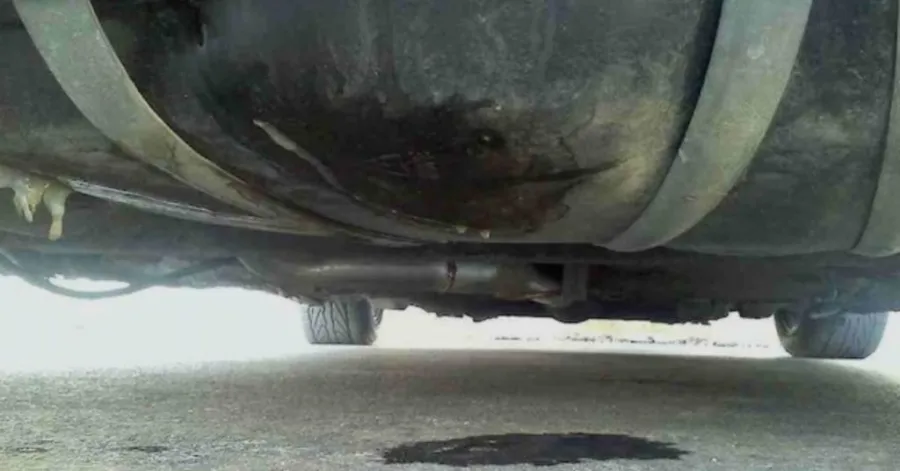
Water in the fuel tank symptoms are easy to notice, provided you are attentive to your car’s behavior. The typical red flags consist of rough idling, engine misfires, hard starting, white smoke in the exhaust, and sudden loss of power. These issues tend to manifest as mixing of water with fuel and interference with normal engine operation. These initial changes should not be overlooked since they are good indicators of fuel contamination. If you notice water in the fuel tank, take immediate action. Modern fuel storage tanks, including those from VEVOR, are designed to minimize contamination risks and improve fuel safety.
Water in Fuel Tank Symptoms and What They Mean
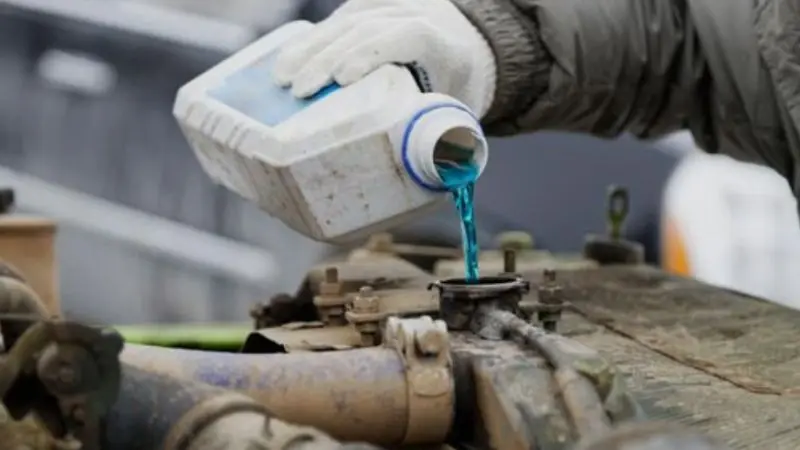
Once water enters your fuel system, it can subtly interfere with your car’s operation. These transformations are usually modest but can be felt over time. Knowing these early warning signs will help you prevent more serious engine issues. Such problems are overlooked by many drivers since they appear as normal wear and tear. The symptoms of water in the fuel tank and the warning signs can teach you to take early measures and save your car.
Rough Idle and Stalling Problems
When your car is stopped, water in the fuel may cause your engine to run erratically. When waiting at traffic lights or when you are parked and you leave the engine running, you may experience shaking or vibration. This occurs due to the lack of smooth combustion of fuel within the engine. Rough idling, which does not feel normal to normal driving, is one of the most prevalent symptoms of water in the fuel tank in cars.
The engine can also start switching off at any moment. Even when the car was functioning well immediately before, this stalling can occur. Water disrupts the normal burning of fuel, thereby rendering the engine unstable. Other things you may observe include weird engine noises or poor, irregular rhythm during idling. These are vivid initial indications of water pollution in the fuel system, which cannot be overlooked, as it tends to deteriorate with time.
Engine Misfires and Weak Power
Misfires occur when the engine does not burn the fuel well because of water interference. This may cause the car to jerk or stutter when you step on the accelerator. The engine cannot only be unsteady but also weak instead of smooth in its driving. The problems are typical in attempting to comprehend what occurs when water enters the fuel tank.
You can also experience sudden power loss when driving, particularly when accelerating. The vehicle may have problems accelerating or reacting slowly to your actions. You can also hear popping or other strange engine sounds in certain circumstances. These indications indicate that the fuel mixture is not functioning properly, and the engine cannot sustain normal operation.
Hard Starting Issues
Fuel system water can cause your car to not start easily. You might see the engine taking a little longer time to start than normal. In other cases, the car will not start initially despite other things appearing to be okay.
This problem is usually pronounced in the morning or when the car is not used after long durations. This is due to the fact that water decreases the ignition capacity of the fuel. If you are trying to figure out how to tell if there is water in your fuel tank, repeated starting trouble is one of the most important signs to look for.
White Smoke from Exhaust
White smoke or steam in the exhaust is another obvious warning. This normally manifests itself when there is burning of water and fuel in the engine. The smoke can be perceived as heavier than regular exhaust, and it may be seen immediately after turning on the car.
This tends to be one of the more noticeable water in the fuel tank symptoms, as it becomes easy to detect under comparison to other problems. The exhaust can also have a distinct smell as compared to normal. This is because combustion is influenced, leading to incomplete combustion of the fuel.
Sudden Loss of Power
The pollution of water may result in unforeseen alterations in your car’s performance on the road. You can experience the car slowing down or being less responsive with no apparent cause. Acceleration can be felt poorly, and the engine can not easily ensure a smooth movement.
This is among the major indications of water contamination in the fuel system, particularly when it occurs with other symptoms. There is a feeling of a heavy or unstable car while driving. The changes tend to come and go, and the problem is difficult to detect initially, but they tend to worsen unless they are dealt with.
Causes of Water in the Fuel Tank
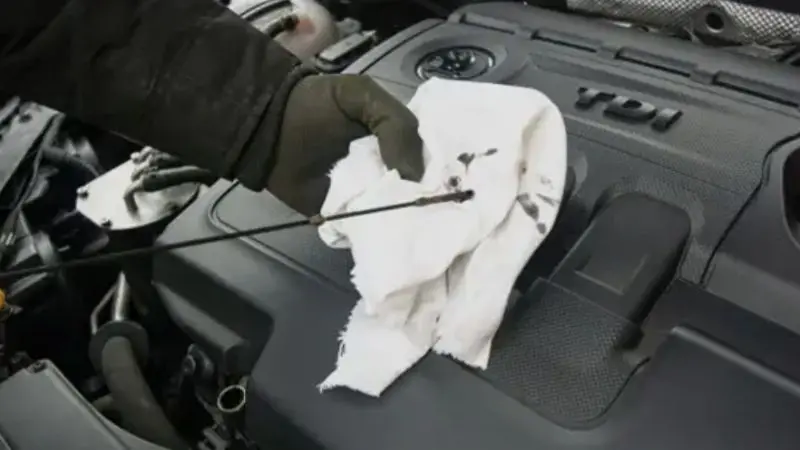
There are a few easy yet serious ways water can get into your fuel system. When it combines with fuel, it will have a performance impact on the engine, and it may cause expensive damage. Knowledge of these causes will enable you to avoid problems even before they begin. Most drivers diagnose issues when they start showing symptoms, but it is better to be in control of the origin of the issue. Learning the reasons behind what happens when water gets into the fuel tank is the first step toward avoiding contamination.
Moisture Build-Up from Condensation
One of the most common methods through which water gets into a fuel tank is through condensation. It occurs when hot air in the tank cools and condenses into moisture. This moisture accumulates with time and gradually combines with the fuel. This will occur more when the car is parked for a long time or is not in use with regular frequency.
This can be enhanced by cold nights and changing weather conditions. It might be hard to see at first, but even small quantities of water can accumulate over time and compromise the quality of fuel. This is why drivers sometimes experience water in the fuel tank symptoms even without obvious external damage. The fuller the fuel tank, the less empty space that allows the formation of condensation, thus decreasing the likelihood of water contaminating the fuel.
Loose or Damaged Fuel Cap
A loose or damaged fuel cap may also allow rainwater to enter the tank. A little hole suffices for water to gradually creep in. Most individuals fail to notice this minor detail, yet it is a significant aspect of closing the fuel system in a proper way.
When the cap is not tightened properly after fueling, it may form a hole to be filled with water. Worn-out rubber seals or cracks also decrease protection and risk of fuel system problems. This can later lead to signs of water contamination in the fuel system, especially if water mixes repeatedly with fuel. It is always a good idea to check the fuel cap and make sure that it is sealed tightly, as this will help keep the engine out of unnecessary trouble due to outside moisture seeping into the tank.
Poor Quality or Contaminated Fuel
The problem begins sometimes even before you get to put fuel into your car. In case of improper maintenance of fuel storage tanks at a station, water may be mixed with gasoline. When you fill up on such fuel, you fill up on dirty fuel in your tank.
This will more probably occur at untrustworthy or unkept fuel stations. There is a possibility that water is already in an underground storage tank, but is not visible at the pump. In the long run, this causes the symptoms of water in the fuel tank in cars, particularly when the contaminated fuel is used more than once. To reduce the risk of contamination, many users rely on high-quality fuel storage tanks that feature secure sealing and filtration to keep fuel clean.
@jeromy_henson_bfss VEVOR 116 GALLON PORTABLE FUEL TRANSFER TANK WITH PUMP, HOSE AND NOZZLE, FOLDABLE LID WITH LOCK, 10 GPM PUMP, 12V, 13.1′ RUBBER HOSE, FILTER AND HOUSING. #fueltank #draguptank #tank #dieseltank #fueltanks #pump #hose #nozzle #tanks #fyp #viral #tiktok #fypage #fypシ゚viral #vevorproducts #portable #vevordieseltank #dieseltanks #fuel #fillingup #mademyyear #ttsdelightnow #giftguide #spotlightfinds #treasurefinds #christmassale #christmassales #christmasdeals #savings #look #tiktokshoplastchance #watch #tiktokshopnewyearnewaura #tiktokshop #tiktokshopping #trending2024 #viralvideos #onsale #flashsale #giftideas #giftidea #tiktokshopfinds #tiktokmademebuyit #foryou #foryoupage #trending #wow #tiktokmademedoit #getyours #today #tiktokfinds #tiktokfind #tiktokviral #tiktokviralvideo #tiktokviraltrending #ttsacl @Vevor_US @HAIDEE_Vevor @vevor shop
♬ original sound – JEROMY HENSON-BFSS☑️
Warning Signs You Should Never Ignore
Certain fuel issues are critical within a short time when not addressed in time. Fuel system water interferes with your engine’s combustion process, resulting in inconsistent performance and potentially causing failures. These problems are also mostly associated with the symptoms of water in the fuel tank, and they need to be treated seriously as they manifest. Knowing how to tell whether you have water in your fuel tank can save you expensive repairs and unsafe driving experiences.
Sputtering and Jerking During Acceleration
When water is mixed with fuel, engines are not able to burn it well, particularly when you press the accelerator. This results in disproportional power transmission and unstable driving of the car. You can also find that the car starts to jerk or have brief hesitation as it accelerates. These changes often point to signs of water contamination in the fuel system.
You may also have:
- Acceleration with a sudden loss of power.
- Vibration or shaking whilst driving.
- Sudden decreases in speed.
- Abnormal engine sounds when moving.
These symptoms normally imply that the fuel is not igniting properly. This is one of the initial signs of water in the fuel tank in cars, in most instances, and it is likely to become increasingly problematic when left unattended.
Engine Stalling or Sudden Shutdown
The presence of water in the fuel may cut off the flow of the fuel and cause the engine to stop functioning suddenly. This may occur when idling, driving slowly, or even at increased speeds. It is among the more risky impacts of fuel contamination, as it may cause you to be stuck.
Common signs include:
- Switching off the engine while driving.
- Strain in relocating following stalling.
- Frequent closures within a short time.
- Power is lost prior to the engine halting.
All these problems are directly related to the situation in which water enters the fuel tank, causing combustion to become unstable. When the engine continues to stall, it indicates that the fuel system is not functioning well and requires urgent maintenance.
Check Engine Light Warning
The check engine light is a warning to your car that something is wrong with it, including contamination of the fuel. This warning is activated when irregular engine behavior is detected by sensors when water interacts with combustion. It can remain on sometimes, and it can flash in cases of misfires.
Take note in case you observe:
- Sudden turning on of the check engine light.
- Flashing on the light when driving or accelerating.
- Cautionary illumination and jolting motor action.
- Reduced fuel efficiency, along with the warning
It is usually among the most evident indicators of water contamination in the fuel system, particularly in combination with other symptoms. Should you be attempting to know how to know whether there is water in your fuel tank, then this warning light is a good indicator that there is something amiss and should not be overlooked.
How to Check if There Is Water in Your Fuel
Early confirmation of fuel contamination will ensure that you do not incur severe damage to the engine. Most symptoms of water in the fuel tank are puzzling initially, and simple tests will allow you to realize what is truly going on. It is important to know how to tell if you have water in your fuel tank so that you have a clear picture of the situation before it deteriorates. These tests are also useful in detecting indicators of water contamination in the fuel system before they become an expensive fix.
Simple Checks You Can Do at Home
A simple test can be done at home to determine whether there is a mixture of water and fuel. Water is a heavier substance than fuel, and thus it tends to be at the bottom. This facilitates separation, provided you test it carefully.
You may attempt such an approach:
- Use a clean and clear glass jar.
- Take a little sample of fuel out of your tank.
- Allow to rest for a few minutes without shaking.
- Look for separation or layers at the bottom
In case water exists, you will be able to observe the clear layer on the bottom of the fuel. The fuel can also, at times, appear cloudy or be a bit odd in appearance. These are the initial signs of water in the fuel tank in automobiles. In other instances, a fuel testing paste may also be utilized that will change its color once it comes in contact with water.
Using proper containers and storage equipment, such as portable tanks, can also help prevent further contamination during testing and handling.
How Mechanics Confirm the Problem
In case you are not certain about the results, you can have a mechanic conduct more precise tests. Professional diagnostics is more valid since it involves appropriate tools that are aimed at identifying water and fuel problems within the system.
A mechanic may:
- Check and test fuel samples of water.
- Identify contamination using electronic sensors.
- Display engine error codes.
- Examine fuel lines and check fuel injectors.
These devices can be used to validate fuel tank water indications and indicate whether the engine has already been compromised. Mechanics will also be able to detect latent damage not seen on superficial checks. This is particularly crucial when the performance problems begin or become more severe with time.
What to Do Right Away if Water Is in Fuel
Once your fuel system is exposed to water, it may take you very little time to salvage your engine. These issues are commonly associated with the water in the fuel tank symptoms and can escalate further when you continue driving. It is essential to know what will transpire when water gets into the fuel tank to enable you to react accordingly before the problem gets out of control.
Stop Driving the Car Immediately
The most crucial thing to do is to cease driving the moment you observe some abnormal engine behavior. Fuel containing water may disrupt combustion and result in misfires, stalling, or intermittent loss of power. Driving further may exacerbate the damage.
You should:
- Safety turn off the engine.
- Do not restart the car over and over again.
- Park in a secure area that is not in traffic.
- Seek assistance in case of non-functioning of the car.
These measures will minimize the indicators of water contamination in the fuel system as well as ensure that your engine is not damaged any further. Early termination can mean the difference between minor and serious repairs.
How to Remove Water from Fuel
When the issue is detected early, you can rectify it by removing the contaminated fuel. The idea is to convert the dirty fuel into clean fuel so the engine can resume functioning.
These are the steps you can follow:
- Empty out the fuel tank.
- Test the separated water in the removed fuel.
- Add fresh, clean fuel to the tank.
- Add a water remover to the fuel.
- Change the fuel filter when it appears dirty or wet.
- Wash injectors when performance problems persist.
When removing contaminated fuel, using a reliable fuel transfer solution can make the process safer and more efficient. Portable fuel tanks are designed to help handle fuel properly, reducing the risk of contamination and making fuel storage more secure.
When You Need a Mechanic
In some cases, the problem may be too severe to repair at home. In case the car is still not good after cleaning or refueling, then seek professional assistance. Mechanics possess the necessary tools to completely clean the fuel system and to verify whether there is any hidden damage.
You are to go to a mechanic when:
- The engine still misfires or stalls after cleaning.
- The car does not start even with new fuel.
- Problems in performance continue to recur.
- Red flags never disappear.
This is particularly crucial in the case of persistent symptoms of water in the fuel tank, since neglect may cause permanent damage to the engine.
Wrap Up
Fuel water can silently ruin your engine when not subsequently noticed. Being aware of the symptoms of water in the fuel tank helps you to take action before the situation gets out of hand. These warning signals can be harsh, such as idling and misfiring, stalling and loss of power, and should never be overlooked. Proper maintenance, fuel caps, and reliable sources of fuel minimize the chances of contamination. Check your fuel system immediately if you notice something is something wrong with the engine. Timely maintenance not only secures your engine but also saves you on repair bills and ensures your car is smoothly and safely on the road.
FAQ
What would the consequences be of driving with water in your tank?
You might damage your engine. Water prevents the burning of fuel. Your engine may stutter or go dead. This can be an expensive thing to repair when you take too long to do it. Always check the indicators and repair the issue as soon as possible.
Is there any possibility that water in the fuel tank will cause permanent damage to the engine?
Yes, water may cause rust and corrosion in the engine. These issues cause components to be weak over time. In case it becomes really bad, you may need a new engine. Prevent water intrusion into your car to keep it dry.
What do you do to take out the water in your fuel tank?
A siphon pump can be used to remove the fuel. Fill the tank with fresh gas once it is drained. Add a special additive to eliminate water. Replace the fuel filter. Your car is not working; seek the assistance of a mechanic.