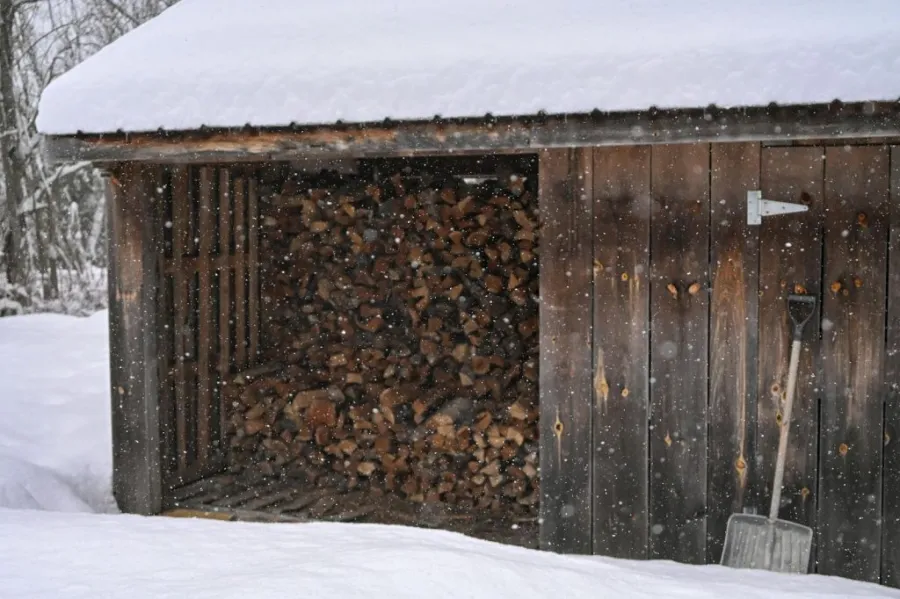
A strong and well-built shed is a sturdy structure of your outdoor but winter is a tough time for outdoor structures, especially when it comes to your garden shed. Dropped temperature, heavy snow, and moisture can be destructive if ignored for a long time.
Proper winter shed maintenance can not be postponed, and a little effort, whether it may be clearing up the snow with a shovel, can save your expenditure for years. If you want to protect your equipment, tools, and storage space, this guide will help you through everything in easy steps. Let’s make your shed experience winter without stress!
Common winter shed issues to watch for
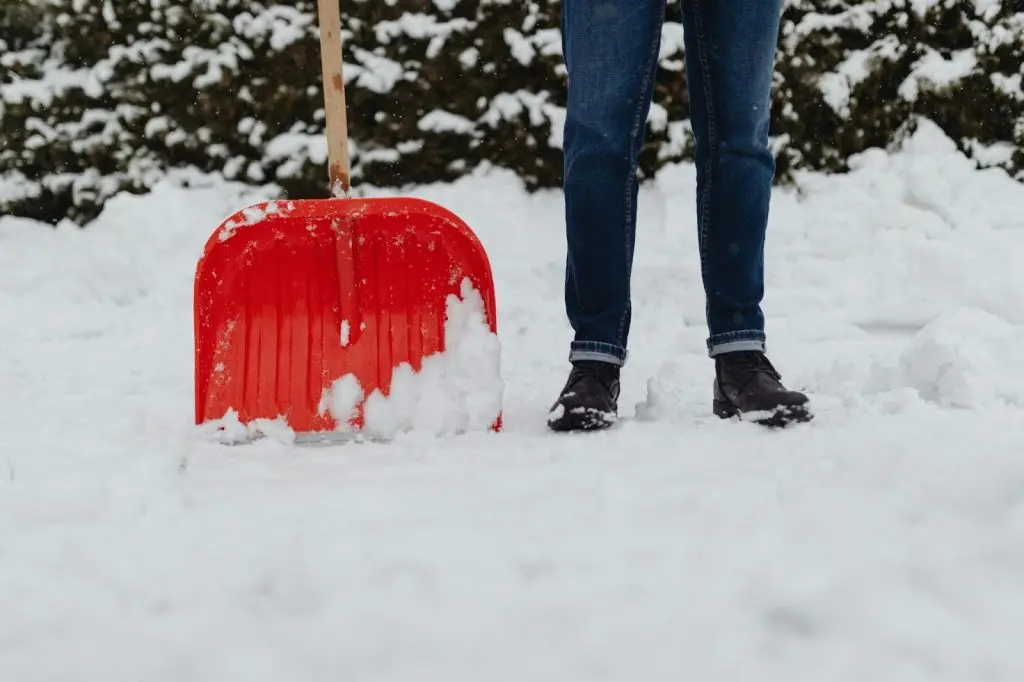
Before diving into the details of winter shed maintenance, it is important to highlight the common problems that winter brings. Acknowledging these problems makes prevention simpler.
Mold and dampness
One of the frustrating problems is the growth of mold due to cold air mixed with trapped moisture. It creates a suitable environment for its growth. Damp floors and walls can be dangerous for wood and can damage your expensive items.
With time, mold starts smelling bad and can also ruin tools and boxes. This is the reason why moisture control is important for good winter shed maintenance.
Frozen door mechanisms
You often find it challenging to face stiff locks, hinges, and handles in cold weather. It happens due to metal contraction. Sometimes, you might struggle to open the shed when you need it. Proper lubrication is a necessary step to avoid this problem.
Snow weight on the roof
Heavy snowfall accumulates piles of snow on your roof that can put serious pressure on the shed roof. Flat or low-pitched roofs can be at risk in these situations.
Excessive weight can cause the roof to sag or even lead to collapse. Remove snow regularly with shovel for winter shed maintenance.
Rodent intrusion
In winter, rodents move to warmer places for shelter, and your shed is an accessible target for them.
They enter through small gaps quietly and make your shed their home. You need to seal the entry points during winter shed maintenance to protect your assets.
Step-by-step: how to maintain your shed in winter
After understanding the problems, let’s move to the practical steps that will make winter shed maintenance effective and manageable.
Step 1: Inspect the roof and structure
Check the roof carefully and inspect for cracked shingles, loose panels, or soft areas. Minor damage can let water seep inside. Fix these issues immediately before snowfall begins.
After that, inspect the walls and foundation and check for signs of warping and structural weakness. Solid structure is the foundation of good winter shed maintenance. If you ignore it, you will face serious problems later.
Step 2: Seal gaps and entry points
Check corners, window edges, and joints for openings through small cracks, as they can welcome pests. To avoid them, use weather stripping around doors, waterproof sealant, or caulk to close gaps.
This step is one of the smartest winter shed maintenance tasks and is also necessary for pest control and keeping the environment warm.
Step 3: Improve ventilation
Ventilation is necessary to avoid moisture retention that can lead to mold production. Complete sealing is not the solution for this problem. Airflow is also crucial, therefore, installing small vents or moisture absorbers works best for a balanced airflow. This makes winter shed maintenance balanced.

Step 4: Elevate stored items off the floor
Wooden and concrete floors tend to absorb moisture. The items that are placed directly on them may become damp. Avoid direct contact with the floor and install shelves or pallets to lift tools and boxes. This creates airflow underneath and prevents mold growth.
Keeping items elevated is an easy winter shed maintenance practice that protects your belongings from moisture absorption.
Step 5: Protect tools from moisture
One important thing is to protect your metal tools from risks in winter. Metal tools are at high risk in winter because they can rust rapidly.
To avoid rust, you have to apply a coat of oil on metal surfaces and store tools in dry containers or toolboxes. Silica gel packs help to absorb moisture. Protecting your tools is crucial for winter shed maintenance.
Step 6: Check doors and hinges
One of the common problems is stuck door hinges in winters. This is due to a temperature change that causes misalignment.
Lubricate hinges and tighten loose screws to allow them function properly. If you want to prevent locks from freezing, use silicon spray. A feasible operation door makes winter shed maintenance easy throughout the weather, and it is also important for winter storm safety.
Step 7: Clear snow buildup around the shed
Snow starts gathering on the roof and base in the cold season. Excess snow absorbs moisture against the walls, and it increases the risk of rot and dampness.
Regular clearing of snow from the shed protects its structure. Clearing pathways prevents damage, and consistent clearing completes your winter shed maintenance routine.
Tips to keep your shed in good condition all winter
Regular inspection of your shed is necessary after heavy snowfall. Follow these practical tips to maintain it in good condition:
- Use a dehumidifier if electricity is available or you can use moisture absorbents as well. Controlling moisture is necessary in winter shed maintenance.
- Avoid storing cardboard directly inside the shed because it absorbs moisture and attracts pests.
- Basic insulation is necessary to maintain stable internal temperatures if you use the shed regularly.
- Apply waterproof treatment to wooden sheds every year to strengthen protection against winter.
- Keep tools dry and organised. Removing clutter can reduce the chances of moisture absorption and improve airflow.
These shed care tips are helpful for home winterization. Protecting every outdoor area is crucial for the overall safety of the property.
FAQs
Can snow damage a shed roof?
Yes, heavy snow can cause damage, especially for flat roofs. Piling up of snow increases the pressure and can cause collapse. Therefore, regular roof checks are vital in winter shed maintenance.
Should I insulate my shed for winter?
If you are a regular user of a shed, insulation can help you protect sensitive tools and reduce temperature fluctuations. Along with this, ventilation is also necessary. A balanced insulation supports effective winter shed maintenance.
How do I stop moisture buildup?
First of all, ensure good airflow. Install small vents and do not seal everything tightly. Use of moisture absorbents is the second important thing for winter shed maintenance.
Is it safe to store tools outside in winter?
Yes, but precious tools need protection. Moisture and freezing conditions can cause harm to metals. To save them, keep them in dry containers and lubricate them with protective oil. Proper winter shed maintenance keeps them in working condition for years.
Conclusion
Winter is a tough time for maintenance, but preparation and a little care can make all the difference. Ignoring your shed during this time leads to damage and costly repairs. Your shed is a part of your home’s security system, and shed care matters, too.Follow this guide for winter shed maintenance with simple and practical tips. Small acts of care can protect your belongings in the long run. For more informative tips and techniques, read our articles on portable gas grills for outdoor cooking, safety tips for winter car camping, how to clean a swimming pool in easy steps, and how to select the best outdoor kitchen design for your backyard.