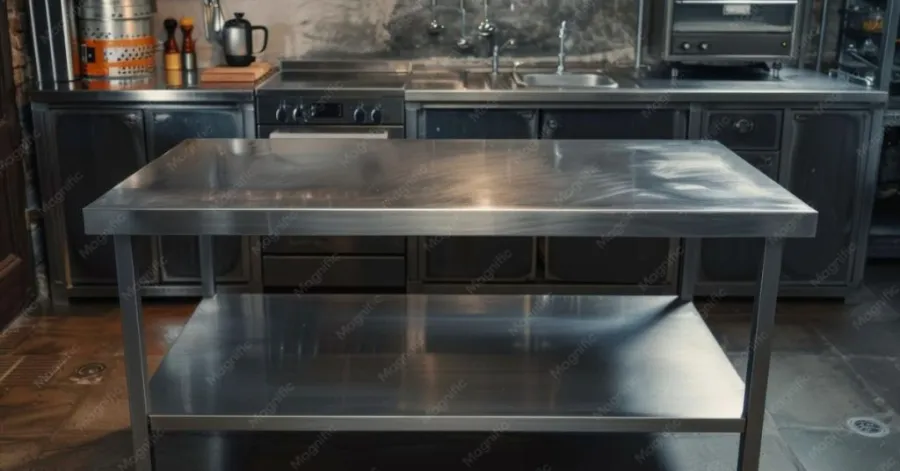
To keep your kitchen safe, you should wash your S/S food-prep table daily. Clean stainless steel food-prep table with gentle cleaners and soft cloths. To avoid scratching your stainless steel food preparation table, wipe it with the grain. Regularly clean and sanitize your stainless-steel food preparation table. Regular cleaning helps to keep your stainless steel food preparation table safe and clean. Good care will prevent the buildup of bacteria, grease, stains, and rust, which can cause equipment performance problems. If you follow the proper cleaning techniques, you can have a clean and professional work environment. This routine maintenance also helps you keep your stainless steel table in good condition longer, thereby saving you from expensive repairs and replacements. This guide provides best practices for cleaning, sanitizing, and maintaining stainless steel food preparation tables to ensure their long-term hygiene and durability.
- Why Proper Maintenance of Stainless Steel Tables Matters
- Daily Cleaning Routine for Stainless Steel Food Prep Tables
- Deep Cleaning Methods for Stainless Steel Tables
- What to Avoid When Cleaning Stainless Steel Surfaces
- Best Practices for Maintaining Stainless Steel Food Prep Tables
- How to Properly Sanitize a Stainless Steel Food Prep Table
- Professional Maintenance vs DIY Cleaning Care for Prep Table
Why Proper Maintenance of Stainless Steel Tables Matters
Stainless steel tables require proper maintenance to maintain the commercial kitchen’s hygiene and food safety. Cleaning is a routine practice that removes germs, dirt, and bacteria. This also helps keep the table from rusting, staining, or developing surface damage, making it last longer and look better. Businesses can establish a safer food-preparation environment by implementing a routine cleaning and maintenance program.
Importance of hygiene in commercial kitchens
Your job is one of those that’s occupied in a busy kitchen. Wash food surfaces to ensure food safety. Daily prepping-table cleaning eliminates germs and dirt. There are several times when food comes into contact with the prep table during prep. Bacteria can develop if you do not clean. By maintaining a clean table, you’re protecting your customers and coworkers from the dangers of eating contaminated food. Prioritize hygiene and safety with an NSF-certified stainless steel food prep table. The stainless steel food preparation tables are made keeping hygiene in mind. They have a smooth, nonporous surface, which means they do not absorb liquids, food particles, or bacteria. This makes them much easier to clean and sanitize than many other materials. Having a clean stainless steel surface for cooking greatly reduces the risk of food spoiling.
Preventing cross-contamination and food safety risks
Cross-contamination occurs when germs are transferred from one food to another. Cross-contamination can be avoided by cleaning your prep table after every use. Have separate utensils for raw meat and vegetables. Use a clean cloth to wipe the stainless steel prep table, shelves, and backsplash. Wash your hands before handling the prep table. To ensure food safety, cross-contamination must be avoided. When you don’t clean your prep table, you risk spreading germs. Food poisoning can be spread by cross-contamination. You prevent cross-contamination to protect all those in the kitchen.
Steps to prevent cross-contamination:
- Wipe down the prep table after each prep task.
- Have separate cutting boards for each food group.
- Clean the stainless steel work surface regularly.
Extending the lifespan of stainless steel equipment
If you keep your prep table in good condition, it will remain strong. Rust and stains are prevented by cleaning your stainless steel food prep table. You maintain the smoothness and shine of your table. If you don’t maintain your table, it can become dull or damaged. A well-maintained pretable will last longer. The stainless steel food prep table is an investment in savings. A well-maintained table makes your kitchen look more professional. A longer lifespan also equates to improved sustainability. The fewer resources that are required to replace the equipment, the longer the equipment lasts. This helps to minimize waste and promote sustainable business operations. Stainless steel food preparation tables are not only efficient but also far more sustainable in the long run.
Daily Cleaning Routine for Stainless Steel Food Prep Tables
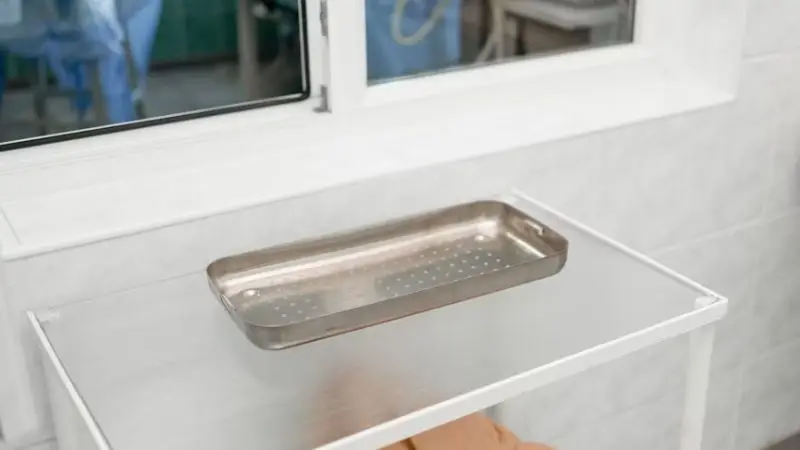
Stainless steel food prep tables require daily cleaning to remain sanitary and ready for food preparation. Wash or remove food debris, wash and sanitize after use, using warm water and mild detergent. Special anti-scratch microfibre towels and food-proof cleaning wipes prevent scratching. Proper, thorough cleaning will ensure there are no watermarks and that the table remains shiny after it’s dry.
Step-by-step daily cleaning process
Therefore, it is important to have a daily cleaning ritual to ensure your small kitchen’s affordable stainless steel food-preparation table is safe for food preparation. Clear the tables first, then take away any food or utensils. Use a Microfiber Damp Cloth to clean. This will help to remove crumbs or spills. Then, combine some mild detergent with warm water. Soak the towel in the solution, and wipe the entire prep table. Wash off any sticky areas. Use clean water to wash and dry your towel once more. Use a clean towel to dry the table. Wipe and disinfect the prep table between each food preparation task. A cleaning and sanitizing process that helps to stop the spread of germs. The table must be sanitized and cleaned before and after each shift. It helps to keep your kitchen safe.
Recommended cleaning tools and mild detergents
Select appropriate cleaning implements for the prep table. Always use microfiber towels as they will not scratch and collect dirt. Use a mild detergent that is safe for contact with food. Avoid harsh chemicals. Warm water is needed to help remove grease and stains. Spray evenly with cleaning solution using a spray bottle, clean and dry all cleaning equipment and chemicals. When a heavy-duty stainless steel prep table is used in a restaurant, bacteria cannot grow on it.
- We use Microfiber Towels to wipe and dry the table.
- Mild detergent: Helps remove grease and dirt
- Washers: Must be used with a spray bottle to get a uniform wash.
- Dye, salt, and ammonia: Used on the surface of dye, salt, and ammonia.Water: Washed and wiped the surface.
How to safely wipe and dry surfaces to prevent water spots
After washing and disinfecting your prep table, dry it! Use a clean microfiber towel to wipe it clean. The towel will always be passed along the grain of the stainless steel. This will “winkle” the table surface and keep it scratch-free. Drying the table prevents water spots from forming. Never set water out on the table. Water spots make your table look dull. Wipe again any that are visible, if they are there, to make the surface shiny. The table is clean and dry for the next preparation. Using the appropriate wipes and drying materials helps to keep the surface smooth, clean, and attractive. It is beneficial for users, as it allows them not only to enjoy better hygiene but also to enhance their appearance.
Deep Cleaning Methods for Stainless Steel Tables
Stainless steel tables are cleaned weekly with deep cleaning to reduce the risk of dirt hiding. White vinegar and warm water are gentle solutions that can effectively remove grease without damaging the surface. When a more difficult stain is encountered, a commercial stainless steel cleaner may be used safely following the manufacturer’s instructions. By cleaning the table regularly, one can keep it sanitary and maintain its appearance.
When and how to perform deep cleaning
It’s important to deep-clean your prep table at least once per week. Your kitchen may require more frequent and thorough cleaning if it is frequently used. Clear all the items from the table. Clear away all food, tools, and containers. Wipe up spills and crumbs with a damp microfiber towel. Deep cleaning will clean areas not reached with normal cleaning. The best stainless-steel food-preparation table for a commercial kitchen fulfills all your needs. Deep cleaning will ensure these layers of dirt are completely removed, leaving the table sanitary and preventing future damage. Come back for deep cleaning after the day’s final prep. This habit will keep your table for the next shift.
Removing grease buildup and tough stains effectively
Pigments, stains, and grease may accumulate on the prep table over time. White vinegar can be used to soften the grease. Dip a small amount of white vinegar on a clean towel. Dry the table surface with the towel, going with the grain of the wood. Using white vinegar and warm water will remove the most difficult stains. Gently scrub the area. The vinegar is effective because it does not damage the table and dissolves grease. After vinegar, rinse the table with clean water. Use a clean towel to dry the surface. If any stains remain, repeat the steps above. You prevent grease and stains on your stainless steel food preparation table by removing them. It keeps the user clean, promotes hygiene, saves time, and increases equipment life.
Safe use of commercial stainless steel cleaners
In some cases, a deep clean is needed that requires assistance. Stainless steel cleaners are available for tough stains. Before applying any cleaner, always read the label. Test the cleaner for a small area on the table before using it on the entire table. Spray the cleaner onto a towel, not directly onto the prep table. Wipe the table with a towel, along the grain. Wash the heavy-duty stainless steel prep table for a restaurant with clean water to wash away any remaining cleaner. Use a microfiber towel to dry the table. To properly use cleaners to keep your prep table clean and safe for food preparation. This feature helps the user avoid damaging the table surface while cleaning stubborn stains.
What to Avoid When Cleaning Stainless Steel Surfaces
It is vital to avoid improper cleaning to protect and maintain the appearance of stainless steel surfaces. Harsh chemicals like bleach, ammonia, and strong acids can stain, corrode, and discolor. Common errors to avoid include leaving water on the surface, failing to rinse cleaning products, and using dirty towels.
Harsh chemicals that can damage stainless steel
You want your prep table to last a long time. Don’t use a strong cleaning solution to clean the surface. Strong acids, ammonia, and bleach will damage stainless steel. These chemicals can stain or rust the table. Exposure to these chemicals can lead to discoloration, dulling of spots, staining, or even corrosion if they are overused or left on the surface for too long. Always use a mild detergent or a cleaner designed for a stainless steel prep table with shelves and backsplash. When applied incorrectly, the product may cause spots or dull areas on the prep table. Always read the label before using any type of cleaner. Ensure your prep area is safeguarded by using safe products each time you clean. The greatest benefit of becoming familiar with harmful chemicals is that it helps preserve the surface of stainless steel.
Abrasive tools and scratch risks
Scratching of the stainless steel food preparation table can be easily done with the wrong tools. Do not use steel wool, wire brushes, or rough pads. They can make very deep impressions on your surface. Scratches can help collect dirt and germs, making it difficult to maintain a safe prep area. Keep towels or sponges soft and use them to clean. Wipe always across the grain of the table. This is to aid in a smooth,d shiny prep table.
- Steel wool: Do not use steel wool, as it may scratch the stainless steel surface.
- Wire brush: Don’t use it because it can scratch and decrease the protective coating.
- Rough scouring pad: Don’t use a rough pad, as it can leave marks or scratches on the table.
Common cleaning mistakes in commercial kitchens
There are some common errors that people commit when cleaning the prep table. Others do not rinse off cleaning products, leaving a sticky residue. Some others leave water on the table, which can cause water spots or rust. Always dry an NSF-certified stainless steel food prep table after cleaning. Use a different towel for each room or area in the kitchen. Replace towels frequently to prevent the spread of germs. Clean prep table after each prep task. This will help ensure your table is not exposed to food or hygiene issues in the kitchen. Washing the surface after every food-preparation activity minimizes the risk of contamination and maintains a safe food-preparation environment. Establishing good habits will help preserve the longevity of your prep table and food safety.
Best Practices for Maintaining Stainless Steel Food Prep Tables
By following proper practices in maintaining stainless steel food preparation tables, cleanliness is maintained. Silicone mats and trays both provide a protective layer to prevent scratches, stains, and surface damage. Preventive maintenance and regular inspections can help you catch and resolve small problems early, ensuring your equipment remains in good condition and lasts longer.
Proper food handling habits to reduce mess
Good food-handling practices will help maintain a clean prep table. Set up ingredients before starting preparation. Keep raw foods in different containers. This step will also prevent spills and keep your stainless steel prep table, with its shelves and backsplash, clean. Cutting boards should always be used for chopping. Clean the table after the preparation activity. Clean as you go. This is a habit to keep messes from piling up. Your cleaning time will be reduced at the end of the shift. Users can minimize unnecessary mess during day-to-day operations by organizing ingredients and using designated areas. Helps to keep the prep area cleaner all day and speeds up clean-up after each task.
Using protective mats and accessories
Use protective mats to help maintain your prep table. Before you begin the prep, put a silicone mat or cutting board on the table. These mats will absorb spills and prevent damage to the surface. Use trays for holding tools and ingredients. This will keep things tidy. Take out any mats and clean them regularly. Dry them before putting them back on the stainless-steel food prep table. These accessories will have fewer stains and scratches.
- Silicone mat: Prevent scratches and protect the stainless steel surface when preparing food.
- Cutting board: To keep the table clean and provide a separate space for chopping and cutting ingredients.
- Tray: Keeps ingredients, tools, and supplies neat for a more efficient workspace.
Regular inspection and preventive maintenance tips
Inspect the stainless steel food preparation table daily. Check for rust, stains, or any loose screws. Any problem, correct it immediately. Squeeze the screws together and wipe away any stains. Wipe the table after every Prep. Have a deep clean periodically. This exercise will enable you to prevent small issues from escalating into larger ones. With proper maintenance, your table will remain strong and safe for all your prepping tasks. Keeping equipment in regular check is one of the greatest advantages. Regular checks ensure the stainless steel food preparation table is robust and sturdy over the years. If you check the system regularly, you can save major repairs down the road.
How to Properly Sanitize a Stainless Steel Food Prep Table
Ensuring safe food practices and avoiding cross-contamination is crucial for food safety in commercial kitchens, and this can be achieved through proper sanitization practices. Appropriate sanitizers and dilution instructions help to keep the preparation area safe. Frequent cleaning after food preparation, spills, and shift changes helps maintain hygiene standards and keep people safe.
Difference between cleaning and sanitizing
It is important to know the difference between cleaning and sanitizing. Cleaning involves washing away dirt, crumbs, and grease from the highest-quality stainless-steel commercial food-prep table. Cleaning won’t kill all germs. Most germs on food contact surfaces must be killed by sanitizing. A special sanitizing solution is used to destroy bacteria and viruses. Always clean and sanitize the prep table. This will make your kitchen safe for all. Cleaning and sanitizing are combined to help prevent cross-contamination and ensure food safety. These are the basic measures taken to minimize the risk of issues and wear and tear from everyday use. Sanitize and clean the prep table first. This is the safest order.
Approved sanitizers for food contact surfaces
The correct sanitizer should be used for your prep table. Not all cleaners can be used on food-contact surfaces. Try to find sanitizers that health departments have determined are safe. Chlorine bleach solutions, quaternary ammonium, and iodine-based disinfectants are good options. Always prepare the sanitizer according to the label instructions. If you use too much or too little, it can be unsafe. Test the sanitizer to verify its strength. Replace the solution frequently, particularly if it becomes soiled. The appropriate sanitizer will keep your prep table safe. They help prolong equipment lifespan, enhance food safety, minimize repair costs, and ensure workplace safety.
Recommended sanitization frequency in commercial kitchens
Your prep table is sanitized many times a day. Always sanitize after all preps. If switching from raw meat to vegetables, rinse the food before adding the next food. At the end of every shift, clean and sanitize all stainless-steel food-prep tables and tools. Clean the table as soon as the spill is cleaned up. Cross-contamination and kitchen safety are usually prevented by sanitizing. Spend a good amount of time sanitizing; don’t neglect it.
When to sanitize:
- After every Prep Activity
- When switching foods
- After spills
- End of every shift
Professional Maintenance vs DIY Cleaning Care for Prep Table
Every day, cleaning is important for deeper cleaning and expert care of stainless steel food preparation tables. Scheduled inspections and maintenance reduce the risk of expensive repairs, prolong equipment life, and ensure compliance with food safety standards. Regular in-house cleaning and occasional professional servicing together provide the maximum long-term protection for equipment.
When to call professional kitchen equipment cleaners
Most cleaning jobs can be done by yourself. Sometimes, it takes a pro to help. If you notice any deep stains or rust, contact a kitchen equipment cleaner. Call them if you have a stainless steel food prep table that’s damaged and you can’t fix it (NSF Certified). If your table has not been deep-cleaned in a long time, it should also be called in for professional cleaning. Professionals use special tools and cleaners. They can polish all areas of your stainless steel prep table. They are effective at cleaning stubborn grease and making your table look new again. Cleaning is also a good idea if a table has been neglected for a long time. Have a professional cleaning at least twice a year. This will ensure that your table remains in top condition.
Benefits of scheduled maintenance services
There are many benefits to regularly maintaining a stainless steel table. Experts search for covert issues with your table. They remediate minor problems before they become major repairs. You do not have to do all the hard work, and you are saving time. Your stainless steel table for food prep, with shelves and a backsplash, remains clean and safe for food preparation. You also fulfill health rules effortlessly.
Here are some benefits of scheduled maintenance:
- Deep cleaning eliminates germs and deposits.
- Frequent inspections prevent rust and stains.
- You need not be responsible for large repair costs.
- Your kitchen is well organized and tidy.
Cost vs long-term equipment protection
You may be concerned about hiring someone to assist you. Consider how it is useful in the long run. Your affordable stainless steel food prep table for a small kitchen will require regular maintenance – save money. Low cost of repairs and new tables. A neat prep table will last longer and function better. You also won’t be liable to fines from the health inspectors. Your table(s) can be cleaned daily! However, for deep cleaning and maintenance tasks, it is advisable to hire professionals. This ensures your stainless steel food-preparation table is robust, secure, and ready for every turn. A daily wipe down of your stainless steel food prep table will keep your kitchen safe. It’s also a way to prolong your table’s lifespan. Make it a habit to clean and sanitize often. Clean the table after completing a prep task.
Wrap Up
Stainless steel food preparation tables are critical in keeping a commercial kitchen clean. Rinse service, sanitizing, and cleaning are scheduled daily to help reduce the buildup of bacteria, grease, stains, and rust. Appropriate cleaning supplies and the exclusion of harsh chemicals and abrasive tools will keep the surface safe from damage and maintain a professional appearance. Professional cleaning services can provide more thorough cleaning and address problems that are sometimes overlooked. Through these best practices, companies can keep their stainless steel food prep tables clean, durable, and compliant with food safety requirements. Regular maintenance is a key way to ensure not only workplace safety but also years of useful life for the equipment.
FAQs
How often do you need to wipe down your stainless-steel food-preparation surface?
The table should be cleaned after each food prep activity. Regularly cleaning your table ensures that it remains safe and clean – and doesn’t spread germs. Deep cleaning can be done once a week to help remove tough stains and grease.
How to get rid of water stains on stainless steel?
Use a microfiber towel to dry the table after cleaning. Always wipe in the direction of the grain. Use a little vinegar and wipe off any water spots. This is a technique for re-shining.
Can bleach be used to disinfect stainless steel food preparation tables?
Diluted bleach can be used as a sanitizer. Always read and follow the label directions. Rinse the table with clean water after sanitizing. Undiluted bleach should not be used as it may harm the surface.