A borescope is a precision instrument that utilizes a borescope probe and is often between 4mm and smaller diameters. It lets you inspect equipment without having to disassemble it for viewing. The tools help identify all the things you never knew were broken, minimize downtime and boost efficiency at an early stage. An industrial inspection small-diameter borescope can be beneficial for car repair, manufacturing and routine maintenance. Inspection is easier with the right tool available, both with regard to what is being inspected and the ability to detect any faults. What kinds of microscopes are there in small sizes? In which area(s) are they employed? What is the best way of picking one? This guide aims to explain the most important aspects of features, types, uses and selection tips in a very simple yet practical way.
What Is a Small Diameter Borescope?
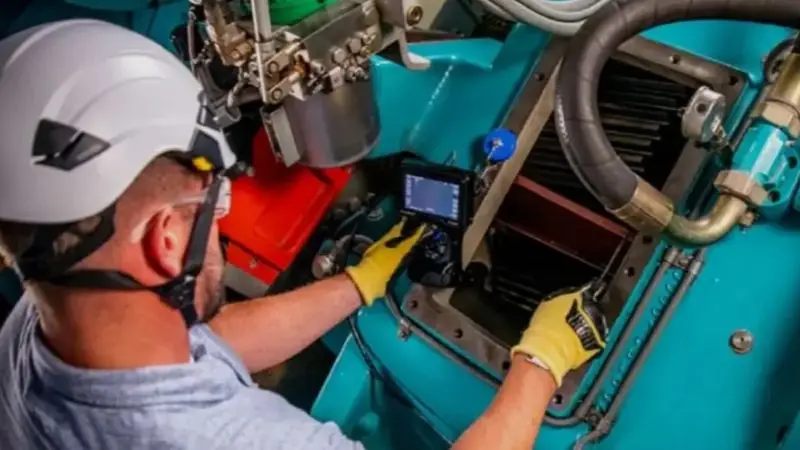
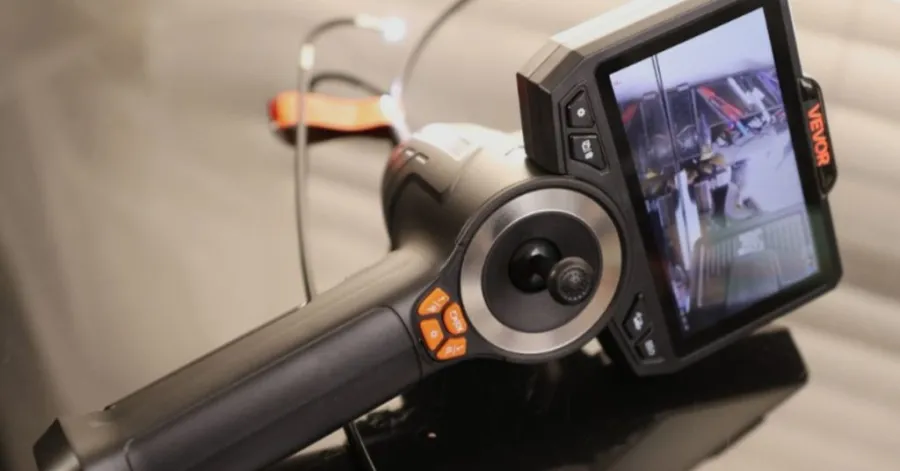
Frequently, a small-diameter borescope probe is 4 mm or less. It provides body or interior checking of engines, castings, valves and other components without disassembly. It can be a small device or a stiff probe. It brings light to the dark places and transmits images to a monitor or eyepiece. It has a narrow design, which can be useful for inspecting small openings or inaccessible areas.
Small errors can ultimately cause big failures if not controlled. A small-bore borescope troubleshooting inspection can be performed with an internal inspection to detect cracks, corrosion and wear before they become troublesome issues and cost problems. These tools are used throughout operations, quality control labs and workshops to explore hidden parts and document data prior to repair.
Recommended For Your Project
How Does a Small Diameter Borescope Work?
A light at the probe tip illuminates the target area. The lens captures the reflected light and transmits it to an eyepiece or inspection camera. The probe’s diameter determines how small an opening the tool can reach. The viewing angle also matters. While a side view probe helps to inspect walls and surfaces, a forward viewing probe works well for general control. Select an angle that is based on the area that you need to examine.
Flexible models use optical fibres or a tiny camera sensor at the tip of the probe. Rigid models use a range of lenses to create clear images on a straight line. A small-diameter borescope for tight spaces helps technicians navigate gates, bends, and hidden components. Flexible probes are well-suited to curves and obstacles, while rigid probes are better suited to direct access points. Your choice will depend on the inspection path and the necessary level of detail.
Key Features of Small Diameter Borescopes
Image resolution and lighting are key factors in inspection quality. The high-resolution borescope may detect fine cracks, surface damage, or other slight defects. Focus adaptation helps keep important details sharp for failure analysis. Adjustable light intensity may also enhance visibility on dark or reflective surfaces. The small-diameter borescope camera offers live images that make it easier to see and help technicians access hidden spaces. Smooth control elements, a balanced design, and a clear display make the tool easier to operate even when extended inspections are performed.
Physical specifications are just as important in selecting a borescope. Choose the probe diameter and its length, which determine how far it can reach. A thinner probe may have access to smaller spaces, but may also have a smaller image sensor and a lower light output. Some models offer replacement tips for different viewing requirements as well. The best small-diameter borescope should fit into the access opening and should have sufficient image detail for the task. In order to carry out the labour-intensive work of small-diameter borescope inspection for industrial applications, it is necessary to find a balance between image quality, probe size, illumination, and easy processing.
Types of Small Diameter Borescopes
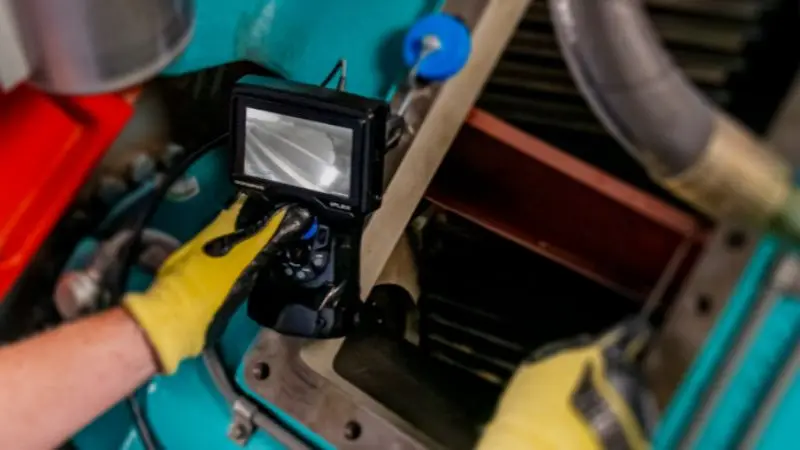
The small-diameter borescopes are used in different designs to meet different inspection requirements. The main differences are the design of the probe, the flexibility, and the direction of observation. Each type works best for particular spaces and applications. Understanding these options helps you find the right tool to check engines, pipes, valves, and industrial components without separating them.
1. Rigid Small Diameter Borescopes
Strong bore scopes use a straight, solid probe that holds its shape during inspection. They use a range of optical lenses to carry images from the target zone to glasses or displays. This construction can allow sharp imaging and stable viewing when the inspection path is straight. A rigid, small-diameter borescope is used to check components, cylinders, and engine components that provide direct access openings. However, it cannot bend or follow curved passages behind obstacles. Before selecting one, check the probe diameter, working length, and viewing angle to ensure it can reach the area you need to inspect.
2. Flexible Small Diameter Borescopes
Flexible borescopes have a bendable probe that can move through curved passages and around obstacles. They help inspect pipes, engine spaces, and equipment with limited access. Depending on the probe model, optical fibres or images from the miniature camera sensor may be used. A small-diameter borescope for tight spaces is particularly useful when the inspection path changes direction or incorporates curves. Some flexible models also feature an articulating tip that the operator can control in order to see different surfaces. When selecting one, consider its bend, probe length, image quality, and minimum bending radius.
3. Video Small Diameter Borescopes
Video borescopes use a miniature camera sensor close to the tip of the probe to capture and display images on the display. Many models consist of built-in LED lighting to light up dark spaces. This design lets technicians see, record, and sometimes document inspection results for later review. The small-diameter borescope camera can be used to monitor internal surfaces, identify wear and damage, and record defects during maintenance. Some models offer controlled illumination, photo capture, and video recording. When comparing options, check camera resolution, screen quality, probe diameter, and storage features to ensure the tool meets your inspection needs.
4. Semi-Rigid Small Diameter Borescopes
Semi-rigid borescopes have probes that can bow lightly but retain their shape during use. This makes it easier to direct the probe to a specific area without losing control. They are useful for the inspection of machinery, vehicle components, and limited-access equipment. A small-diameter borescope for narrow openings can help technicians enter internal spaces where a rigid probe may not fit into a right angle. However, semi-rigid probes are not as easy to operate around tight curves as fully flexible models. Before buying one, think of the rigidity, length, diameter, and power of the probe to safely achieve its target.
5. Articulating Small Diameter Borescopes
Articulating borescopes have a controllable tip that bends in one or several directions. This feature lets inspectors see inside corners and into surfaces that would otherwise be hidden. They are frequently used for aircraft maintenance, vehicle repair, and industrial equipment inspection. For studying complex components without comprehensive disassembly, an industrial inspection small-diameter borescope with articulation could help. The amount of movement depends on the model; check how far the tip can bend and whether it supports the required viewing angles. Please compare image quality, lighting, probe diameter, and control response.
How to Select the Best Small Diameter Borescope
Selecting the right borescope depends on the inspection area, the size of the access opening, and the detail level you need. The right features help you inspect hidden components without unnecessary disassembly. Before buying, compare probe size, image quality, illumination, and flexibility. These factors will help you find an appropriate tool for your inspection tasks and working conditions.
1. Check the Probe Diameter and Length
Begin with the opening measurement, which you must measure. The probe must pass through the opening without being attached to or damaging nearby components. A small-diameter borescope for narrow openings can provide access to engine, valve, and machine components. Also check the length of the probe to be sure that it can reach the target area. While a long probe can be more difficult to control, a too-short probe can restrict your inspection. Before choosing the right size, consider clearance, internal bends, and depth.
2. Choose the Right Probe Type
The design of the probe affects how easily you can reach the inspection area. Stiff probes are good for straight paths and can deliver clear images. Flexible probes are moved through curved passages, while semi-rigid models offer a certain degree of flexibility with better direction control. Articulating probes allow you to change the direction of view on the tip. Consider the path followed by the probe and whether you have to look around corners for a small-diameter borescope in narrow spaces. Match the type of probe with the inspection area rather than choosing a model based on flexibility.
3. Compare Image Quality and Lighting
Clear images will help you recognize cracks, corrosion, scratches, and other internal defects. Before making a decision, check camera clearances, focus range, and display quality. A small-diameter borescope with camera should provide adequate detail to reveal the defects that are relevant to your work. Built-in LED lights help illuminate dark areas, but adjustable brightness helps when inspecting shiny metal surfaces. Excessive light can produce glare and conceal parts of the surface. If you want to record defects, look for videos and images that will permit you to review the results later on.
4. Consider the Inspection Environment
Consider where and how often you’re going to use the tool. Industrial environments can expose borescopes to dust, humidity, oil, or frequent handling. A small-diameter borescope for industrial inspection must have a durable design that fits the conditions in which it will work. For water resistance, temperature limits, and probe protection, check the manufacturer’s specifications. If you are planning to use the tool in various places, consider its weight, battery life, screen size, and portability. These details can facilitate inspections and help you avoid a model that can’t cope with your operating conditions.
5. Check Compatibility and Extra Features
Before buying, make sure the borescope fits your inspection equipment and documentation needs. Some models are attached to a particular display, while others are also connected to compatible phones, tablets, or computers. Check the supported connection type, the software requirements, and the storage options for files. For repeated inspections, video and image recordings can help you compare changes over time. The best small diameter borescope is not necessarily the most expensive model. It is the one that fits your access opening, produces clear images, and offers the necessary functionality for your work. And before you make a final decision, compare these specifications with the budget.
Wrap Up
The choice of the right small diameter borescope begins by understanding the requirements of your inspection. Rigid models are best suited for straight paths, while flexible models and articulated models reach curved or inaccessible areas. Video borescopes make the recording and viewing of images easier. Before buying, compare the diameter, the resolution, the lighting, and the operating length of the probe. The best small-diameter borescope should fit your access opening and offer clear images of the areas you should inspect. By comparing your tool with your particular work, you can identify hidden flaws in early stages, reduce unnecessary disassembly, and make inspections more accurate and effective.
FAQs
Comparison of borescopes according to probe diameters – which are best available for tight spaces in France?
Choose a 2 – 3 mm probe for tight spaces, as it fits narrow holes. For general inspection, the 5 to 8 mm probes work well. In France, compare probe length, lighting, and the availability of a before-buying option.
Which borescopes are best for detailed inspections of drones and small electronics in France?
Choose a probe between 2 mm and 3 mm with adjustable LED illumination and a close-up view. A flexible probe helps you inspect tight spaces inside drones, circuits, and electronic enclosures without extensive disassembly.
Which borescopes offer the best image quality for under €100 in France?
Look for a borescope with 1080p resolution, adjustable LED lighting, and excellent close-up focus. Before buying in France, compare sample images, client feedback, screen quality, and current prices.
What are the best borescopes and replaceable probe tips, and how do they compare in price in France?
Select models with replaceable hooks, mirrors, or magnetic tips for various inspection tasks. Compare extra prices and availability in France. See if tips are included or if they have to be purchased separately.