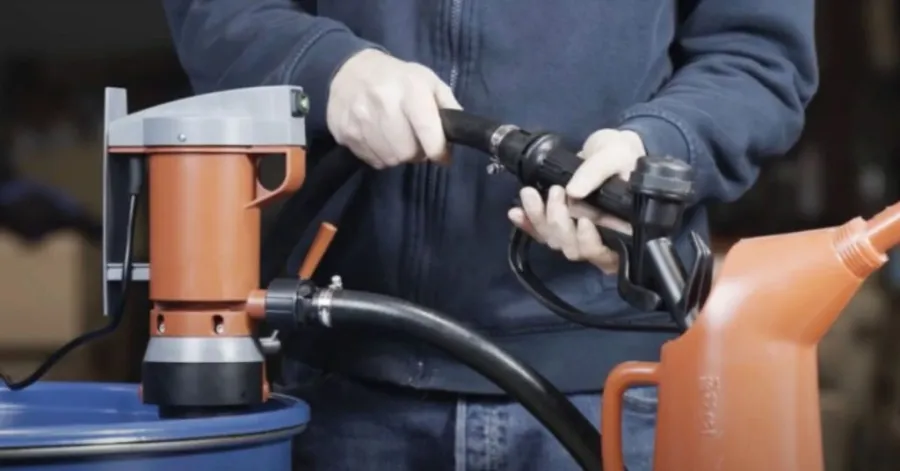
Portable gas pumping is easier, quicker, and more convenient for transporting fuel to vehicles, equipment, and emergency cases. You may need to refuel a car, a truck, a boat, a generator, or farm machinery: picking the correct pump can save time and effort. As different models provide different flow rates, power options, and features, it is important to find the right one. In this guide, you will find everything you need to know about the best portable gas pump, including key features, top models, how to use it safely, and required maintenance. Knowing these factors will enable you to select a dependable pump to meet your particular fuel transfer requirements.
Table of Contents
How to Choose the Right Portable Gas Pump
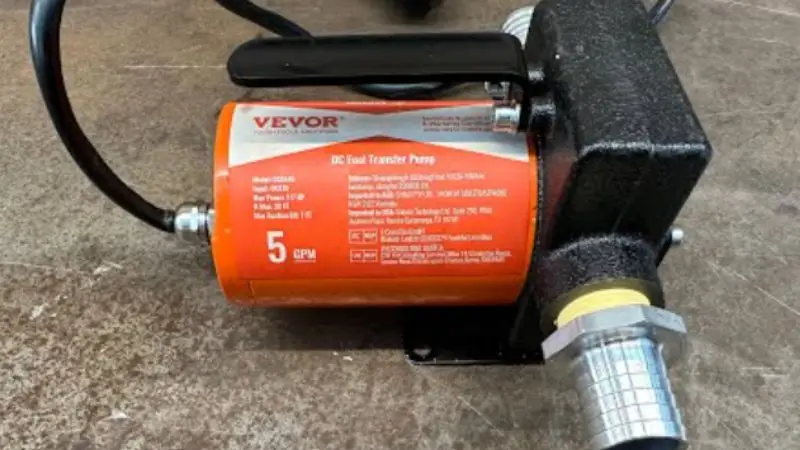
The selection of the correct pump is based on the way and location where you intend to move fuel. You may require a pump for your vehicles, outdoor equipment, or emergencies; various factors influence its performance, safety, and convenience. A good pump must suit your fuel type, provide a sufficient flow rate, and have a design that meets your frequent requirements. Knowing these key characteristics will help you make the right choice and prevent issues during fuel transfer.
Recommended For Your Project
Check Fuel Type Compatibility
When purchasing a portable gas pump, ensure that it has the ability to transfer the kind of fuel that you require. There are various pumps that are tailored to various types of liquids such as gasoline, diesel, kerosene, and more. A mismatch in the pump may decrease efficiency and cause safety issues. A gasoline portable gas pump must have materials that do not allow fuel to be damaged or to leak when in use. When you require fuel transfer to other equipment, ensure that you have checked the manufacturer’s specifications. The right compatibility ensures that vehicles, generators, boats, and outdoor machinery operate smoothly and helps extend the service life of the pump.
Consider Flow Rate and Transfer Speed
Flow rate is used to highlight the rate at which fuel flows through one container to another. An increased flow rate is beneficial when filling up large tanks or transporting fuel regularly since it cuts down on waiting times. To select the most appropriate portable fuel pump, you need to consider the amount of fuel you usually have to transfer and choose one with the appropriate pumping capacity. The balanced flow speed of a pump offers the pump with efficient performance without wasting power. In case of bigger applications, e.g., a portable gas pump used by trucks or heavy equipment, a higher flow rate can simplify and streamline the everyday fueling process.
Choose the Right Power Source
Portable gas pumps come in various power options such as electric, battery-powered, and manual designs. Electric models tend to offer consistent performance, whereas battery-powered ones have more flexibility in outdoor areas, where direct power access is lacking. A generator-powered gas pump might need a reliable power source and be operable in isolated locations. Battery-powered pumps can be handy in case of an emergency, as they can be easily transported and used. Take into account where you will use the pump most frequently and select a power option to suit your working environment and fuel transfer needs.
Select an Appropriate Hose Length and Reach
The length of the hose is an aspect that dictates the ease with which you can move fuel between containers, vehicles and equipment. A longer hose is more flexible, particularly when the location of the fuel tanks is in hard-to-access places. As an example, a car-portable gas pump ought to have a sufficient range that makes it easy to refuel without lugging bulky fuel cans back and forth. When dealing with bigger machines or vehicles, a longer hose may be more convenient and require less effort to manage. Very long hoses can, however, influence the effectiveness of pumping; therefore, select the length that balances the reach with storage and performance.
Look for Essential Safety Features
When choosing a fuel transfer pump, one of the most crucial factors is safety. In a quality pump, leak-resistant connections, secure fittings, automatic shut-off, and durable fuel-resistant parts should be considered. These characteristics help minimize spills and improve control during operation. When you require a portable gas pump to be used in boats or in an outdoor setting, safety features will be even more significant since fuel work will take place outside the usual fueling outlets. A well-designed pump can help ensure a safer transfer and offer greater confidence in regular or emergency fuel handling.
Evaluate Durability and Build Quality
A robust pump will be able to work under normal conditions and tough working environments without undergoing repairs frequently. Find a model that is designed using powerful materials capable of withstanding exposure to fuel, weather, and physical damage. The ideal portable gas pump offers consistent performance over time, with a steady fuel flow. Farming, construction, and outdoor pumps should be more durable since they typically need to work in harsh conditions. An attractive design not only enhances lifespan but also minimizes maintenance, making it a wiser option for long-term fuel transfer operations.
Best Portable Gas Pumps for Safe and Fast Fuel Transfer in 2026
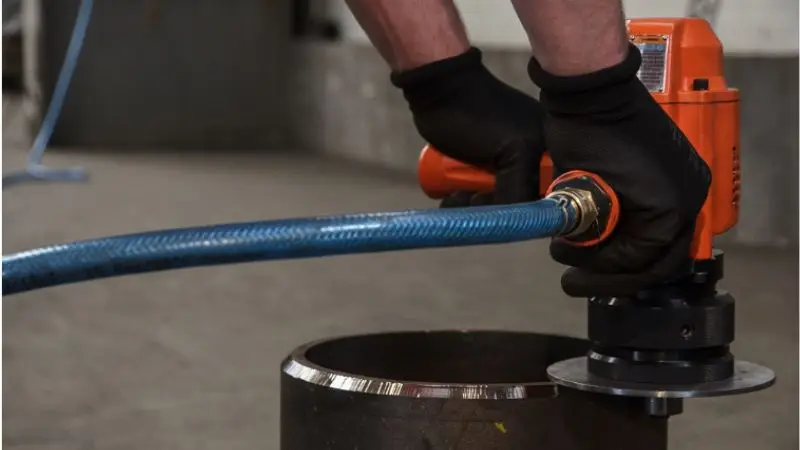
There are numerous fuel transfer pumps, so it may be difficult to select the appropriate model. Various types of pumps are tailored to various purposes, from emergency pumps to heavy-duty fueling operations. The ones below are the most distinguished due to their performance, reliability, portability, and ease of use. Regardless of the pumping needs of vehicles, equipment, or outdoor use, these models provide viable solutions for quicker and safer fuel transfers.
Fill-Rite FR1210 – Best Overall Portable Gas Pump
The Fill-Rite FR1210 is characterized by reliable performance and a long-lasting design, making it a good option for frequent fuel transfer processes. It is dependable in terms of pumping power, and it is intended to be used with gasoline, diesel, and other compatible fuels. Its robust construction ensures it is applicable at farms, workshops, and in commercial use where reliability is a concern. This is a good model for those in need of a professional-grade model capable of supporting frequent fueling needs. Its efficiency, durability, and ease of use make it one of the best options that anyone can consider when in need of a reliable portable gas pump.
Pros:
- Exceptionally robust construction to be used in repetitive fuel transfer activities.
- Consistent operation with a variety of fuel types.
- Fit commercial, farm, and workshop.
Cons:
- Higher price compared to basic portable fuel pumps
GPI EZ-8 – Best Heavy-Duty Portable Gas Pump
GPI EZ-8 is designed to address the requirements of individuals who require high power and a reliable fuel transfer solution. It is made of heavy-duty material, which enables it to handle frequent fueling operations without affecting performance. This type of pump is typically employed in vehicle applications, equipment, and outdoor applications where speed and reliability are important. It also provides easy operation and is designed to perform under harsh conditions. For those who require a portable gas pump to serve farm equipment or larger machinery, it offers the strength and power needed for frequent use. Its efficient design facilitates faster fuel transfers, requiring less effort for strenuous fueling tasks.
Pros:
- Designed to be used in heavy-duty and frequent fuel transfers.
- Delivers steady flow performance when operating.
- Sturdy construction for use in the field.
Cons:
- May be too powerful and costly to use regularly.
VEVOR Portable Fuel Transfer Pump – Best Money
The VEVOR Portable Fuel Transfer Pump provides a balance between cost, operation, and convenience. It is made to suit the needs of people who require a solution that they can rely on without having to spend money to acquire an expensive professional tool. This pump is efficient at transferring fuel to vehicles, generators, boats, and outdoor gadgets. Its portable design makes storage and transport easy, and its effective operation helps complete fueling tasks quickly. For consumers looking for a reliable portable fuel pump at a reasonable price, the VEVOR product offers features that work well in daily use. It is an appropriate choice in terms of personal and light-professional fuel transfer requirements.
Pros:
- Low-cost model with convenient fuel transfer features.
- Small design ensures transportation and storage are easy.
- Applicable to vehicles, generators, and outdoor equipment.
Cons:
- Not made to suit the most commercial use.
TERA PUMP TRFA01 – Best Battery-Powered Portable Gas Pump
The TERA PUMP TRFA01 is an easily portable device that uses a cordless system. Its battery-operated design enables the transfer of fuel where there are no electrical supply points. This will be handy for outdoor tasks, emergency situations, and remote work. The pump is light, easy to use, and designed to move fuel quickly. It may be a convenient portable gas pump for generators or other equipment where it is needed. Its small size and versatile applications make this model suitable for fuel transfers on a limited number of occasions, where convenience and portability are the main concerns.
Pros:
- Design is battery-powered and can be used flexibly in remote areas.
- Light and can be transported across locations.
- Basic operation to transfer fuel fast.
Cons:
- Longer fuel transfer jobs might be constrained by battery life.
Compare the Best Portable Gas Pumps Before Buying
Choosing the right fuel transfer pump means comparing key features that affect day-to-day operation and comfort. Different models suit various activities, including emergency fueling and routine equipment maintenance. With a glance at speed, power options, portability, and overall value, you can find a pump that fits your particular needs. A good comparison helps you make a reliable choice for vehicles, outdoor equipment, and other fuel transfer applications.
Check Fuel Transfer Speed and Performance
One of the most crucial factors to consider when comparing portable fuel pumps is flow rate, since it defines how fast fuel can flow between two containers. When it comes to filling large tanks or frequent transfers, a pump with a higher flow rate can be used to save time. A truck or heavy machinery portable gas pump typically needs more robust performance due to the bigger tanks in use. Smaller pumps might be more appropriate for periodic vehicle refueling or emergencies. When comparing models, take into account your routine fuel transfer requirements and select a pump that will offer an acceptable compromise between speed, efficiency, and consistent operation.
Compare Power Options for Different Uses
Portable gas pumps are available in various sources of power with electric, battery-powered, and manual. Electric models tend to offer consistent performance in routine fuel transfer duties, while battery-powered pumps have greater flexibility in outdoor settings. A cordless pump will also come in handy when you need a portable gas pump for generators or machinery that is far away and not connected to the electrical supply. Manual pumps can be suitable in occasional cases as they are not complicated, and they do not need outside power. The power options comparison aids in the selection of a pump that best suits your working environment, frequency of fuel transfer, and convenience requirements.
Consider Portability and Ease of Operation
An effective portable pump is easy to carry, operate, and store. Lightweight designs are applicable in outdoor labor, emergencies, or areas where movement is a concern. A small car portable gas pump will enable you to move fuel without carrying heavy tools. Features like comfortable handles, flexible hoses, and simple controls can make the process easier and quicker. When you are regularly commuting to various places, then a model that is both portable and reliable in terms of performance should be selected. The right design minimizes effort and makes fuel transfer easier for routine tasks.
Evaluate Price and Long-Term Value
Price is a significant aspect, and the lowest-priced pump might not necessarily be the best. A good fuel transfer pump must have good performance, robust construction, and minimal maintenance needs. When choosing the best portable fuel pump, consider how often you’ll use it and whether it can handle the expected workload. Lower-cost models might be appropriate for users who only use the pump on occasion, whereas higher-quality pumps could be more durable with frequent use. Comparing features, performance, and lifespan will help you select a pump that will be more economical in the long run.
How to Use a Portable Gas Pump Safely
To operate a fuel transfer pump safely and efficiently, it is essential to use it properly. Spills, damage, and unnecessary risks can be avoided by proper preparation, handling, and storage. Whether you are moving fuel to power vehicles, generators, boats, or outdoor equipment, you can improve performance by following the correct safety procedures. The right procedure can also be used to safeguard the pump and prolong its service.
Prepare the Pump and Work Area
Before transferring fuel, check the pump and create a safe working space. Inspect the hose, nozzle, connections, and power source to ensure that everything is installed and in good condition. Put gas containers on a level surface and ensure the space is not close to sources of heat, sparks, or even fire. When using a portable gas pump to fuel boats or outdoor equipment, make sure the surroundings are clean and well-ventilated. Spending several minutes to be well prepared would minimize the probability of leaks, spills, and operating issues during the transfer procedure.
Follow Proper Fuel Transfer Steps
The proper transfer procedure can help you use the pump safely and efficiently. Attach the pump to a secure position, insert the hose into the appropriate fuel container, and start transferring fuel as per the manufacturer’s instructions. It is important not to fill tanks too full and to keep track of the fuel level. A portable gasoline gas pump must be handled with care to avoid excessive spills or fuel waste. Hold the nozzle still and switch off the operation as soon as you see leaks, abnormal sounds, or poor performance. With proper handling, a smoother transfer process supports safe operation.
Store Pump after Use
Proper storage is essential for keeping your pump ready for future use. After fuel transfer, clean any leftover fuel from the pump, hose, and nozzle, then store the equipment. Store the pump in a dry place that is not directly exposed to the sun, water, and excessive heat. One should not put heavy objects on hoses or connectors, as this will destroy them in the long run. Regularly or occasionally taking a portable gas pump on your car and properly storing it will make the next time you have to use it simpler and keep the pump in good condition for later use.
How to Maintain a Portable Gas Pump
Routine maintenance will ensure that your pump provides a stable performance and minimizes the possibility of unforeseen issues. Fuel transfer equipment comes into contact with fuel, dust, weather conditions, and routine handling and may eventually wear out. Basic maintenance procedures enhance safety, extend equipment life, and help your pump perform more effectively. Maintaining key elements is guaranteed to give dependable operation for various fuel transfer uses.
Clean the Pump After Every Use
After every use, cleaning your pump will help avoid accumulation of fuel, dirt, and damage to critical parts. Clean the exterior, clean the fuel residue, and ensure the nozzle and hose are clean. A portable gas pump for farm equipment is particularly useful to clean regularly since the conditions outside may subject equipment to dust and water. An effectively cleaned pump is more efficient and less prone to blockages and performance problems. To enhance reliability and ensure the pump lasts longer, develop a basic cleaning schedule to use after each use.
Inspect Hoses, Nozzles, and Seals Regularly
Hoses, nozzles, and seals are important components that regulate the flow of fuel and prevent leaks. Frequent inspection helps detect cracks, loose fittings, or damaged parts before they cause larger issues. Damage can also decrease the pumping efficiency and can impact safe operation. For a portable gas pump intended for use in a truck or other heavy-duty tasks, it is important to regularly check these parts since these pumps usually work with higher amounts of fuel. Replacing small worn components early can save you money and time, and keep your pump delivering smooth, reliable fuel transfer.
Replace Damaged Parts When Needed
Over time, replacing some parts of the pump might be necessary because of frequent use and exposure to fuel. Seals, filters, hoses, and connectors are parts that wear out and can impact performance if they are not replaced. Installing a pump with readily available replacement components makes maintenance easier and cheaper. The ideal portable gas pump must have reliable construction and easy servicing processes. Regular inspections to identify and repair damaged parts maintain efficiency, enhance safety, and extend the overall life of your fuel transfer equipment. A properly maintained pump will last many years of service.
Wrap Up
The selection of the appropriate portable fuel transfer solution depends on your particular needs, such as the type of fuel, performance, portability, and durability. The optimal portable fuel pump must offer dependable performance, secure fuel handling, and sufficient power to suit your purpose. Whether you need a car or truck, boat, generator, or farm equipment, comparing features and keeping the pump in good condition can extend its working life and performance. With proper transfer procedures and frequent maintenance, you will be able to maintain your equipment in good condition. A high-quality pump is a good investment for reliable, convenient fuel transfer when you need it.
FAQs
What is the purpose of a portable gas pump?
A portable gas pump is a device that can move fuel to and from containers, vehicles, generators, boats, and equipment in a safe and fast manner without the need to use conventional fuel stations.
Is it possible to transfer gasoline with a portable gas pump?
Yes, there are portable gasoline pumps that can be safely used if they are made with fuel-resistant material
Which is the most desirable portable gas pump for cars?
The most recommended portable gas pump for vehicles is based on the flow rate, power source, durability, and application requirements. Select a model that fits your car, truck, or equipment needs.
What can I do to keep a portable fuel pump?
Maintain the pump by cleaning it after use, checking hoses and seals, checking connections, and replacing worn parts to ensure safe, efficient fuel transfer
Do portable gas pumps that are powered by batteries work?
Battery-powered pumps are dependable for outdoor and emergency applications since they offer convenient use without electricity. They are best in isolated areas and infrequent fuel movements.