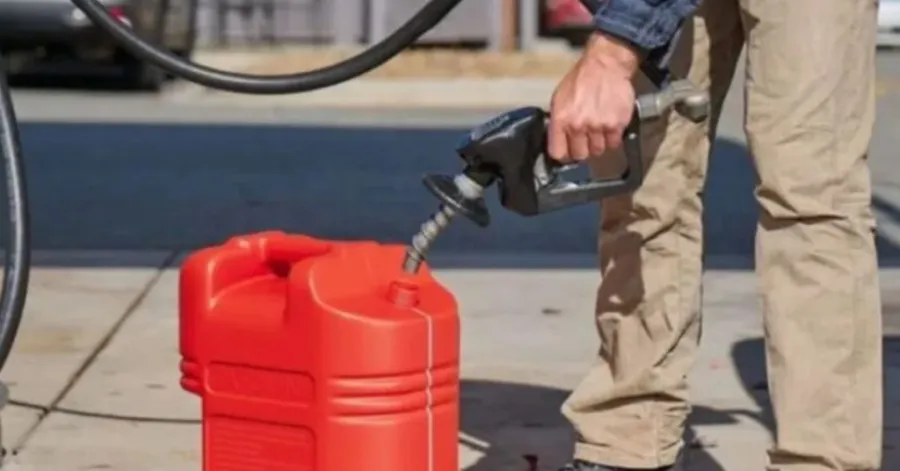
A gas can transfer pump simplifies the process of fuel movement, increasing speed and control compared to pouring gasoline. Whether you need to stock up outdoor equipment, generators, vehicles, or machinery, the right pump can help minimize spills and make it more convenient. Proper use of a gas can transfer pump will help ensure safe fuel handling and improved equipment operation. This guide will detail the preparation procedures, transfer procedures, safety guidelines, and issues you might encounter frequently. You will also know how to select the appropriate equipment and the best pump to use when moving gas in a can, to move it easily and safely.
Table of Contents
Prepare Before Using a Gas Can Transfer Pump
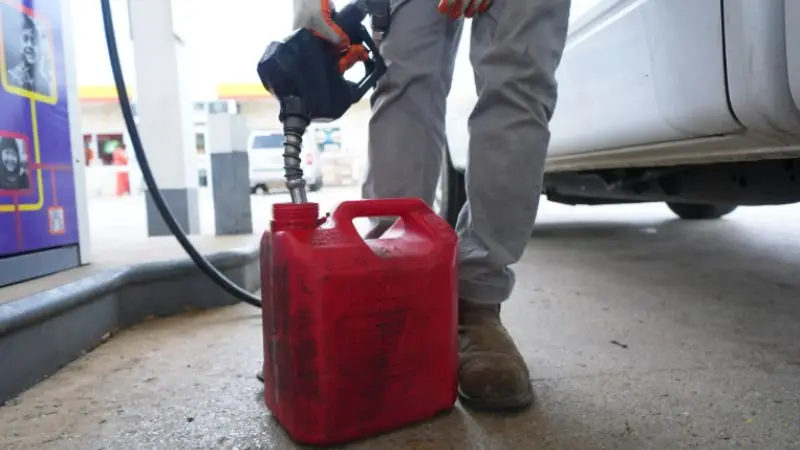
To enhance safety, avoid spills, and ensure smooth pump operation, it is recommended to prepare before any fuel transfer process begins. Whether you are working with a portable pump or a gas can transfer pump, it can be easier and more dependable to check the equipment you use and prepare a work area.
Recommended For Your Project
Before starting, it is important to check a few things, which include:
- Checking the pump and fuel container for damage.
- Selecting a risk-free place without ignition.
- Assembling safety gear to work with gasoline.
These steps before operation will minimize risk and help you learn how to use a gas can transfer pump.
Check the Pump and Gas Can Condition
Before using a gas can transfer pump, check that all parts are in good condition and ready to transfer fuel. Leaks may occur due to a broken hose, insecure connection, or deteriorated seal, which makes it challenging to transfer gasoline. The gas can must also be robust, clean, and fuel-storing.
Before starting: check the following parts:
- Cracks, holes, or worn hose.
- Tight seal connections and fittings of pumps.
- Gas can cap, opening, and body for damage
- Any valves or switches to ensure proper operation.
A quick inspection will avoid fuel waste and enhance pump performance. This is particularly critical in selecting the most appropriate pump to transfer gas at the can since quality gear performs best when well maintained.
Choose the Right Location for Fuel Transfer
Where you pour gasoline is also a significant factor for safety. This is because one should always select an open and well-ventilated room to diminish the accumulation of fuel vapors. Do not operate a pump in an area where heat or sparks may build up.
An appropriate fuel transfer area must be:
- Out of the smoking zone and open fires.
- Shielded against direct heat sources.
- Located on a stable, flat surface
- Wipeable should a small spillage happen.
A good working area also facilitates easy handling of the hose and pump when filling fuel. After these precautions, you will know how to transfer gasoline without spilling it and how to minimize unnecessary risks.
Gather Safety Equipment Before Starting
To make fuel handling less hazardous, prepare the safety equipment you need before using your pump. Gasoline may irritate the skin and eyes, and protective equipment must always be on hand before starting the transfer process.
Safety items are important, and they include:
- Gloves that are fuel-resistant to cover your hands.
- Splash safeguards to avoid fuel spills.
- An approved gasoline container for storage
- Cleaning rags to clean small spills.
With these things at hand, you can react fast in case a minor mishap occurs. An essential aspect of learning how to transfer gas safely and efficiently is good preparation.
Step-by-Step Guide on How to Use a Gas Can Transfer Pump
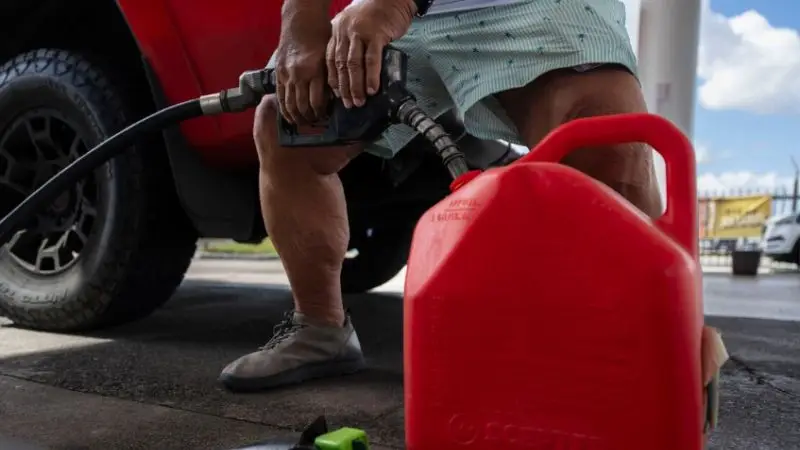
The right procedure for fuel transfer is quicker, safer, and easier to control. A gas can transfer pump will enable you to better transfer gasoline between containers with fewer spills. Whether you need to refuel equipment, vehicles, or generators, it is best to follow the right process to avoid leaks and improve efficiency. The process of using a gas can transfer pump is as follows: how to connect the pump and store it after use.
Step 1: Connect the Pump to the Gas Can
The initial process is to fit the pump to the gas can, then begin the transfer process. Put the inlet hose inside the gas can and ensure it goes to the fuel correctly without twisting or obstructing the flow. During pumping, tighten all connectors, fittings, and seals to avoid leakage. When a transfer pump is being used on a gas can, make sure that the pump is securely screwed and forms a good seal. A secure connection will aid in the smooth flow of fuel and lower the risk of spills. When learning how to pump gas safely out of a gas can, it is important to take time and ensure that you have set up the equipment properly.
Step 2: Insert the Outlet Hose Into the Receiving Container
The second procedure is to place the outlet hose within the container/ equipment that will be filled with gasoline. Ensure the hose is secured so it does not fall off during use. Place the receiving container on a flat surface and do not fill it to its capacity to avoid overflowing. The transfer process should take place with the hose held in the opening to regulate the flow of fuel and minimize splashing. Placing properly is a key aspect of learning how to transfer gasoline without spillage. A fixed installation enables the pump to operate with ease and makes the environment less messy.
Step 3: Start the Pump and Control Fuel Flow
When the pump and hoses are put in place, start the pump and start transferring the gasoline. Monitor the fuel flow and ensure it remains at a constant rate. Do not leave the pump on unattended since the container may be filled in no time depending on the pump speed and fuel capacity. A trustworthy best fuel transfer pump to gas cans must have a steady flow and be easy to control. As the receiving container fills up slowly, reduce the process if needed and switch off the pump once the required quantity of fuel is transferred.
Step 4: Disconnect and Store the Pump Properly
The last step is to unplug the pump very carefully and prepare it for future use. Always switch off the pump and then take off the hoses to avoid leaking or dripping of fuel. Let the gasoline that remains in the hose drain back into the appropriate container, and clean the pump and connections to remove remnants. Keep the equipment in a dry and safe place that is not exposed to heat, sparks, and direct sunlight. Appropriate storage helps maintain the pumps and extends their life cycle. A properly maintained pump can still be able to serve you when you need to pump gas out of a gas can.
Safety Tips When Using a Gas Can Transfer Pump
Proper use of fuel equipment will minimize risks, eliminate spillages, and enhance the overall performance of pumps. A gas can transfer pump simplifies the movement of fuel, but it is still important to handle it safely since gasoline is very flammable and should be handled carefully.
Ensure that the pump is in place before transferring fuel, and that the working area is correct when handling fuel. Precautionary steps in spill prevention, fire control, and fuel compatibility can assist in making the job more effective and saving your equipment.
Avoid Fuel Spills and Overfilling
Another concern of safe fuel transfer is the prevention of fuel spills and overfilling. Gasoline spills may waste fuel, emit unwelcome fumes, and cause safety issues when handled around heat or a spark. Learning to transfer gasoline without spilling, using the receiving container as a steady object and monitoring the level of fuel throughout the process.
It is advisable not to leave the pump unattended while running since fuel can be transferred quicker than anticipated. Ensure that the hose is kept in place and that all links are intact. Turning off the pump when the container is not full helps prevent overflow and keeps the transfer area cleaner. Handling with care enhances safety, and the transfer of fuel is more efficient.
Keep the Pump Away From Ignition Sources
When you are filling the pump, you should always keep it separated from ignition sources at all times. When exposed to flames or sparks or high temperatures, fuel vapors are prone to catching fire. Gas cans should always be used with your best fuel transfer pump in a well-ventilated, open space; not in the presence of smoking materials, heaters, and electrically powered devices that can cause sparks.
Before beginning to pump, inspect the area around and eliminate potential fire dangers. Do not use damaged equipment with the wires open or with damaged electrical components. After transferring fuel, always switch off the pump properly and store it in a secure place that does not expose it to heat. These precautions can help create a safer working environment when handling fuel.
Use the Correct Fuel Type
To keep the pumps running, it is necessary to use the proper type of fuel, thus avoiding unnecessary damage. Various pumps are made to suit certain liquids and therefore, before using your equipment, always ensure that it is fitted with the right type of pump, such as gasoline, diesel, and other types of fluids. The incorrect fuel can break the seals, hoses, and inner parts of the pump.
When selecting the most appropriate pump to transfer gas out of a can, be sure to consider the manufacturer’s specifications and ensure the pump suits your fuel needs. A gasoline pump will be much more effective and safe to use. Choosing the equipment that is compatible will not only enhance efficiency but also can prolong the life of your transfer pump.
Common Gas Can Transfer Pump Problems and Solutions
Even a well-maintained gas can transfer pump can have issues when used on a regular basis. Knowing common problems helps you determine the root cause quickly and prevent needless inconveniences when transferring fuel. Most issues are connected to power issues, fuel flow limitations, or damaged pump elements.
Knowing what to check when something goes wrong can help you return to normal operation and ensure your equipment continues to operate effectively. Simple troubleshooting can enhance performance and the life of your fuel transfer equipment whether you use a pump infrequently or frequently.
Pump Does Not Turn On
When your pump fails to start, you should first of all examine the power supply and connections. The pump motor may not start correctly due to a loose cable, weak battery, or improper electrical connection. Ensure that the switch has been switched on and everything is well connected, then re-attempt.
Internal motor problems or damaged components may cause the problem in some instances. When the pump has been stored over a long period, check it to see whether it is corroded or dirty or worn out. This can be assisted by regular maintenance and proper storage to avoid problems in starting. When pumping gas in a gas can to vehicles, generators, or equipment, you should have a reliable pump that runs smoothly.
Fuel Transfers Too Slowly
Slowness in transferring fuel can be frustrating and might imply an issue with the pump system. Typical reasons include clogged filters, hose restrictions, under-pump power, or improper hose placement. An obstruction in the flow of fuel causes the gasoline not to flow freely and decreases the overall efficiency of the transfer process.
Inspect for hose bends, cracks, or blockage that can restrict fuel flow. Performance can often be improved by cleaning the filter and making sure that all the connections are secure. The selection of a fuel transfer pump that works best with gas cans is also significant in ensuring an uninterrupted flow of fuel. When installed correctly and maintained, your pump could help to transfer fuel more smoothly and faster.
Fuel Leaks From Pump Connections
The leakage of fuel around the pump connector is normally caused by loose fittings, broken seals, or improperly fitted hoses. If gasoline leaks during operation, shut off the pump at once and check every connection. Using a leaking pump may consume more fuel and pose undue safety hazards.
Test the hose connector, hose attachments, and sealing places to ensure that all are well-tightened. Change old seals or other damaged hoses when necessary to avoid leaks in the future. In cases of a gas can and transfer pump application, it is important to have secure connections to ensure safe and efficient operation. Frequent inspection and maintenance can ensure that the system remains leak-free and capable of future fuel transfers.
Wrap Up
Proper operation of a fuel transfer pump can make gasoline handling safer, cleaner, and more efficient. Whether it is setting up your equipment or doing the right transfer procedures, each of these areas is significant in preventing spills and enhancing performance. Knowledge about typical problems such as slow rate of fuel flow, problems in starting the engine, and leaks in the connections can assist you use your pump longer. Regardless of whether you are operating a portable system or a gas can with a transfer pump, it is necessary to take proper care and ensure safe operation. With the right knowledge, you will be able to fuel up and keep your equipment running.
FAQs
How do you use a gas can transfer pump?
Installing the pump in a safe manner, putting hoses in the right place, starting the pump, checking fuel flow, and unloading it safely after the transfer.
Does a gas can transfer pump eliminate spills of fuel?
A transfer pump is used to manage the flow of fuel and it can reduce the amount of spillage when it is used properly with proper connections and handled with care when operating.
Which is the most effective gas can fuel transfer pump?
The optimal pump would be based on the type of fuel, its flow rate, source of power, longevity, and its capability to match your exact requirements of gasoline transfer.
Can gasoline and diesel be pumped using the same pump?
There are pumps that can accommodate many fuels; still, it is important to consult manufacturer specifications to be sure that gasoline, diesel, or other liquids can be transferred.
Why is my gas transfer pump not working fast?
Transfer can become slow due to clogged filters, blocked hoses, weaker power supply, or improper installation, which can affect the movement of fuel.