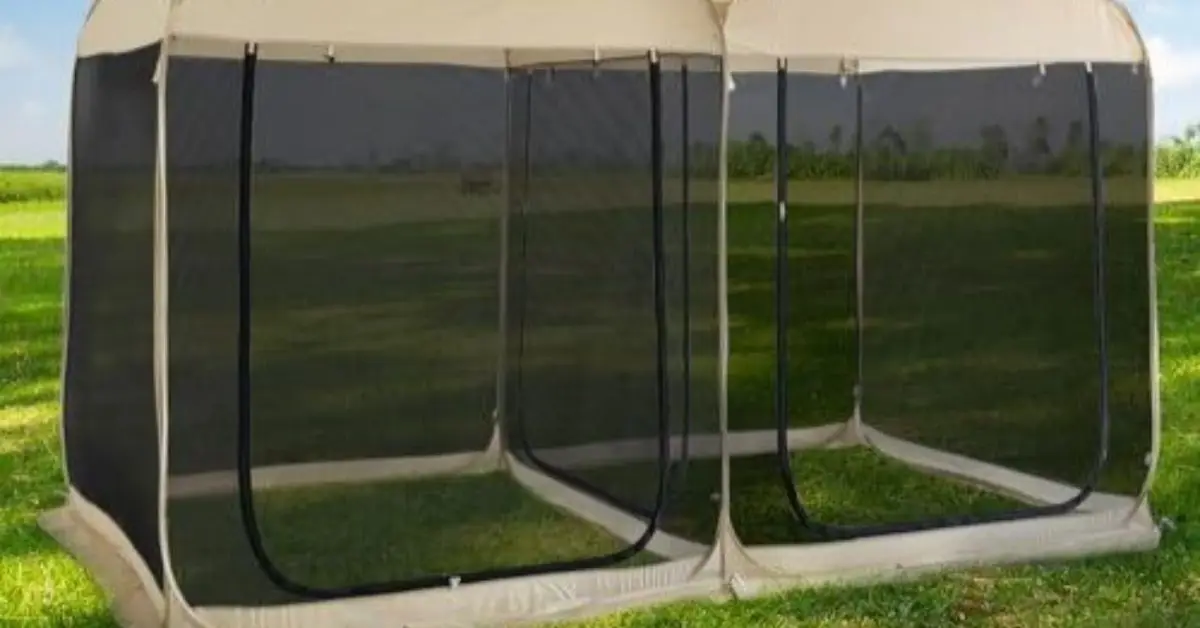
Imagine that you have been camping all day, and now you are hungry and want to eat at the campsite, but you notice flies and insects hovering around your plate, and there is no other choice but to hurry and finish your meal. Annoying, isn’t it? Then, what features should you consider when looking for a pop-up screen house? We’ll cover quick assembly, protection, comfort, sturdiness, adaptability, and value. A fast-to-assemble instant screen house or screen tent can protect your meal from becoming a fly feast—no need to wave hands while you eat.
Table of Contents
What Is a Pop-Up Screen House?
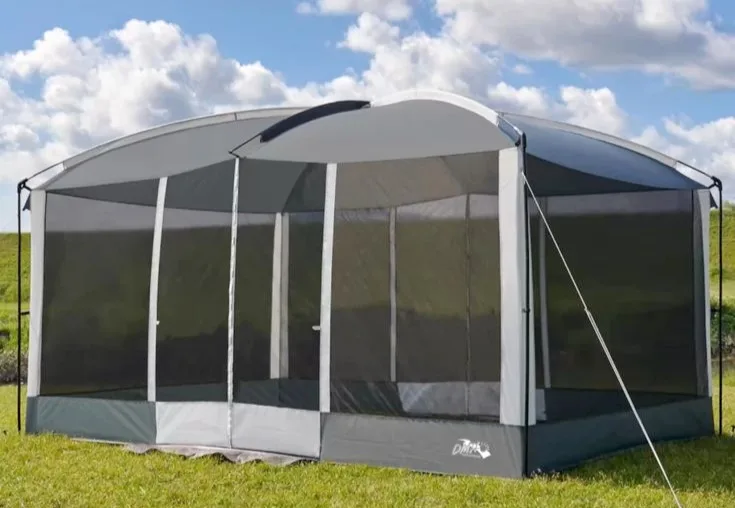
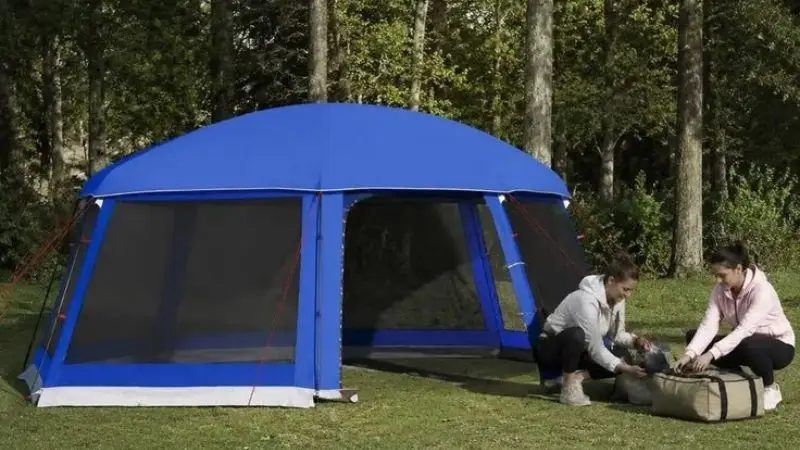
A pop-up screen house is a freestanding structure which has mesh walls and a roof. With a screen house, you will have an outdoor room where bugs won’t bother you. It acts like your personal fort from all sorts of insects and flies. The frame is already assembled inside the material. All you need to do is open it up and let the house pop up. No poles to assemble. No instructions, either.
Recommended For Your Project
How Does a Pop-Up Screen House Work?
What makes the screen houses unique is the frame itself. Fibreglass or steel poles are permanently connected and can fold when twisted or when the shelter is collapsed. Once the pressure is released, the poles return to their pre-bent position with a clicking or popping sound. Setting up the shelter takes about one minute. Packing it down is similar. You fold the sides inward and twist the frame inside the carry bag.
Most models include stakes and guy lines. You push the stakes through loops at the base corners. Attach guy lines to the roof or sides. They anchor the shelter on windy days. Some designs add a floor or weighted corners for extra stability. The best screen house canopy often features a coated roof panel. That panel blocks light rain and harsh sun. The mesh walls let air flow through. You stay cool and bite-free at the same time.
Where Can You Use a Pop-Up Screen House?
You can set up a screen house for camping right beside your tent. It becomes your dining room, card table, or quiet reading nook. Campgrounds with picnic tables love these shelters. You eat dinner without slapping mosquitoes between bites. A screen enclosure for camping also works at the beach, in a park, or at a tailgate party.
The most common use is in the backyard. You plan a barbecue and keep flies off the potato salad. Children play indoors while you sit back and take a break. You can also use screen houses for camping, as garden shelters, and by the pool. Instant screen houses are ideal even when setting up a stall at the farmers market or a craft fair. This screen house protects you from insects and light rain.
Key Features to Look for in a Pop-Up Screen House
Easy Pop-Up and Folding Design
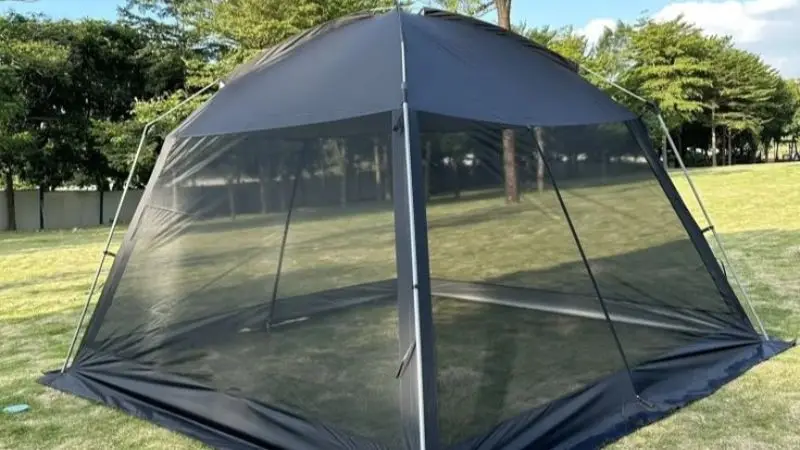
You want a shelter that opens fast. Look for a pop-up screen house with a hub-style frame. The poles stay connected inside the fabric. You pull the shelter from its bag and shake it out. The frame snaps into shape. This instant setup takes seconds, not minutes. You spend less time building and more time relaxing.
A good design also folds down just as quickly. You push the hubs inward and twist the frame. The whole thing collapses into a flat circle. It slides right back into the carry bag. Check the bag size before you buy. A compact packed size fits in your car trunk or RV storage. Easy installation and disassembly are crucial on each trip. The screen house and quick-fold structure make camping trouble-free.
Strong and Durable Frame
Weak poles can ruin a decent shelter, so choose the best screen tent for your backyard. Fibreglass poles are flexible and corrosion-resistant. Steel poles add durability but add weight. Choose thick poles with reinforced joints. Hubs receive the most stress during assembly. Metal hubs are more durable than plastic ones over time.
Also consider the fabric. It can be ripstop polyester or nylon; this type of fabric will not tear easily. For example, a coated screen house canopy will protect from light rain and shield you from ultraviolet radiation. Pay attention to mesh count; it should be high because only this kind of weave will keep no-see-ums out of your tent. Good ventilation helps air move through.
Benefits of Using a Pop-Up Screen House
Helps Keep Bugs and Insects Away
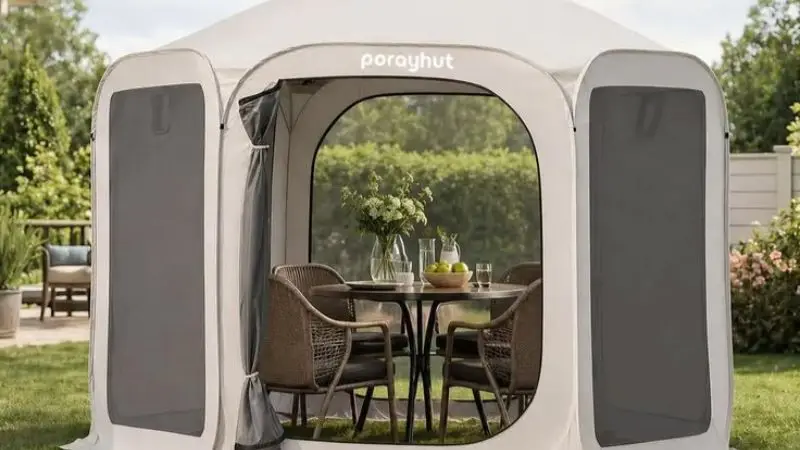
You’re sitting in a screened-in room. Mosquitoes, flies, and gnats stay outdoors where they belong. End of slapping your arm while having dinner. End of waking up with itchy mosquito bites. You get peace of mind with the pop-up screen house.
Bug protection completely transforms your outdoor experience. You enjoy a full course without hurry. You enjoy cards without applying insect repellent. You can read books without being disturbed. A camping screen house makes your campsite a pleasant place to stay. The screening also keeps bees and wasps out during backyard cooking. It becomes very important when children are running around with juice boxes.
Provides Shade and Outdoor Comfort
A screen house canopy does more than keep insects away. The canopy roof shields one from scorching sunlight and even light showers. The roof also helps keep you cool during the day when temperatures are very high. Mesh sides allow for ventilation. This keeps the space from feeling like a sealed box. You enjoy a space which is safe from insects, wind, and the harmful sun rays.
You can consider this an outdoor room. If you set up a screen house in the backyard, you’ll create a shaded area where kids can do crafts at the picnic table. You can sip your lemonade without squinting. You can also use the screen house as a reading space or even a place to nap. The advantages of having a screen house or tent extend beyond camping. You can enjoy the same comfort of shade, ventilation, and a bug-free space wherever you choose to erect the structure.
How to Choose the Right Pop-Up Screen House
Consider Your Main Purpose
Your main activity shapes every choice you make. A pop-up screen house for backyard cookouts needs different features than one for rugged camping trips. Think about where you will use it most. Will you host family dinners on the patio? Do you need a bug-free zone at your kid’s soccer game? Maybe you want a screen enclosure for beach days. Each setting demands its own balance of weight, size, and weather protection.
Camping trips often mean packing light and moving around a lot. You want an instant screen house that folds small and sets up fast. Backyard use lets you choose a heavier, roomier model. You can leave it standing all summer. The best portable screen tent for tailgating needs quick setup and a compact packed size. Your purpose also decides how much weather protection you need. Campers face wind and rain. Backyard users mostly need shade and bug control. Match the shelter to your real habits, not a fantasy trip you might take someday.
Check the Size and Capacity
Size determines comfort, mobility, and cost. Measure your average group before you buy. A screen house shelter that fits two chairs and one side table is small. Others have enough room for a picnic table and six people. Consider your furniture. Are you planning to carry a full dining table within? What about children who will use the floor space to play? Allow some extra inches of clearance on both sides.
Size when packed matters as much as size when opened. It will be a problem to carry an oversize screen house shelter that won’t fit into the back of your car. Compare the carrying case dimensions with your storage space. Size is also related to weight. Heavier shelters last longer, but they can make the walk to the campsite exhausting. Lighter shelters are better for short trips and simple setup. The best screen house for camping balances a roomy interior with a manageable packed size. That balance makes every trip easier.
Conclusion
Setting up quickly gives you more time to enjoy the campsite. The fine mesh helps keep bugs off your food. The durable construction will serve you well during many camping experiences. That is why you should consider the following features before buying: setup time, mesh quality, ventilation, frame durability, pack size, and cost-effectiveness.
Forget about going for the highest possible price. Instead, choose a product that fits your camping needs. The fast screen house suits quick weekend camping perfectly. The large screen enclosure also works well for backyard parties. Whether you camp often or only use it in the backyard in summer, the right screen house will improve your experience.
FAQs
Which are the best instant pop-up tents and how do they differ in terms of durability?
The Coleman Instant Tent, Quechua 2 Seconds, and CORE Instant Cabin are the fastest pop-up tents to erect. The Coleman and CORE models have durable frames, while Quechua makes a portable tent.
Which tents have screens to protect you from bugs?
To protect you from insects, look for tents with all-mesh panels and tight insect screening. These include Coleman WeatherMaster, CORE 9-Person Instant Cabin and Gazelle T4 Plus tents.
Which tents are best for beach camping and how are they equipped?
Beach camping requires a tent with an anchoring system and wider openings that keep your floor free of sand. Neso tents, the Coleman Canopy Tent, and the Quechua beach shelter are recommended.
Which tents are best for car camping and how do they differ in height?
For car camping, cabin-style tents are perfect because they offer plenty of headroom. The CORE Instant Cabin is a good example, and the Coleman Montana & Ozark Trail cabin tents are also highly rated.