Yes, you can grind popcorn kernels or dried feed corn for cornmeal at home. You do not need a professional mill. A blender, coffee grinder, food processor, or grain mill works fine. Grinding corn for cornmeal is simpler than you might think. You can start making cornmeal with tools you already own. The process takes just a few minutes. Fresh homemade cornmeal tastes better than store-bought. You can enjoy homemade cornmeal in cornbread, polenta, and more. Once you learn how to grind dried corn into cornmeal, you will want to do it often. Cornmeal from your own kitchen is rewarding.
You will love how versatile cornmeal is. Cornmeal is cheap, too. Try cornmeal this week. Freshly ground cornmeal works well for cornbread, polenta, pancakes, and many other recipes. This simple guide explains how to prepare, grind, sift, and store cornmeal at home. By following these easy steps, beginners can confidently make fresh cornmeal in their own kitchen.
Table of Contents
How to Prepare Corn Before Grinding
Choose Clean, Fully Dried Corn
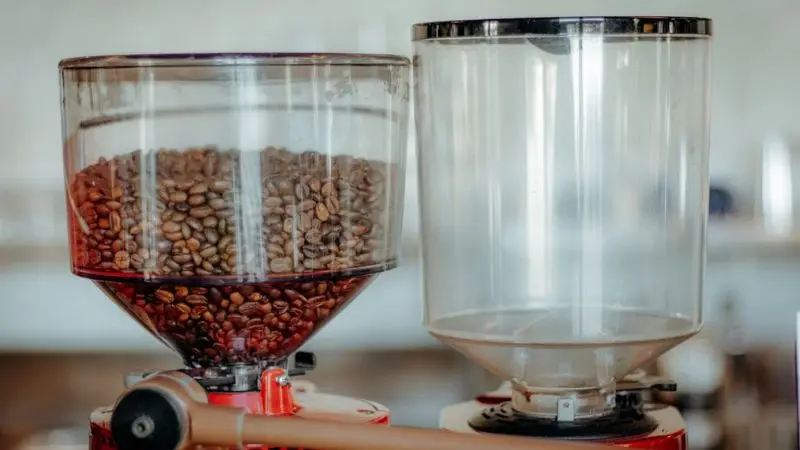
Not all corn is suitable for grinding. You want all dry corn. You can use popcorn kernels! Dried field corn works as well. Search for corn that is marked “dent corn” or “flint corn. The interior of these types is hard and starchy. Their hardness makes them ideal for grinding into cornmeal. How to make cornmeal out of dried corn? Dry corn yields the best cornmeal. Make sure it’s not too wet before getting started. A simple test will tell you everything you need to know. Place a kernel and strike it with a hammer. A kernel that has no water inside bursts apart. A wet kernel squashes or squooshes. You have to get that break. Corn tends to become grainy when it’s wet. It will also go bad quicker.
Recommended For Your Project
Typically, store-bought popcorn is dry enough. It is available in bulk and affordable. Corn from farm stores works well too. Just be sure that it is food-grade. Certain feed corn has treatments that you don’t want to consume. Ask the seller if the corn is for human consumption. Dry corn will keep for a long time. Keep out of sight and out of the sun. A closed container is ideal. Proper corn drying produces a smooth grind.
Clean and Sort the Corn
After the corn dries, clean it. This is an easy but crucial step. The kernels contain dirt, dust, and debris. Those who make their own cornmeal don’t want them in there. Start by spreading the kernels on a baking sheet. Sort them out by hand. Remove any stones, sticks, or other foreign objects. Check for off-appearing kernels. Throw away any that are discolored, moldy, or damaged. A bad kernel can spoil a good harvest. Make your homemade cornmeal with clean ingredients.
Next, check for insect damage. If you see little holes in the kernels, bugs have already gotten to them. Toss those out. Only clean, whole kernels are desired. Rinsing is optional. Some people rinse the corn and then dry it again, as this is one of the best ways to grind corn into cornmeal. Others do not do this. If you rinse, spread it on a towel afterward. Allow it to dry thoroughly. Any moisture at this stage will cause problems later. Take the extra few minutes for cleaning. It’ll please your taste buds.
Choosing a Food Mill for Grinding Corn for Cornmea
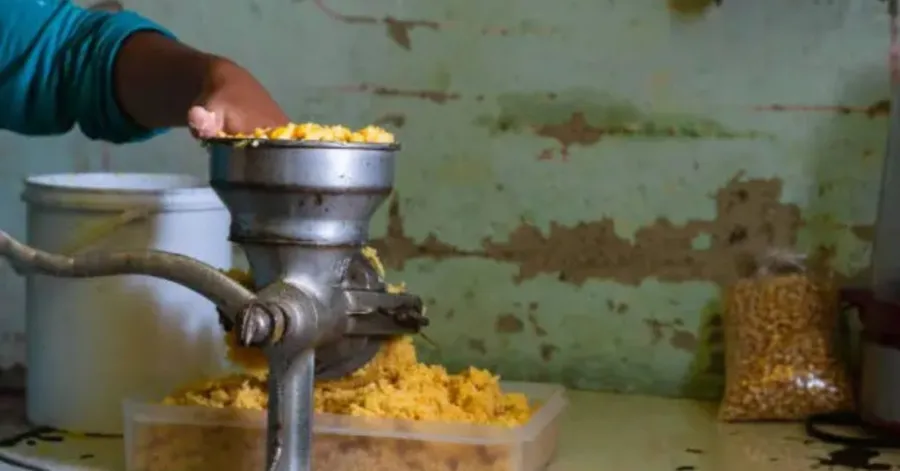
A food mill is a convenient appliance for several culinary uses. You may wonder about it because you’re thinking about grinding corn for cornmeal. The solution varies by mill. You can process small batches in a food mill using the fine plate. It will not provide the same texture as a grain mill. However, it will do in a pinch. You can also use a food mill to prepare other foods. Think of it as an all-purpose kitchen tool.
Food Mills for Gluten-Free Baby Purees
If you already have a baby at home, you’ll know how useful a good food mill is. These mills help make smooth purees out of cooked fruits and veggies. They make a great addition to gluten-free meals. Applesauce, carrot puree, or squash mash. The mill removes the skins and seeds from the soft flesh. That means less work for you.
A food mill is also useful when making cornmeal for baby food. A food mill makes it easy to grind corn into a fine, smooth paste for baby food. You can use this paste as a baby’s first food. It’s gentle on little tummies. Just be sure to cook your cornmeal until it is soft. A food mill gives you control over texture. Purees can be smooth or chunky, depending on your preference.
Food Mills With Multiple Grinding Plates
Many food mills can use several different grinding plates. The holes on each of the plates are different sizes. For chunky sauces, use a coarse plate. Use a medium plate for most daily tasks. Use a fine plate for a smooth texture. This feature is a tremendous advantage to home cooks.
When learning how to grind corn kernels into cornmeal, use the fine plate. The outcome will be less fine than commercially available cornmeal. You can use it for cornbread or polenta. You can run the corn through the mill twice. This will result in a finer grind. Several plates can do the work of many. This saves cabinet space and money.
Food Mill Alternatives for Processing Food
Depending upon the food you are processing, a sieve or blender may be a useful alternative to the food mill. A sieve is ideal for small quantities and can sift pre-ground cornmeal, though a blender can easily process dry corn kernels. Use short pulses because blenders can create an uneven texture and generate heat; sift the finished cornmeal if needed. Choose the tool based on batch size, desired texture, and the equipment you have at home.
Food Mills vs. Sieves
A sieve is a simple device. It has a meshed bottom and rim. You push food into the mesh using a spoon or scraper. A food mill performs the same function as a plate and crank, but by using a plate and crank to strip skins and seeds from soft flesh. For smaller quantities, a sieve is suitable. You can control the pressure that you apply. This control helps when grinding soft, cooked corn into a paste. A food mill spares your arm. The crank does all of the work for you! A food mill is also easier to work and can treat larger quantities.
How to grind whole corn for cornmeal? A sieve isn’t enough to grind corn into cornmeal. Dry kernels require a blade or burr to crack them. You can grind corn before sifting the cornmeal through a sieve. That is a finer texture combination. A sieve is easy to make and inexpensive to store. A food mill costs more, but it does more.
Food Mills vs. Blenders
A blender is best for grinding corn. Rotates blades at a high rate of speed. Those blades convert dry kernels to cornmeal in no time. That is a rate a food mill can’t match. A blender also works well for processing large quantities. Blenders have one major disadvantage. It creates heat. That heat can toast your cornmeal and change the flavor. Blend in short pulses. This helps to maintain cool cornmeal. A food mill is a cool, slow-turning mill. The slow speed preserves your cornmeal’s flavor.
A blender produces an inconsistent grind. Some pieces remain coarse, while others turn to dust. The fineness of the ground corn in a cornmeal depends on the use the corn is to be put to. A food mill provides a more uniform consistency. After blending the cornmeal, sift it to remove any large stones. This action filters out the larger chunks. You can use either method to grind corn. Choose whichever you have and start with it.
How to Sift and Store Homemade Cornmeal
Why Sifting Matters
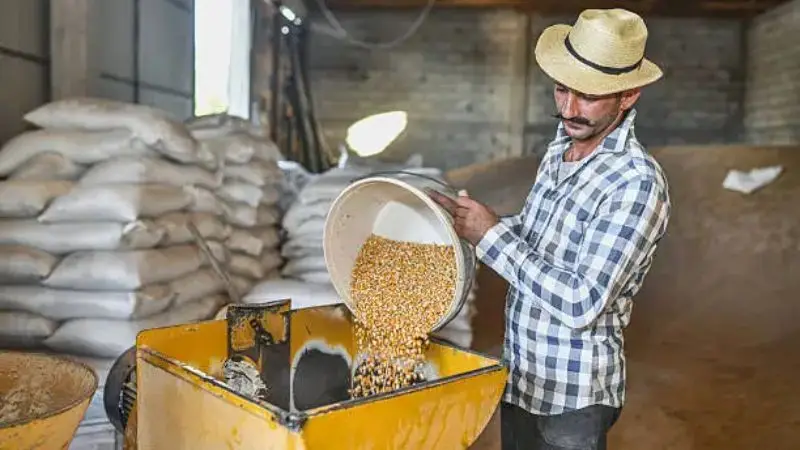
Sifting is a fast, important step, but people often overlook it. Newly milled cornmeal is always a blend of both fine and coarse. The coarse bits don’t cook the same as the fine powder. That type of unevenness will ruin your baking. Sifting fixes this. Sieve the ground corn. What is the ideal grind of corn for cornmeal? The fine powder falls through. The big chunks remain on the sieve. Those can be ground again. This will take 1 minute. The resulting cornmeal will be more uniform. Sifting also eliminates any loose hulls and other particles. That means you will have a purer product to use in your recipes. Cornbread, polenta, and pancakes require consistency. A uniform texture means even cooking; no gritty spots in your batter.
How to Make Cornmeal Finer
Remove the larger pieces from your sieve. Feed them through your grinder once again. They are further broken down in a second pass. Repeat till desired texture is obtained. This works with any grinder that you have. Sometimes homemade cornmeal is too coarse for the recipe you are using. That doesn’t mean you should discard it or start over. You can make cornmeal smaller in three ways: re-grind it, sift out larger pieces, or try a different grinding technique. The goal is to break down larger corn particles into smaller, more uniform pieces without generating excessive heat.
The best way to turn coarse cornmeal into a finer texture is to run it through the grinder a second time. Fill the grinder with a small amount of cornmeal and run the machine in small batches. After the first pass, a second pass further breaks down the larger particles that were not picked up during the first pass.
How to Store Homemade Cornmeal
Store homemade cornmeal in a cool, dark place. A pantry or cupboard will do. The best way to grind corn for cornmeal is to clean and thoroughly dry the corn before grinding; only grind what you need. If stored properly, the flavor stays fresh for weeks. Homemade cornmeal requires proper storage, as the natural oils in freshly ground corn may be higher than in highly processed commercial cornmeal. If the cornmeal is exposed to heat, moisture, air, and light, these oils can cause it to go stale sooner.
Grind thoroughly and let the cornmeal cool completely before storing. Heating cornmeal in a closed container can cause condensation inside that may lead to mold or spoilage. If you store homemade cornmeal for a short period, keep it in a cool, dark, dry pantry. Avoid placing it in direct sunlight, ovens, stovetops, dishwashers, or any other heat source.
How Long Does Homemade Cornmeal Last?
You can keep your homemade cornmeal for several months! When grinding whole corn for cornmeal, use clean, thoroughly dry kernels and store the cornmeal properly. Test the odor before using the product each time. Discard if it has an old or unpleasant odor. Cornmeal should have a sweet and corny odor. When dried at room temperature and stored in a clean, airtight container in a cool, dark, and dry food pantry, homemade cornmeal usually keeps for several weeks.
A cool cupboard, away from the stove, oven, sun, and other heat sources, is a good choice. Don’t leave it open or in a warm or humid location. Never let freshly ground cornmeal cool in a container, as condensation can form inside.
Best Containers for Storing Cornmeal
Ideal containers are glass jars that have tight lids. Mason jars are a good option. Ensure the container is tight. Airtight blocks help to prevent contact with oxygen and moisture. The ideal container for home-made cornmeal is impervious to moisture, air, light, and insects. How fine does corn need to be ground for the making of cornmeal? Natural oils in freshly ground cornmeal can become stale when exposed to oxygen and heat. A tight-fitting storage container helps keep cornmeal protected from environments that may cause it to go stale or rancid.
When putting cornmeal into any container, be sure it is cool and dry. The size is a matter of taste. Don’t use a large container for a small amount of cornmeal, as a large container leaves more air space.
Learn to avoid common grinding errors, such as using undried corn, grinding on the wrong setting, and overheating the grinder by processing too much corn at once. Moist corn can clog the grinder, and an improper grind setting can produce cornmeal that’s too fine or too gritty. To keep moisture and oxygen out, store homemade cornmeal in a tightly covered container in a cool, dry place. With proper preparation and practice, you can make fresh, consistent cornmeal with equipment you already have at home.
Using Corn That Is Too Moist
Once corn is wet, it becomes paste. It blocks your grinder blades. Test the corn first to make sure it’s dry. When it is dry, a kernel will break. A moist kernel squashes flat. A moist kernel squashes flat. Humidity may also cause the kernels to adhere to the grinding plates, blades,s or other internal parts of the mill. Moisture may turn some of the ground corn into a paste as it passes through the grinder. This is especially an issue with hand mills, as it can make the handle harder to turn.
How to mill the kernels of corn into corn meal? Electric grinders can also be hard to use when you are grinding large quantities of wet kernels. Always check the corn’s condition before grinding, and make sure it is sufficiently dry for your grinder.
Using the Wrong Grind Setting
Too coarse, you get grit. How much dried corn should you grind on medium speed to get cornmeal? For most recipes, a medium grind is best. Change according to the kind of thing you are going to create. The texture of homemade cornmeal depends on the grind setting you use. Most grain mills and some food processors let you adjust how fine the ground corn is. If the setting is too coarse, the final product may have large chunks of corn that don’t cook evenly. You can use as fine a setting as you like, but if it’s too fine, you might get a powder more like corn flour than regular cornmeal.
The cooking method determines your recipe’s texture, so choosing the right one matters. For many homemade cornmeal recipes, a medium setting is a suitable general-purpose option. This produces particles larger than fine meal but not quite meal.
Grinding Too Much Corn at Once
Grinding in large quantities will cause your grinder to overheat. Cooking alters the taste. Grind small batches, instead. Less waste means better results. How to grind corn kernels into cornmeal? If too many kernels enter the grinding chamber at once, they will not flow freely, and some will be left coarse while others are ground very finely. Overcrowding in the grinder may also increase the strain on the motor or grinding machine. If the machine receives more kernels than it can handle, the blades or grinding plates may not grind them efficiently.
The motor might slow down, the machine might sound different than usual, or the grinder may feel warmer than usual. If this happens, stop the machine and use less corn in the next batch. Always use the manufacturer’s recommended capacity.
Make Fresh Cornmeal at Home
Grind some corn this week and get acquainted with it. Make use of any equipment available. Any blending device or coffee grinder will do. You’ll find that homemade cornmeal is far superior in flavor to store-bought cornmeal! This becomes easier with practice. You now know how to prepare your own homemade cornmeal. Begin with an easy recipe. Cornbread or polenta is a good option. Both let your homemade cornmeal shine. Making your own food is something to be proud of.
Making cornmeal from corn is a tradition that dates back a long time. More control of ingredients. Try out new ideas in the kitchen. Every batch is a chance to get something new out of it—the fun of being self-sufficient and trying things in the kitchen.
Conclusion
Corn grinders are easy to make and simple to use for grinding corn into cornmeal. Use clean, dry popcorn, dent corn, or flint corn for best results. How to make cornmeal from dried corn? Select a grinder, blender, or other appropriate device for the texture and quantity you need. Grind in small batches to avoid overheating and for a more uniform texture. Remove any large pieces of ground corn, then sift for a finer texture.
Keep homemade cornmeal in an airtight container out of heat, moisture,e and sunlight. When using stored cornmeal, check its smell and appearance. You can now make fresh homemade cornmeal cornbread, polenta, pancakes, and more with a little preparation and practice.
FAQs
Can I use a coffee grinder for this?
Yes, a coffee grinder works well for small batches. Just clean it thoroughly first. Otherwise, your cornmeal may taste like old coffee. Pulse in short bursts to avoid overheating. You will get a decent grind for homemade cornmeal.
Do I need to cook cornmeal before eating it?
Raw cornmeal is not safe to eat straight from the grinder. You must cook it first. Heat kills any bacteria and softens the grain. Cornbread, polenta, and porridge all start with cooking. Never skip this step.
What corn makes the best cornmeal?
Popcorn kernels and dried dent or flint corn give you the best results. These types have a hard, starchy center. That hardness grinds into nice cornmeal. Avoid sweet corn or canned corn. They contain too much moisture.
Can I grind corn in a food processor?
A food processor can grind corn, but the results vary. The blades may leave coarse chunks. You might need to sift and regrind several times. It works in a pinch, but a blender or grain mill gives you a more even cornmeal.
How do I know if my cornmeal is fresh?
Smell it before each use. Fresh cornmeal smells sweet and corny. If it smells stale, musty, or sour, throw it out. Proper storage in an airtight jar keeps it fresh for months. Never risk using spoiled cornmeal in your recipes.