Annular cutters are also called “Rotabroach cutters”. These are a perfect alternative to twist drills. İn construction, choosing the right tools gives you professional results with accuracy and quality. When it comes to precision, the annular cutter proves to be a better solution for metalworkers.
This specialised tool is designed to cut only the edges of a hole with superior performance with a magnetic drill. This guide explains how these cutters work, their types, and why they are used. You will also know how to select the best option according to your needs.
By the end, you will have a clear understanding of the importance of annular cutters in industrial drilling operations. Let’s start exploring!
What to know about an annular cutter?
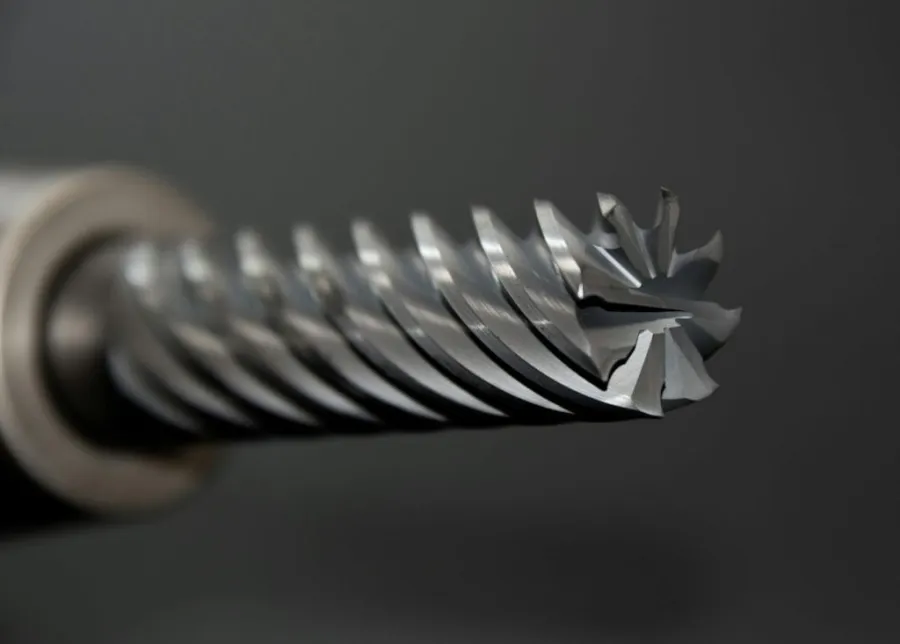
An annular cutter is a hollow and cylindrical tool specialised for drilling large and precise holes in metals. Unlike a twist drill that grinds away the entire diameter of a material, this cutter removes only a thin ring from the outside edge of the hole.
Its perfect geometry gives cleaner holes with minimal burrs. İt can be used with other drilling setups but commonly it is used with magnetic drilling machines. This tool is crucial for industrial work where speed and accuracy are critical.
Working of an annular cutter

The working principle of annular cutters is highly effective, and it is clear and simple to understand. The cutting edges are placed around the outer perimeter of the tool. When the cutter rotates, these edges cut the material and create a circular groove.
At the centre of the cutter, you will find a pilot pin that serves three purposes:
- İt centres the cutter accurately on the workpiece
- Allows coolant or lubricant to flow directly to the edges
- İt ejects the solid metal slug when the cut is done
This cutting method reduces heat buildup and improves tool life by reducing friction. İt is ideal for repetitive tasks and heavy-duty drilling work.
Various types of annular cutters
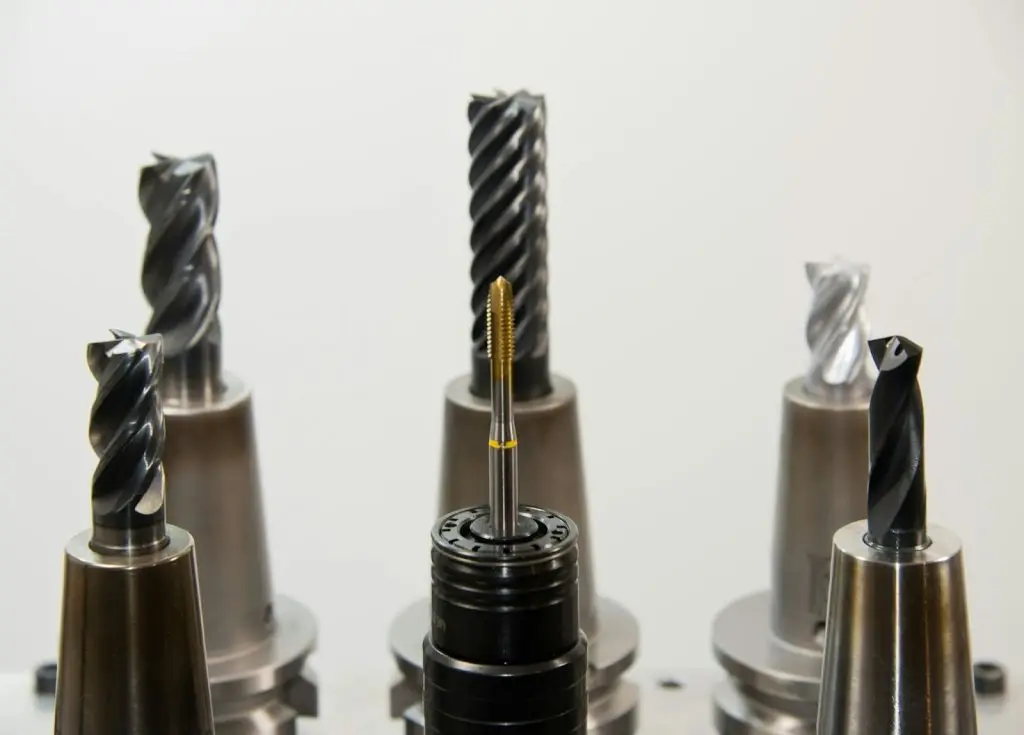
Choosing the right cutter starts with understanding the designs and materials. Each type is specialised for different work.
High-Speed Steel (HSS)
Manufacturers make high-speed steel cutters from alloyed steel that withstands high temperatures without losing hardness, making them a common choice for general drilling tasks. These cutters work precisely in mild steel, brass, aluminium, and other soft metals.
These cutters are budget-friendly and versatile, and are suitable for workshops and light industrial use. They offer reliable performance and tool life when used with the correct speed and lubricated frequently.
Tungsten Carbide Tipped (TCT)
Manufacturers design tungsten carbide-tipped annular cutters for high durability and performance. They weld carbide teeth onto a steel body, combining toughness with exceptional hardness.. İt allows the cutter to handle cast iron, stainless steel, and coarse materials smoothly.
They are more expensive than HSS cutters, but their lifespan and demand for maintaining sharpness under heavy loads make them essential for industrial environments.
Weldon shank vs. quick change shank
The shank design tells you how the cutter attaches to the drilling machine. İt plays a vital role in safety and ease of use.
- Weldon shank cutters: İt features one or two flat sides locked securely into the Arbor with the help of set screws. This design offers maximum torque transfer and reduces the risk of slipping. This makes it ideal for industrial applications.
- Quick-change shank: This shank allows for faster tool changes without additional tools. This shank system improves work efficiency in environments where multiple hole sizes are required in a quick time. They are slightly costly, but they reduce the setup time.
Uses of annular cutters
The versatile nature of the annular cutter makes it suitable for many industries. İt’s common applications are:
- Bridge and infrastructure construction
- Shipbuilding and railway maintenance
- Structural steel fabrication
- Gas, oil, and energy sector installation
- Heavy equipment manufacturing and mending
As you know, these cutters create accurate holes while minimizing material manipulation, making them widely used where load-bearing integrity and precise bolt alignment are critical.
Benefits of using an annular cutter

There are a few reasons why professionals choose annular cutters over traditional drilling methods:
- High-quality holes: Clean, burr–free holes
- Great efficiency: Speedy cutting with less power consumption
- Reduced heat buildup: Less friction and extended tool life
- Material saved: Only a ring of metal is discarded
- More safety: Great stability and controlled drilling
These benefits directly increase productivity and lower operating costs.
Sizes and specifications
Manufacturers produce annular cutters in a wide range of diameters and cutting depths to suit different applications. The diameters range from small sizes to large industrial holes up to several inches. Cutting depth is also important as the thickness of the material is drilled.
When you are choosing sizes, make sure they are compatible with your machine and spindle requirements. Sizes range from metric to imperial, depending on regional standards.
How to choose the right annular cutter
Be careful in choosing the right tool, as it needs some consideration of several factors:
- Material: For harder materials, use the carbide tripped option
- Thickness of material: İt determines the needed cutting depth
- Frequency: Repetitive operations take advantage of premium cutters
- Machine compatibility: Arbour and shank type should match
- Cost-effective: Upfront cost should be balanced against long-term usage
İt is better to invest in an annular cutter set for frequently handled projects. İt provides flexibility and maintains consistent performance.
Maintenance and safety tips
Maintenance increases the life of your annular cutter.
- Make sure you use appropriate cutting fluid, as it reduces friction and heat buildup
- Clean the cutter after every use so that no material builds up on the teeth
- İnspect cutting edges regularly for accurate results
- Replace the tool if you see any sign of excessive wear
- Make sure the workpiece is securely clamped
- The magnetic base should be firmly seated
- Adequate and correct use of speeds
- Wear safety equipment while operating
Common mistakes to avoid when using an annular cutter
There are certain blunders that experienced workers also perform. Common of these mistakes are:
- İncorrect spindle speeds
- Operating without lubrication
- Forcing the cutter through material
- Using dull tools
- Selecting the wrong cutter type for the material
These mistakes can lead to chipping or permanent failure of the tool.
FAQs
What is an annular cutter used for?
Annular cutter is used for precise drilling in large diameter holes with accuracy, speed, and hole quality. These requirements are critical for industrial and construction settings.
Can an annular cutter be used without a magnetic drill?
Yes, annular cutters can be used with other compatible devices like magnetic drills, where the spindle, Arbour, and stability are matched.
How long does an annular cutter last?
The tool life depends on the material type, frequency of use, cutting speed, lubrication, and maintenance. Good quality cutters can last through hundreds of holes.
Is an annular cutter better than a twist drill?
Yes, it is better for drilling large diameter holes in metals. İt is typically more efficient, accurate, and durable than a twist drill, which makes it ideal for professional applications.
Conclusion
For professionals in metalworking and construction, understanding the applications and details of annular cutter drill bits is crucial. Whatever type you choose, HSS or TCT, these tools are preferable to other twist drills for precise work.
Equip yourself with enhanced productivity and achieve marvelous results in your work by upgrading the annular cutter drill. İnvest in the right annular cutter bits to get professional results across all metalworking projects.