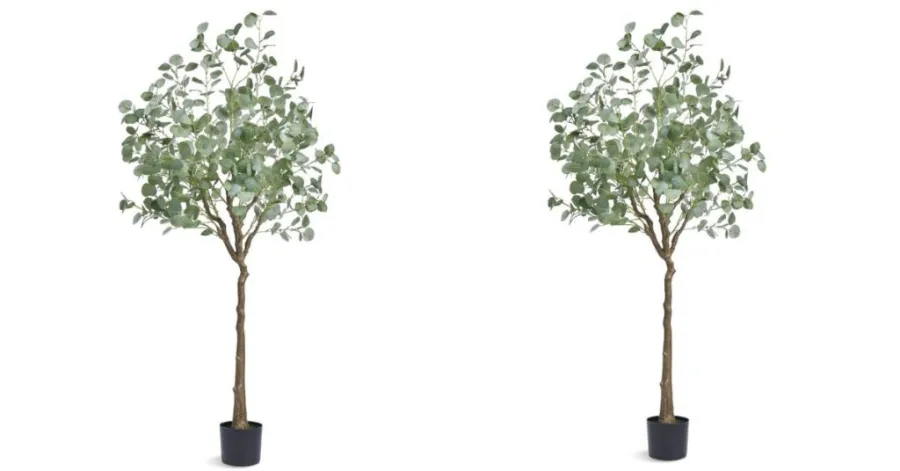
A beautiful garden adds charm to any outdoor space, but maintaining real plants takes time, effort, and constant care. Not everyone has the time or expertise to keep real plants. It can be frustrating to find artificial outdoor plants that actually look realistic and don’t fade or fall apart.
In this guide, we’ll help you discover the most realistic artificial outdoor plants that bring year-round beauty to your garden without the upkeep. Enjoy lush greenery with zero stress.
Most Realistic Artificial Outdoor Plants
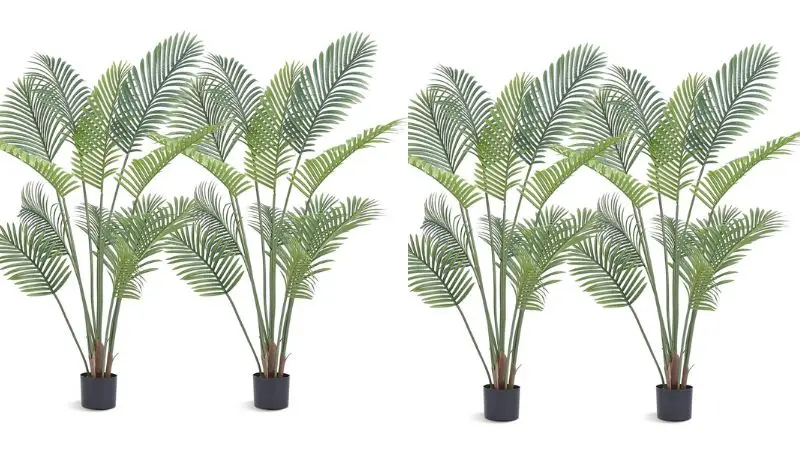
You want your garden to look real, not fake. The most realistic artificial outdoor plants for the garden can fool even the most discerning eye. They appear fresh and natural, even when viewed up close. Let’s break down what makes these plants stand out.
Material Quality
Start by checking the material. High-quality options, including realistic fake outdoor trees and shrubs, are made from high-quality plastics or silk. These materials feel sturdy and look like real leaves. Cheap plastic can look shiny and stiff. You want faux greenery that mimics the movement of the real thing. Luxury faux plants often employ a combination of materials to achieve a lifelike effect. If you touch the leaves and they feel soft, you’ve made the right choice.
Tip: Avoid plants that feel brittle or have sharp edges. Real leaves never feel that way.
UV Resistance
Sunlight can fade colors fast. The best outdoor artificial plants for full sun are designed with UV resistance built in. This means the color stays bright, even after months outside. If you skip this feature, your faux greenery might turn blue or yellow. Always check the label for UV protection. Luxury faux plants often feature this trait as a key selling point.
Color and Finish
Real plants have many shades of green. The best outdoor artificial plants for full sun show color changes from the stem to the tip. Look for plants with a matte finish. Shiny leaves look fake. Some brands use a powdery coating to reduce shine. You want to see light and dark spots, just like in nature.
Here’s a quick table to help you spot the difference:
| Feature | Realistic Plant | Fake-Looking Plant |
| Color | Many shades, not uniform | One flat color |
| Finish | Matte, soft | Shiny, plastic-like |
| Texture | Veins, bumps, details | Smooth, plain |
Hand-Painted Details
Hand-painted details make a big difference. Painted veins, spots, or even tiny flaws copy what you see in real leaves. If every leaf looks perfect, it won’t fool anyone. Look for plants with small color changes and textured lines. These details may be pricier, but they make your garden look stunning.
Note: You probably won’t find these high-end options at your local department store. Many realistic fake outdoor trees and shrubs come from specialty shops or online stores. They may cost more, but they last longer and look much better.
When you choose the right materials, incorporate UV protection, opt for natural colors, and add hand-painted details, your faux plants will blend seamlessly into their surroundings. Your guests might even ask if you hired a gardener!
Choosing Artificial Outdoor Plants
Size and Proportion
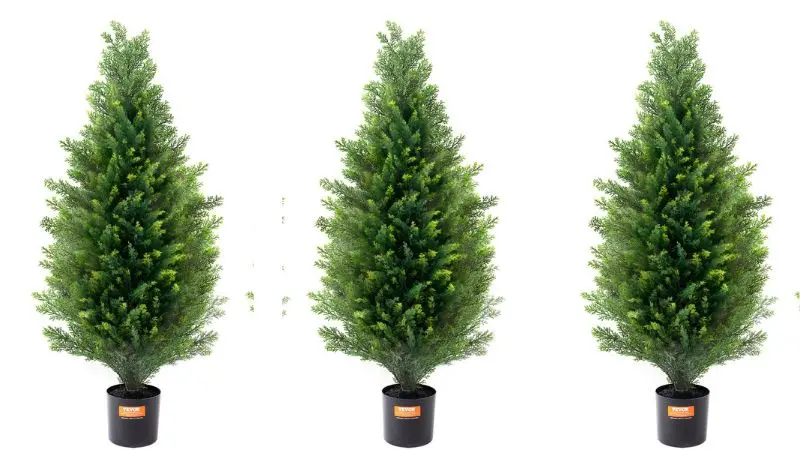
Consider your garden space before making a purchase. Big plants can make a small patio feel crowded. Tiny plants might look lost in a large yard. Measure the area where you want to place your greenery. Try to match the plant’s size to the space. For a bold look, choose one or two large plants as a focal point. For a softer touch, group smaller plants together.
Tip: Odd numbers look more natural. Try using three or five plants in a group for a balanced look. Low-maintenance fake outdoor plants in varying sizes can help you build visual interest without the upkeep.
Durability
Outdoor weather can be harsh. Rain, wind, and sun can damage low-quality plants. Choose options made for outdoor use. Look for words like “weatherproof” or “UV-resistant” on the label. These plants last longer and keep their color. Avoid plants with thin stems or leaves that feel flimsy. Strong stems and sturdy leaves are better able to withstand wind and rain. The best outdoor artificial plants for full sun are specifically built to endure harsh weather without fading.
Here’s a quick checklist for durability:
- UV-resistant label
- Weatherproof materials
- Thick, sturdy stems
- Securely attached leaves
- Maintenance Needs
Artificial plants need less care than real ones, but they still need some attention. Low-maintenance fake outdoor plants can gather dust, and dirt can build up over time. Wipe the leaves with a damp cloth every few weeks to keep them clean and fresh. If your plants get filthy, rinse them with water and let them dry in the shade. Avoid using harsh cleaners, as these can damage the finish.
Note: Shiny finishes and plants with a single flat color appear fake. For the best look, pick plants with a matte finish and natural color changes.
Assessing Realism
In-Store Checks
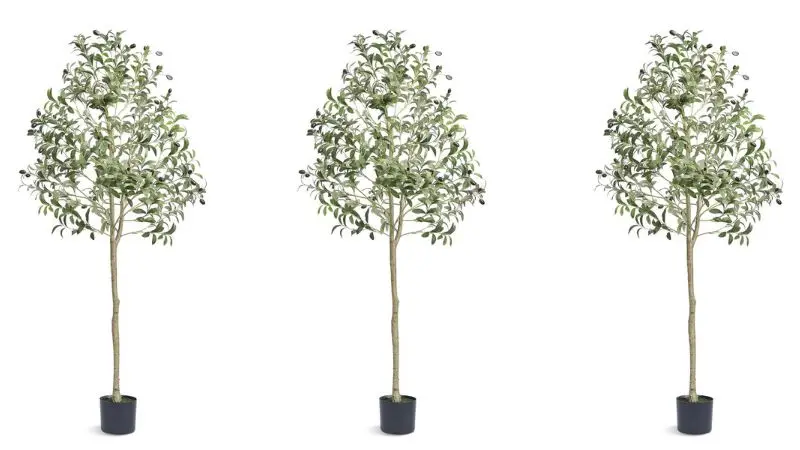
Shopping in person gives you a significant advantage. You can touch and see the quality up close. Start by feeling the leaves. Realistic plants have soft, flexible leaves. If the leaves feel stiff or rough, they look fake. Look for color changes on each leaf. Real plants have spots, veins, and different shades of green. Try to spot these details.
Check the stems and branches. Do they bend a little? That’s a positive sign. Stems that snap or feel brittle will not last long when exposed to the outdoors. Take a close look at the finish. Matte leaves appear more natural than their shiny counterparts. If you see a lot of shine, keep looking.
Tip: Hold the plant next to a real one in the store. Compare the colors and textures. This trick helps you spot the most realistic artificial plants for the garden.
Online Shopping Tips
Buying online can be tricky, but you can still find great options. Start by looking at close-up photos. Zoom in on the leaves and stems. Can you see veins or color changes? Low-maintenance fake outdoor plants may not look entirely realistic in your garden if every leaf appears identical.
Read customer reviews. Other buyers often share photos and talk about how the plant looks outside. Look for comments about color, texture, and how the plant holds up in the sun and rain.
Check the return policy before making a purchase. Occasionally, a plant looks different in person than it does online. A good return policy lets you return it if it doesn’t meet your standards.
Here’s a quick checklist for online shopping:
- Zoom in on product photos
- Read reviews for real-life pictures
- Check for color and texture details
- Review the return policy
With these tips, you can find artificial plants that closely resemble the real thing.
Landscaping with Artificial Outdoor Plants
Mixing with Real Plants
Mixing faux greenery with real plants can make your garden look more natural. Place the most realistic artificial plants for the garden next to live ones. This trick helps the fake plants blend in. Real soil, mulch, or stones around the base add to the effect. If you use flowering faux greenery, match the color and type with real flowers nearby. Your guests will have a difficult time telling which plants are real.
Tip: Rotate your faux greenery every few months to keep it looking fresh and vibrant. It keeps the look fresh and helps you spot any fading or damage.
Natural Planters and Bases
Choose planters that look like stone, clay, or wood. These materials help the best outdoor artificial plants for full sun look more lifelike. Avoid plastic pots with bright colors or shiny finishes. You can also add natural elements, such as pebbles, bark, or moss, on top of the soil. This conceals the base of the plant, making the entire display appear more authentic.
Here’s a quick list of planter ideas:
- Terracotta pots
- Wooden crates
- Stone troughs
- Woven basket.
Grouping and Arrangement
Arrange your faux greenery in odd numbers. Three or five plants together look more natural than two or four. Vary the heights and types of plants in each group. Place taller plants at the back and shorter ones in front. This technique creates depth and interest. Try to mix leaf shapes and colors for a lively garden scene.
Use different textures and sizes. Don’t line up your realistic fake outdoor trees and shrubs in a straight row. Let them overlap slightly, just as in nature.
With these ideas, you can master landscaping with faux greenery. Your garden will look full, fresh, and inviting all year.
Common Mistakes
Overusing Identical Plants
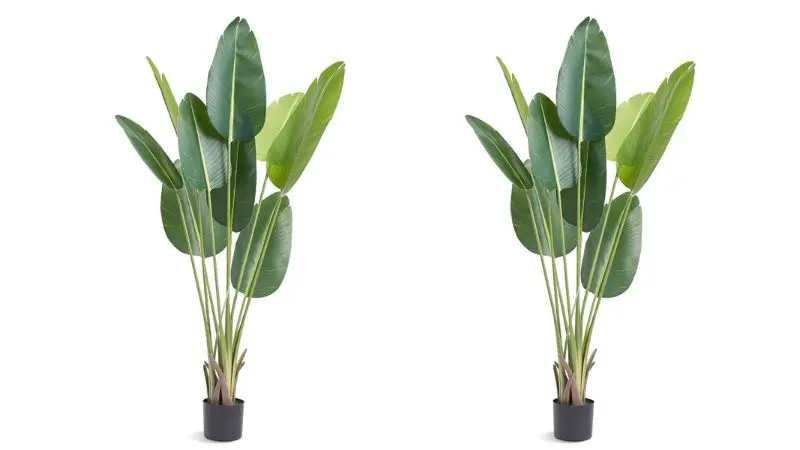
You might feel tempted to buy several of the same, most realistic artificial plants for the garden. It seems easy and safe. However, if you fill your garden with identical plants, your space can appear stiff and artificial. Real gardens have variety. You see various shapes, sizes, and shades. When you use too many of the same plants, your garden loses that natural feel.
Try mixing things up. Pick some with big leaves and others with small ones. Add a splash of color with faux flowers or grasses. If you want a group of the same plant, use odd numbers, such as three or five. This trick helps your garden appear more vibrant and natural.
Tip: Stand back and look at your garden from a distance. If you spot a pattern, break it up with a new plant or a different planter.
Ignoring Placement
Where you put your artificial plants matters a lot. They can look odd if lined up or placed strangely. Real plants grow in clusters, around rocks, or near other plants. Try to emulate nature when arranging your faux greenery.
Think about sunlight and shade. Place taller plants at the back and shorter ones in front. Utilize corners, steps, or other spaces to create visual interest. If you have low-maintenance fake outdoor plants, remember to blend them with real ones. This makes everything look more natural.
Note: Avoid putting all your faux greenery against a wall. Spread them out for a fuller, more inviting garden.
Skipping Maintenance
Even the most realistic artificial plants for the garden require some care. If you let dust and dirt accumulate, your plants will lose their luster and appear dull and lifeless. You don’t need to water them, but you should clean them every few weeks. Use a soft cloth or a gentle spray of water. Check for loose leaves or faded spots.
Make it a habit to refresh your display. Move your plants around periodically. Replace any that look worn out. A little attention keeps your garden looking fresh and real.
Reminder: Clean, rotate, and check your fake plants often. Your garden will always look its best!
Conclusion:
You can create a garden that looks real and beautiful all year round. Always opt for the most realistic artificial outdoor plants made with high-quality materials. Ensure they have UV resistance to maintain the color’s brightness. Pick plants with natural colors that look like real leaves. Place your plants in bright spots and use a variety of types for a realistic look.
Need a fast checklist? Try these steps:
- Look for UV resistance
- Choose matte finishes and different colors
- Pick firm, weatherproof stems
- Use many plant types and sizes
Remember, planning a little helps a lot. Your garden will look great if you make good choices!
FAQ
How do I keep artificial outdoor plants looking fresh?
You can wipe the leaves with a damp cloth every few weeks to keep them clean and fresh. If they get filthy, rinse them with water and dry them in the shade. It keeps your low-maintenance fake outdoor plants looking new.
Can I use artificial plants to create privacy in my yard?
Yes! Try creating privacy with artificial plants by placing tall artificial hedges or bamboo along fences or patios. These plants not only block views but also add a touch of green to your space.
Are artificial plants suitable for balconies?
Absolutely. Adding greenery to balconies is a simple and effective way to enhance the space. They stay green all year and do not need sunlight or water. Select UV-resistant options for optimal results.
Can I use artificial plants for special events?
Yes, using artificial plants in event decor is a great option. You can set them up quickly and move them anywhere. They look fresh all day and do not wilt, even in hot weather.
Will artificial outdoor plants fade in the sun?
If you pick UV-resistant plants, they will keep their color much longer. Always check the label for UV protection before you buy. This feature allows your outdoor plants to look real for years.