Gas pipeline inspection is crucial for safety and efficiency. Regular checks help prevent leaks and corrosion, ensuring smooth operation. Using an articulating borescope can make this task easier and more effective. This tool provides a detailed internal view of pipelines, highlighting potential issues. Safety is paramount when inspecting gas pipelines. Proper preparation and adherence to safety protocols are essential to avoid accidents. Choosing the right inspection tools is also important. An affordable gas pipeline inspection camera can offer great value without compromising quality.
This guide will walk you through the process of using a 180-degree articulating borescope. You’ll learn how to inspect gas pipes for corrosion and detect leaks effectively. Understanding the anatomy of gas pipelines will help you identify common issues. This knowledge is key to conducting thorough inspections. We’ll also cover how to document your findings and maintain your inspection tools. This ensures consistent performance and extends their lifespan.
By following this guide, you’ll gain confidence in performing DIY gas pipeline inspections safely and effectively. If you are looking to inspect home plumbing, drains, or sewer lines, you must use a completely different device, such as a dedicated waterproof sewer inspection camera, which is designed exclusively for water pipes and should never be used in gas environments.
- Why Gas Pipeline Inspection Matters
- Understanding Gas Pipeline Anatomy and Common Issues
- Essential Safety Precautions Before Inspection
- Choosing the Right Visual Gas Line Inspection Tools
- Preparing Your Workspace and Equipment
- Step-by-Step Guide: Using a 180 Degree Articulating Borescope for Gas Pipeline Inspection
- Inspecting Gas Pipes for Corrosion and Leak Detection
- Interpreting and Documenting Your Inspection Findings
- Troubleshooting and Common Pitfalls in DIY Gas Pipeline Inspection
- When to Call Professional Inspection Services
- Maintaining Your Articulating Borescope and Inspection Tools
- Conclusion: Building Confidence and Safety in DIY Gas Pipeline Inspection
Why Gas Pipeline Inspection Matters
Gas pipeline inspections are essential to prevent hazards. Regular inspections help identify issues like leaks and corrosion early. This proactive approach can save you from costly repairs and dangerous situations.
In addition to safety, efficiency is a key reason for inspections. Well-maintained pipelines operate more smoothly, providing consistent service without interruption. This reduces downtime and enhances overall system performance.
Neglecting inspections can lead to various problems. Common issues include blocked or damaged pipes, faulty joints, and external damage. If unaddressed, these issues can escalate, leading to system failures or safety incidents.
The benefits of gas pipeline inspections include:
- Enhanced safety for you and others
- Prolonged equipment lifespan
- Reduced repair and operational costs
- Prevention of environmental damage
Hiring professional inspection services is an option, but understanding the process empowers DIY enthusiasts. By knowing why inspections matter, you’re better equipped to maintain your pipelines. A reliable gas pipeline ensures peace of mind for you and your family.
Understanding Gas Pipeline Anatomy and Common Issues
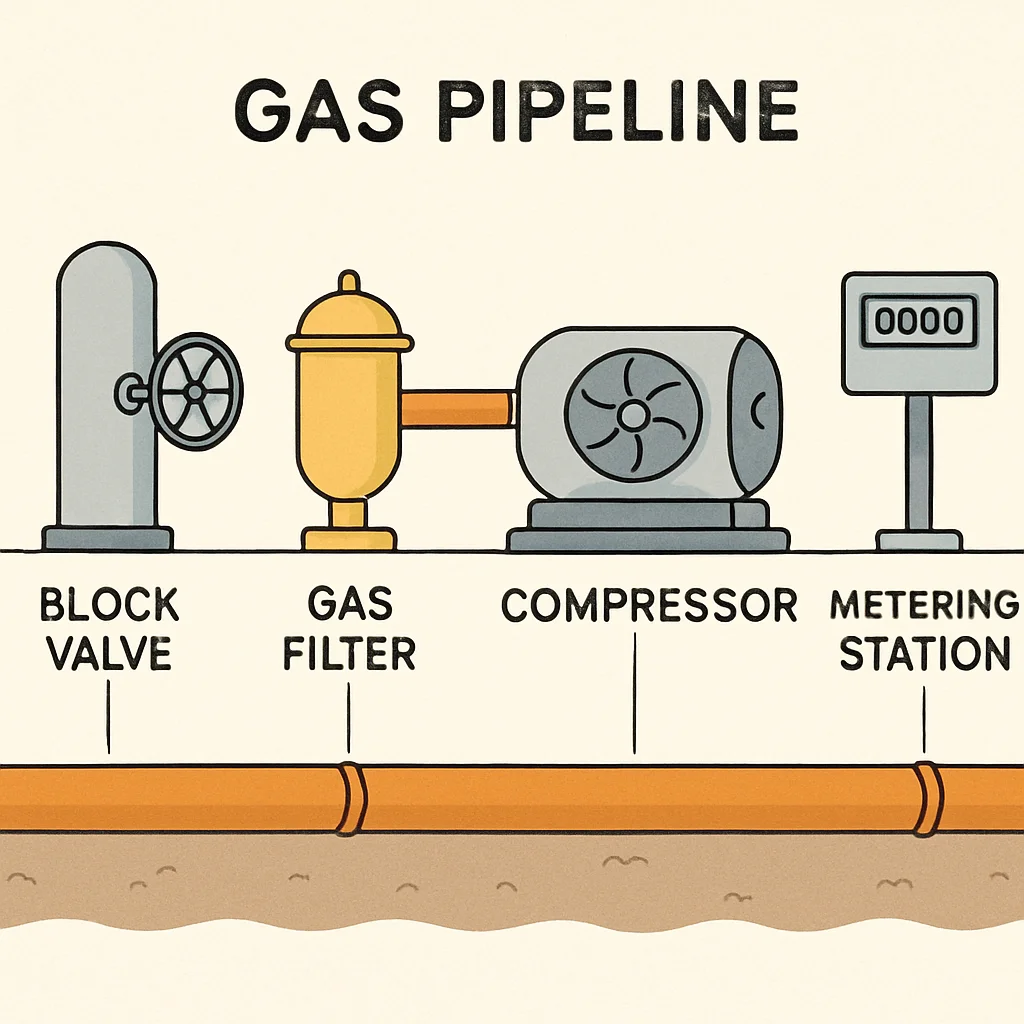
To inspect gas pipelines effectively, understanding their anatomy is crucial. Pipelines vary in design and material, but they typically consist of interconnected segments transporting gas. Key components include pipes, joints, valves, and connectors, each serving a specific function.
Common issues arise from both internal and external factors. Internally, corrosion and deposits can form due to the gas’s chemical composition. Externally, environmental conditions like moisture and temperature changes contribute to corrosion and physical damage.
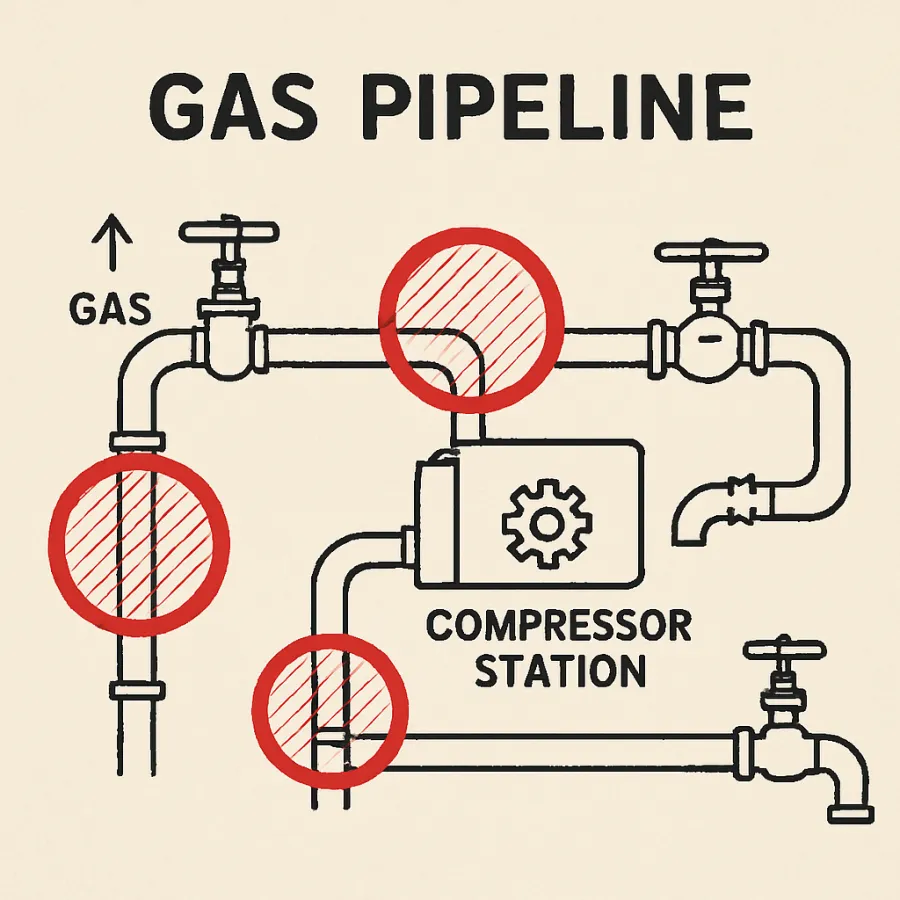
Knowing where these problems usually occur helps focus your inspection efforts. Be especially vigilant around:
- Joints and welds
- Pipe bends and elbows
- Areas exposed to harsh weather
- Old or worn-out sections
Understanding these aspects aids in recognizing early signs of wear or damage. This knowledge arms you with the ability to address issues promptly, ensuring pipeline integrity. Familiarity with pipeline anatomy also assists in selecting the right tools for inspection tasks. Knowing what to look for empowers you to maintain a safe and efficient gas line system.
Essential Safety Precautions Before Inspection
Safety is paramount in gas pipeline inspection. Before starting, ensure you prioritize the well-being of everyone involved. Proper preparation reduces risks and enhances efficiency.
Begin by equipping yourself with personal protective equipment (PPE). Essential items include safety glasses, gloves, and steel-toed boots. These protect against potential hazards such as sharp edges and debris.
Next, assess your inspection environment. Ensure the workspace is well-ventilated to avoid gas buildup that could lead to accidents. It’s crucial to be aware of your surroundings and any potential risks they may pose.
Always conduct a thorough equipment check. Verify that your borescope and other tools are in good working condition. Malfunctioning equipment can compromise both your safety and the accuracy of the inspection.
Finally, familiarize yourself with emergency protocols. Know how to quickly shut off the gas supply in case of an incident. Prepare a plan for immediate action if a gas leak is detected. These precautions ensure a safe and effective inspection process.
Choosing the Right Visual Gas Line Inspection Tools
Selecting the correct tools is critical for effective gas pipeline inspection. The right equipment ensures accuracy and simplifies the process.
Start by considering an articulating borescope for gas inspections. These devices provide a flexible view of internal pipeline conditions. The 180-degree articulation feature is particularly useful for accessing hard-to-reach areas.
In addition to a borescope, invest in supporting tools that enhance your inspection. These may include a flashlight for dark environments, a mirror for angles not covered by the borescope, and a ruler for measuring any visible damage.
Here are key features to look for in visual gas line inspection tools:
- Resolution and Image Quality: Clear images allow for precise assessments.
- Durability: Withstand harsh conditions.
- Ease of Use: User-friendly devices improve efficiency.
- Portability: Lightweight tools are easier to maneuver.
Selecting affordable gas pipeline inspection cameras that meet these criteria is crucial. It’s a balance between quality and cost. Thoughtfully chosen tools are an investment in safety and effectiveness.
Preparing Your Workspace and Equipment
Before beginning a gas pipeline inspection, arrange your workspace properly. A well-organized area minimizes risks and streamlines the process.
First, clear your inspection zone of clutter. Ensure all necessary tools are at hand and easily accessible. This prevents unnecessary disruptions and improves focus during inspection.
Next, check the functionality and condition of your equipment. Confirm that batteries are charged and that the borescope’s articulation is smooth. Inspect cables and connectors to ensure they’re intact.
Here’s a checklist for a prepared workspace:
- Lighting: Sufficiently illuminate the work area.
- Ventilation: Ensure proper airflow to prevent gas accumulation.
- Personal Protective Equipment (PPE): Wear gloves and goggles.
- Emergency Kit: Have a first-aid kit nearby.
Finally, have a plan for unexpected issues. This includes knowing emergency exits and procedures. A well-prepared space and reliable equipment form the foundation of a safe and successful gas pipeline inspection.
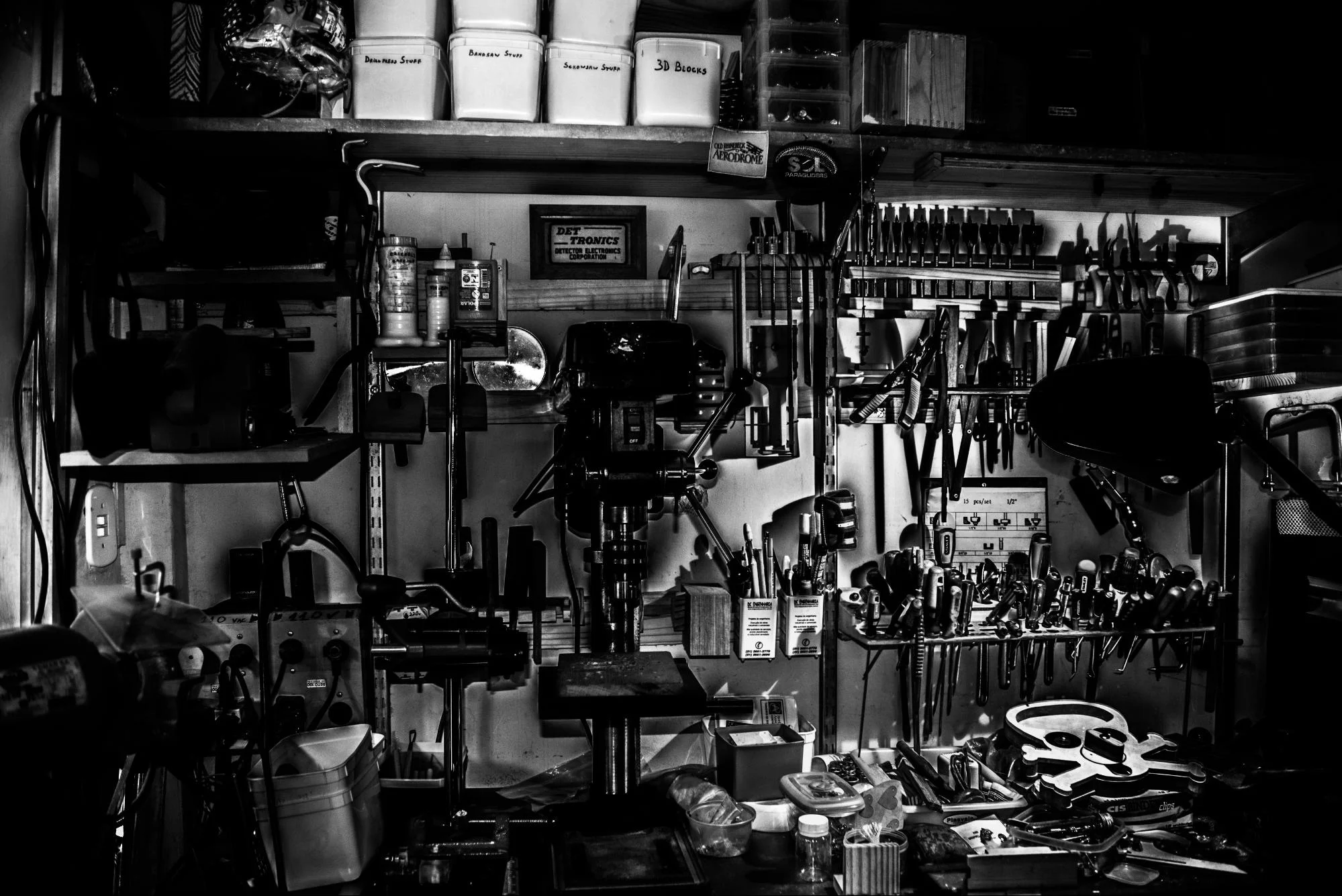
Step-by-Step Guide: Using a 180 Degree Articulating Borescope for Gas Pipeline Inspection
Using a 180-degree articulating borescope effectively requires a structured approach. Begin by understanding the specific pipeline you plan to inspect. This includes noting its dimensions and material, which informs how you handle the inspection.
Before inserting the borescope, perform a visual check of the pipeline’s external condition. Look for visible signs of wear that could indicate potential issues.
Next, power on the borescope, ensuring the articulation mechanism works smoothly. Adjust the camera settings for optimal image quality. A clear view is critical for detecting subtle defects within the gas pipes.
Now, gently insert the borescope into the pipeline entrance. Navigate slowly, allowing the flexible neck to adapt to the pipeline bends. Patience is key here; hasty movements might damage the scope or miss areas of concern.
Focus the camera on key points like joints and bends where corrosion is more probable. Use the articulation to examine each section thoroughly. Move the camera head back and forth to gain a comprehensive view.
While inspecting, maintain a methodical approach. Note any rust, blockages, or unusual deposits in the pipe. Keep a checklist handy to ensure nothing is overlooked.
Here’s a suggested inspection sequence:
- Joints: Inspect closely for cracks.
- Bends: Check for material stress.
- Surfaces: Look for uniformity.
After reviewing the full length of the pipe, slowly retract the borescope. Take care to avoid snagging on internal pipe features.
Capture images or videos with the borescope’s recording feature for documentation. This visual data is invaluable for follow-up maintenance and reference.
Once the inspection is complete, review your findings carefully. This will help in diagnosing issues and planning repairs if needed.
Finally, clean the borescope according to the manufacturer’s guidelines to ensure its longevity. Store it in a protective case to prevent damage. Consistent maintenance of your tools enhances their performance for future inspections.
Inspecting Gas Pipes for Corrosion and Leak Detection
Detecting corrosion in gas pipes early is crucial for maintaining a safe system. Corrosion often begins subtly, so attention to detail during inspections is essential.
Focus on high-risk areas, such as joints and bends, where corrosion typically first appears. These areas are prone to collecting moisture, which accelerates the rusting process.
When examining the interior of the pipe, look for discoloration or pitting. These are telltale signs of metal deterioration. An articulating borescope helps you closely inspect these internal surfaces.
For effective leak detection, listen for hissing sounds which indicate escaping gas. Pay special attention to any dark stains or moisture, as these may also suggest leaks. The borescope’s camera can help visualize these difficult-to-reach locations.
Here’s a checklist for corrosion and leak detection:
- Discoloration: Check for rust or unusual colors.
- Surface Pitting: Look for small, shallow cavities.
- Moisture and Staining: Indicative of potential leaks.
Use the camera’s recording function to capture detailed images of any suspected issues. Documentation facilitates professional consultations if needed, ensuring you address the problem promptly and effectively.
Interpreting and Documenting Your Inspection Findings
Properly interpreting your inspection findings ensures effective decision-making regarding maintenance. Begin by categorizing issues based on severity: minor, moderate, or urgent. This step helps prioritize your actions and resources effectively.
For accurate documentation, capture clear images and video clips using your borescope. These visuals provide a reference point for tracking deterioration over time and facilitate communication with professionals if necessary. Be sure to note the specific location, type, and size of each issue detected.
A detailed inspection report should include the following information:
- Date and Time: When the inspection occurred.
- Location: Specific pipeline section and details.
- Observations: Description of findings and anomalies.
Regularly reviewing past reports aids in recognizing patterns or recurring problems in the pipeline. This ongoing documentation can help refine future inspection processes and strategies, ultimately extending the lifespan of your gas pipes while ensuring safety.
Troubleshooting and Common Pitfalls in DIY Gas Pipeline Inspection
DIY gas pipeline inspection can be tricky without proper guidance. One common mistake is using the wrong borescope type, leading to unclear or incomplete visuals. Ensure your articulating borescope is suited for gas pipes specifically.
Lighting issues often hinder accurate inspections. Make sure your borescope is equipped with adequate illumination for deep, dark pipelines. Insufficient light can obscure critical signs of wear or damage.
Other common pitfalls include:
- Skipping Calibration: Ensures accurate tool performance.
- Rushing: Take your time to conduct a thorough inspection.
- Neglecting Safety Gear: Always use proper PPE.
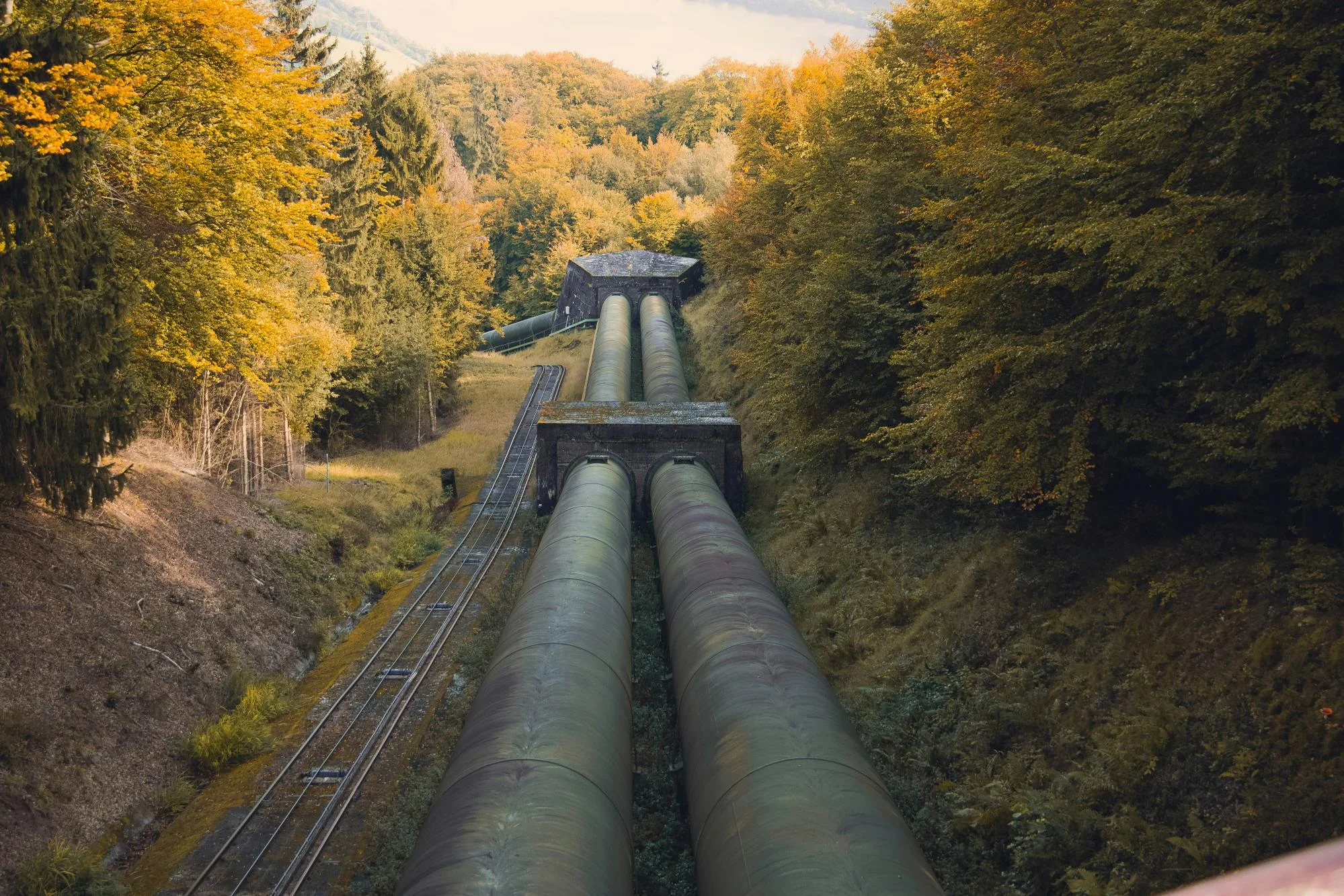
If you encounter unclear footage or equipment malfunctions, refer to the tool’s manual or seek advice from online forums. Addressing these pitfalls will enhance your inspection’s effectiveness and ensure safer DIY practices.
When to Call Professional Inspection Services
While DIY inspections can be effective, some situations necessitate professional expertise. For example, detecting severe corrosion or structural issues may require specialized knowledge and equipment beyond what a DIY enthusiast might possess.
Recognize when the problem exceeds your skill level. Call professional inspection services if:
- You’re unsure of your findings.
- You suspect significant damage or leaks.
- Your equipment malfunctions repeatedly.
Professionals can offer thorough assessments and solutions, ensuring safety and compliance with standards. Prioritize calling experts when the risks of DIY inspection outweigh the benefits. This approach ensures the integrity and safety of your gas pipelines.
Maintaining Your Articulating Borescope and Inspection Tools
Proper maintenance of your articulating borescope is key to accurate inspections. Regular care extends the lifespan of your equipment and ensures optimal performance. Cleaning and storing the device properly are fundamental steps in maintaining its integrity.
To keep your inspection tools in peak condition, follow these tips:
- Clean lenses and shafts after each use.
- Store in a cool, dry place.
- Check for software updates periodically.
- Inspect for physical damage regularly.
Neglecting maintenance can lead to inaccurate readings and potential safety hazards. By investing time in the upkeep of your tools, you enhance the reliability of your gas pipeline inspections and safeguard your equipment investment.
Conclusion: Building Confidence and Safety in DIY Gas Pipeline Inspection
Embarking on gas pipeline inspections with an articulating borescope empowers you to enhance your DIY skills. By following safety protocols and using the right tools, you ensure the integrity of your gas pipelines.
Confidence in your inspection abilities grows with experience and adherence to guidelines. Understanding when professional help is necessary is also a mark of competence. Keep learning and updating your knowledge to perform more effective and efficient inspections. This approach not only protects your property but also ensures safety for you and your loved ones. Additionally, maintaining your property’s drainage system is just as vital as gas safety; for clearing blocked drains or inspecting plumbing health, always switch to a purpose-built pipe inspection camera system to handle the job safely and efficiently.