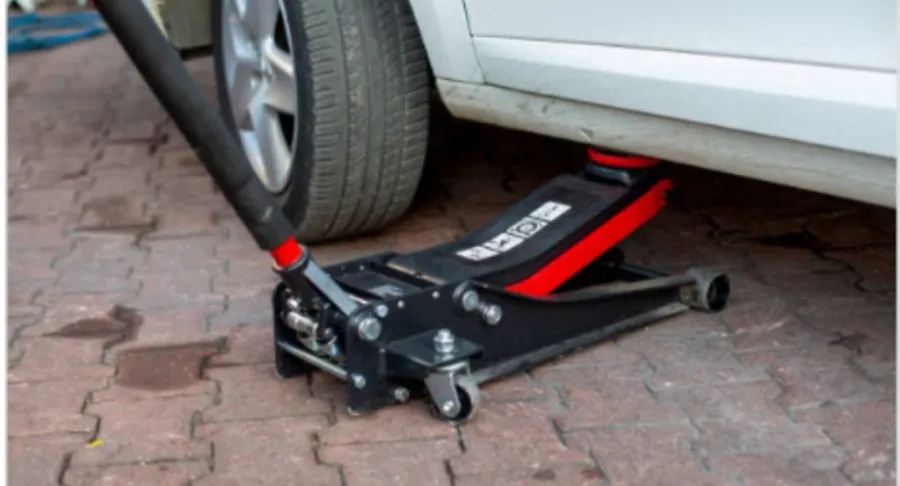
Do you want to learn how to use the flooring jack? The tool is placed against the floorboards, and the handle is used to create tight seams. This is how you use a hardwood flooring installation jack. You can achieve a professional finish by learning how to use the flooring jack. You can use the flooring jack to push boards together and keep them in place. This tool will help you to avoid loose boards and achieve better results.
Here is the step-by-step guide to using a flooring jack, and you’ll be amazed at how much easier it is to complete your project with a floor jack.
What is a Flooring Jack and Why You Should Use It
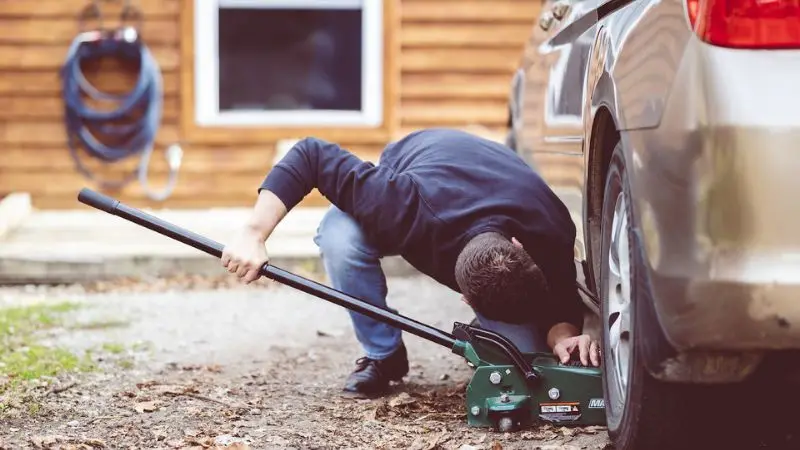
If you’re curious about what a floor jack is and why we use it, these steps will help you understand its purpose
What a Flooring Jack Does
The floor jack is used to push the floorboards together. Place it near the board that you wish to move. You turn the handle. The jack applies pressure to fill any gaps that may exist between the boards. This tool ensures that your boards remain in place during the installation. This tool gives you a beautiful, smooth surface.
When trying to move stubborn boards, the best way to lift floorboards with a flooring jack is by applying slow, controlled pressure.
Why It’s Helpful for Home Projects
You want to make your floors look professional. You can get that edge with a flooring jack. This tool helps to ensure tight seams and no gaps or loose boards. You may struggle to align everything if you install hardwood floors without a tool. This tool will save you time and frustration. It can be used for large projects or smaller repairs. It is popular for DIY projects because it makes them easier.
Why you will find it useful:
- During installation, the boards are not allowed to move.
- Seams are made tight to give a smooth finish
- Reducing the chance of errors
Types of Flooring Jacks
There are different types of floor jacks. They all work a bit differently but have the same end goal: tight, secure boards.
| Type | How It Works | Best For |
| Manual Flooring Jack | Uses a hand crank | Most diy projects |
| Pneumatic Jack | Uses air pressure | Large installations |
| Ratcheting Jack | Uses a ratchet mechanism | Quick adjustments |
The majority of beginners begin with a manual floor jack because it’s a simple method that doesn’t require any extra equipment. These flooring jack techniques for beginners help build confidence and prevent any kind of damage. You might consider a pneumatic lift if you are planning a large installation. You’ll be amazed at how much easier it is to install flooring, no matter what type you select.
Tools and Safety Gear You Need

Having the right tools and safety gear ensures stability, accuracy, overall safety, and it’s essential for professional results.
Tools You’ll Need
The first step is to gather the tools you need to start your flooring project. Here is a list of quick tips to get you started:
- Flooring jack (manual or ratcheting)
- Rubber mallet
- Tape measure
- Chalk or pencil
- Pry bar
- Hammer
- Wood blocks or scrap wooden
- Vacuum cleaner or broom
Most of these tools can be found at your local hardware shop. The main tool is the flooring jack, especially when working with a floor jack for hardwood installations. Preparing everything you need for a DIY project will save you time and reduce stress.
Safety Gear to Wear
Safety is important and our first priority. What you should wear
| Safety Gear | Why You Need It |
| Safety glasses | Protects your eyes |
| Work gloves | Keeps hands safe |
| Knee pads | Cushions your knees |
| Ear protection | Blocks loud noises |
Tip: Always check your gear before you start. Check that it feels comfortable and fits properly.
How to Prepare Your Workspace
Your job will be easier if you have a clean, safe work area. Clear the area. Remove furniture and rugs from the way. Dust and debris can be removed by vacuuming or sweeping the floor. You can see better with good lighting. You don’t want to waste time searching for your tools.
Before you start, lay out the boards. You can plan your pattern and identify any problems earlier if you lay out the boards. Make sure that the floor is level and dry. Open a window if you are working in a small area.
Keep your workspace clean to avoid accidents and complete your project more quickly.
How to Use a Flooring Jack Step by Step
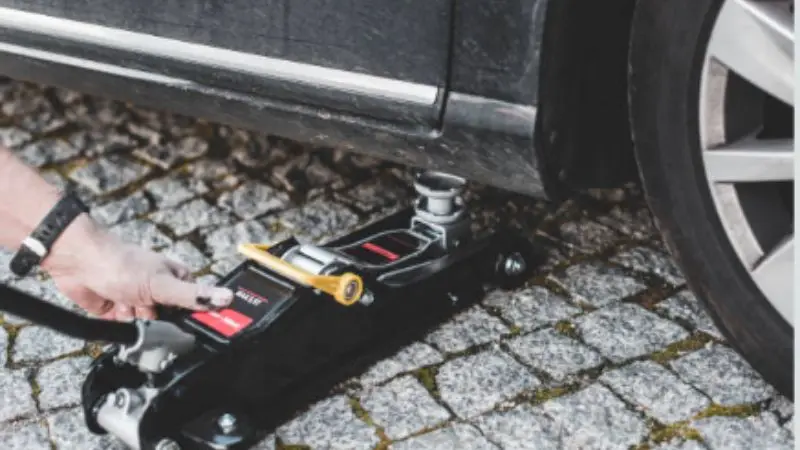
In this section, we will explain how to use the flooring jack step by step without any damage.
Check Your Flooring Jack First
Check your flooring jack before you begin your hardwood flooring installation. Check for signs of damage and rust. Check that the handle is moving smoothly. Wipe off any dirt or oil. It is important that your tool works well when you install it. When using the prim-jack, inspect the pressure plate and the base. You can avoid future problems by using a jack that is clean and in good working order.
Before starting your DIY project, test the jack first on a scrap of wood.
Place the Jack in the Right Spot
The jack should be placed close to the board that you wish to move. The base should be flat on the subfloor. The edge of the board should be touched by the pressure plate. You may not receive enough force if you place the jack far enough away. Be sure that nothing is blocking the jack. A good placement will help you achieve tight seams and a smooth install.
Lift the Floor Safely
Now, you can begin lifting. Slowly turn the handle. Keep an eye on the boards. Close the gaps without damaging the wood. Stop and double-check your installation if you notice the boards are bending. Installing boards requires slow and steady pressure. You could crack the board if you hurry.
- Turn the handle slowly.
- After each turn, check the seams.
- If you hear creaking or see movement on the subfloor, stop.
Keep the Floor Secure
After the boards have been tightened, it is important to hold them in place. Tap the boards with a wood block or rubber mallet. This helps to lock the boards in place before you complete the installation. Ask a friend to help you if you are working alone. Your floor will last much longer if you use boards that are secure.
Lower and Remove the Jack Carefully
After you have finished, lower the jack gently. Release the pressure in small increments. The boards may shift if you remove the jack quickly. Check the seams after you lower the jack. Check that everything is straight. Before you continue, clean up the workspace.
Make sure that your DIY project looks professional by removing your boards carefully.
Common Mistakes to Avoid
You want to ensure that your project goes smoothly when you use a floor jack. You can make mistakes, but if you are aware of what to look for, you can prevent them. We’ll look at some of the most common mistakes and how to avoid them.
Wrong Positioning Can Cause Damage
The flooring jack must be placed in the correct place. You could crack the board if you place it too close. You won’t have enough pressure if you place it too far from the edge. Check that the base is flat on the subfloor. The pressure plate must touch the board that you wish to move. This step should be taken slowly. You can get clean seams with good positioning.
Before setting the jack, mark the area with chalk. You will remember the exact location each time.
Don’t Overload the Jack
Each flooring jack comes with a maximum weight. You can damage the floor or break the tool if you force the boards. Slowly turn the handle. As the boards move, keep an eye on them. Stop and check your setup if you feel resistance. Use steady pressure instead of brute force. Overloading your jack will ruin the project and make it harder to install.
Here is a quick checklist:
- The manual will tell you the weight limit of the jack.
- Don’t use extra tools to force the handle.
- Stop immediately if you hear cracking sounds.
Always Follow Safety Rules
Wear safety gear at all times. Always wear your safety gear. Avoid touching moving parts. Keep pets and children away from the area. Take a break if you are tired. Rushing may lead to injuries or mistakes. Installing with confidence is possible when you are safe.
Safety in the workplace is important for fewer accidents and, therefore, better results. Avoiding these mistakes will ensure that your floor looks beautiful and lasts many years.
How to Take Care of Your Flooring Jack
Take care of your floor jack to ensure it works well on every project. A little care and maintenance will help your tool last longer. Here are some simple steps that you can take.
Cleaning and Oiling the Jack
Dust and dirt may accumulate on your floor jack. Wipe it clean after each use. Use mild soap and warm water to clean any sticky areas. The jack should be dried immediately to prevent rust. Oil is needed to make moving parts work smoothly. Pour a small amount of machine oil onto the handle or any joints. This will make the jack easier to use and stop any squeaks.
Cleaning and lubricating your jack is important before storing it. Next time you embark on a DIY project, you will be grateful.
Check for Damage Regularly
Before every job, you should inspect your flooring jack to make sure it is in good condition. Check for cracks, bent pieces, or rust. Test the handle and make sure that it does not stick. Fix the problem or replace it if you discover one. A damaged jack could damage your floor, or worse, cause you injury. Check your tool regularly to ensure safety.
Here is a quick checklist:
- Check the pressure plate and base.
- Check for loose screws and bolts
- Check the handle for smoothness
Store It Properly
The right way to store your flooring jack will help it last longer. It should be stored in a dry place that is dry and will not become wet. You can hang it up on the wall or store it in your toolbox. Don’t leave it on a floor where it could be stepped on or kicked. Use a case to protect your jack against dust and bumps.
Keep your jack in good condition for the next time you need to install flooring.
It is easy to take care of your floor jack. It is important to clean, inspect, and maintain your flooring jack properly. You’ll get better results, and you will save money over time.
Conclusion
Now you know how to use a flooring jack on hardwood floors. Here’s a quick recap: before you begin, properly check your tool. Place the jack at the correct place. Lift the boards gently and look at the seams. Remove the jack carefully and with caution. Your floor will look more professional with tight seams. Build your confidence by doing small DIY projects. You’ll achieve better results if you follow safety guidelines.
FAQ
How do you know if you need a flooring jack?
When you see gaps between your floorboards. The boards won’t hold tight when you try to push them with your hands. If you’re looking for a smooth surface, grab a floor jack.
Can you use a flooring jack for laminate floors?
You can use a flooring jack for laminate, but check the manufacturer’s instructions first. Some laminate floors need gentle pressure. Test on a scrap before you begin.
What should you do if the jack gets stuck?
Stop turning the handle. Check for dirt or debris around the moving parts. Clean the jack and add a few drops of oil. Then try again slowly. If it still sticks, ask for help.
Is a flooring jack safe for diy projects?
Yes, you can use a flooring jack for diy jobs. Wear safety gear and follow the steps in this guide. Take your time and keep your workspace clear.
How often should you clean your flooring jack?
Wipe down your flooring jack after every use. Clean off dust and dirt. Oil the moving parts once a month if you use it often. Regular care keeps your tool working well.