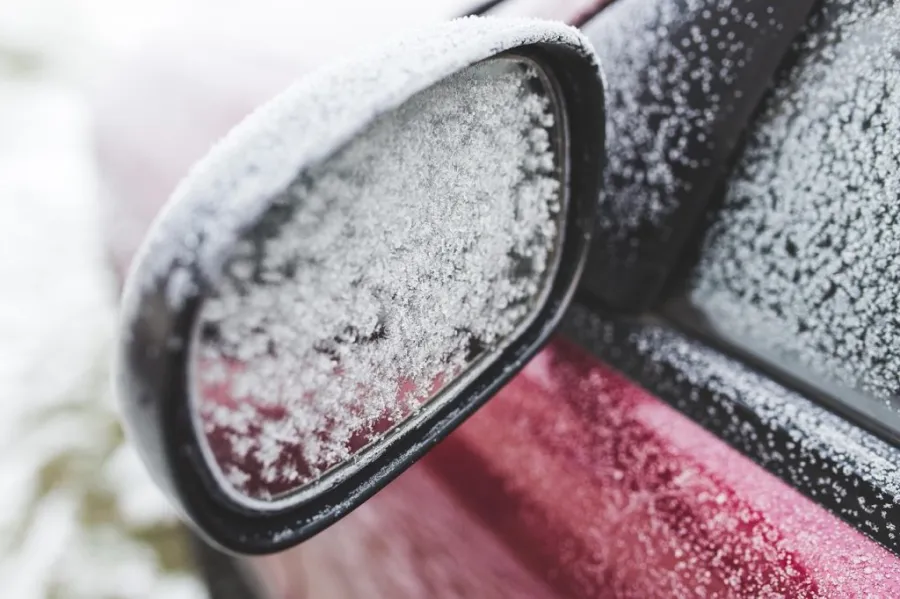
It can feel risky to put your favorite vehicle away for the season. The goal of learning how to store a car for winter to safeguard your investment from the silent harm caused by the cold, not merely to park it and go. You may be wondering if the following spring you’ll have a gummed-up engine, a dead battery, or damaged tires due to the bitter cold.
For those without a garage, utilizing a heavy-duty movable car canopy is a game-changer when it comes to providing the finest protection for your vehicle. All season long, it maintains the bodywork free of heavy snow and ice. Let’s go over the easy measures to make sure your car makes it through the frost and gets off to a flawless start as soon as the sun comes out again.
Why winter storage matters for your car

It’s not only about the paint when a car is left outside in the weather. Everything is attacked by the cold, including your fuel’s chemistry and rubber seals. You must consider what occurs when your automobile sits motionless in below-freezing temperatures if you decide to store my car for the winter.
- Cold weather causes fuel breakdown: Gas oxidizes and becomes a sticky mess after being left for months. Your carburetor or injectors may become clogged as a result. For engine health, this is the main reason why knowing how to care for your car in winter is so important.
- Battery drain and moisture buildup: As the internal chemical reaction slows down in the cold, batteries detest it. Condensation forms inside your engine and cabin as a result of temperature fluctuations. Before you even notice it, this moisture causes mold and rust to grow, causing damage to tires caused by freezing weather.
- Tire damage from freezing temperatures: Tires are intricate parts, not just rounded rubber bits. The rubber becomes brittle in the cold because the air within contracts. If the car isn’t moved for months, this combination may cause irreversible harm.
How to store a car for winter
Preparing your vehicle is a multi-step process that pays off in the spring. If you want to have a stress-free first drive next year, don’t neglect these important steps.
Step 1: Wash and dry the car to prevent salt corrosion
Road salt is a silent murderer that cuts through metal like a hot knife through butter. Even small amounts of dirt can trap moisture against the paint. Give it a thorough cleaning and a thick layer of wax.
Using a high-pressure car washer removes all hidden salt from the wheel wells. Before you place the cover on your automobile, make sure it is completely dry.
Step 2: Fill the gas tank and add fuel stabilizer
A half-empty tank is an ideal breeding area for condensation. Filling it full leaves no space for damp air to settle. This is one of the most essential car storage tips for long-term safety.
Before you finish filling the tank, add a high-quality gasoline stabilizer. This keeps the gasoline fresh and prevents it from developing into varnish over the next few months when you store a car for winter.
Step 3: Change the oil before storage
You might think that old oil is fine because you are not driving, but this is a mistake. Used oil includes acids and impurities, which can corrode engine components over time. Fresh oil creates a clean, protective coating.
Step 4: Protect the battery from cold drain
If you leave a battery connected in the cold, it will most likely die by February. You can unplug it or use a smart maintainer. This is a critical component of how to store a car for winter.
A smart battery charger and maintainer will keep the voltage at an optimal level. It keeps the battery from freezing and increases its overall life greatly.
Step 5: Increase tire pressure slightly
Tires normally lose pressure when the temperature lowers. To avoid “flat spotting,” in which the tire takes the contour of the floor, add 5-10 psi over the standard limit.
You can also utilize heavy-duty tire cradles to spread the weight. This is a professional-level maneuver for anyone who is serious about keeping their tires in top condition.
Step 6: Block moisture from entering the car
Winter humidity is a recipe for a stinky interior. Place silica gel packets or moisture absorbers on the floorboards. This prevents mold from forming on the seats and dashboard.
Step 7: Avoid using the parking brake
It may seem natural to use the brake, but do not do so. In freezing temperatures, the brake pads can fuse to the rotors or drums. Instead, use robust wheel chocks to prevent the automobile from rolling.
Step 8: Cover the car to protect it from snow and condensation
Even inside the garage, a cover protects against dust and scratches. If you’re outside, a waterproof car cover is your final line of defense against the harsh winter ice.
Tips for safe winter storage
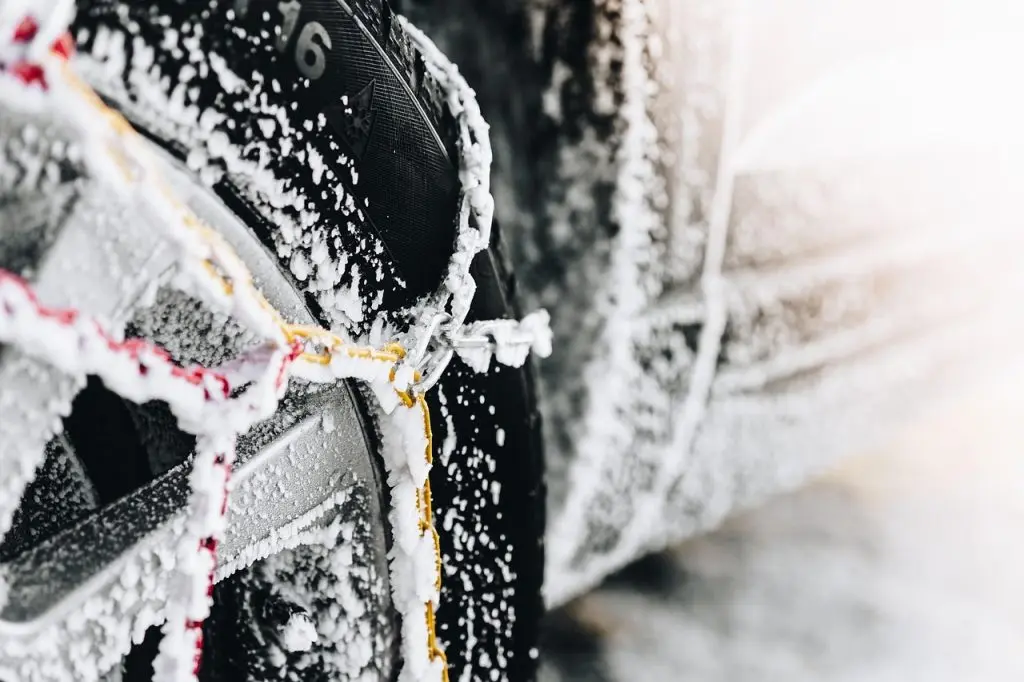
Aside from the mechanical processes, there are a few “common sense” actions that seasoned automobile enthusiasts always make. These minor practices will save you from major headaches later.
Store in a dry, sheltered space
The ground underneath your car is important. Concrete is ideal, but if you must store on dirt or grass, lay down a plastic sheet. This keeps moisture from rising into the undercarriage.
Use moisture absorbers inside the cabin
Don’t forget to pack things to keep in your car during the winter like desiccant bags. They remove humidity from the air, preventing you from returning to a musty-smelling automobile in the spring.
Check the car periodically for leaks or pests
Mice enjoy warm engine bays and cozy interiors. Every few weeks, check beneath the hood for signs of nests. Peppermint oil might serve as a natural deterrent.
Maintain all of your winter equipment
While your car is being packed away, don’t forget about your other winter tools. Understanding snow blower components allows you to maintain your driveway clear. If your blower is having trouble starting, discover how to clean a snow blower carburetor to keep it working smoothly.
Start only if you can fully warm the engine
Starting a car for five minutes before turning it off and store a car for winter causes more harm than good. It causes condensation in the exhaust. Only begin if you can run it for 20 minutes.
Consider seasonal adventure preparation.
If you are not keeping your car and instead use a van for trips, you should check into winter car camping advice. To stay warm in a vehicle during the coldest nights, a reliable diesel heater for vans is required.
FAQs
Why should I keep the fuel tank full in winter?
A full tank keeps air from entering, preventing condensation from forming. Water in your fuel system can cause rust in the lines and poor engine efficiency when you attempt to start it later.
Can cold weather damage my battery?
Extreme cold temperatures can cause a drained battery to freeze and break. To avoid having to buy a new one each spring season, keep it charged or stored in a warmer location.
Will tires flatten if a car sits all winter?
They may develop “flat spots” as a result of the vehicle’s weight pressing down on cold rubber. Over-inflating them slightly or employing tire cradles helps keep them round while the automobile is immobile.
Is it safe to leave a car unused for months?
It is safe if you follow the proper how to store a car for winter instructions. If you simply park and walk away, you risk engine damage, dead batteries, and dry-rotted seals.
Conclusion
Taking the mystery out of how to store a car for winter is the greatest present you can offer your vehicle. By following this simple checklist, you may rest assured that your battery, fuel, and tires are secure from the frigid cold. Instead of having a headache in the spring, you’ll be ready to tackle the open road as soon as the ice melts.
Using the proper vehicle storage tools makes the process easier and more efficient. Follow these procedures to keep moisture out of your automobile and enjoy the peace of mind that comes with being prepared!