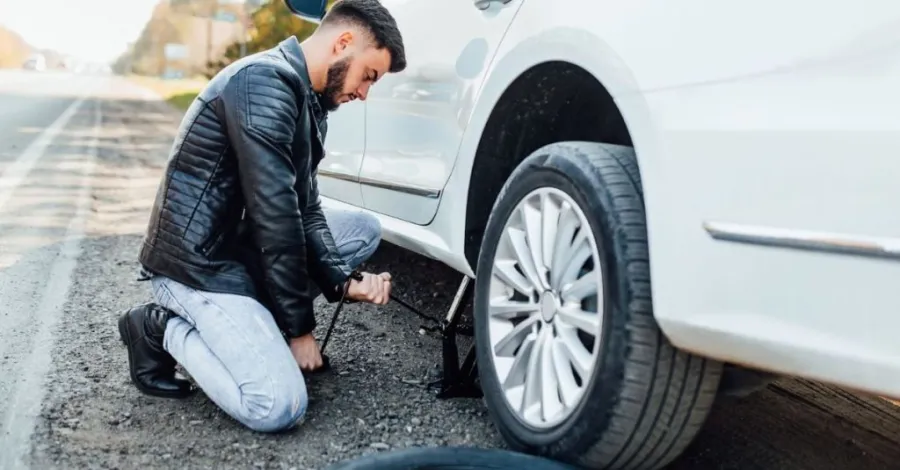
Knowing how to release a car jack safely is just as important as lifting the vehicle in the first place. Lowering your car the wrong way can cause injuries, damage your vehicle, or harm the jack itself. The process is simple, but it requires attention and care.
Always make sure the car is stable, your workspace is clear, and you’re using proper safety equipment like jack stands. Keep your hands, feet, and tools away from moving parts as the vehicle lowers. By following the right steps, you’ll protect yourself and your car and ensure your jack lasts for years.
Preparing Your Vehicle for Jack Release
Before learning how to release a car jack, proper preparation is essential for safety and efficiency. A secure setup prevents accidents, protects your vehicle, and ensures the process goes smoothly from start to finish. Taking a few extra minutes here can save you from costly mistakes later.
Park and Secure the Vehicle
Start by parking on a flat, level surface to prevent rolling or shifting. Switch off the engine, remove the keys, and engage the parking brake firmly. This keeps the car stable during the process. Clear the surrounding area of obstacles or loose gravel so you have enough room to work.
Gather essential tools such as the jack, jack stands, wheel chocks, and a lug wrench. Inspect the jack for damage or leaks—never use a faulty jack. Safe preparation is the first step in how to release a hydraulic floor jack step-by-step without risking injury or damage.
Wheel Chocks and Jack Stands for Safety
Wheel chocks are vital for keeping the vehicle from moving. Place them behind the tires that remain on the ground, ensuring a snug fit. Rubber, metal, or even solid wooden blocks can work in emergencies. Once the vehicle is lifted, support it with jack stands at the recommended lift points—never rely solely on the jack.
Lower the car slowly onto the stands, double-checking they are stable and level. This method is part of the best way to remove a jack from under a car, as it keeps the vehicle secure and reduces the risk of sudden movement while working underneath.
Identify Your Car Jack Type
To know how to release a car jack without damaging the vehicle, you must first ensure that you know the type of jack you are dealing with. Jack models work differently; hence, proper procedure guarantees not only safety but also efficiency. These are the scissor jack, hydraulic floor jack, and bottle jack, the former being the most widely used.
Scissor Jack
The scissor jack is a diamond-shaped gadget that is typically kept in the trunk of a car. It is worked by a screw and raised by turning with a handle or wrench. Scissor jacks are the best to have at roadside tire changes since they can move around easily and store them.
But these have to be mounted on the recommended lift points of the manufacturer to hold the car stable. In learning how to bring down a car with a scissor jack, one must go about turning the handle slowly and steadily in order to prevent the car from falling or tilting.
Hydraulic Floor Jack
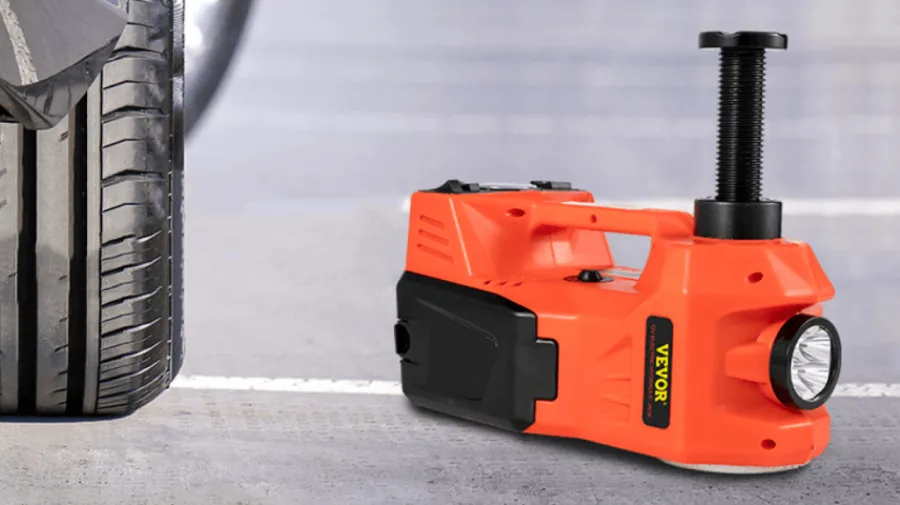
A hydraulic floor jack is a way of lifting a car fast and with little effort, with the help of fluid pressure and using a long handle. It is often found in garages and professional repair shops due to its ability to handle increased loads and its speed compared to a scissor jack.
But it is also bigger, heavier, and needs a level surface to use it without risk. As you learn step by step how to release a hydraulic floor jack, you will be dealing with a release valve to slow down the movement of the vehicle as it is lowered steadily and without springs.
Bottle Jack
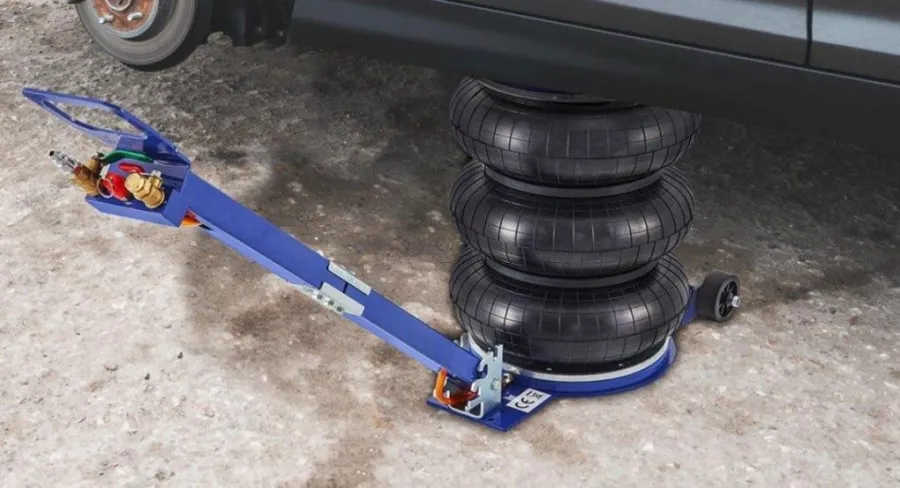
Bottle jacks are smaller and powerful tools, which are shaped as a small cylinder with a lifting arm. They are most suitable for trucks, SUVs, and other cars with greater ground clearance. They, like hydraulic floor jacks, are operated by fluid pressure to efficiently lift a heavy load, yet they also need more room underneath the car in order to be placed. The best way to go about this involves knowing how to go about removing a jack underneath a car, particularly when dealing with taller or heavier vehicles.
How to Release a Car Jack
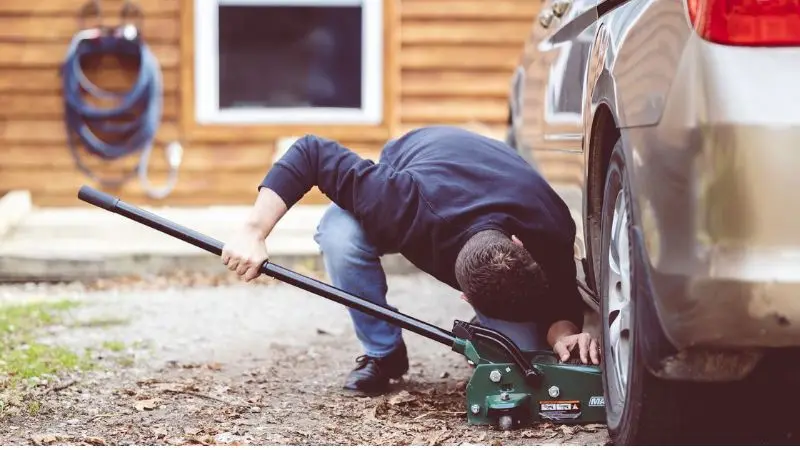
Knowing how to release a car jack correctly is essential for both your safety and your vehicle’s protection. The lowering process varies depending on whether you’re using a scissor jack, hydraulic floor jack, or bottle jack. No matter the type, always stand to the side, keep hands and feet away from moving parts, and lower the vehicle slowly to avoid sudden drops or shifts.
Lowering a Car with a Scissor Jack
A scissor jack uses a screw mechanism, making it simple but requiring steady control. Here’s how to lower a car using a scissor jack safely:
- Insert the handle or wrench into the scissor jack.
- Turn the handle slowly counterclockwise.
- Keep your body positioned to the side of the vehicle.
- Watch as the car lowers steadily, avoiding sudden movements.
- Stop turning when the tires rest fully on the ground.
Afterward, remove the jack and store it properly. This slow, controlled method prevents car shifts and protects the jack from damage.
Lowering a Hydraulic Floor Jack
When learning how to release a hydraulic floor jack step by step, the key is controlling the release valve to manage the lowering speed. Follow these steps:
- Locate the release valve, usually a knob or screw near the base.
- Insert the handle or release tool into the valve.
- Turn the valve counterclockwise gently and slowly.
- Watch the car lower, keeping clear of the frame and wheels.
- Stop when the car rests evenly on the ground.
If the jack lowers unevenly or jerks, check fluid levels or bleed the system before continuing. This is the best way to remove a jack from under a car without risking damage.
Lowering a Bottle Jack
Bottle jacks are powerful but require extra care due to their higher lift capacity. Here’s how to release a car jack without damaging the car when using this type:
- Locate the bottle jack’s release valve.
- Insert the handle or tool into the valve opening.
- Turn counterclockwise very slowly to begin lowering.
- Keep your body to the side and observe the car’s movement.
- Stop once the tires are firmly on the ground.
Always check that the area under the car is clear before lowering. Once done, remove the jack and tools, ensuring the vehicle sits securely before driving.
Final Checks After Releasing the Jack
After learning how to release a car jack, it’s important not to rush the last steps. These final checks ensure your vehicle is safe to drive and that no tools are left behind. Taking a few minutes to verify everything will prevent accidents and protect your car from damage.
Remove the Jack and Tools
When the vehicle gets down, slowly pull the jack out from under the car. Put it in your trunk or tool area. Gather the rest of the equipment, including:
- Jack stands
- Wheel chocks
- Wrenches, handles, or extension bars
A brief inspection of the work area guarantees nothing is forgotten. This practice is the most appropriate manner of lifting a jack off a vehicle and ensures that your work area remains safe whenever doing repairs in the future.
Inspect Vehicle Stability
Make sure the vehicle is placed at an equal level on all four tires before pulling on the engine. Go around the automobile to ensure all tires are well on the ground. Push the car to the side gently—no rocking or shifting. Listen to strange sounds, which might be a warning.
In case something does not seem steady, pause and go back over your work. They are the steps that should be followed when one learns how to remove a car jack without damaging a car, as this will ensure that it is all safe as long as one is driving.
Wrap Up
Knowing how to release a car jack safely is just as important as lifting the car in the first place. Whether you’re using a scissor jack, bottle jack, or hydraulic jack, lowering your vehicle the right way keeps you and your car safe. Move slowly, stay alert, and always double-check stability before driving away. A clean workspace and careful steps prevent accidents and protect your equipment. With practice, you’ll feel confident following how to release a hydraulic floor jack step by step or any other method. Safety, patience, and precision will always lead to a smooth, stress-free finish.
FAQ
What do you do when your jack will not go down?
Look out for a blocked release valve or low hydraulic head. Attempt to turn the valve in slowly. Should it be that the jack is still not lowering, consult your manual or an expert.
Is it possible to release a car jack without jack stands?
It is always dangerous to send off a car jack without jack stands. Jack stands under the car and protects you. The use of the jack alone will doom the car to fall and result in injury.
Which areas would you position wheel chocks to create safety?
Put wheel chocks behind tires that remain on the ground. This prevents the car from rolling. Ensure that the chocks are tight to the tires.
Now, how do you know your car is okay when lowered?
Take an inspection round your auto and look at all tires. Press the car softly to find out whether it moves. Under the condition that the car seems to go steady and all the tires are in contact with the ground, you are free to drive.