In summer, a garage may be one of the hottest rooms in your house, and it is not comfortable to park cars, store your things, or work on projects there. The good news is that you will not require costly renovations to reduce the temperature. By improving ventilation, adding proper insulation, and using effective cooling solutions such as garage fans, you can create a much more comfortable space even during the hottest days. Through this guide, you will learn how to keep your garage cool during summer, the most common sources of heat buildup, feasible cooling techniques, and the most practical and efficient products to achieve a cooler, safer, more energy-efficient garage throughout the season.
Why Garages Become So Hot During Summer Heatwaves
During the summer, garages may get hotter than the outside temperature. The heat is retained for hours, lingering in the space and making it uncomfortable and hard to use. It is best to first understand what causes garages to get hot in summer before learning how to cool them and before considering why some garages are hotter than others.
How Extreme Outdoor Temperatures Affect Garage Interiors
The extreme summer temperatures directly affect the interiors of garages. With the sun’s rays hitting the roof, walls, and garage door during the day, these areas absorb heat and gradually release it into the garage. As most garages have very little ventilation and few windows, warm air has no outlet. The heat can be stored to warm the garage several hours after the sun has gone down. It is an issue in attached and detached garages alike, so many homeowners seek to know how to cool an attached garage or a detached garage on the hottest days of the year.
Common Heat Sources Inside a Garage
The sun is not the sole cause of making a garage very hot. One of the largest causes is exposure to the roof, since the roof is directly in the sunlight throughout the day. The walls, ceiling, or garage door were poorly insulated, permitting outside heat to easily enter. There is also limited airflow, trapping warm air indoors, creating an even greater temperature increase. Cars parked still emit the heat of their engines and tires even with the switches off, and refrigerators, freezers, power tools, and workshop appliances emit more heat. The knowledge of these sources of heat simplifies the decision on how to cool a garage without an air conditioner and enhances their comfort.
Why an Overheated Garage Is More Than Just Uncomfortable
A hot garage can cause a number of issues beyond mere inconvenience. Stored products, including paint, electronics, plastic containers, and household supplies, may be damaged by high temperatures. When you use the garage as a working area, the extreme heat might decrease productivity and make daily routines more exhausting. It may also cause more safety hazards as it increases the risk of heat exhaustion and can influence the storage of flammable materials or chemicals. Moreover, heat increases the humidity and moisture content, consequently resulting in rust, mould, and corrosion over time. Such considerations are particularly crucial when it comes to cooling a garage workshop during the summer or cooling down a metal garage.
10 Effective Ways to Keep Your Garage Cool This Summer
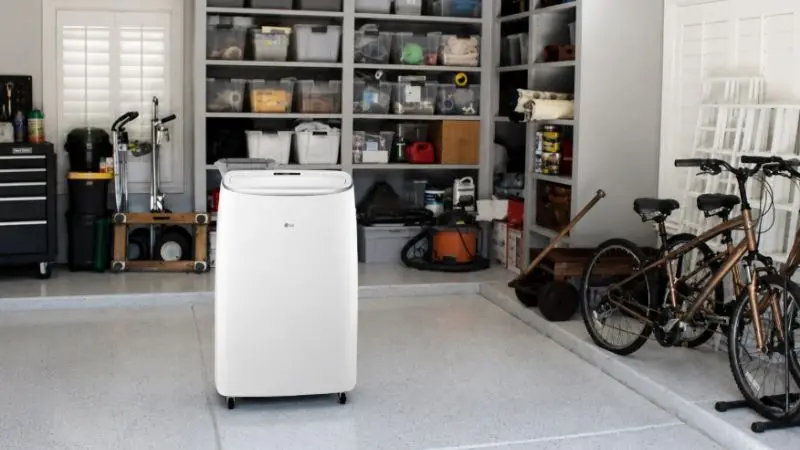
Not all upgrades and renovations are necessary to keep your garage cool. Some simple measures can reduce the heat, enhance comfort, and shield your items against high heat. You can make your garage cooler and make it more convenient to use all summer by the following methods:
Improve Garage Ventilation for Better Airflow
One of the simplest ways to reduce heat in a garage is to improve ventilation. Hot air escaping through the space allows fresh air to enter, so heat does not accumulate during the day. Airflow can be enhanced by opening windows, adding wall vents, or installing roof vents, provided your garage design was designed to accommodate this. Cross-ventilation is the best since it does not confine hot air. Adequate ventilation is a significant component of how to keep a garage cool in summer, particularly in garages that are directly exposed to sunlight for a number of hours per day.
Install High-Performance Garage Fans for Immediate Cooling
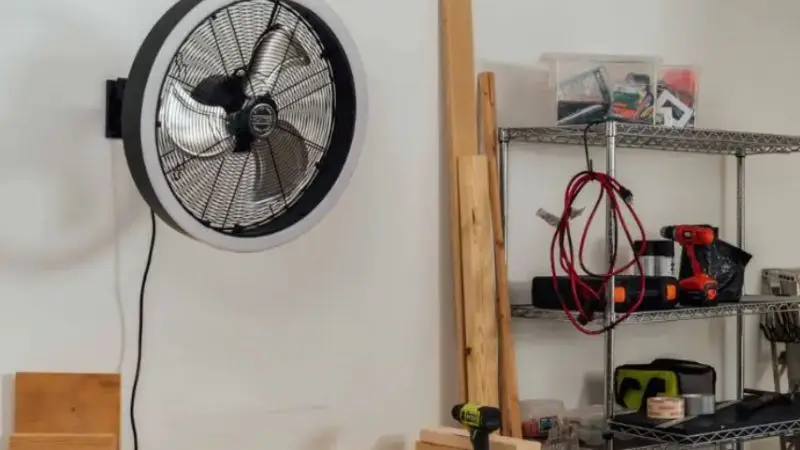
Garage fans are effective in giving instant relief by moving air in the area. Wall-mounted fans, ceiling fans, or high-velocity floor fans are used to get the hot air out of your working space and make the room more comfortable. Although fans do not reduce the real temperature, they cause the garage to feel cooler by enhancing air movement. They also offer a good alternative to homeowners who seek ways to make a garage cool without air conditioning. Selecting an appropriate size of the fan in your garage assists in better air circulation and makes the garage more comfortable in hot seasons.
Use a Portable Air Conditioner for Targeted Comfort
A portable air conditioner chills a specific area rather than the entire space and is suitable for workshops, hobby rooms, or home gyms. Most portable units are easy to install and can be relocated when necessary. To achieve the best performance, doors and windows should be closed during the operation of the unit to avoid loss of cool air. This alternative is particularly applicable to homeowners who are taught to cool a garage workshop during the summer months without necessarily installing a permanent cooling system.
Seal Gaps Around Garage Doors to Keep Hot Air Out
Hot outdoor air gets into the garage through small holes that are present around the garage doors during the day. Even small holes can diminish the other cooling mechanisms. Check the weathering of the sides and bottom of the door, and change broken seals. Closing these openings also prevents dust, insects, and moisture from entering, as well as maintains a more consistent indoor temperature. This easy upgrade saves energy that would otherwise go to waste and aids in other cooling measures in the hot months of the year.
Insulate Your Garage Door
The garage door is a large area that receives direct sunlight and thus is a significant source of heat. Heat transfer can be significantly reduced by upgrading to an insulated garage door or adding insulation panels. Insulated doors are used to make the garage cooler in summer and warmer in winter, which enhances comfort throughout the year. This upgrade is particularly useful when considering how to make an attached garage cooler because the warming of the garage would also assist in preventing warm air from moving through the rest of the house by coming into contact with the adjoining rooms.
Add Reflective or Radiant Barrier Insulation
Reflective insulation helps minimize heat entering the garage by reflecting radiant heat off the building. It is normally fitted under the roof or in the walls, where it prevents sunlight from entering the interiors and increasing the temperatures. The solution has been effective in regions that have long, hot summers and a lot of sunlight. Radiant barriers are popular among homeowners seeking to know how to make a metal garage colder since a metal building will absorb and transmit heat significantly quicker than conventional construction materials.
Block Direct Sunlight with Exterior Shades or Window Treatments
Garage windows can rapidly raise indoor temperatures because sunlight passes through them. Exterior shades, awnings, reflective window film, or insulated curtains can be installed to prevent solar heat penetration into the area. These window treatments also help minimize glare and safeguard stored items from harmful UV rays. Together with adequate ventilation and insulation, shading out direct sunlight can significantly reduce heat gain and enhance comfort during the day without increasing energy expenses.
Park Hot Vehicles Outside Before Storing Them
Even after a hot day of driving, your car still emits heat from the engine, exhaust system, and tires long after you have parked. When parking takes only a few minutes before shifting the vehicle into the garage, much of this heat will likely be lost naturally. This simple practice would minimize the amount of heat entering the garage and help maintain indoor temperatures at a lower level. It is also useful, especially in attempting to know how to cool a detached garage, and natural cooling may take a long time due to direct exposure to the sun.
Reduce Heat from Equipment and Appliances
Most of the typical garage appliances generate heat during use. The refrigerators, freezers, power tools, air compressors, and other gadgets may slowly heat the space, particularly when used for extended periods. Switch off all unnecessary equipment and, whenever possible, do not use more than one heat-producing appliance at a time. Maintaining equipment clean and in good condition also enhances efficiency, and less heat is produced in the garage.
Use Smart Temperature Monitoring to Stay Ahead of Rising Heat
With smart temperature monitors, you can monitor the conditions in your garage during the day using your smartphone or a digital display. These devices can help you know when the day is hottest, so you can adjust ventilation, fans, or cooling devices before things get too hot. Heat checking also helps to safeguard important tools, electronics, and stored merchandise against overheating. A smart monitoring system, combined with other cooling techniques, will make it significantly easier to keep the garage cool and comfortable throughout the summer.
Best Garage Cooling Products for Fast Heatwave Relief
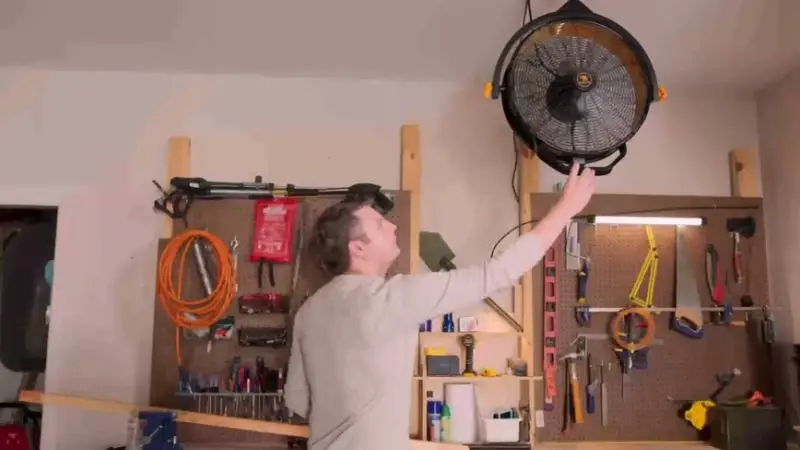
Proper cooling equipment can lower temperatures in garages quickly and make them more bearable during the hot summer months. There are those that enhance air circulation, and others that prevent heat from entering or provide direct cooling where it is most needed. The correct solution will depend on which is the biggest heat issue your garage has, though all of the products mentioned below are tailored to have easy installation, improved energy efficiency, and rapid relief.
High-Velocity Garage Fans
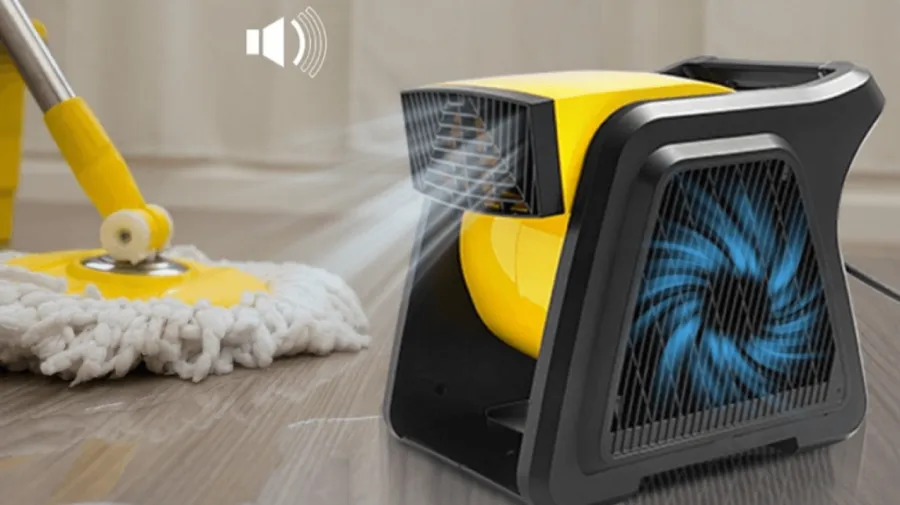
When your garage is hot due to poor air circulation, a high-velocity fan can be one of the quickest remedies. These fans generate strong air circulation that forces warm air out of the garage, such that the garage becomes cooler almost instantly. The majority of floor- and wall-based models are easy or free to install, making them the best option for homeowners looking to upgrade. They also consume less electricity compared to air conditioners and thus are an energy-saving option. High-velocity fans come in particularly handy whenever one wants to know how to cool a garage during summer without undertaking any significant alteration in the garage.
Portable Air Conditioning Units
A portable air conditioner gives direct cooling where it is required when the primary issue in the home is extreme heat in one place. These units are also simple to set up since they are only in need of a close power source and appropriate ventilation. They are very efficient at cooling workspaces and are a good choice for garages converted into workshops, home gyms, or hobby rooms. The recent units have many energy-saving modes that save significant electricity without compromising comfort. They are a great option for homeowners who seek to know how to cool a garage workshop in summer or how to cool a garage without air conditioning options for central HVAC systems.
Garage Ventilation Systems
A garage ventilation system solves the issue of hot air getting trapped by continuously drawing fresh air into the garage and warm air out. Roof Vents, exhaust fans, and wall-mounted vents are installed quickly, and very little maintenance is needed once installed. They use less energy than conventional cooling equipment because they enhance natural airflow rather than generating cold air. More efficient ventilation also minimizes humidity and moisture levels, which makes the garage healthier and more comfortable during long heatwaves.
Insulation Kits and Weather Seals
If heat enters the garage through the door, roof, or other gaps in the walls, insulation kits and weather seals are an effective remedy. They are easy to install and immediately reduce heat transfer by preventing hot outdoor air from entering the garage. They also enhance energy efficiency as they contribute to a more constant temperature in the garage during the day. This upgrade is especially helpful to homeowners who wonder how to keep an attached garage cool, since lessening the heat in a garage also keeps warm air out of the surrounding rooms within the house.
Evaporative Coolers (Where They Work Best)
Garages in hot and dry climates with naturally low humidity are built to be ventilated with evaporative coolers. They cool the air using water-soaked cooling pads, which cool it very quickly and consume significantly less electricity than traditional air conditioners. The majority of portable models can be installed and start operating within minutes, and are a convenient choice during an impromptu heatwave. They particularly work well for a homeowner who is doing research on how to minimize heat in a metal garage or how to cool a detached garage, where the direct sunlight can cause temperatures to soar rapidly all day long.
@ashtonbrown007 Vevor’s Evaporative Fan Cooler #fan #towerfan #coolingfan #vevor #vevortools #evaporativecooler #outdoors
♬ original sound - AshtonBrown007
How to Choose the Best Garage Cooling Solution Based on Your Garage Type
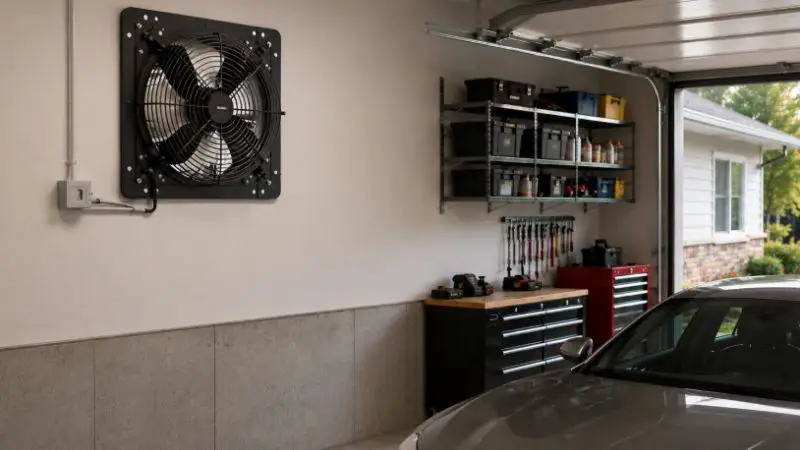
All the garages vary in cooling needs depending on the size, design, and the way you utilize them. What is an effective cooling system in a small garage might not offer the comfort needed in a large workshop or a garage turned into a living space. Being aware of your particular needs allows you to select the most efficient one and enhance comfort and energy efficiency during summer.
Best Cooling Solutions for Small Single-Car Garages
Garages with a single car tend to heat up very fast since the area available to circulate hot air is limited. Luckily, they can be cooled more easily than big garages. Even simple good ventilation, weather sealing, and a high-velocity fan frequently suffice to keep the temperature comfortable. In case you spend some time inside, a portable air conditioner can make it even more comfortable, without making energy bills too high. These are the best solutions for homeowners seeking to know how to make a garage cool on a summer day or how to cool a garage without an air conditioner using cheap and effective techniques.
Best Cooling Options for Large Workshops and Multi-Car Garages
The bigger garages and workshops need more robust cooling systems because they have more air and, in many cases, produce additional heat from cars and machines. A garage ventilation system should be installed with several fans, which help to circulate the air throughout the room. Insulating the roof, walls, and garage door also makes the building less heat-conductive and enhances its cooling performance. For daily use of the garage for repairing the house or doing woodwork, integrating ventilation with a portable air conditioner may provide comfort on a regular basis. These improvements can be particularly useful in understanding how to cool a garage workshop during summer and be more energy-saving.
How to Keep a Garage Home Gym or Office Comfortable in Summer
A home garage gym or office must be temperature-controlled more often than an ordinary storage area. Easy environments enhance concentration, output, and enjoyment of the day. Insulated garage doors, weather stripping, and portable air conditioners are used to keep the inside temperature constant, and fans enhance the circulation of air during workouts or extended working hours. When the garage is an extension of the house, then it is also more valuable to keep it cooler since this keeps the amount of heat transferred into the adjacent rooms low, and with these additions, it will be of great help to the homeowner who wants to know how to make an attached garage cool.
Budget-Friendly vs Premium Garage Cooling Solutions: Which One Should You Choose?
The most appropriate cooling option varies according to your financial capacity and long-term requirements. Low-cost solutions like high-velocity fans, weather stripping, reflective window tapes, and better ventilation are cheap, simple to set up, and can help relieve the situation immediately when it is hot outside. Upgrade options such as insulated garage doors, radiant barrier insulation, permanent ventilation systems, and dedicated air conditioning units need to be more expensive, but will control temperatures better and offer long-term energy savings. These additions are particularly useful to homeowners who are looking to make a metal garage less hot or to air-condition a detached garage, where summer heat can be much harsher.
Common Mistakes That Can Make Your Garage Much Hotter in Summer
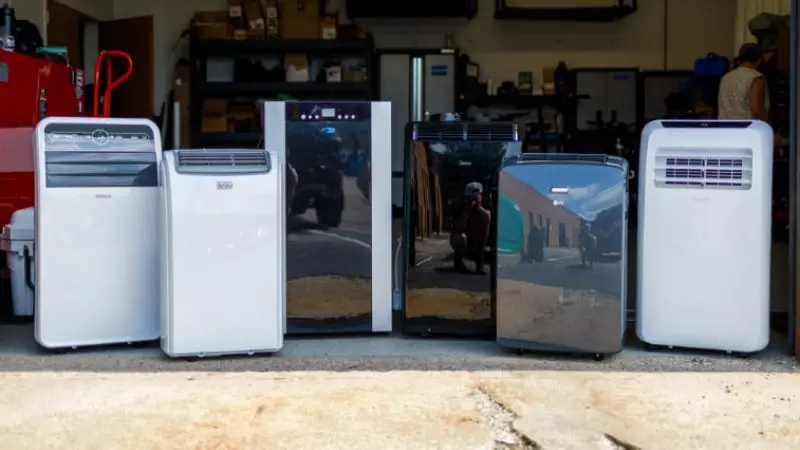
Most of the people who have their garages at home attempt to cool them down, but fail to realize that they are aggravating the situation. A minor error may cause a heat trap, airflow blockage, and make cooling devices less efficient. By preventing the issues that follow, you will be able to make it more comfortable, keep your stuff safe, and it will be easier to keep your garage cooler all summer.
Why Keeping the Garage Door Open All Day Can Increase Heat
It might be tempting to leave the garage door open so that the air in the garage is cool, but this is usually the opposite of what happens. Even on hot afternoons, the warm air outside the garage is always blowing in and quickly heating the garage. The sun is also able to shine directly into the garage and warm the floor, walls, and stored items. Open the door only when there is a need, and instead of leaving the door open throughout the day, use proper ventilation or fans. This straightforward modification helps make the garage cool in the summer and makes the inside environment more comfortable.
Why Ignoring Garage Insulation Leads to Higher Temperatures
Your garage is collecting heat on the roof, through the walls, and through the garage door all day without proper insulation. It takes in the heat, and once it is in, it remains stuck in the space and hence uncomfortable even after the sun sets. Homeowners tend to pay attention only to fans or air conditioners, but they have to work more intensively if there is no insulation. One of the most effective strategies to save energy and a major step towards keeping an attached garage cool and also saving heat transfer into your home is by installing insulation.
Why the Wrong Size Fan or Air Conditioner Won’t Cool Your Garage Properly
Selecting equipment that is either too small or too large can reduce cooling performance. Any fan incapable of pushing out sufficient air will make little difference, whereas a smaller air conditioner might not be able to cool the garage adequately. Large units will also use a lot of energy and raise the operating expenses. The right size will be determined by the size of your garage; more air will move in the garage, resulting in faster cooling and reduced energy consumption. It is particularly relevant when homeowners consider the way to cool down a garage workshop in summer or how to make a garage cold without air conditioning.
How Blocking Natural Airflow Makes Your Garage Feel Even Hotter
It is necessary to have natural air flow to get the heat trapped in the garage out. When big boxes, cabinets, or equipment are stored in front of the windows, vents, or doors, it does not allow fresh air to circulate properly. This leads to the preservation of warm air indoors and a further increase in temperatures. Ventilation of buildings is also enhanced by maintaining vents and laying out stored goods in such a way that air can move through them, and this makes fans and cooling systems more efficient. It is especially useful in the search for how to cool a detached garage or how to keep the heat down in a metal garage, where the airflow is significant in regulating temperatures in the summer.
Wrap Up
Cooling your garage in summer is less challenging when you understand the factors that contribute to heat buildup and choose the most suitable options for your garage. The mere addition of insulation and the introduction of efficient cooling products, rigorous ventilation, or closing of gaps, etc., can be felt. Need to know how to cool a garage without air conditioning, how to cool a garage workshop in the summer, or how to keep an attached garage cool? A combination of various cooling methods yields the best results. The appropriate upgrades ensure that storage is safe as well as comfortable, and provide a more enjoyable and safer garage during the hottest months.
FAQ
Which is the quickest method of cooling down a hot garage?
Immediate relief could be achieved by using a high-velocity fan with better ventilation. To cool quicker, use a portable air conditioner to lower the temperatures in the area you spend most of your time.
Could I cool down my garage without putting in any air conditioning?
Yes. Insulation, weather stripping, reflective screens, and fans in the garage are all good methods to make a garage cool without air conditioning and increase its comfort and lessen heat build-up.
Is it relevant to insulate a garage?
Yes. The insulation reduces the rate of heat escape in the roof, walls, and garage door, which helps in keeping the temperatures lower, and the cooling devices have less workload during the summer.
Which cooling solution is most appropriate in a detached garage?
A detached garage is advantaged by enhanced ventilation, insulation, and high-velocity fans. Evaporative coolers or portable air conditioners may be used to supply additional cooling on demand in very hot climates.
Why does my garage remain hot after the sun goes down?
Garage walls, roofs, and concrete floors take in heat in the daytime and slowly release it at night. This stored heat is trapped due to poor insulation and low airflow.