If you are wondering how to increase water pressure on well pump, first check the most common cause of poor water flow. Low pressure is typically caused by an improperly adjusted pressure switch, filthy water filters, air leaks in the pipes, silt build-up, or an old pressure tank. Such faults can cause your well system to operate less efficiently and affect water pressure all around your property. Fortunately, many treatments are simple and involve no expert instruments. Often, servicing and inspecting these parts can restore pressure to normal. The most common and practical strategy to increase your home’s water pressure is to address these well system concerns.
In this article, we will discuss how to boost water pressure on a well pump by diagnosing and resolving common causes of low water flow. You will discover practical troubleshooting procedures, maintenance recommendations, and simple remedies to help you restore strong and consistent water pressure throughout your home.
Main Causes of Low Water Pressure in Well Pumps
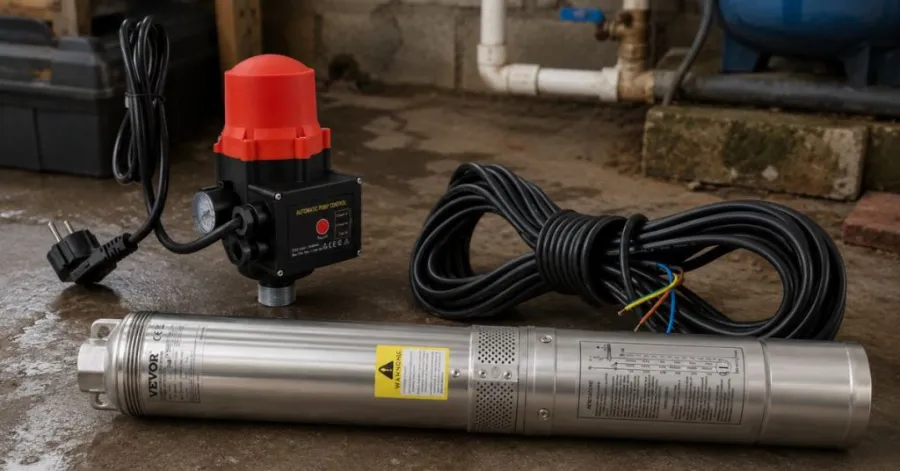
@dwscustoms 1hp deep well pump 115v vevor #vevor #wellpump #deepwell #dwscustoms #kingscoot21
♬ original sound – King Scoot
How to increase PSI on well water system? You may notice weak water flow in your home. Reduced pressure in a well pump system may result from several issues. The ability to comprehend these problems enables you to locate the appropriate answer.
Faulty pressure switch settings
Whether your well pump is on or off is controlled by the pressure switch. Why is my well pump pressure low? The water pressure in your home will decrease if the settings are set too low. The switch next to the pressure tank can be checked. The water pressure can be increased by adjusting the settings, but you must ensure you follow all safety precautions.
Clogged or dirty water filters
Water filters catch garbage and waste. Filters eventually get clogged, blocking the flow of water. You should check the filters periodically. Replace them or clean them if you see any buildup. A clean filter will keep a well pump running smoothly.
Well pump sizing issues
The best way to increase well pump pressure is to meet your household’s requirements. The pump can’t supply sufficient water if it is too tiny. If your household uses more water or you install new appliances, you might want a pump with greater capacity. The water pressure will remain constant if the appropriate size is selected.
Air leaks in the plumbing system
Air leaks allow air to enter pipes, which in turn lowers the water pressure. It is possible to detect leaks by listening for hissing sounds or by looking for damp areas. When leaks are fixed, your well pump can deliver greater water flow.
Sediment buildup in pipes or well screen
How to make well water pressure stronger? The pipes and the well screen both become clogged with sediment. Because of this accumulation, water circulation slows. In addition to removing dirt, flushing the system also helps to restore pressure. To keep track of cleaning schedules, you can utilize a table:
| Area | Cleaning Frequency |
| Pipes | Every 6 months |
| Well Screen | Yearly |
An aging or failing pressure tank
Water is stored in pressure tanks, which also maintain a constant pressure. The efficiency of older tanks decreases, which results in pressure dips. You want to inspect the tank for any signs of rust or leaks. Your well pump system will be improved by replacing a failing tank.
How to Increase Water Pressure on Well Pump (Step-by-Step)
Adjusting the pressure switch settings safely
Why is my well pump pressure low? You can often boost the water pressure by adjusting the pressure switch on your well pump. 1. Turn off the power to the pump. Find the pressure switch on or near the pressure tank. To boost pressure, use a wrench to turn the nut clockwise. Make little changes and check the gauge after each change. Don’t overpressure. Excessive pressure can damage pipelines and fixtures.
Cleaning or replacing clogged filters
Clogged filters decrease water flow and pressure. How to raise water pressure in a house with a well? Check your filters every several months. Take out the filter and rinse it with clean water. If the filter seems old or damaged, replace it with a new one. Clean filters boost the water pressure and performance of your well pump.
Checking and repairing leaks in the system
Leaks in your plumbing system can cause water damage and pressure loss. Walk around your house and look for wet spots or listen for hissing sounds. Tighten any loose fittings with a wrench. Replace any loose seals or leaking pipes. Fixing leaks will help you save on water and enhance water pressure.
Increasing pressure tank air charge
How to make well water pressure stronger? A well pump uses a pressure tank to maintain steady water pressure. If the air charge is low, you will notice weak flow. Turn off the pump and drain the tank. Use a tire gauge to check the air pressure at the top of the tank. Add air with a small air compressor if needed. Set the air pressure to 2 psi below your switch’s cut-in pressure.
Flushing sediment from the system
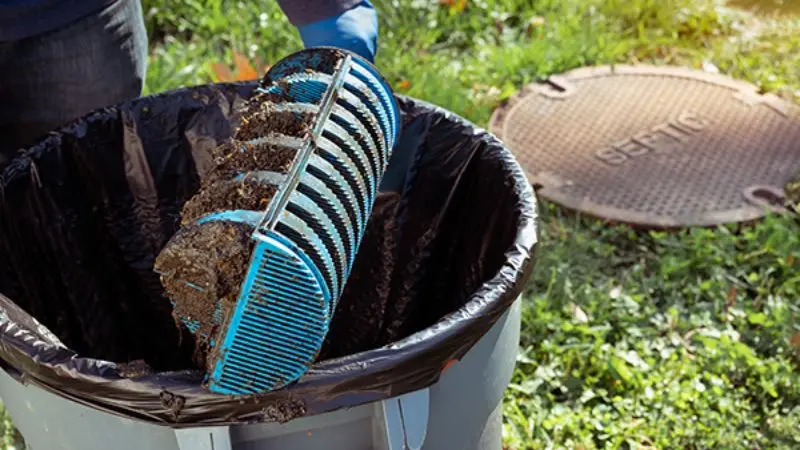
Sediment can build up in the pipes and in the well screen. This build-up retards the flow of water. Open all the taps and run the water for several minutes. This will help to drain out the sand and dirt. The best way to increase well pump pressure is also to hose out the screen. Regular flushing helps build water pressure and keep your system clean.
Upgrading to a higher-capacity well pump
Why is my well pump pressure low? If you’ve taken all the measures above and your pressure is still low, your well pump may be undersized. A bigger pump will push more water to your home. If you want to increase water pressure in your home or in the shower, this upgrade is an excellent solution. Consult with a professional before purchasing a new pump.
How to Adjust Well Pump Pressure Switch for Better Flow
Locating the pressure switch
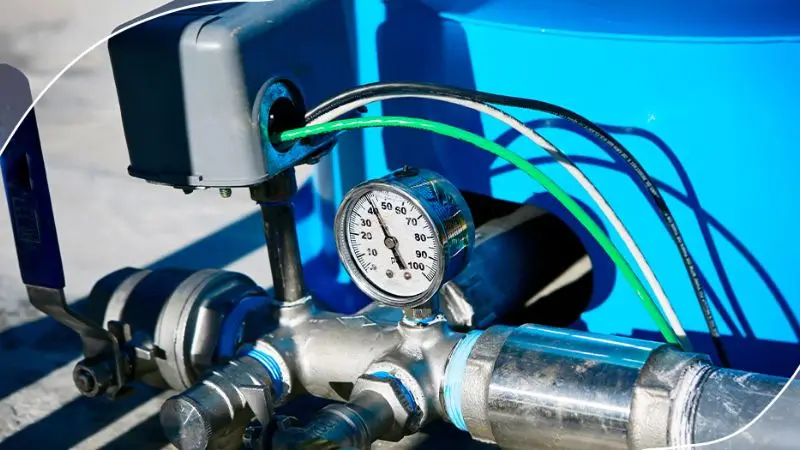
The pressure switch is located near your well’s pressure tank. Most of the time, it’s a little metal box with wires coming out of it. The switch is located on the pipe leading to the tank. To check your well pump pressure, look for a round gauge near the switch. This gauge shows the current pressure in your system.
Understanding cut-in and cut-out pressure settings
Your pump will turn on and off based on the pressure switch. How to increase PSI on well water system? The pressure at which the pump starts is known as the cut-in pressure. The pump stops at the “cut-out” pressure. For most houses, cut-in is roughly 30-40 psi and cut-out is 50-60 psi. You can see these numbers with the gauge. These settings can be adjusted to increase the water flow rate.
Safe adjustment guidelines
Always take safety precautions before increase water pressure without replacing well pump—power off first. Take off the switch cover. Use a wrench to turn the big nut in both cut-in and cut-out positions. “Turn clockwise to increase pressure. Make a few adjustments, replace the lid, and turn the power back on. Turn the pump on and look at the gauge. If you notice leaks or weird noises, stop and call a professional.
When not to adjust the pressure switch yourself
In some cases, it is not recommended to adjust the pressure switch yourself. If you are unsure or the wires are broken, consult a certified plumber or electrician. If you’ve tried adjusting the switch and still have low pressure, you may have a more serious problem. You might need to replace parts or bring in the specialists. If you want to learn how to safely check your well pump pressure, check with a pro.
How to Maintain Optimal Water Pressure in a Well System
Regular inspection and maintenance schedule
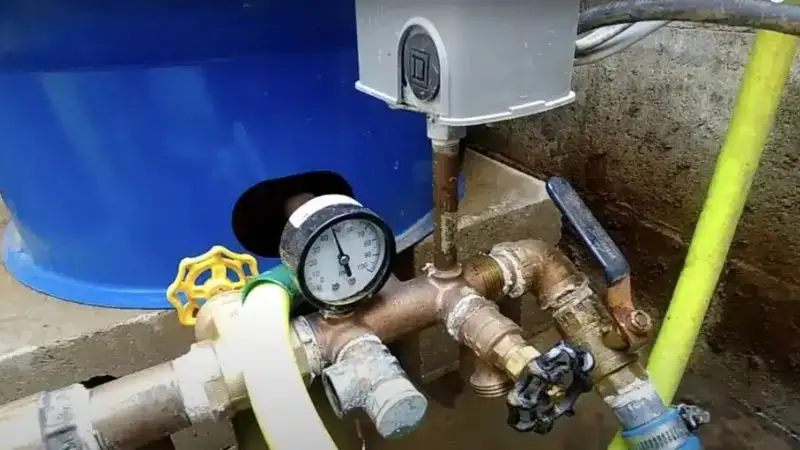
You should get your well pump system checked regularly. How to make well water pressure stronger? Make sure you check it every three months by setting a reminder on your phone. First, check for leaks, corrosion, and odd sounds. Verify that the pressure gauge is operating correctly. Regular checks help you spot problems early. This habit keeps your water flowing strong.
Importance of replacing filters on time
Dirty filters slow your water. You need to swap out filters before they clog. Most filters need replacing every two to three months. More regularly if you have hard water or lots of silt. Clean filters make your well pump perform more efficiently and last longer. Keep filters fresh, and you’ll notice a dramatic change in water flow.
Monitoring pressure tank performance
This is stored in a pressure tank, which maintains the pressure. “Look for signs like short cycling, weird noises, or water leaks. Check the air pressure in the tank with a tire gauge. The best way to increase well pump pressure is to set the appropriate air pressure, which keeps your well pump working well. See pressure drops ?? First, test the tank. A good tank can build up water pressure & protect the pump.
Seasonal maintenance tips for well systems
Every season, your well pump encounters a new challenge. Insulate your pipes in winter to stop them from freezing. Check for leaks after heavy rains in the spring. Check the area around the well and the well cap. The ground is dried by summer heat. Fall is a lovely time to cleanse the system and get ready for the harsh winter. Here’s how to increase water pressure without replacing well pump and protect your system year-round.
When to Replace Your Well Pump or Pressure Tank
Signs your well pump is failing
How to increase PSI on well water system? When your well pump starts to fail, you may notice several warning signs. Water pressure can often drop. Water may seem filthy. Air may spit from faucets. You will hear strange sounds emanating from the pump or pressure tank. Sometimes your pump will short cycle or run continuously. These are signs your well pump or pressure tank needs servicing.
How long do well pumps typically last
A good pump is not meant to last forever. How to raise water pressure in a house with a well? The life cycle of most well pumps is between 8 and 15 years. Your lifespan depends on how much water you use and how well you look after your system. Maintaining your well pump can prolong its life. “Pressure tanks are generally good for 10 to 15 years. If you often have issues, check your equipment’s age.
Cost vs repair decision factors
You’ll have to determine whether your well pump or pressure tank needs repair or replacement. Consider the age of your equipment. Why is my well pump pressure low? If your well pump is nearing the end of its life, it makes sense to replace it. New parts become costly over time, though, so repairs may be cheaper now. Compare the repair cost with the cost of a new well pump. Get an estimate from an expert. The new system can save you money and deliver better water pressure.
Conclusion
How to increase water pressure on well pump? It’s easy to raise the water pressure in your home. Just follow these few simple steps. The pressure switch should be checked, the filters cleaned, and any leaks fixed. If you need to, update either your pump or your tank. A lot of treatments are not only cheap but also easy enough to do yourself. Maintenance should always be done on a regular plan. If you see any signs that something might be wrong, you should get help from a trained professional. Additionally, make sure to check the settings and parts regularly.
FAQ
How do you know if your well pump pressure is too low?
You can check the pressure gauge near your tank. If the reading stays below 30 psi, your water pressure is too low. You may notice weak flow from faucets or showers.
Can you increase water pressure without replacing the pump?
Yes. You can adjust the pressure switch, clean filters, and fix leaks. These steps often boost water pressure. Try these before considering a new pump.
Is high water pressure bad for your plumbing?
High water pressure can damage pipes and fixtures. You should keep pressure between 40 and 60 psi. Use a gauge to check levels and adjust if needed.
How often should you check your well system?
You should inspect your well system every three months. Look for leaks, test the pressure, and clean filters. Regular checks help prevent problems and keep water flowing strongly.