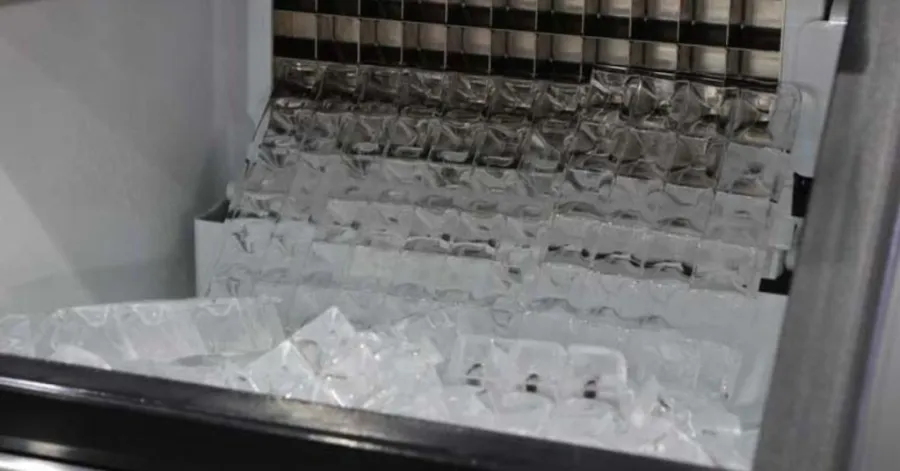
If you want to understand how to improve ice quality in machines, the key is to focus on clean water, proper maintenance, and optimal freezing processes. These essential parameters determine the quality of the ice. If your machine is clean and you use filtered water, you will never have to deal with hazy or bad-tasting ice again; you will get clear, fresh cubes every time.
In this post, we will go through how to make clear ice in an ice maker, why your ice machine is making cloudy ice, and how to remedy bad-tasting ice from an ice machine. We will also discuss fundamental tactics for continuous improvement in ice quality and better results at home or in commercial settings.
Benefits of Improving Ice Quality
There are many benefits to upgrading ice quality. This is how to make clear ice in ice maker machine, making the ice safe to use and preventing health hazards. It also helps preserve the ice maker’s capacity, keeping it available whenever needed. Better ice means better-tasting drinks. Who doesn’t like a drink? It also saves energy, helping cut your bills and extend the life of your appliance by minimizing damage and costly repairs.
Key Takeaways
- Use ice made from clean, filtered, or distilled water. This provides the ice with a clear and tasty flavor. This prevents the ice from being cloudy. It also improves the ice’s taste.
- It’s a good idea to regularly clean your ice maker to prevent the growth of germs and mineral deposits. The cleaner the machine, the nicer the ice.
- Set your ice machine for maximum freezing. Ice cubes are clearer and more compact when they are frozen slowly.
- Make sure air can circulate around your ice machine. Good airflow ensures good ice quality. It also helps the equipment to work well.
- Change water filters every 6 months. It keeps ice from getting hazy and stale. Old filters can make ice taste bad and appear cloudy.
Common Problems That Affect Ice Quality
If you want clear ice, you can have some trouble. These issues might alter the appearance and taste of your ice. Let’s look at what normally happens and how it impacts your ice.
Cloudy or White Ice Cubes
Why is my ice machine producing cloudy ice? You want clear ice cubes, but sometimes they turn out murky or white. This happens when air or minerals in your water become frozen. If your equipment freezes water too soon, it traps air bubbles and other contaminants. Impurities in tap water can diminish ice’s luster. The way you freeze the water and the type of machine you use can also affect the appearance of the ice. Use clean water and freeze slowly for clear ice. That makes your ice look better.
Bad Taste or Odor in Ice
No one wants bad-tasting or bad-smelling ice. If your ice tastes strange, it is usually the water. The flavor of tap water can be affected by chlorine, iron, or sulfur. Ice can taste bad due to hard water and salt. Sometimes bacteria or mold in the water line might get into your ice. Odors can also be absorbed by ice in the freezer. Clear, delicious ice comes from pure water and clean equipment. It makes your ice taste fresh.
Soft or Melting Ice Too Quickly
You want ice that stays solid, but it occasionally melts too soon or feels too soft. This is due to an incorrect freezing temperature. If your machine generates ice too fast, the ice will be full of holes and melt faster. Too warm, and the ice turns soft and melts before you finish your drink. Is ice melting slowly? Maintain the temperature and verify your equipment settings.
Misshapen or Incomplete Ice Cubes
How to fix bad tasting ice from ice machine? If the cubes are not spherical, it does not look well in your drink.” This can be caused by poor water flow, blocked filters, or freezing in various locations. If your ice maker is not level, you will have ice cubes that are unusual shapes and sizes. If the molds or bins are old or worn out, the ice is awful, too. For clean, beautiful ice, check your water flow and make sure your equipment is in good working order.
There are a few common problems that might make your ice taste terrible. Ice production may be reduced, and the ice may be cloudy if dirt and stones get into the water line. Filters past their expiration date allow pollutants to pass through, making the food appear and taste unpleasant. Low water flow can produce irregular, unclear cubes. If the ice maker is not level, it may generate uneven or misshapen ice. And if you don’t get the temperature correct, you could end up with slushy ice or cubes that melt too fast, which hurts both taste and clarity.
Key Factors That Influence Ice Quality
Water Quality and Mineral Content
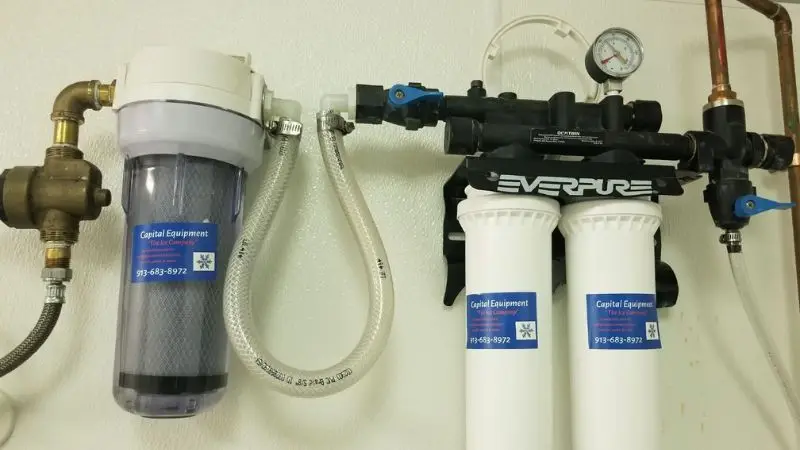
You want your ice to look clear and taste wonderful. The best water filter for ice machines to improve ice quality is essential. Use pure water, and your ice will be hard and clear. Hard water contains minerals such as calcium and magnesium. These minerals can clog your ice maker and make the ice look hazy. Cloudy ice might look nasty. You require water with low mineral, chlorine, and iron content. Too many dissolved solids can generate terrible ice and damage your machine. Better water means better ice for everyone.
Filtration Systems and Their Role
Why is my ice machine producing cloudy ice? A good filter can make your ice better. Filters remove impurities from water. This makes your ice look and taste better. Using the right filter helps your machine and your drinks. Filters are important to improve both ice quality and machine performance. You remove contaminants that can make ice look hazy, leaving it cleaner and more attractive. Filtered water ensures your ice has no off-tastes or smells, keeping your drinks fresh and tasty. Filters also increase equipment life by minimizing scale buildup, which causes wear and tear on the machine, and by reducing the frequency of repairs.
Machine Cleanliness and Maintenance
How to make clear ice in ice maker machine periodically to maintain the ice quality. Most firms recommend cleaning it every one to six months. Use more if you use it a lot or have hard water. Cleaning prevents the build-up of bacteria, mold, and minerals. This will keep your ice safe and your equipment in good working order. A clean machine means ice you’ll want to look at and taste.
Ambient Temperature and Environment
Your ice machine works best when it’s in the appropriate spot. Hot rooms slow ice creation and melt ice faster. If your environment is above 100°F, your machine may not perform well. Humidity also affects ice quality. At high humidity, ice cubes clump together and freeze slowly. Warm air can melt and refreeze ice, making it look and feel worse.
- Hot rooms produce less ice.
- Humidity keeps ice moist and sticky.
- Heat melts the ice, worsening it.
Ice Machine Settings and Calibration
You can adjust your machine settings for better ice. Thicker ice melts more slowly and is useful for hot days. Thin ice freezes quickly and is useful for cold days. Check your freeze cycles and configure your machine appropriately for better ice. Here’s a brief guide:
| Environment | Ice Thickness Setting | Notes |
| Summer/Hot | 25-45 | Thick ice melts slowly, good for cafes. |
| Winter/Cold | 10-30 | Thin ice freezes fast, good for home. |
How to Improve Ice Quality in Machines (Step-by-Step)
Install a High-Quality Water Filter
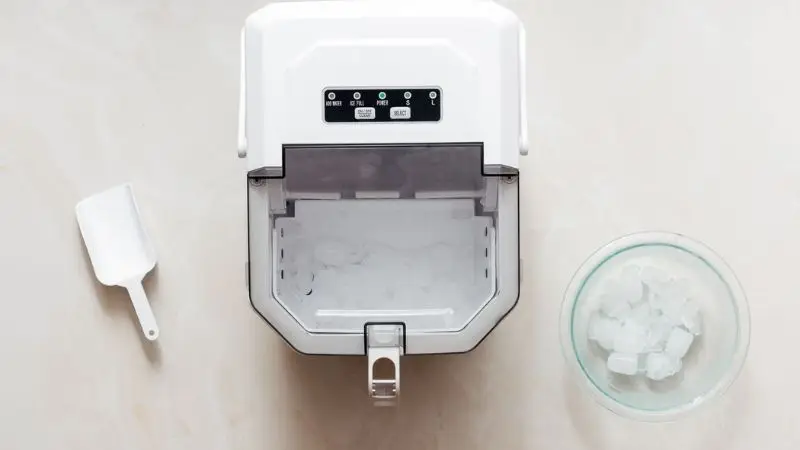
Use a decent water filter if you want clean ice. How to fix bad tasting ice from ice machine: The filter removes the minerals that make the ice murky. It also stops scale and rust buildup. Your ice appears clear and tastes better. It will last longer and break down less. You won’t have to repair it as much. Clean ice is safe for everybody to use.
Use Purified or Reverse Osmosis Water
Why is my ice machine producing cloudy ice? Try using purified or reverse osmosis water for your ice. These procedures reduce the TDS to about 50ppm. This helps you get clear ice cubes that look good. Pure ice melts slowly. It keeps drinks cool. Distilled water is also helpful for making ice. It has nothing additional in it. Your ice is transparent and tasteless. Distilled water also protects ice from bacteria.
- Filtered water produces purified ice.
- Distilled water produces pure ice with no taste.
- Reverse osmosis removes substances that cause ice fog.
Clean and Sanitize the Machine Regularly
You need to clean your ice machine regularly. Wipe down the exterior each day to keep it nice. Check for foul odors or cloudy ice. To deep-clean, perform the following: First, remove all the ice. Then use a cleanser inside the machine. Scrub away any build-up you observe. Rinse with clean distilled water. Dry all pieces and replace them. Plug the machine in and turn it on. Discard the first batch of ice.
Descale to Remove Mineral Buildup
If you don’t use distilled water, minerals might build up quickly. Clean your machine every three to six months. If you notice white patches or murky ice, clean it immediately. Follow the cleaning instructions for your machine.
Maintain Proper Airflow Around the Machine
Give your ice maker room to work. Keep at least six inches behind it. Give twelve inches all around—plenty of room above it. Good airflow allows your equipment to produce clean ice. It also prevents the machine from overheating.
Check and Adjust Freezing Cycles
You can adjust the way ice freezes. For thick, transparent ice, extend the freeze time. Reduce the freezing time for small cubes. Slowly freezing filtered or purified water makes the purest ice. For excellent ice, try freezing slowly.
The best water filter for ice machines to improve ice quality of your ice cubes is directly affected by how long they are frozen. The longer you freeze them, the thicker and denser the cubes become, which helps them melt more slowly and remain clear longer. On the other hand, a shorter freeze time yields thinner cubes that chill drinks quickly but melt more quickly. You can manage the freeze cycle to adapt your ice to your needs, whether you want long-lasting clarity or quick cooling.
Best Water Filtration Options for Ice Machines
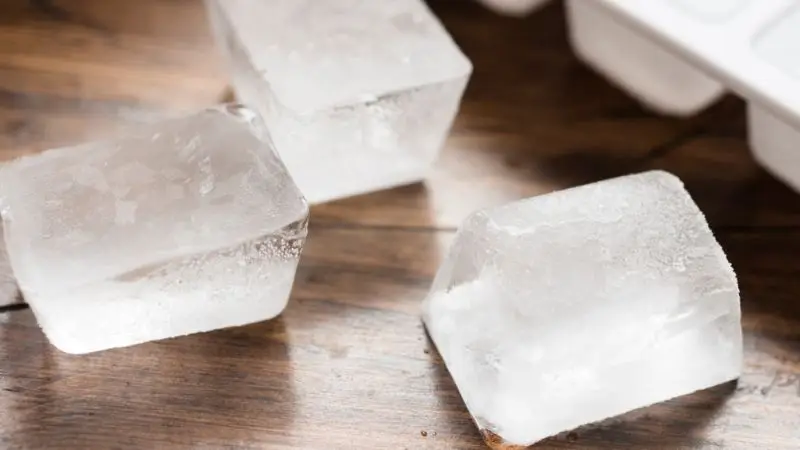
For the best ice, you need effective water filters. Not all filters work in the same way. Certain filters add a fresh taste to your ice. Others help you to get perfectly transparent ice cubes. Let’s examine what options you have.
Carbon Filters vs Reverse Osmosis Systems
Filtration, in all its forms, is a critical part of maintaining high water quality and protecting your ice machine. How to fix bad tasting ice from ice machine, taste and odor chemicals are also reduced with free chlorine by activated carbon (GAC) and carbon block filters to improve ice flavor and protect internal components. Ion-exchange water softeners remove calcium and magnesium ions, reducing scale formation and extending the unit’s lifespan. Reverse osmosis (RO) systems go one step further by eliminating dissolved salts, heavy metals, and numerous organic compounds, resulting in low-TDS water for clearer ice and reducing the risk of scale and corrosion. Ultrafiltration (UF) is effective for particles, bacteria, and larger organic materials, providing control of pollutants in reasonably clean water. UV disinfection kills germs like bacteria and viruses. It is a good additional step, especially with other filtering systems. This is good for well water.
Inline vs External Filtration Units
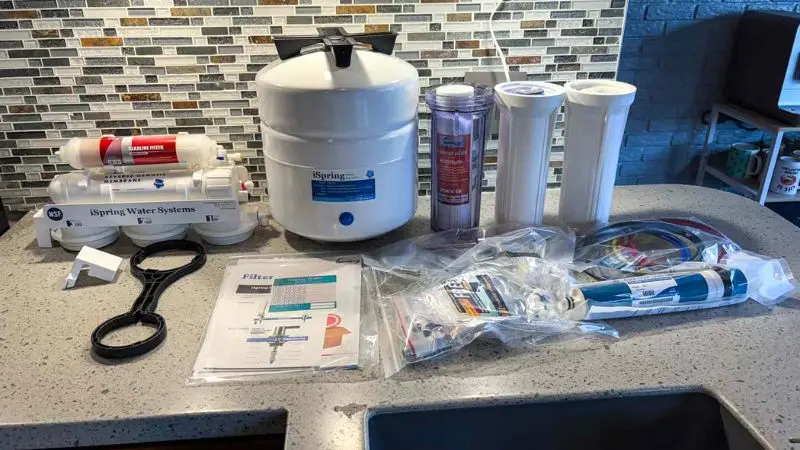
You can choose between filters inside or outside the system. With an inline filter, you can connect it right to your water line. They give you pure water every time you make ice. These best water filter for ice machines to improve ice quality, take up little room, and are simple to use. External filters are not inside the machine. The screens are bigger and last longer. Both types filter water, but inline filters work better in small areas. Put the ice maker outside and use a reverse-osmosis filter to get the cleanest ice. Pure water from a jug is another way to make the cleanest ice.
How Often to Replace Filters
How to make clear ice in ice maker machine: You’ll need to refresh your filters to keep the ice clear. Most experts suggest replacing your filter every six months. Some home systems may let you wait up to a year, but six months is safest. You don’t have to change filters as often if you use distilled water. If your ice starts to taste weird, change your filter sooner. Always use filtered or distilled water for every batch. This keeps your ice machine working well and your ice looking clear.
Conclusion:
How to improve ice quality in machines: You can get clear, great-tasting ice at home by following a few simple habits. Start with clean, filtered, distilled, or spring water to improve both clarity and flavor. Regularly clean your ice maker to prevent buildup and ensure fresh ice every time. Keep the machine in a cool, stable location for consistent performance. You can also try slow freezing methods to create smooth, crystal-clear cubes that melt more slowly. These small changes not only improve ice quality but also enhance your overall drink experience. In the end, even simple steps can make a big difference in how your ice looks and tastes!
FAQ
How often should you clean your ice machine?
You should clean your ice machine every three to six months. If you use it a lot or have hard water, clean it more often. Regular cleaning keeps your ice clear and safe.
Why does your ice taste funny?
Your ice tastes funny because of dirty water, old filters, or a dirty machine. Change your filter and clean your machine. Use filtered or distilled water for the best taste.
Can you use tap water for clear ice?
You can use tap water, but it often makes cloudy ice. For clear cubes, use filtered, distilled, or reverse osmosis water. These options remove minerals, making your ice look better.
What is the best way to store ice?
- Use a clean, airtight container.
- Keep ice in the freezer.
- Avoid storing ice near strong-smelling foods.
This keeps your ice fresh and odor-free.
How do you know when to replace your water filter?
Funky-smelling or tasting ice is a clue that you should change the filter. Cloudy ice also indicates the filter may need to be checked. Also, if it’s been six months, it’s time to switch it up. Checking and replacing your filter regularly helps to keep your ice clean, transparent, and taste fantastic.