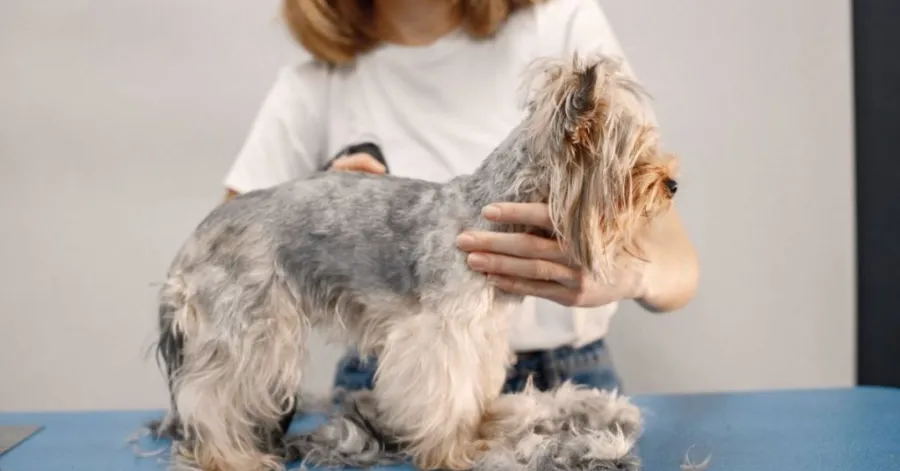
Keeping your dog healthy, clean, and comfortable is an important component of dog grooming. More than just appearance, it is about maintaining healthy skin, preventing infections, and enhancing well-being. Frequent grooming will eliminate dirt, loose hair, and tangles as well as enable you to detect any skin problems, parasites, or injuries early. Bathing and brushing, especially using a dog bathtub for easier cleaning, trimming nails, and taking care of the ears, are all essential parts of the hygiene of your dog. Knowing the proper methods and the timing of how to groom a dog will make it easier, safer, and less stressful to groom your dog.
- How to Prepare Your Dog for a Safe and Comfortable Grooming Session
- Step-by-Step Dog Bathing Process
- How to Dry and Brush Your Dog’s Coat After Bathing
- Nail Trimming and Paw Care for Healthy Dog Feet
- Ear and Eye Cleaning for Your Dog’s Health and Comfort
- How Often You Should Groom Your Dog for a Healthy Coat and Skin
How to Prepare Your Dog for a Safe and Comfortable Grooming Session
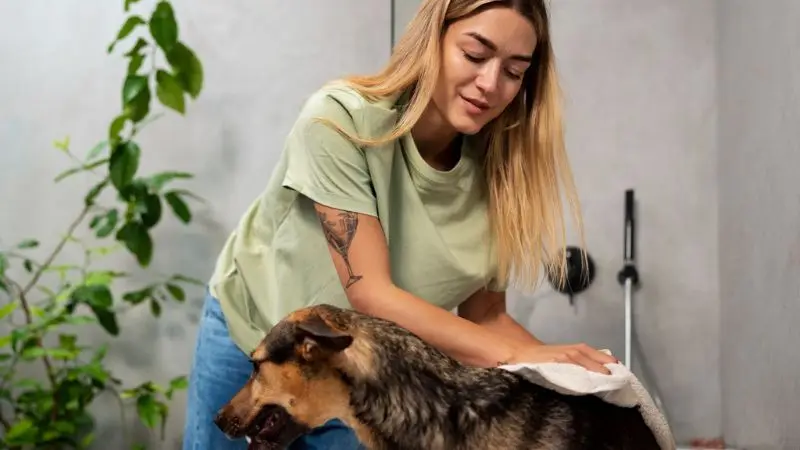
Preparation before grooming your dog can make the whole process an easier and less stressful one. It allows you to clean and take care of your pet more efficiently, as proper preparation keeps your dog calm, grooming tools organized, and helps you to take better care of your pet. Whether it is the selection of the correct grooming products or training of your pet, both mentally and physically, a bit of planning can go a long way to ensuring that your grooming experience is a pleasant one.
Basic Grooming Tools Every Dog Owner Should Have
Appropriate grooming equipment can be used to maintain the dog’s cleanliness, health, and comfort during grooming procedures. Prepare all of your supplies before you start grooming your dog so that you won’t be interrupted.
Essential grooming tools include:
- Dog brush and comb – will help loosen fur, dirt, and tangles before bathing.
- Pet shampoo that is friendly to the pet – Washes the hair, but does not irritate the skin.
- Nail clippers or nail graver – Keeps nails short and avoids any pain when walking.
- Soft towels and a blow dryer- assist in drying your dog after a bath.
- Dog bathtub – helps make bathing easier, safer, and less messy, especially for larger dogs.
- Ear cleaner and cotton pads are handy for cleaning dirt and wax in the ears.
- Grooming scissors or clippers (optional) – Can be used to trim protruding fur, like around the face, body, and paws.
Easier to clean and have ready, these tools can help make the grooming process quicker and more comfortable for both you and your dog. It is also advisable to use products that are specifically designed to be used by dogs, since the human products can cause irritation to the skin of your dog.
@jeromy_henson_bfss VEVOR PET WASHING STATION. 38″ BATHING TABLE, WITH RAMPS, STAINLESS STEEL. HAS SLIDING DOOR, RACK, HAS A SPRAYER HEAD AND ALSO A HAIR CATCHING TABLE. #pets #petbathing #bath #wash #pet #bathingstation #stainlesssteel #dogbathingstation #washing #dogbathing #vevor #bathing #vevortools #vevorproducts #animals #animalsoftiktok #fyp #animal #viral #tiktok #fypage #falldealsforyou #spotlightfinds #summerootd #summersale #summerdeals #sunsetsavings #savingssquad #fallreset #sale #fallfinds #onsalenow #sell #tiktokshopfallsale #fallsale #fallfinds #fallreset #lookatthis #tiktokshop #tiktokshopping #trending2024 #viralvideos #onsale #flashsale #giftideas #giftidea #tiktokshopfinds #tiktokmademebuyit #foryou #foryoupage #trending #wow #tiktokmademedoit #getyours #today #tiktokfinds #tiktokfind #tiktokviral #tiktokviralvideo #tiktokviraltrending #ttsacl #tiktokshopsummersale #look #tiktokshopviral @vevor shop @HAIDEE_Vevor
♬ original sound – JEROMY HENSON-BFSS☑️
Simple Steps to Prepare Your Dog Before Grooming
Getting your dog ready before grooming will ease stress and make the process easier to handle. When a dog is relaxed and comfortable, it is more likely to cooperate when being bathed, brushed, and its nails trimmed.
Before grooming, follow these easy steps:
- Select a calm and quiet space with room.
- Allow your dog to have a few minutes’ rest before commencing.
- Talk softly and give gifts to provide a good mood.
- Brush off the coat prior to bathing to get loose hair and knots out.
- Look at the skin, check for ticks, cuts, redness, or any other issues.
- Prepare the grooming tools and water temperature.
Anxiety and discomfort during the grooming of your dog can be avoided by taking time to prepare your dog adequately. Frequent grooming sessions also help your dog become accustomed to the routine over time, making further grooming much easier.
Step-by-Step Dog Bathing Process
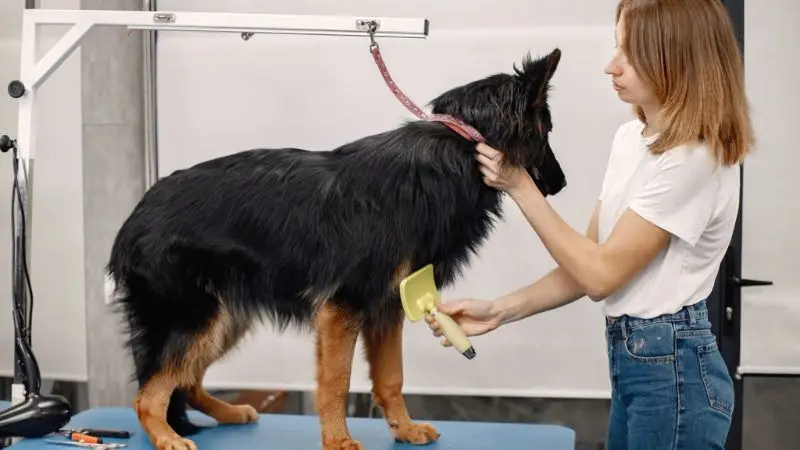
Properly bathing your dog keeps him or her clean, healthy, and without dirt or smell. An adequate bathing schedule is an important element of grooming a dog step by step at home, and also helps in maintaining healthy skin and avoiding irritation or infections. Bath time will be less stressful, safer, and more comfortable for your dog when you take your time in every step. Each step should be done at its own pace, and your dog should be kept calm during the process to achieve the best outcome.
How to Wet Your Dog Properly Before Bathing
Start with a little lukewarm water to moisturize your dog’s coat in a dog bathtub. It must not be too cold or too hot; the water must be comfortable to the touch, otherwise your dog will be nervous or uncomfortable. This is among the most significant easy dog grooming tips to beginners, particularly those who are learning how to go about bath time properly. Gradually pour or spray water on the neck and down the body, legs, and tail. Ensure that the water makes contact with the skin, particularly in thick or long coats, so that fur does not block the moisture. One should not spray sensitive areas such as the eyes, ears, and nose, as this may cause irritation or stress during bathing.
How to Use the Right Amount of Dog Shampoo
After ensuring that your dog is completely wet, pour a little pet-friendly dog-specific shampoo. An excessive amount of shampoo can also cause rinsing to be a hassle and can also leave traces on the skin; it is therefore advisable to begin with a little and add more when necessary. It is also a vital step in learning to groom a dog at home, as proper use of shampoos directly impacts coat health. Rub your hands into the coat in circular movements; this will get the shampoo into the coat without forming excessive lather. Begin at the neck and proceed down to the back, legs, and tail. Be cautious of the face and do not touch the face directly on the eyes and ears.
How to Clean Sensitive Areas Safely During Bathing
There are sensitive parts of the body, such as the face, ears, paws, and under the tail, that need more attention during the bathing process. Rather than pouring water, wet a cloth or your hands and clean such spots. The technique is commonly advised in dog grooming tips for long-haired breeds because the longer hair may be prone to getting dirty in such places. Clean slowly and quietly, particularly when you are cleaning with your dog anxious. Assuming a calming stance will keep your dog at ease and make these spaces clean without any stress or abrupt actions.
How to Rinse Your Dog Thoroughly After Shampooing
One of the most crucial processes of bathing your dog is rinsing, as the residue of shampoo may cause itching, dryness, or skin irritation. Wet with clean lukewarm water and run under, but be careful not to wash all the shampoo off the coat. Dog grooming tips to control shedding require proper rinsing, as the residue may exacerbate skin dryness and cause more shedding. Take care of thick fur areas, around the legs, and around the belly, as residue may be left easily. Keep running under water until the coat is smooth and the slippery soap is off.
How to Dry and Brush Your Dog’s Coat After Bathing
Once your dog has had a bath, it is important to dry and brush its coat, which will keep it clean, soft, and healthy. All these are necessary steps to know how to groom a dog step by step, since proper finishing care guarantees long-term cleanliness and comfort. They assist in eliminating surplus water, eliminating tangles, and keeping the fur trim. The skin is also kept, irritation is prevented, and the hair is kept smooth and shiny by proper drying and brushing. Patience in this step is to make your dog feel at ease and appear good after each bath.
How to Dry Your Dog: Towel Drying vs Blow Drying
The most usual and safest first thing after a bath is towel drying. Dry the coat carefully with a soft, absorbent towel and pat or press the coat to get water out. This is among the most suggested simple dog grooming tricks to novices and more so to those owners who are only learning to handle grooming at home. Tangles and roughing up of fur, especially in long-haired dogs, can be caused by rubbing hard, so avoid it. It is effective with dogs that have short or medium hair and also helps to cut down on the time spent drying.
Thicker coats can be blow-dried, or, in cases where they require faster drying. Always wash in a low heat or cool dryer that is pet-safe. Always keep the dryer far away and move it around so as not to overheat a single point. This comes in handy, particularly when it comes to dog grooming advice for the long-haired breeds, where air drying can be too lengthy or can result in matting. This guarantees a smooth drying of the coat without any form of discomfort.
How to Use a Blow Dryer Safely on Your Dog
It is always important to use a blow dryer safely to avoid damaging the skin and comfort of your dog. Always select a dryer with a heat adjustment or a dryer that is specific to pets and suitable for grooming. Excessive heat should be avoided at all costs since it may dry up or burn delicate skin. This is a consideration when adhering to how often you should groom your dog because regular grooming sessions should always be considered in terms of safety.
Have the dryer move over the coat rather than on the same spot. Begin at the rear and work towards the legs, chest, and tail. When drying, talk in a low-toned voice to make your dog calm and relaxed. Safe handling will ease the grooming experience and make it stress-free for you and your pet.
How to Brush Your Dog for a Smooth and Healthy Coat
Post-drying brushing will keep your dog’s coat smooth, clean, and healthy. The brush you use should be the same color as the coat of your dog,g and you should always begin with the head and then go towards the body, following the hair growth. This is one of the essential elements of dog grooming tricks for controlling shedding, since it helps shed loose fur, and shedding decreases over time.
Frequent brushing also aids in spreading the natural oils over the fur, making it shiny and healthier. It enhances skin quality and makes grooming routine easier in the long term. Also, be tolerant and kind, particularly when your dog is new to grooming, to make brushing a pleasant experience.
How to Remove Mats and Tangles Without Hurting Your Dog
Wet or long fur is easy to form mats and tangles, and therefore, must be handled with care. Do not pull or force tangled hair; this will cause your dog pain and make him or her anxious. Rather, have the base of the fur as close to the skin as possible to minimize pulling. This is particularly true in dog grooming tips for long-haired dogs, where matting is more prevalent.
Slicker brush or wide-tooth comb, loosen the tangle in small pieces. Slowly, take your time, and loosen the knot. To keep your dog smooth and easy to handle, brushing after each bath will help prevent mats from forming and keep its coat smooth.
Nail Trimming and Paw Care for Healthy Dog Feet
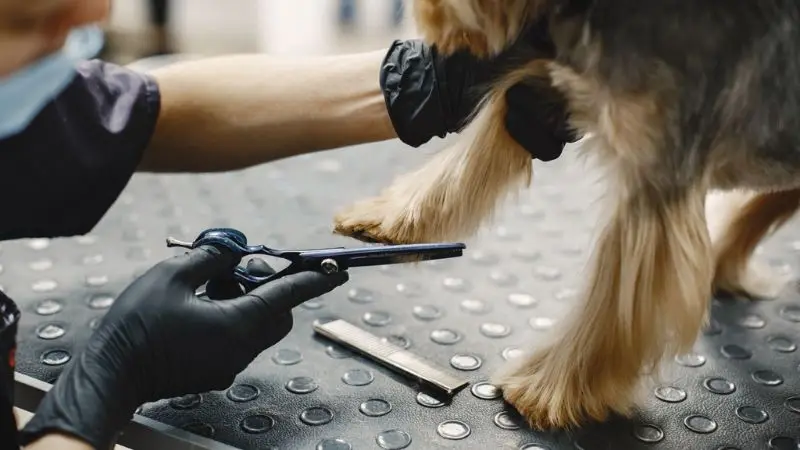
Trimming nails and caring for the paws are significant aspects of your dog’s grooming and can be part of how-to-groom-a-dog-at-home step-by-step tutorials, since they directly influence comfort and mobility. Long nails may be uncomfortable to walk with, and paw pads can be dirty or torn, which may be painful or infected. Routine attention keeps your dog’s feet healthy, improves mobility, and prevents injuries. A relaxed and cautious attitude can help to make the process safer and more comfortable for your dog.
How to Safely Trim Your Dog’s Nails at Home
To avoid stress and injury, trimming your dog’s nails should be done gradually and with caution. This is among the most significant beginner dog grooming tips, particularly to new dog owners who are inexperienced in using grooming equipment. Apply a good dog nail trimmer or grinder. Begin by taking the paw of your dog and cutting it into bits, a bit at a time, rather than removing too much of it at once. It is preferred to work in a quiet place where your dog is comfortable. In the case of a nervous dog, you should give rest and reward your dog with something good in order to develop good behavior during nail trimming.
How to Avoid Cutting the Quick While Trimming Nails
The sensitive portion within the nail is the quick, which harbors blood vessels and nerves. It is very easy to cut and bleed, so one should be very careful. This is particularly pertinent when learning how to groom a dog step by step, as any errors in the nail trimming make dogs afraid of subsequent grooming. Cut very little of the nail tip, and be careful to watch the nail color when it is light, in case the quick is showing. In dark nails, trim in small bits and continue until you find a slight variation in the feel or appearance within the nail. Speeding up will avoid accidents and make the grooming process safe.
How to Clean Paw Pads and Check for Cracks or Injuries
After trimming your dog’s nails, it is important to check and clean your dog’s paw pads. Clean the paws using a damp cloth to get rid of dirt, mud, or any other debris that might have accumulated. This is frequently mentioned in dog grooming tips to control shedding, as clean paws can help prevent dirt from spreading onto the coat, too. Thoroughly examine every paw with cracks, cuts, or dryness, as it may lead to discomfort or infection when not treated. If the pads appear dry, a pet-safe paw balm may be applied to keep them soft and safe. Frequent paw care will ensure that your dog can walk and run comfortably.
Ear and Eye Cleaning for Your Dog’s Health and Comfort
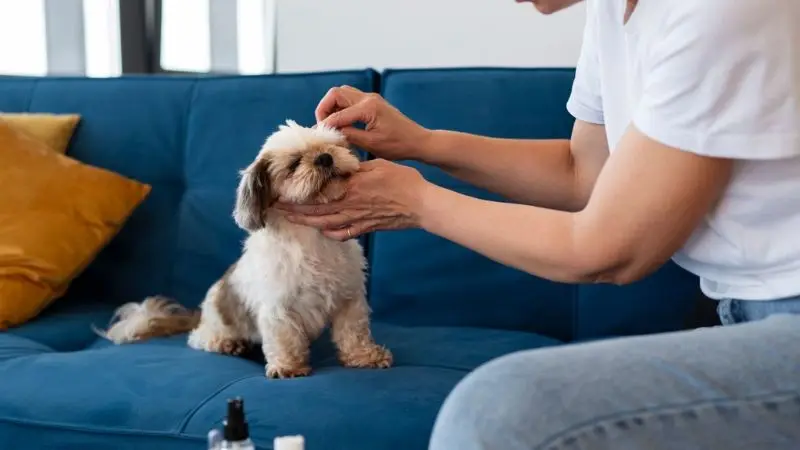
Ear and eye grooming are significant aspects of your dog’s grooming routine and are frequently discussed in arguments about how often you should groom your dog, as these are sensitive areas. These are the places that are likely to be dirty, waxy, and irritating. Frequent cleaning will stop infections and keep your dog healthy and comfortable. Hard techniques should be avoided, as they may cause pain or harm; soft techniques are preferable. Always remember to be patient and see how your dog reacts during cleaning.
How to Clean Your Dog’s Ears Safely at Home
To clean your dog’s ears, start with a veterinarian-approved ear cleaning solution and soft cotton pads or gauze. Lift the ear flap and rub a little cleaner (as suggested on the product instructions) gently. This is particularly helpful in dog grooming tips for long-haired breeds, since they are most likely to accumulate earwax because of the thick fur cover. Cleanse the affected ear by wiping the apparent regions, but not deep into the ear canal. Go slow, be tender in the process to prevent discomfort. Frequent ear cleaning can prevent the accumulation of dirt and the formation of wax as well as keep the ears clean and healthy, particularly in dogs that have floppy ears.
Signs of Ear Infection You Should Watch For
It is important to regularly check your dog’s ears for signs of infection or irritation. The typical warning signs are redness, swelling, a strong or unpleasant odor, excessive scratching, head shaking, or ear drainage. Early diagnosis is vital, as untreated ear problems can deteriorate quickly. When you observe these signs, it is advisable to take your pet to a veterinarian for appropriate treatment and care. This is particularly relevant to habits related to how often you groom your dog, as frequent grooming will allow you to catch issues early.
How to Clean Your Dog’s Eyes Gently and Safely
The eyes of the dog should be cautiously cleaned at all times. Wipe the corners of the eyes with a soft, wet cloth or sterile gauze. Always clean the inner part outward, and touch with a different clean cloth to each eye to avoid contamination with dirt or bacteria. It is best to avoid harsh chemicals and even water directly poured into the eyes, as this may result in irritation. One of the most important easy dog grooming tips for beginners is regularly cleaning your dog’s eyes to ensure they are clean, healthy, and free of debris.
How Often You Should Groom Your Dog for a Healthy Coat and Skin
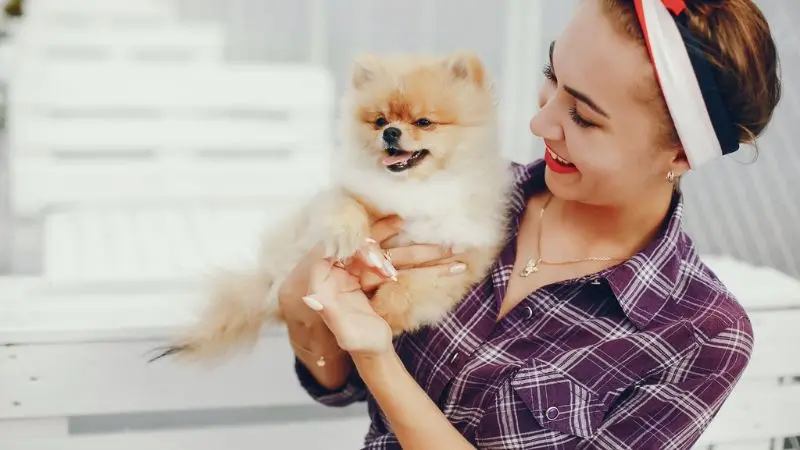
The amount of grooming that is done will be determined by the type of coat your dog has, their lifestyle,e and general health. Routine grooming is a necessary component of how to groom a dog properly since it keeps the coat clean, removes skin problems, and keeps your dog happy. There are dogs that require daily care, and others that require grooming every now and then. Knowing the correct timing will help you avoid over- or under-grooming and keep your dog looking and feeling good.
Grooming Frequency Based on Your Dog’s Coat Type
The types of coats demand varied grooming procedures. It is also a consideration in the way to groom a dog at home step by step, since the type of coat is a direct determinant of the tools and timeline you ought to adhere to. Short-haired dogs normally require fewer grooming visits, which is once a week of brushing and occasionally bathing. Medium-long-haired dogs need more frequent care due to their fur tangling easily and the possibility of catching dirt. These dogs can be required to be brushed multiple times a week or even daily. Curly and double-coated dogs can be very demanding, and they need to be brushed regularly to eliminate mats and keep their coats healthy.
How Often You Should Bathe Your Dog
The frequency of bathing will vary with the activity of your dog and the condition of the skin. When using a dog bathtub, the majority of dogs can be bathed 4–6 times per month, and very active dogs, or those that spend much time outside, should be bathed more often. This is among the most important beginner tips of grooming dogs, as most of the owners either over-bathe their dogs or under-bathe them. Conversely, excessive bathing may strip the skin of its natural oils and result in skin drying. Always apply mild dog-friendly shampoo to guard the skin barrier. Striking the right balance prevents harming natural coat health by ensuring that your dog stays clean.
Daily, Weekly, and Monthly Dog Care Routine
An adequate grooming schedule consists of daily, weekly, and monthly care. Daily care involves frequent examination of dirt, eye discharge, or paw cleanliness and light brushing when necessary. To avoid tangles in the coat, thorough brushing, ear checks, and basic coat maintenance should be performed on a weekly basis. This routine is also effective in dog grooming to control shedding since regular brushings will decrease the accumulation of loose hair. The monthly care typically includes taking a full bath, trimming nails, and cleaning ears and paws more thoroughly. A regular schedule will keep hygiene, minimize shedding, and keep your dog healthy and comfortable all year round.
Wrap-Up
Correct dog grooming is a total care routine that helps in the health, comfort, and happiness of the pet. Regularly undertaken, it is a significant component of the process of grooming a dog and keeps its coat clean, its skin healthy, and its nails trimmed, and prevents common problems such as matting, infections, and overgrown nails. You can also ensure that grooming is an enjoyable experience for your dog by adhering to the appropriate process of bathing, drying, brushing, and cleaning of sensitive parts, especially when you are learning how to groom a dog at home step by step.
The most important factor is consistency, and adhering to easy dog grooming tips as a beginner will build confidence and reduce stress in the long term. Grooming is an easy thing to do for your dog with patience and the appropriate methods; one can bring into the regular routine of the dogs such practices as dog grooming tips to control shedding, which would be better and easier in the long run.
FAQ
How frequently will I groom my dog?
The majority of dogs must be groomed every 4-6 weeks, with the frequency of brushing being dependent on the type of coat and may vary between daily and weekly.
Can I apply the human shampoo to my dog?
No, human shampoo can irritate a dog’s skin. Never apply a dog-unfriendly shampoo to a dog.
What do I do to know whether or not the nails of my dog are too long?
When you hear clicking sounds on the floor, or you see nails touching the floor, it’s time to trim.
What can I do to keep the fur of my dog mat-free?
Frequent brushing, particularly in long-haired dogs, is beneficial in preventing entanglements and smoothing out the coat.